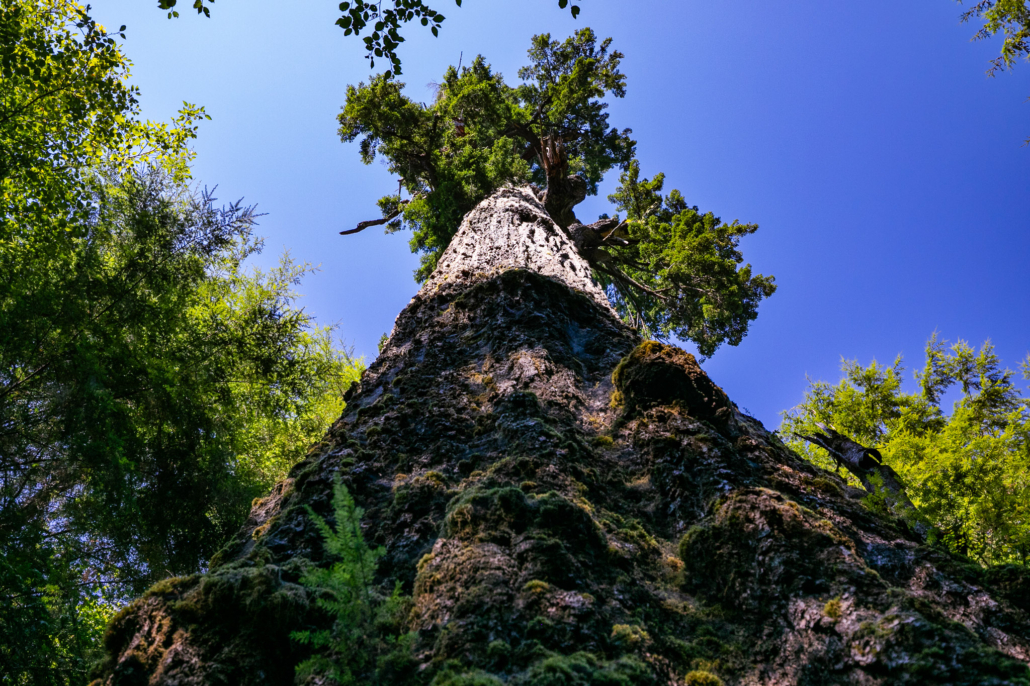
UPDATED: Port Renfrew Big Trees Map
Explore the updated Port Renfrew Big Trees Map with new directions, trails, and routes to iconic giants like Big Lonely Doug, Eden Grove, and more.
https://staging.ancientforestalliance.org/wp-content/uploads/2025/05/13-Red-Creek-Fir.jpg
1365
2048
TJ Watt
https://staging.ancientforestalliance.org/wp-content/uploads/2026/05/Ancient-Forest-Alliance-logo.svg
TJ Watt2026-05-29 15:39:342026-05-29 15:40:49UPDATED: Port Renfrew Big Trees Map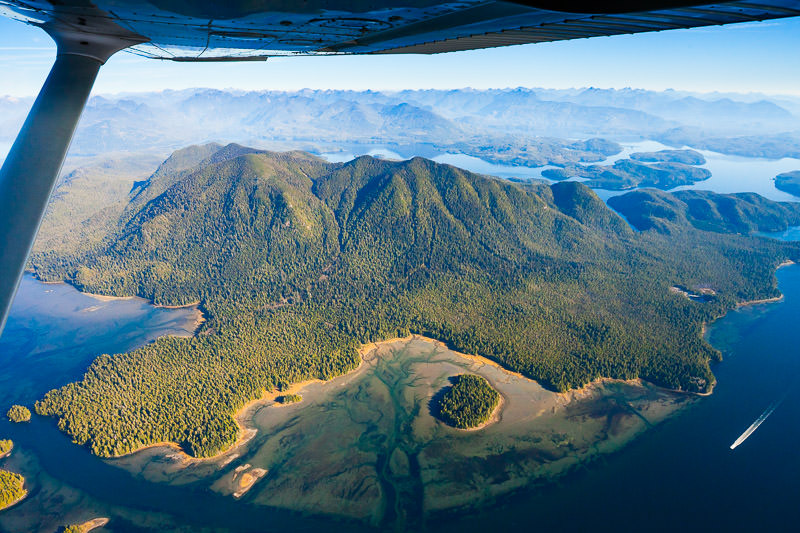
NEW! West Coast Old-Growth Hiking Guide
Explore AFA’s NEW West Coast old-growth hiking guide. From Clayoquot Sound to Port Alberni, there are trails for every skill level!
https://staging.ancientforestalliance.org/wp-content/uploads/2026/05/meares-island-big-tree-trail-tofino-1200px-338.jpg
533
800
TJ Watt
https://staging.ancientforestalliance.org/wp-content/uploads/2026/05/Ancient-Forest-Alliance-logo.svg
TJ Watt2026-05-29 12:06:002026-05-29 15:42:38NEW! West Coast Old-Growth Hiking Guide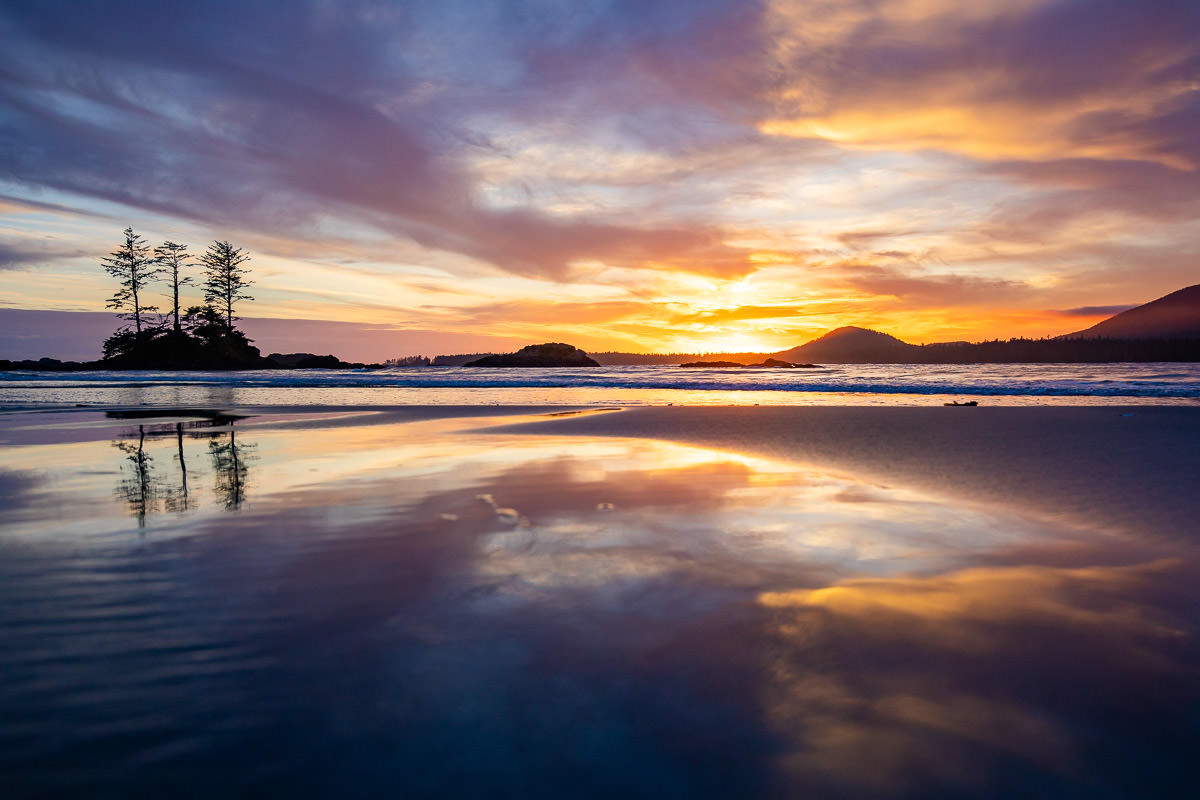
Now Hiring: Contract Graphic Designer!
Ancient Forest Alliance is hiring a contract Graphic Designer to help bring our campaigns to life through print and digital materials.
https://staging.ancientforestalliance.org/wp-content/uploads/2026/05/flores-island-wildside-trail-1200px-430.jpg
800
1200
TJ Watt
https://staging.ancientforestalliance.org/wp-content/uploads/2026/05/Ancient-Forest-Alliance-logo.svg
TJ Watt2026-05-22 12:22:292026-05-22 12:22:29Now Hiring: Contract Graphic Designer!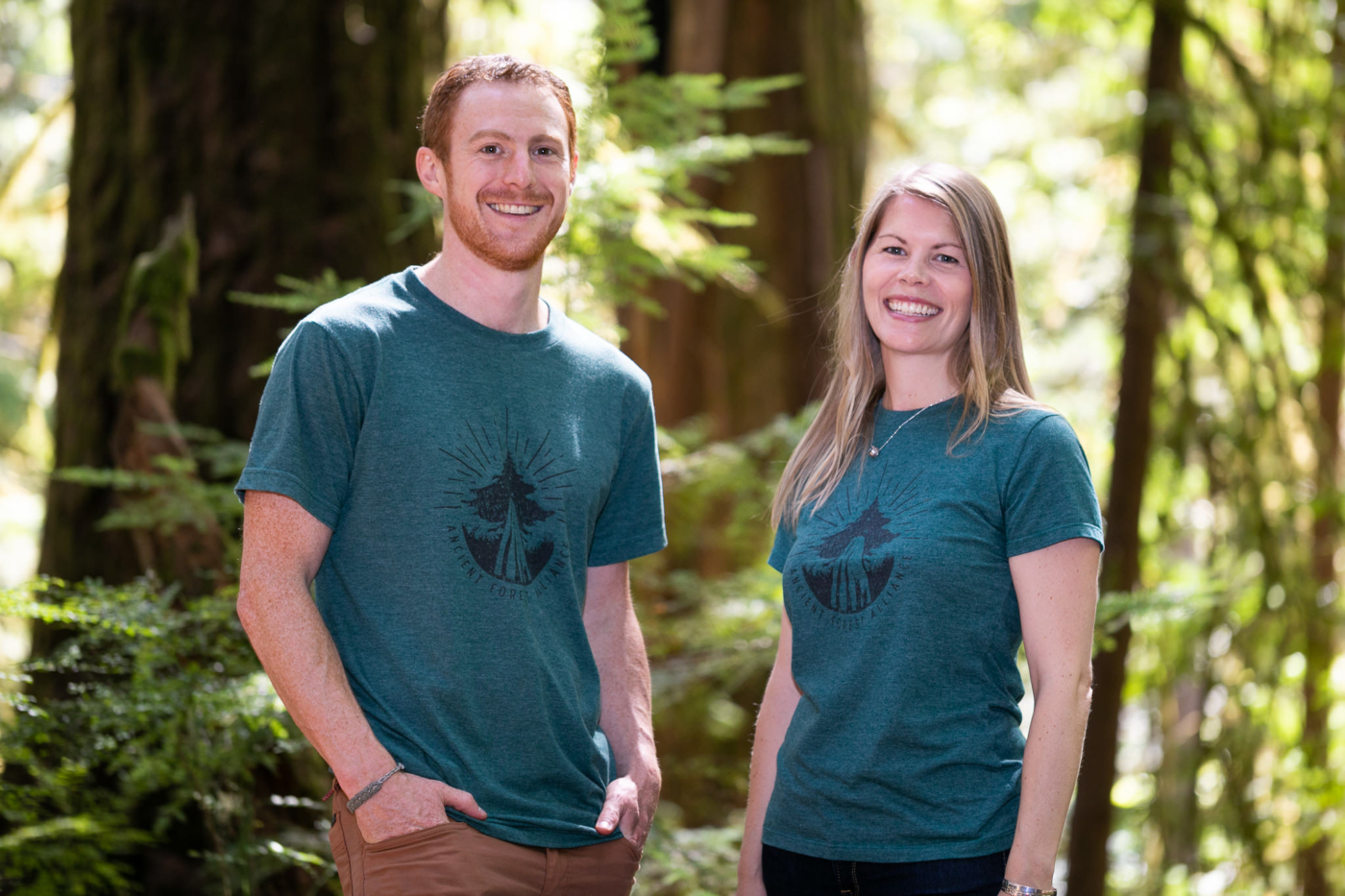
Design AFA’s Next T-Shirt and Help Protect Old-Growth Forests!
Calling all artists! For Earth Month, AFA is launching our first-ever Community T-Shirt Design Contest.
https://staging.ancientforestalliance.org/wp-content/uploads/2026/04/AFA-T-Shirt-Green-Mens-Womens.jpg
1365
2048
TJ Watt
https://staging.ancientforestalliance.org/wp-content/uploads/2026/05/Ancient-Forest-Alliance-logo.svg
TJ Watt2026-05-15 08:13:232026-05-19 09:33:44Design AFA’s Next T-Shirt and Help Protect Old-Growth Forests! Donate
 Send a Message
Vancouver Business contributes to support ancient forests!
/in AnnouncementsThe Ancient Forest Alliance would like to recognize Vancouver-based photographer Karen Cooper for her support for the AFA through sales of her beautiful plaque-mounted photographs of Echo Lake. A huge thanks for Karen for her continued creative support!
Plaques are still available (in sizes 5×7, 8×12 and 12×18) with 15% of proceeds donated to the AFA. To purchase one for yourself or as a gift, please get in touch with Karen through her website (www.karencooperphotography.com) or stop by her gallery on Granville Island (1506 Duranleau St.) to view her amazing artwork!
Thank you! Avatar Boardwalk support from Hemp & Co and Haircrafting!
/in AnnouncementsThank you to Hemp and Company of Victoria (www.hempandcompany.com) for producing their own Avatar Tunic, a 55% hemp/45% organic cotton terry blend tunic style sweatshirt – so comfy that you will feel like your own Avatar – and donating $5 from each sale in the month of July to the Ancient Forest Alliance! They have a limited number of Avatar Tunics remaining and have two locations to visit on 1102 Government Street and 422 Craigflower in Vic West.
The Ancient Forest Alliance is also very grateful to be the beneficiaries of Alexandra Buesse and Haircrafting's monthly ‘Donation Day’. All the proceeds donated from this day are going towards funding the construction of the boardwalk in Avatar Grove! Alexandra, a Certified German Master Hairdresser who specializes in organic and 100% natural hair products, operates Haircrafting-Holistic Hair Products & Services (www.haircrafting.com) in North Vancouver. A big thanks to her for donating her time as well as to all her clients who donated and received a spectacular hairdressing experience along with supporting the preservation of our ancient forests!
Twenty years after clash at Clayoquot Sound, activists see new wave of unrest on the horizon
/in News CoverageTwenty years after a protest led to massive arrests on logging roads in Clayoquot Sound the organizers say a lot has changed – but a lot hasn’t, and they predict a new generation of activists may soon be on the barricades again.
The issue next time could be pipeline development or, once again, logging.
Where or when remains unpredictable, as was the Clayoquot rally. That summer thousands of people flocked to camp out in the Black Hole, just outside Tofino on Vancouver Island, and to stand in ranks across logging roads despite threats of arrest by the RCMP.
Hundreds were dragged away. But the Australian band Midnight Oil rocked through the night and the next day people got up and defied the law again.
The event threw the NDP government into shock – and led to a negotiated compromise. Clear-cut logging, then a practice favoured by industry and government, would be ended and a scientific panel would guide logging in the area.
It was a dramatic victory – but it didn’t end the environmental problems in B.C. Clayoquot Sound is still being logged and a mine is proposed in the area. B.C.’s Interior forests are currently being logged at a rate many say is unsustainable. Old-growth trees, some more than 1,000 years old, are routinely cut down. The Port of Metro Vancouver is pushing for increased coal shipments – and two separate oil pipeline projects are being proposed in B.C., despite widespread public concern.
“People have asked me many times, is there going to be another Clayoquot? Is this the next Clayoquot? Is that the next Clayoquot?” said Valerie Langer, a key organizer of the 1993 protest who was then with Friends of Clayoquot Sound.
“But I don’t think you manufacture things like Clayoquot ’93,” she said. “That was a factor of a broad provincewide tension about forestry, a good place to focus that [concern] – and a group that was ready to fly with it.”
However, all those factors could easily come together again in B.C., said Ms. Langer, who is now with the environmental group, ForestEthics Solutions.
“I do feel that kind of happening with the tar sands/pipeline campaign,” she said, referring to the movement to stop Enbridge Inc. from building its proposed project across B.C.
Ms. Langer said the Clayoquot protest seemed to come out of nowhere, but the mood that drove it had actually been building for years, as the government allowed industry to clear cut the forests of B.C., despite growing public objections.
She senses that same “kind of desperate feeling” simmering in the public now over the prospect of a pipeline snaking across the province to feed a parade of oil tankers plying the waters of the Great Bear Rainforest.
“I don’t think the federal and provincial governments have really cottoned on to that [public unrest] yet,” said Ms. Langer. “But this is something that builds and then there is a moment – and you never know exactly where and exactly when that will be – when it explodes.”
Vicky Husband, who was head of the Sierra Club in B.C. in 1993, said one of the reasons the Clayoquot protest got so big so fast was because people could easily drive to the area to see for themselves what environmentalists were complaining about.
The highway from Port Alberni to Tofino cut right through an active logging area, including the Black Hole, where the old-growth forest had been stripped, and then the landscape burned.
“Clayoquot Sound and Tofino were at the end of the only paved road to the open Pacific. And that’s critical. People could get there. They could see the horror show of what was going on with the logging,” she said.
Ms. Husband said she’s alarmed at the level of logging now taking place in B.C., and at government plans to privatize public forest lands. She’s horrified by the prospect of oil pipelines crossing B.C.
Do you think, she was asked, that we need another big environmental protest in B.C?
“Yes, I do,” she said, “because I don’t think we have a government that understands.”
Read more: https://www.theglobeandmail.com/news/national/mass-arrests-during-war-in-the-woods-20-years-ago-prompted-lasting-change/article13703844/