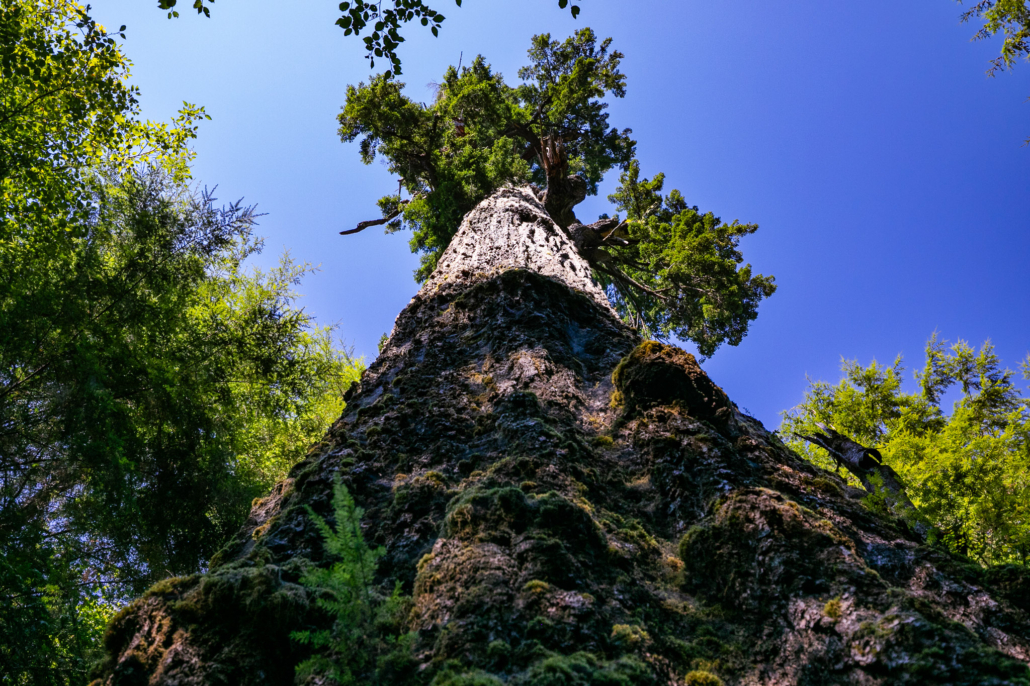
UPDATED: Port Renfrew Big Trees Map
Explore the updated Port Renfrew Big Trees Map with new directions, trails, and routes to iconic giants like Big Lonely Doug, Eden Grove, and more.
https://staging.ancientforestalliance.org/wp-content/uploads/2025/05/13-Red-Creek-Fir.jpg
1365
2048
TJ Watt
https://staging.ancientforestalliance.org/wp-content/uploads/2026/05/Ancient-Forest-Alliance-logo.svg
TJ Watt2026-05-29 15:39:342026-05-29 15:40:49UPDATED: Port Renfrew Big Trees Map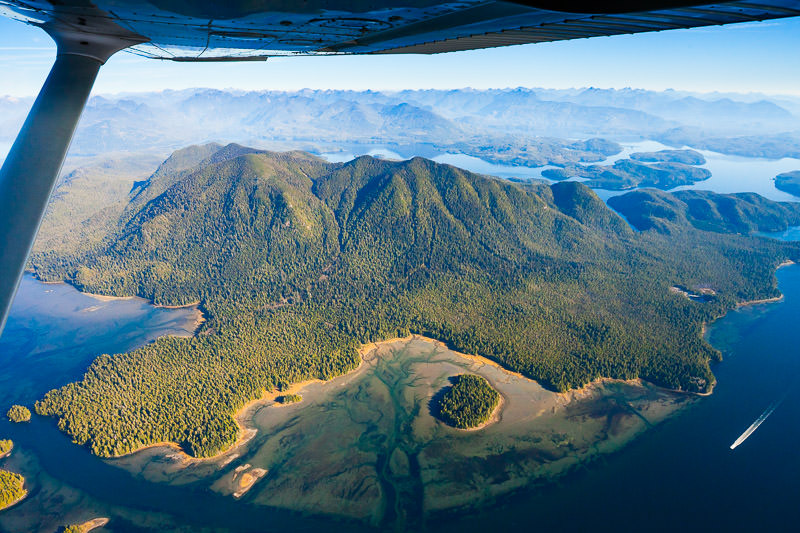
NEW! West Coast Old-Growth Hiking Guide
Explore AFA’s NEW West Coast old-growth hiking guide. From Clayoquot Sound to Port Alberni, there are trails for every skill level!
https://staging.ancientforestalliance.org/wp-content/uploads/2026/05/meares-island-big-tree-trail-tofino-1200px-338.jpg
533
800
TJ Watt
https://staging.ancientforestalliance.org/wp-content/uploads/2026/05/Ancient-Forest-Alliance-logo.svg
TJ Watt2026-05-29 12:06:002026-05-29 15:42:38NEW! West Coast Old-Growth Hiking Guide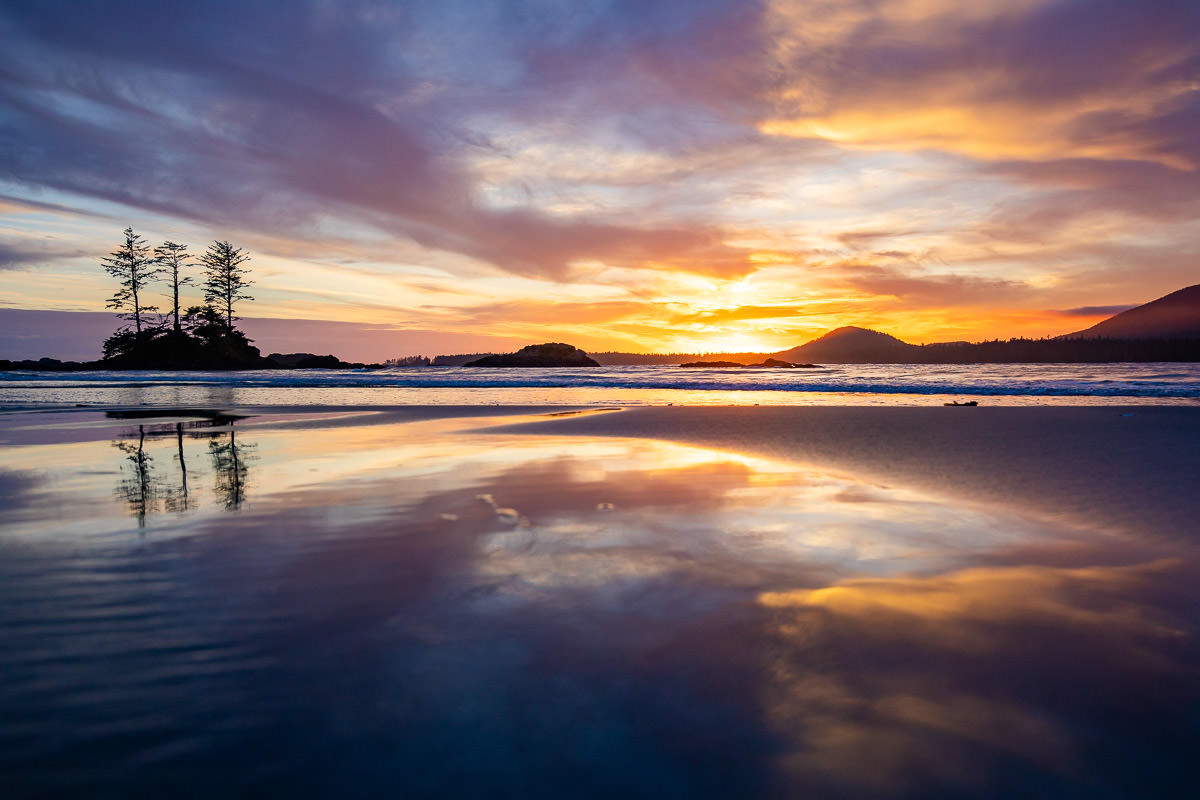
Now Hiring: Contract Graphic Designer!
Ancient Forest Alliance is hiring a contract Graphic Designer to help bring our campaigns to life through print and digital materials.
https://staging.ancientforestalliance.org/wp-content/uploads/2026/05/flores-island-wildside-trail-1200px-430.jpg
800
1200
TJ Watt
https://staging.ancientforestalliance.org/wp-content/uploads/2026/05/Ancient-Forest-Alliance-logo.svg
TJ Watt2026-05-22 12:22:292026-05-22 12:22:29Now Hiring: Contract Graphic Designer!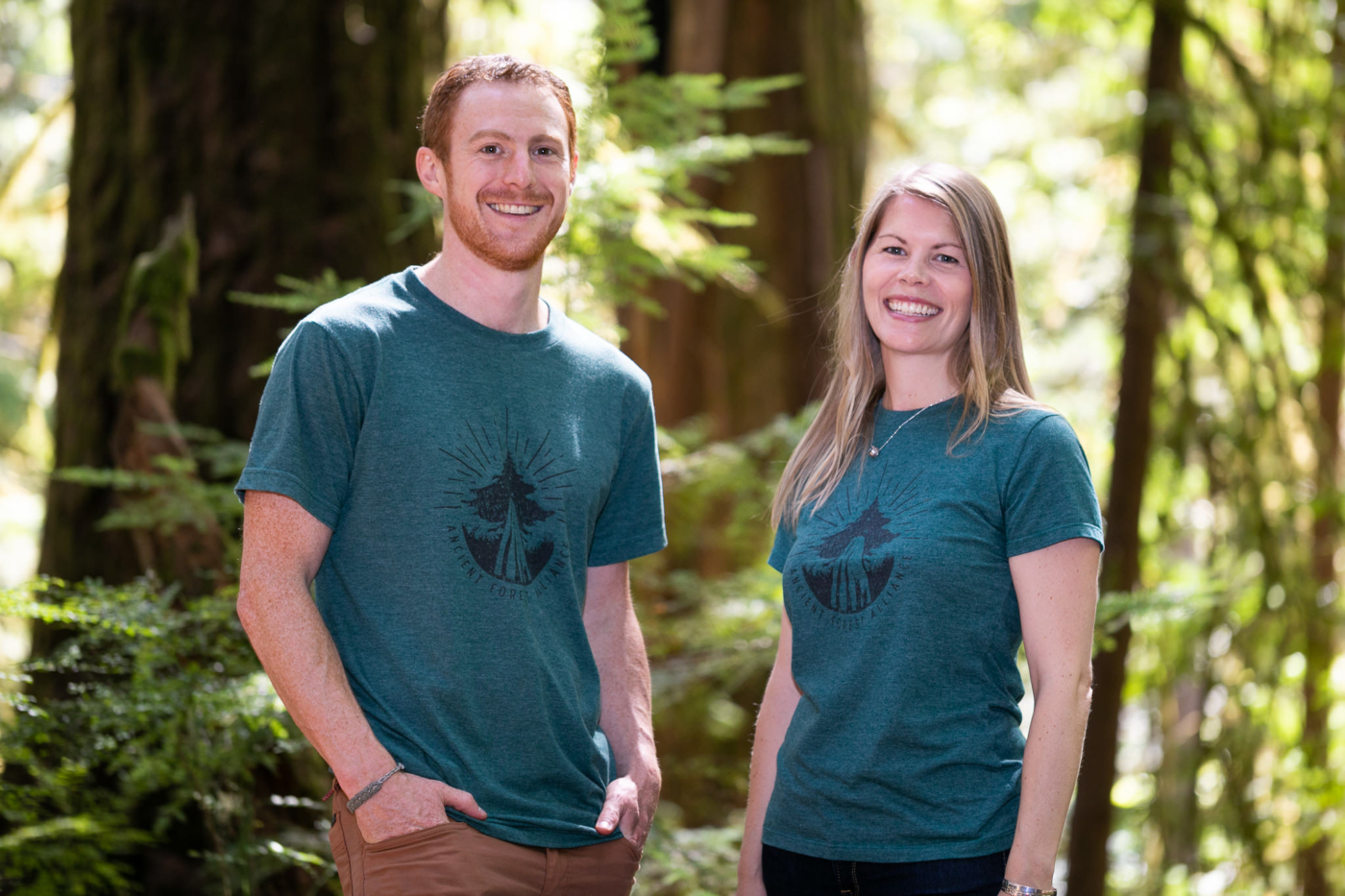
Design AFA’s Next T-Shirt and Help Protect Old-Growth Forests!
Calling all artists! For Earth Month, AFA is launching our first-ever Community T-Shirt Design Contest.
https://staging.ancientforestalliance.org/wp-content/uploads/2026/04/AFA-T-Shirt-Green-Mens-Womens.jpg
1365
2048
TJ Watt
https://staging.ancientforestalliance.org/wp-content/uploads/2026/05/Ancient-Forest-Alliance-logo.svg
TJ Watt2026-05-15 08:13:232026-05-19 09:33:44Design AFA’s Next T-Shirt and Help Protect Old-Growth Forests! Donate
 Send a Message
Update: Canada Post Strike
/in Announcements? An important update regarding the Canada Post strike as of Friday, November 15th!
Due to the strike, we cannot ship any merchandise orders through Canada Post. If you are in Victoria, in-person pick-up is available at our office at #205 – 620 View Street between 10am and 4pm, Monday through Thursday. No appointment is necessary. Alternatively, FedEx is offered as our next cost-effective shipping option if you wish to receive your orders on time.
If neither of the above shipping options works for you and you would still like to support our work this holiday season with gift giving, please consider donating toward one of our Adopt-a-Tree or Adopt-a-Grove e-certificates that can be emailed directly to your family or friends.
Otherwise, you can donate here to help protect the at-risk old-growth forests of British Columbia!
Ancient Forest Alliance is a registered charity supported by donations from our community and through our merchandise sales, with all proceeds supporting our ever-important work protecting endangered old-growth forests in BC.
We appreciate your support, and thank you for standing with us!
—The Ancient Forest Alliance team
A Farewell Note from AFA’s Ian Thomas
/in AnnouncementsI am profoundly grateful for my years as a Research and Engagement Officer at Ancient Forest Alliance (AFA) both for the opportunity to help protect magnificent old-growth forests in BC and for the incredible group of people I’ve had the privilege of working with along the way. The AFA team comprises the most dedicated and passionate people, and I’m extremely proud to have been part of this amazing group.
Through my time at AFA, I’ve been privileged to explore some of the most beautiful ancient forests left on Earth and spent countless hours with some of the world’s oldest and largest living things. I came to this organization as a biologist with a deep love and concern for the wildlife and ecosystems of BC; AFA has provided me with the chance to give something back to the wild places that mean so much to me.
The human element has been no less amazing! The team at AFA is at once so heartfelt and passionate while also the most clear-eyed and pragmatic I’ve ever worked with. I’ve learned so much about change and advocacy from their strategy of carefully parsing policy and ecology to identify the exact barriers and gaps to conservation and finding the pathways through which change is possible. AFA’s dedication to community outreach and bringing people from all walks of life together to preserve these forests is unmatched. I will miss the warmth and camaraderie of the office and every staff member.
Though this work has forced me to witness the shocking devastation of these ancient, irreplaceable ecosystems, I’ve been deeply inspired and uplifted by the AFA team and the thousands of supporters helping us make historic progress for old-growth forests. This is the kind of work that humbles you and brings you close to what really matters: working with people and communities from all backgrounds and walks of life to foster a healthy living world for all the creatures that depend on it.
When I look at the scale of transformation in just the last few years – the hundreds of millions of dollars mobilized for conservation in BC and major protected areas being established or getting underway – it still stuns me how just a handful of dedicated folks in a small office in Victoria could play such a pivotal role in making our world a better place.
It is impossible to leave such an organization unchanged. I am moving on from AFA with a deep sense of hope, both for these old-growth forests that we have been at the forefront of protecting but also because I’ve seen firsthand the extraordinary power we can mobilize to safeguard native ecosystems while supporting sustainable, thriving communities.
I’m keeping a tight grip on my AFA alumnus card. Though my official role with AFA has (for the present) come to a close, I’m looking forward to supporting their work and mission in whatever ways I can and celebrating the many victories to come.
For the forests,
Ian Thomas
Ian at the base of the San Joseph Spruce, Canada’s largest spruce tree.
The Narwhal: BC election results: no clear winner. What could that mean for nature and climate?
/in News CoverageOct. 20, 2024
The Narwhal
By Shannon Waters
Original article here.
Results show the BC NDP and the BC Conservatives in a neck-and-neck battle. With some ridings too close to call, British Columbia may be looking at another minority government
After a nail-biting preliminary vote count that saw a tense tug-of-war between the BC NDP and BC Conservatives, there is still no definitive winner in British Columbia’s 2024 election. With a few ridings too close to call, the make-up of the next BC government is in limbo — and the BC Greens could once again end up holding the balance of power.
As of Sunday, David Eby’s NDP had won or were leading in 46 seats while the BC Conservatives, led by John Rustad, had 45, electing MLAs for the first time in almost 50 years. It’s a far cry from 2020, when the Conservatives ran 19 candidates, didn’t elect a single MLA and won less than two per cent of the provincial vote. The final BC election results won’t be known for about a week.
In his election night speech, Rustad reflected on his party’s historic result, telling the crowd, “we have now elected already the largest number of Conservatives in BC’s history.”
“If we’re in that situation of the NDP forming a minority government, we will look at every single opportunity from day one to bring them down at the very first opportunity and get back to the polls,” Rustad said.
While Rustad did not offer an olive branch to the majority of British Columbians who did not cast a ballot for his party, Eby emphasized the need to find common ground.
“We disagree on many things, John Rustad and I, there’s no question, but I will absolutely acknowledge that he spoke to the frustrations of a lot of British Columbians — frustrations about the cost of daily life, frustrations about crime and public safety — and we can agree on these things.”
Eby also said his party is committed to working with the BC Green caucus and that “our whole province deserves a premier that’s going to bring us together, not drive us apart.”
The BC Greens won two seats, the same number they held in the last government, but party leader Sonia Furstenau lost to incumbent NDP MLA Grace Lore in Victoria-Beacon Hill.
“It’s not the outcome that we hoped for in Victoria-Beacon Hill,” a visibly disappointed Furstenau told supporters. “It does appear that the Greens are still going to play a pivotal role in the BC legislature. It’s a strange time in politics when during an atmospheric river people come out and vote for a party that’s denying the reality of climate change. But hey, this is where we’re at.”
Despite the loss of their leader from the legislature, it could be déjà-vu for the Greens, who in 2017 brokered an agreement with the BC NDP to allow the NDP, which didn’t garner enough votes for a majority, to govern.
The two Greens who were elected, neophyte MLAs Jeremy Valeriote in West Vancouver-Sea to Sky and Rob Botterell in Saanich North and the Islands, may have to decide if they are going to support the BC NDP or the BC Conservatives, allowing one of the two parties to form government. Furstenau, who told supporters she plans to advise the new Green caucus, could play a key role in brokering such an agreement.
Regardless of how many seats the BC Conservatives end up with once the results are finalized, the outcome represents a stunning win for the upstart party, which will have a far more visible role for the next four years.
The BC Conservatives campaigned on a promise to restore “common sense” in BC and set a new course for the province, primarily by eliminating or changing policies implemented by the BC NDP government during its seven years in office. While gradually rolling out his party’s election platform, Rustad was frequently asked to respond to controversial and offensive statements made by his candidates — from racist, misogynistic and homophobic comments on social media to support for conspiracy theories and climate skepticism. (Rustad himself was booted out of the BC Liberal caucus in 2022 for questioning climate change science.)
Eby and his party spent much of the election campaign criticizing the BC Conservatives and casting doubt on their fitness for office, while campaigning primarily on housing, affordability and healthcare issues. Pressing environmental issues — including the logging of old-growth forests, the expansion of the province’s new LNG export sector and meeting a commitment to protect 30 per cent of the province by 2030 — took a distant backseat.
The three parties spent weeks presenting their visions for BC — visions that often offered competing views of what the province needs and where the government’s priorities should lie.
The difference between the BC NDP and the BC Conservatives is especially stark on climate action, protected areas and old-growth logging issues, although the parties’ platform promises are surprisingly similar on other issues like LNG development. The BC Greens, on the other hand, pledged to end new approvals for LNG projects, phase out fracking and “commission a comprehensive and independent health impact assessment to evaluate the health effects of LNG and fracking activities in BC.”
So what lies ahead for climate action and nature in BC? Will the province stay the course — or can we expect radical changes? Is it full-steam ahead for LNG? What will happen to old-growth forests, protected areas and at-risk species?
Read on for a breakdown of the key contrasts and similarities between the two parties in a neck and neck race to form BC’s next government — and what the Greens have to say as well.
Rustad says a Conservative government will repeal the Declaration on the Rights of Indigenous Peoples
Despite voting for the Declaration on the Rights of Indigenous Peoples Act when he was a BC Liberal MLA, Rustad has promised to repeal the legislation. The Conservative platform promised to replace it with a new law to advance “economic reconciliation and Indigenous autonomy” and claimed the NDP’s implementation of the act “has stalled Indigenous-led development in industries like mining, forestry, natural gas and other sectors.”
On the campaign trail, Rustad frequently referenced his experience as Aboriginal relations minister with the BC Liberal government and the hundreds of agreements the province secured with First Nations during those years.
The Tŝilhqot’in National Government and the First Nations Leadership Council denounced the Conservative position in public statements.
Two days before voting day, the leadership of five Dakelh Nations, whose territory covers four provincial ridings — including Rustad’s Nechako Lakes seat — released a statement urging members to vote for candidates who “understand the important roles and responsibilities First Nations people and our governments have in north-central BC.”
“We do not have confidence in the leader of the BC Conservative Party, who focuses on all the wrong things,” the leaders wrote, warning that under a BC Conservative government, “First Nations human rights will be challenged and violated.”
Eby and the NDP also criticized the Conservative pledge to repeal the declaration while promising to stay the course on commitments to Indigenous Rights, also pledging to work with First Nations on conservation goals and economic development.
During a televised leaders’ debate in early October, Eby said he would not re-introduce proposed changes to the Land Act. The changes were intended to better align the Land Act with the Declaration on the Rights of Indigenous Peoples by creating a pathway for the province to make joint decisions with First Nations about public land use.
Rustad described the potential changes as “an assault on your private property rights and our shared rights to use Crown land,” drawing condemnation from former Green Party MLA Adam Olsen and First Nations leaders.
In February, Nathan Cullen, the minister responsible for developing the proposed changes, announced the plan was being shelved, pending further consultation. (Cullen lost his Bulkley Valley-Stikine riding to the Conservatives.)
Following the furor, the NDP government took a more circumspect approach to reconciliation efforts in the natural resource and conservation spheres.
In June, the province announced a massive new protected area in Clayoquot Sound, covering 1,639 square kilometres, to be managed by the Ahousaht and Tla-o-qui-aht First Nations. The announcement came with little fanfare — just a news release and scant acknowledgement from the NDP caucus.
The former NDP government frustrated Gitanyow Hereditary Chiefs by backtracking on plans to temporarily pause new mineral claims in the Medizian watershed in northern BC, partly due to concerns about Indigenous Rights becoming a flashpoint ahead of the election.
“I have no interest in Rights and Title and reconciliation just being a political football in the midst of a provincial campaign like they were 20 years ago,” Cullen said on a June call between BC ministers and Gitanyow representatives. The recording was reviewed by The Narwhal and quoted in a press release from the Gitanyow Hereditary Chiefs.
The BC NDP committed to protecting 30 per cent of BC’s land base by 2030; Rustad called the effort ‘nonsense’
The BC NDP remains committed to achieving the global 30-by-30 conservation target, but has yet to make much progress on the pledge. The BC Conservatives plan to abandon the province’s commitment to protecting 30 per cent of BC’s land by 2030. In an interview with The Narwhal in May, Rustad called the commitment “nonsense.”
At the United Nations biodiversity conference in December 2022, Canada and 195 other countries committed to conserve at least 30 per cent of land and water globally by 2030 as part of international efforts to reverse the unprecedented decline of biodiversity.
In 2022, Eby tasked Cullen, in his former role as minister of water, land and resource stewardship, with working to achieve the 30-by-30 goal. As of the end of last year, the government claimed 19.7 per cent of BC is protected — although limited development and industrial activity is allowed in some areas, and critics say some areas in the tally fail to meet biodiversity goals.
BC Conservatives have promised a stand-alone law to protect at-risk species, something the NDP once promised but never delivered
The BC Conservatives platform said the NDP government had underfunded and mismanaged wildlife in the province, leading to declines in “iconic ungulate species.” The BC Conservatives promised to introduce “made-in-BC species at risk legislation so wildlife protections are shaped by BC-based experts — not Ottawa — and are reflective of our unique ecosystems.”
In its 2017 campaign platform, the BC NDP also committed to bring in a provincial law governing endangered species. But it quietly reneged on that promise after coming to power.
The party’s platform this time around made no mention of legislation to protect at-risk species — something both the BC Greens and BC Conservatives promised to introduce. Instead, the NDP committed to working with First Nations and other partners on a “made-in-BC strategy” to protect biodiversity and watersheds.
There are 1,952 species and ecosystems officially at some risk of extinction in the province, according to the BC government’s conservation data centre — and advocates say the province’s lack of stand-alone legislation to protect species at risk of extinction remains a glaring gap.
Late last year, the NDP government released a draft biodiversity and ecosystem health framework. It said the framework would set the direction “for a more holistic approach to stewarding our land and water resources” and eventually lead to legislation to protect biodiversity.
The party initially aimed to finalize the strategy by the spring, but it was still in limbo when the election campaign kicked off in September.
Both support LNG development — but BC Conservatives have pledged to go all in
Over the past seven years, the BC NDP government has championed the development of a liquid natural gas (LNG) export industry in BC. The party claimed stringent emission standards would allow the province to reap economic benefits while still meeting its carbon emission reduction targets — a goal critics say is impossible to achieve.
Like the BC Conservatives, the NDP maintains natural gas will displace more carbon-intensive coal-fired electricity in countries on the other side of the Pacific Ocean. But the claim LNG is a crucial transition fuel for the world is widely disputed by critics, who point out that countries like China are outpacing most nations in developing renewable energy projects despite their reliance on coal. The benefits of LNG are also disputed in a new peer-reviewed study, which found exported gas has a larger carbon footprint than coal.
Under Eby’s leadership, the government approved Cedar LNG — a Haisla Nation-led liquefaction and export facility that will receive gas from the Coastal GasLink pipeline owned by TC Energy. In Squamish, BC, Woodfibre LNG, a project majority owned by Indonesian billionaire Sukanto Tanoto’s Pacific Energy Corporation, is now under construction. Combined, the two facilities will produce about five million tonnes per year.
Four other LNG projects are undergoing environmental assessments, including the Ksi Lisims LNG project. If approved, they could produce another 30 million tonnes of LNG per year.
The Prince Rupert Gas Transmission pipeline — in the preliminary stages of construction — would ship mostly fracked gas from northeast BC to Ksi Lisims. Whichever party forms government will soon have to decide if the pipeline, the subject of a blockade, will require a new environmental assessment.
The BC Conservatives promised to double the province’s liquefied natural gas (LNG) production by approving proposed LNG projects while the NDP’s election platform only mentioned LNG once, saying some of the revenue raised from fossil fuel projects will be directed into a “clean economy transition fund” to help “attract even more global investment in renewable fuels, clean tech, manufacturing and critical mineral mines.”
Asked twice during a recent press conference whether his party would approve more LNG projects if re-elected, Eby avoided a direct answer.
“LNG or any other project, it needs to fit within our commitments around carbon pollution and for our energy action framework that means a realistic plan to be net zero by 2030, lifting up communities and creating opportunities for British Columbians,” Eby said in response to a question from The Narwhal.
Both parties have promised to eliminate the consumer carbon tax — but the BC NDP included a caveat
A key plank of the BC Conservative platform was to eliminate “any and all” carbon taxes for both consumers and industry. Rustad has called carbon pricing “an economic disaster and an environmental failure” that “drives up costs on everything from groceries to gas, hitting families and businesses hard while doing absolutely nothing to lower emissions.”
Getting rid of the provincial carbon tax means BC will be subject to the federal carbon pricing regime — but the consequences for the province are unclear. After Saskatchewan Premier Scott Moe announced his province would no longer collect the federal carbon tax on natural gas, Prime Minister Justin Trudeau said the Canada Revenue Agency would assess ways to collect the withheld funding from the province. (An impending federal election could also shift the fate of the federal carbon pricing program.)
The BC Conservatives estimated eliminating the carbon tax would cost the government $3 billion in lost revenue.
Most of BC’s carbon tax revenue is returned to residents through the provincial climate action tax credit, which is income-tested. The Finance Ministry estimated 65 per cent of BC households will receive the quarterly credit this year, while 80 per cent are expected to get the credit by 2030.
The BC NDP flip-flopped on BC’s consumer carbon tax last month when Eby — who publicly supported the tax earlier this year — told reporters his government would “end the consumer carbon tax in British Columbia.”
But the promise came with a caveat. Eby said an NDP government would eliminate the tax if the federal government removes a carbon pricing requirement. Federal Conservative Party Leader Pierre Poilievre has promised to “axe the tax” if his party forms government after the next federal election — a position now supported by the federal NDP.
Unlike the Conservatives, the BC NDP isn’t talking about removing the carbon tax for industry. “We will ensure that the big polluters pay a carbon price in our province to make sure that we’re taking action on climate change,” Eby said in September.
What happens next with BC election results?
Recounts will automatically take place in ridings where the top two candidates are separated by 100 votes or fewer. This year, automatic recounts will take place in Juan de Fuca-Malahat and Surrey City Centre.
The final count — which includes mail-in ballots received after advance voting closed, along with some absentee ballots — will take place on Oct. 26. Typically, the final count includes about two per cent of ballots in any election.
Even if the final result shifts the seat count in favour of the BC Conservatives, Eby will likely get a chance to try to retain the confidence of the house and his party’s position in government — something former BC Liberal premier Christy Clark tried and failed to do in 2017.
In order to win that confidence vote, the NDP may try to secure support from the two-person BC Green caucus, either through a formal confidence and supply agreement, as in 2017, or in an informal arrangement.
If the NDP and Greens align to shut the Conservatives out, the party may be unable to form government. But if the confidence vote goes against the NDP, the Conservatives could have the opportunity to form government.