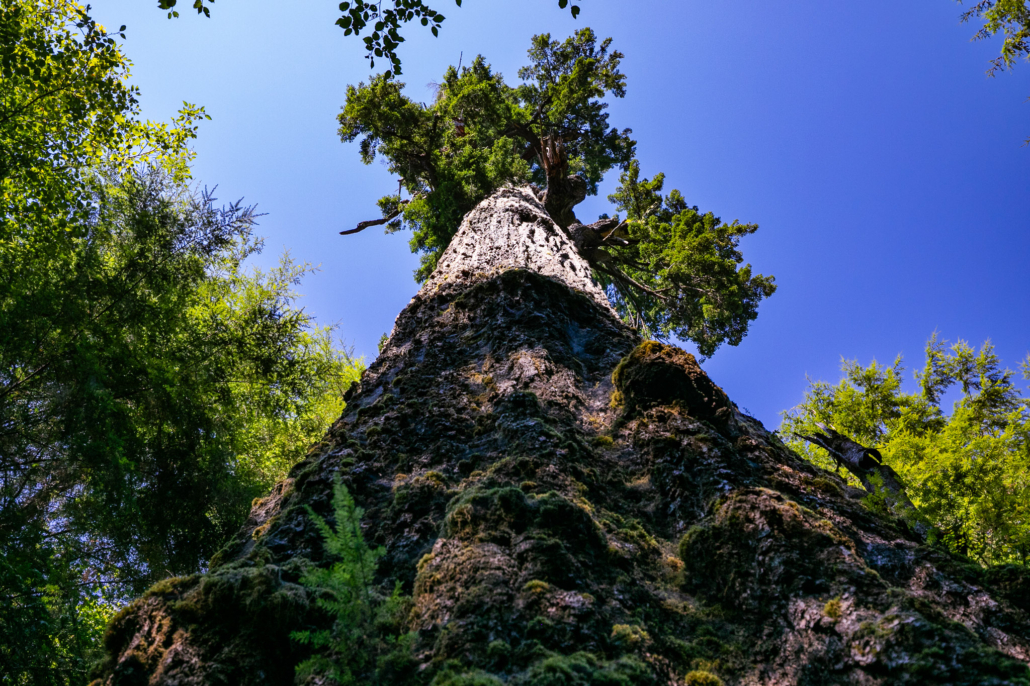
UPDATED: Port Renfrew Big Trees Map
Explore the updated Port Renfrew Big Trees Map with new directions, trails, and routes to iconic giants like Big Lonely Doug, Eden Grove, and more.
https://staging.ancientforestalliance.org/wp-content/uploads/2025/05/13-Red-Creek-Fir.jpg
1365
2048
TJ Watt
https://staging.ancientforestalliance.org/wp-content/uploads/2026/05/Ancient-Forest-Alliance-logo.svg
TJ Watt2026-05-29 15:39:342026-05-29 15:40:49UPDATED: Port Renfrew Big Trees Map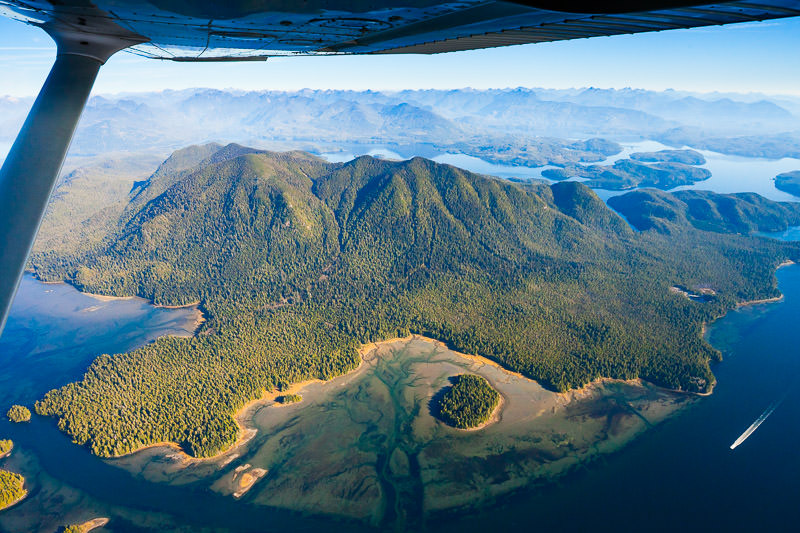
NEW! West Coast Old-Growth Hiking Guide
Explore AFA’s NEW West Coast old-growth hiking guide. From Clayoquot Sound to Port Alberni, there are trails for every skill level!
https://staging.ancientforestalliance.org/wp-content/uploads/2026/05/meares-island-big-tree-trail-tofino-1200px-338.jpg
533
800
TJ Watt
https://staging.ancientforestalliance.org/wp-content/uploads/2026/05/Ancient-Forest-Alliance-logo.svg
TJ Watt2026-05-29 12:06:002026-05-29 15:42:38NEW! West Coast Old-Growth Hiking Guide
Now Hiring: Contract Graphic Designer!
Ancient Forest Alliance is hiring a contract Graphic Designer to help bring our campaigns to life through print and digital materials.
https://staging.ancientforestalliance.org/wp-content/uploads/2026/05/flores-island-wildside-trail-1200px-430.jpg
800
1200
TJ Watt
https://staging.ancientforestalliance.org/wp-content/uploads/2026/05/Ancient-Forest-Alliance-logo.svg
TJ Watt2026-05-22 12:22:292026-05-22 12:22:29Now Hiring: Contract Graphic Designer!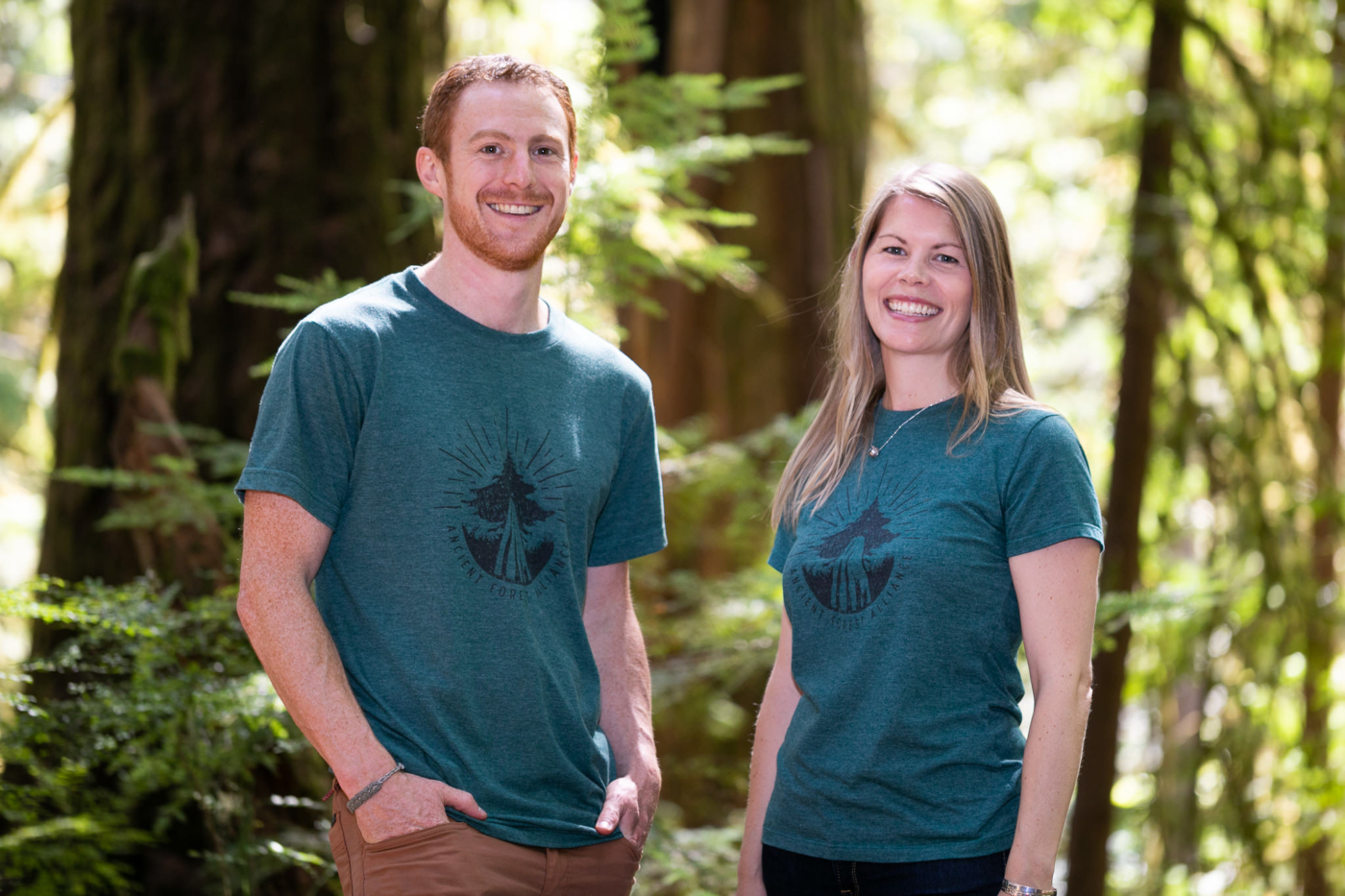
Design AFA’s Next T-Shirt and Help Protect Old-Growth Forests!
Calling all artists! For Earth Month, AFA is launching our first-ever Community T-Shirt Design Contest.
https://staging.ancientforestalliance.org/wp-content/uploads/2026/04/AFA-T-Shirt-Green-Mens-Womens.jpg
1365
2048
TJ Watt
https://staging.ancientforestalliance.org/wp-content/uploads/2026/05/Ancient-Forest-Alliance-logo.svg
TJ Watt2026-05-15 08:13:232026-05-19 09:33:44Design AFA’s Next T-Shirt and Help Protect Old-Growth Forests! Donate
 Send a Message
Avatar Grove Hike and Boardwalk Fundraiser Sunday Oct. 20th
/in AnnouncementsJoin Ancient Forest Alliance organizers Ken Wu and TJ Watt on Sunday, Oct. 20th for a fantastic forest hike to learn about old-growth forest ecology, see the progress of the boardwalk so far, and find out how you can help support the completion of this important project!
DETAILS:
If you are planning on taking part, PLEASE carefully read all the info below!
• TIME & PLACE: Meet Sunday, Oct 20th at 1:30 pm in Port Renfrew at the Coastal Kitchen Cafe after which time we’ll drive in a convoy to the Avatar Grove. We will hike from 2:30-4:30pm
*NOTE – When you arrive, please park alongside the road opposite the cafe so we leave room in the main parking lot for regular customers. Thank you!
• BY DONATION: Suggested sliding scale $20 to $200 per adult
• MAP: Printable Tall Tree Tour map of Port Renfrew
Funds from this hike will go towards expanding the boardwalk project in the Avatar Grove! Construction has already begun but more work is still needed in many areas! A boardwalk is essential to help protect the forests’ ecological integrity and enhance visitor safety and access. For $100 you can sponsor a 1 metre section of the trail.
See pictures of the boardwalk work completed so far.
What can you expect from the trip?
– To see some of the largest and strangest looking trees in BC, including “Canada’s Gnarliest Tree”!
– To learn about the wildlife, ecology, and politics of old-growth forests in BC and what you can do to protect them.
– To meet great new people and have an AWESOME TIME!
THINGS TO KNOW:
* Only those with moderate hiking abilities and who are comfortable on semi-rugged terrain, with a firm sense of balance, can attend this hike.
* All participants will be required to sign a waiver form.
* Participants must bring their own water, rain gear, hiking boots and wonderful attitude!
* Dogs must remain on a leash at all times – they can disturb wildlife including bears, elk, deer, cougars, wolves, raccoons, mink, and Sasquatch in the area.
* Be sure to support the local community by spending your dollars in Port Renfrew and Sooke!
* Be sure to fuel up in Sooke. Gas is only available at the Port Renfrew Marina from 9-5pm.
* This event is a fundraiser for the Ancient Forest Alliance, which is in need of funding to complete the Avatar Grove boardwalk and to continue its vital campaigns to protect BC’s ancient forests and forestry jobs.
Avatar Grove Volunteer Weekend October 19-20th, 2013
/in AnnouncementsThe Ancient Forest Alliance is looking for dedicated, considerate, and capable volunteers to help construct the Avatar Grove boardwalk the weekend of October 19-20th in Port Renfrew, British Columbia.
Volunteers must be able to follow instructions accurately, be in good physical condition to do the work, and act safely, responsibly and respectfully without exception. Activities may include carrying heavy boardwalk planks, bucketing gravel, using hand tools, digging soil, moving rocks, etc.
It is cold at night in Port Renfrew at this time of year so anyone planning to come for both days and camp overnight must come prepared with a warm enough sleeping bag, blanket, dry layers of clothes, a thermarest or insulated foamy, and general proper camping gear for fall weather.
Please send an email with your availability, any related experience and physical limitations we should be aware of, and contact information to Avatar Boardwalk coordinator TJ Watt at: info@ancientforestalliance.org.
Ancient Forest Slideshow this Thursday at SFU!
/in AnnouncementsJoin the Ancient Forest Alliance's Hannah Carpendale for a slideshow presentation on the ecology and politics of BC's old-growth forests. Learn about key areas in need of protection, and find out how YOU can get involved in the campaign to save BC's endangered ancient forests!
When: Thursday, October 10th, 2013
Time: 1:30pm-2:30pm
Where: lounge at SFPIRG (Simon Fraser Public Interest Research Group)–TC 326 at SFU, Burnaby Campus
Hosted by the SFU Ancient Forest Committee.