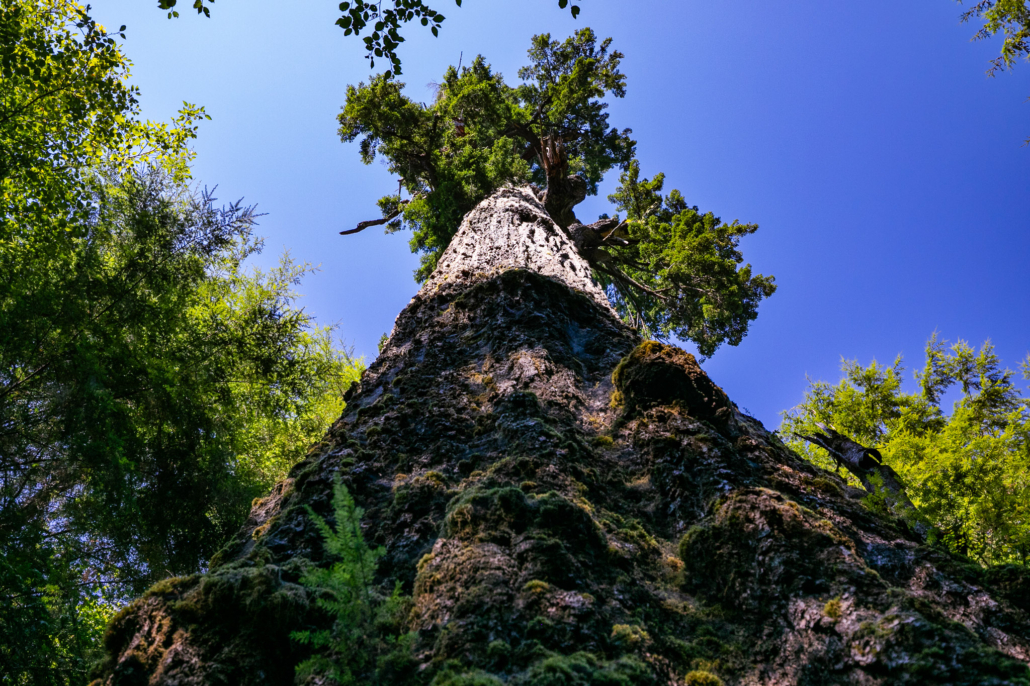
UPDATED: Port Renfrew Big Trees Map
Explore the updated Port Renfrew Big Trees Map with new directions, trails, and routes to iconic giants like Big Lonely Doug, Eden Grove, and more.
https://staging.ancientforestalliance.org/wp-content/uploads/2025/05/13-Red-Creek-Fir.jpg
1365
2048
TJ Watt
https://staging.ancientforestalliance.org/wp-content/uploads/2026/05/Ancient-Forest-Alliance-logo.svg
TJ Watt2026-05-29 15:39:342026-05-29 15:40:49UPDATED: Port Renfrew Big Trees Map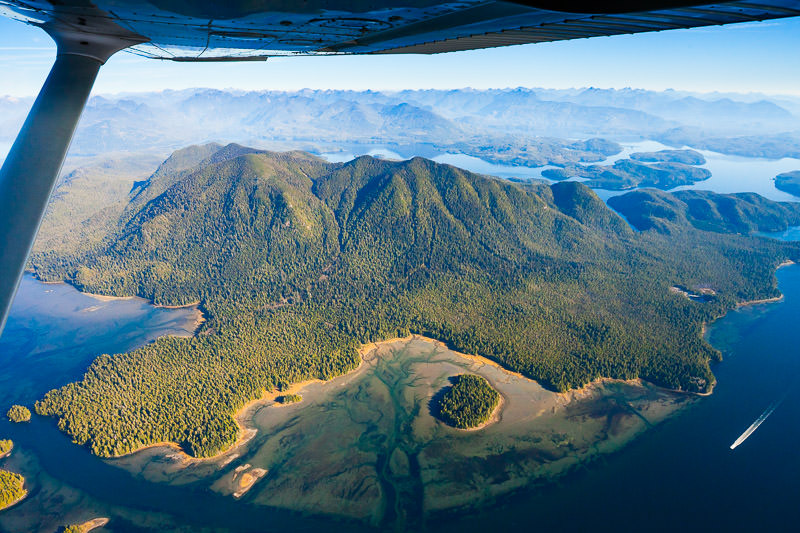
NEW! West Coast Old-Growth Hiking Guide
Explore AFA’s NEW West Coast old-growth hiking guide. From Clayoquot Sound to Port Alberni, there are trails for every skill level!
https://staging.ancientforestalliance.org/wp-content/uploads/2026/05/meares-island-big-tree-trail-tofino-1200px-338.jpg
533
800
TJ Watt
https://staging.ancientforestalliance.org/wp-content/uploads/2026/05/Ancient-Forest-Alliance-logo.svg
TJ Watt2026-05-29 12:06:002026-05-29 15:42:38NEW! West Coast Old-Growth Hiking Guide
Now Hiring: Contract Graphic Designer!
Ancient Forest Alliance is hiring a contract Graphic Designer to help bring our campaigns to life through print and digital materials.
https://staging.ancientforestalliance.org/wp-content/uploads/2026/05/flores-island-wildside-trail-1200px-430.jpg
800
1200
TJ Watt
https://staging.ancientforestalliance.org/wp-content/uploads/2026/05/Ancient-Forest-Alliance-logo.svg
TJ Watt2026-05-22 12:22:292026-05-22 12:22:29Now Hiring: Contract Graphic Designer!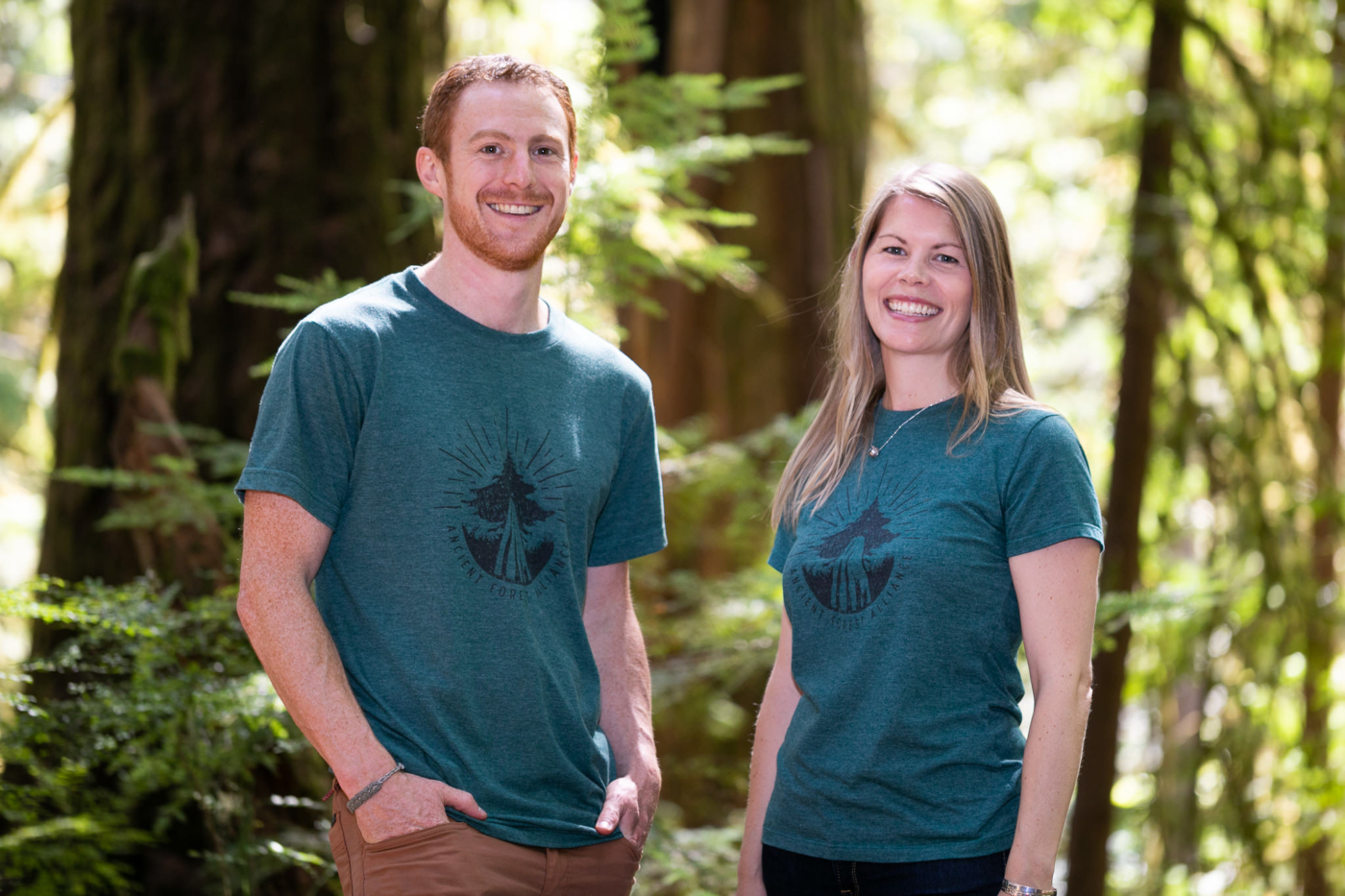
Design AFA’s Next T-Shirt and Help Protect Old-Growth Forests!
Calling all artists! For Earth Month, AFA is launching our first-ever Community T-Shirt Design Contest.
https://staging.ancientforestalliance.org/wp-content/uploads/2026/04/AFA-T-Shirt-Green-Mens-Womens.jpg
1365
2048
TJ Watt
https://staging.ancientforestalliance.org/wp-content/uploads/2026/05/Ancient-Forest-Alliance-logo.svg
TJ Watt2026-05-15 08:13:232026-05-19 09:33:44Design AFA’s Next T-Shirt and Help Protect Old-Growth Forests! Donate
 Send a Message

Logging Around Cathedral Grove Highlights Need For Forestry Engagement
/in News CoverageVictoria, BC: Recent forestry conflicts highlight need for proactive and inclusive approach to decision making.
The growing opposition to Island Timberlands’ plans to log a forest stand only 300 meters from Cathedral Grove, is only the latest sign that British Columbia’s Forestry management process is in desperate need of a review.
“As of 2:00pm on Monday, we have received over 2300 emails from concerned citizens, voicing their opposition to these plans. I completely understand and agree with the specific concerns raised by this campaign. It hints at a much larger disconnect between the decisions that are getting made, and the process to get there. I think people are feeling like they don’t have a voice”.
The decision to log the stand owned by Island Timberlands, adjacent to Cathedral Grove, goes against the idea of using a scientific approach to managing our forests. Identified previously as important Black-tailed Deer wintering habitat, the fracturing of this habitat will have adverse effects. Furthermore, Cathedral Grove is an iconic tourist attraction on Vancouver Island – it is unsurprising that there has been such a public backlash against logging activity so close by. This is an example of the current conflict driven model of forestry management – and the negative impacts it has on everyone involved.
“The current model for decision making in this sector seems to rely on large public backlash to spur proper engagement. This approach hurts everyone. We need to have a system that transparently and proactively engages citizens in the decision making process. This will benefit companies by removing a measure of uncertainty and will allow local communities to feel like they have the tools to protect their ecosystems.”
“I believe it is time for the BC government to re-engage British Columbia’s forestry stakeholders, including environmental groups, local communities, First Nation’s communities, forestry companies, and experts at our Universities, to develop a more proactive, evidence-based approach to identifying which areas should be logged, and which ecosystems need to be preserved.”
Quotes by Andrew Weaver – MLA, Oak Bay – Gordon Head
[Andrew Weaver MLA website no longer available]
SEND a MESSAGE website to protect the forests around Cathedral Grove
/in Take ActionWe've launched a new SEND a MESSAGE website to protect the forests around Cathedral Grove against Island Timberlands' old-growth logging plans, and to protect old-growth forests across BC.
Please take 20 seconds to add your voice, and please SHARE – already 1100 people have sent messages in less than 24 hours since we launched the site!
https://www.savecathedralgrove.com/
No logging old-growth on the Duncan River for now
/in News CoverageThe company that holds the forest license that would allow logging to two stands of thousand-year-old cedar deep in the Duncan River valley says that the trees will stay standing – for now.
In September, a group calling themselves the ‘Duncan Defenders’ launched an offensive against potential logging of the two remaining old-growth stands totaling about 1,000 trees at 58 and 59 kilometre marks to the Duncan Lake Road north of Kaslo – after they spotted flagging tape on the trees earlier this year.
Initially Kaslo-based Blue Ridge Timber, the company that is managing the forest license of the now-defunct Meadow Creek Cedar, told the Defenders that there were indeed plans to log the trees.
But recently Dak Giles, forestry operations manager for Blue Ridge, told The Nelson Daily that they are no longer planning to log the trees – at least anytime soon.
“We were looking at it earlier this year,” Giles said. “But based on quite a few factors I don’t think it would be wise of us to put in cutting permits for those blocks for quite a while.”
Giles said the reaction of the Defenders, who launched an international petition on Change.org that currently has 436 signatures, has ultimately changed their mind on the logging plans.
“We considered what they said they might do if we try to initiate (cutting permits),” Giles noted. “We thought about the economic consequences of their actions and what it would cost us if we had to go the route of an injunction. It’s not really worth it.
“We want to maintain as good a relationship as we can with everyone. And for that bit of cedar, I can appreciate their concern with the old growth stands up there. there’s not a lot of them left.”
When asked if there is potential for the trees to be logged eventually, Giles said it’s hard to say.
“Definitely not in the next few years,” he said. “It all depends on how everything goes. I think as long as we have suitable stands elsewhere it’s not worth it.”
Cedars that are thousands of years old like the ones in question are mostly dead and relatively hollow on the inside, but it there is at least six inches of good wood along the outside they can be turned into high-value clear cedar lumber that’s sought after because it’s free of knots, Giles explained.
‘Business as usual’, say the Defenders
Gabriela Grabowsky, spokesperson for the Duncan Defenders, says Giles’ response rings hollow for her.
“ His response is just business as usual,” Grabowsky said. “This response is not good enough.”
She adds that only an old grown management plan put in place by the province that protects the old growth cedar will be enough to convince her these trees will never be logged.
“Our generation has no moral right to destroy these (trees),” she notes. “Future generations will love and need them just like we and the animals do . . . Somehow we need to get the population’s voices to the politicians to change laws to include protecting old growth,” Grabowsky explains.
“The laws always go in favour of the corporations bent on resource extraction. This has happened enough in our neck of the wood. The Duncan Reservoir destroyed many of the ancient trees; logging did the rest.
“There seems to be no official old growth management plan for this area and that means what’s left can be on a hit list whenever. That needs to change.”
[Original Boundary Sentinel article no longer available]