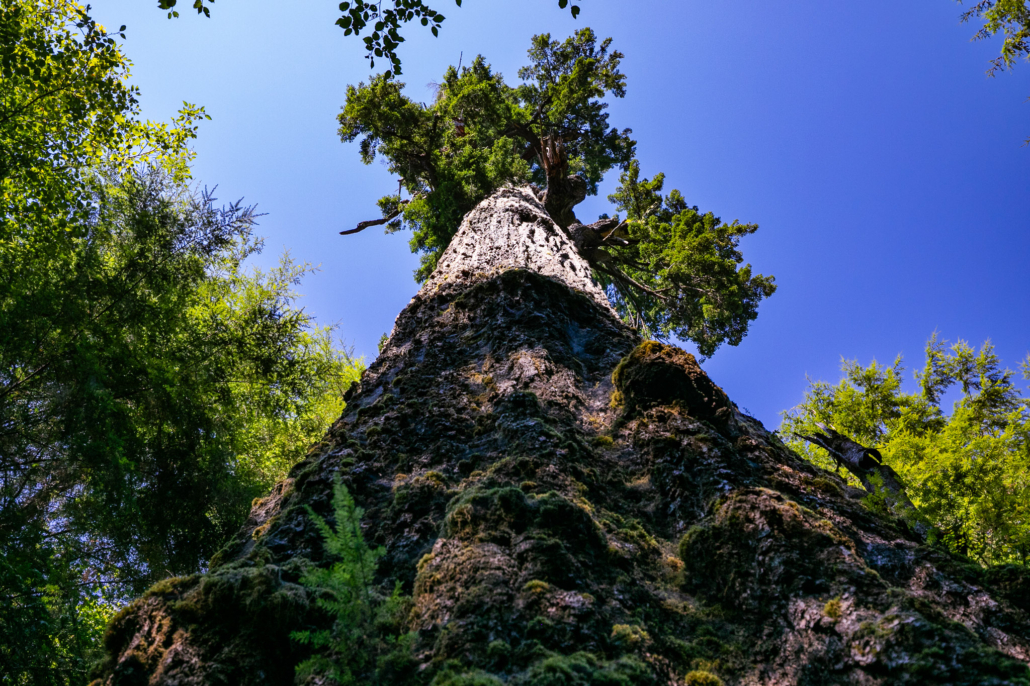
UPDATED: Port Renfrew Big Trees Map
Explore the updated Port Renfrew Big Trees Map with new directions, trails, and routes to iconic giants like Big Lonely Doug, Eden Grove, and more.
https://staging.ancientforestalliance.org/wp-content/uploads/2025/05/13-Red-Creek-Fir.jpg
1365
2048
TJ Watt
https://staging.ancientforestalliance.org/wp-content/uploads/2026/05/Ancient-Forest-Alliance-logo.svg
TJ Watt2026-05-29 15:39:342026-05-29 15:40:49UPDATED: Port Renfrew Big Trees Map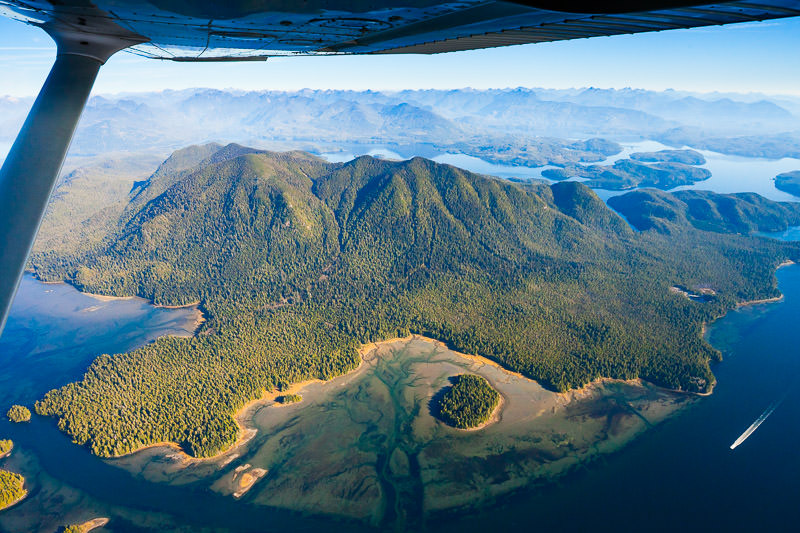
NEW! West Coast Old-Growth Hiking Guide
Explore AFA’s NEW West Coast old-growth hiking guide. From Clayoquot Sound to Port Alberni, there are trails for every skill level!
https://staging.ancientforestalliance.org/wp-content/uploads/2026/05/meares-island-big-tree-trail-tofino-1200px-338.jpg
533
800
TJ Watt
https://staging.ancientforestalliance.org/wp-content/uploads/2026/05/Ancient-Forest-Alliance-logo.svg
TJ Watt2026-05-29 12:06:002026-05-29 15:42:38NEW! West Coast Old-Growth Hiking Guide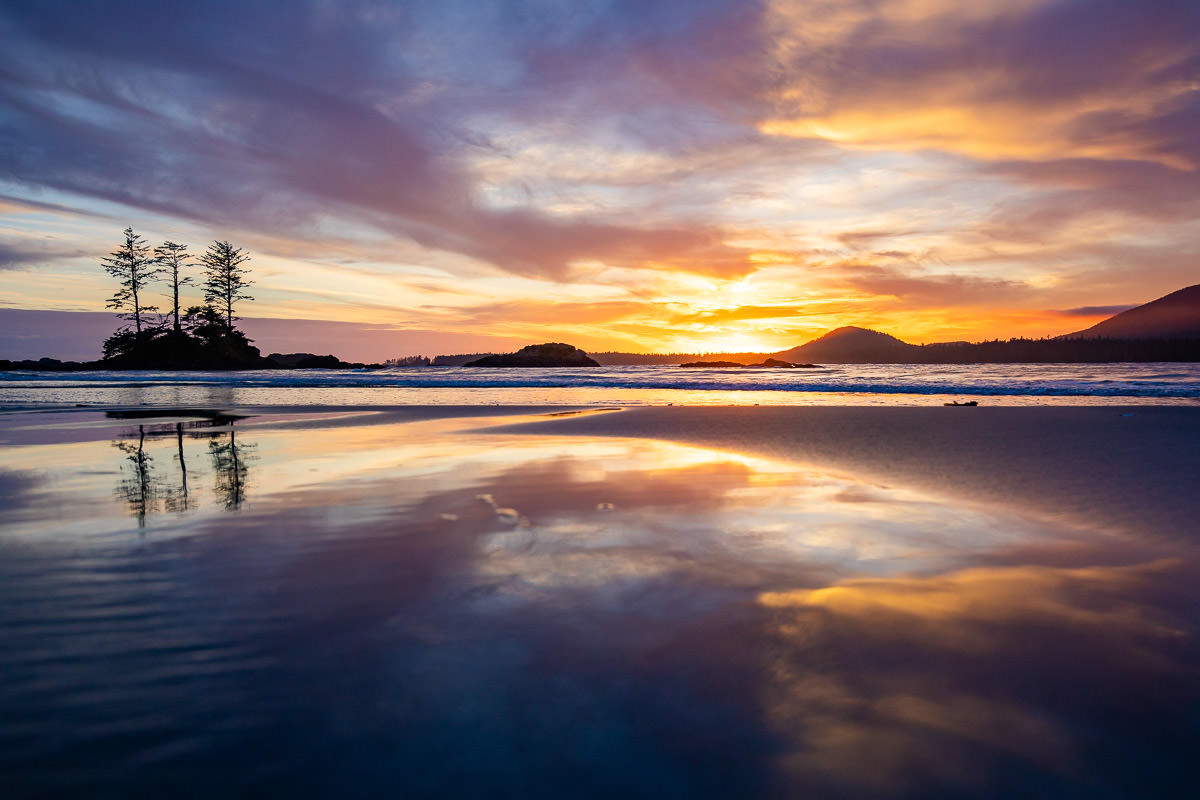
Now Hiring: Contract Graphic Designer!
Ancient Forest Alliance is hiring a contract Graphic Designer to help bring our campaigns to life through print and digital materials.
https://staging.ancientforestalliance.org/wp-content/uploads/2026/05/flores-island-wildside-trail-1200px-430.jpg
800
1200
TJ Watt
https://staging.ancientforestalliance.org/wp-content/uploads/2026/05/Ancient-Forest-Alliance-logo.svg
TJ Watt2026-05-22 12:22:292026-05-22 12:22:29Now Hiring: Contract Graphic Designer!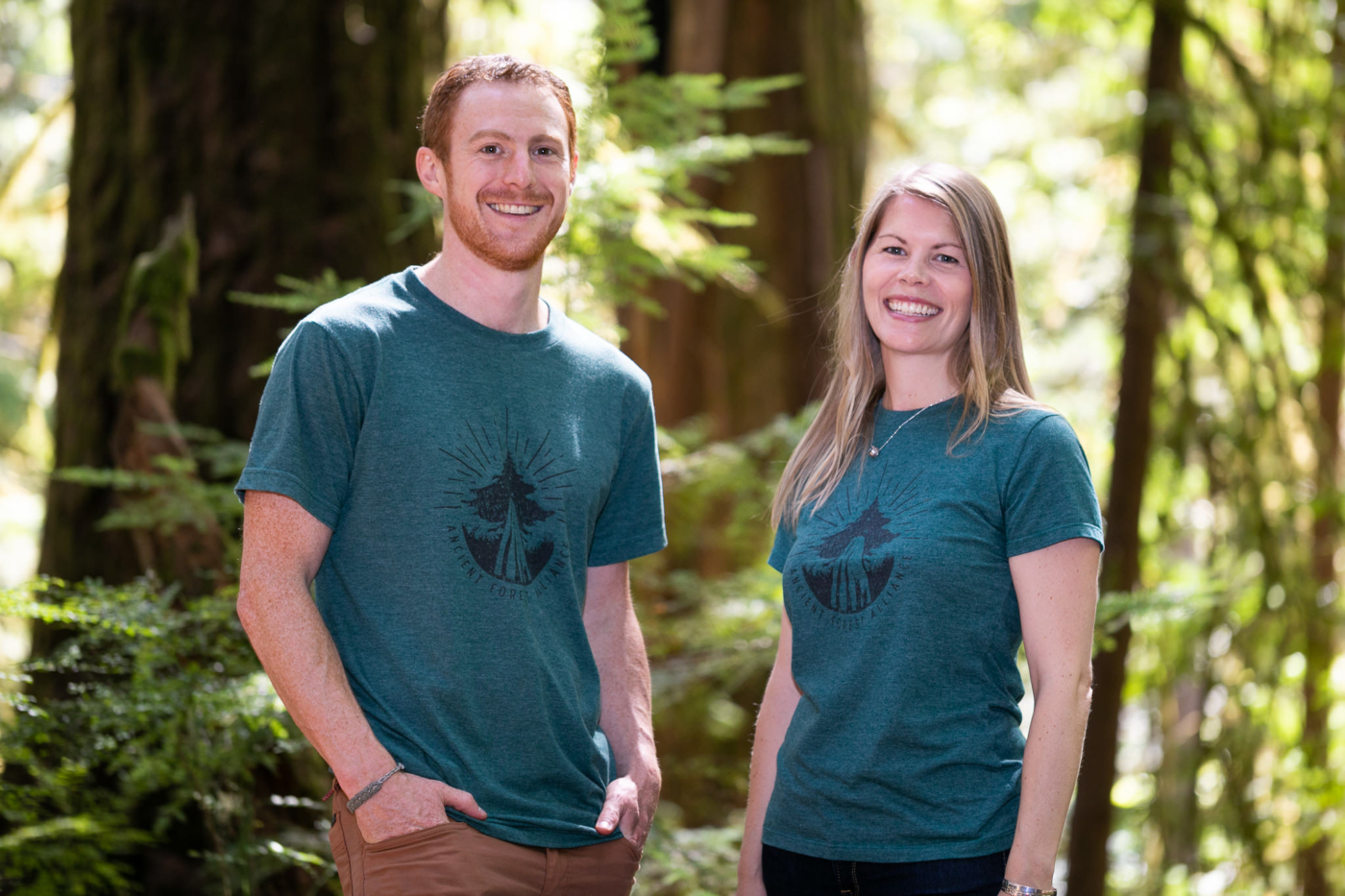
Design AFA’s Next T-Shirt and Help Protect Old-Growth Forests!
Calling all artists! For Earth Month, AFA is launching our first-ever Community T-Shirt Design Contest.
https://staging.ancientforestalliance.org/wp-content/uploads/2026/04/AFA-T-Shirt-Green-Mens-Womens.jpg
1365
2048
TJ Watt
https://staging.ancientforestalliance.org/wp-content/uploads/2026/05/Ancient-Forest-Alliance-logo.svg
TJ Watt2026-05-15 08:13:232026-05-19 09:33:44Design AFA’s Next T-Shirt and Help Protect Old-Growth Forests! Donate
 Send a Message
Carbon emissions from BC forests alarming: environmental group
/in News CoverageAn environmental group is calling on the provincial government to take action as B.C.’s forests continue to emit more carbon dioxide than they absorb.
“We’re concerned this has become a long-term problem,” said Jens Wieting from environmental advocacy group the Sierra Club.
Ideally, a healthy forest will absorb more carbon in the soil and trees than it releases, for example through burning, decomposition and logging. This is sometimes called a carbon sink.
Due to a number of factors — including pine beetle infestation, slash fires, wood waste and clear cutting — B.C.’s forests have not done this since 2003, and are emitting carbon dioxide at alarming rates, the group said.
According to the province’s own data, net carbon dioxide emissions from forestland in 2011 were 34.9 million tonnes, equivalent to more than half of B.C.’s total official emissions for that year. However, only carbon emissions from deforestation and afforestation (new or replanted forests) are included in the province’s official total. As a result, forestland emissions from other sources are “not part of any policy discussions,” Wieting said.
“There’s a lack of policy, planning and awareness all around. Not to mention the lag time for this data and need for more research.”
Dave Crebo, a spokesman for the Ministry of Environment, said forestland emissions are not included in official totals because “emission estimates for this sector have a high degree of uncertainty relative to estimates in other sectors.”
Forestland emissions are also not included in national inventories.
However, an agreement recently reached under the United Nations Framework Convention on Climate Change on a new forest carbon accounting framework could change that.
“Canada and B.C. are reviewing this new reference-level based framework,” Crebo said.
Wieting has said the province has gotten away with poor forest management for the past 100 years, in part because of its temperate climate. But climate change could alter that.
Carbon dioxide is the most significant driver of global climate change. The greenhouse gas traps heat from the atmosphere and radiates it back toward Earth.
“We already have climate impacts,” Wieting said, citing the pine beetle infestation, landslides and droughts, which increase the risk of forest fires. “So we have to double our efforts to maintain healthy forests for clean water, for clean air and for our children. This requires government action.”
Wieting is calling on the province to release detailed data about forestland emissions in a timely fashion (the most recent numbers are from 2011). He also wants to see a forest-management plan that reduces carbon emissions, clear-cut logging and wood waste.
“We can do something about this,” he said. “It’s not too late.”
Read more: https://www.timescolonist.com/opinion/carbon-emissions-from-b-c-forests-alarming-environmental-group-1.792564
Trees accelerate growth as they get older and bigger, study finds
/in News CoverageMost living things reach a certain age and then stop growing, but trees accelerate their growth as they get older and bigger, a global study has found.
The findings, reported by an international team of 38 researchers in the journal Nature, overturn the assumption that old trees are less productive. It could have important implications for the way that forests are managed to absorb carbon from the atmosphere.
“This finding contradicts the usual assumption that tree growth eventually declines as trees get older and bigger,” said Nate Stephenson, the study's lead author and a forest ecologist with the US Geological Survey (USGS). “It also means that big, old trees are better at absorbing carbon from the atmosphere than has been commonly assumed.”
The scientists from 16 countries studied measurements of 673,046 trees of more than 400 species growing on six continents, and found that large, old trees actively fix large amounts of carbon compared to smaller trees. A single big tree can add the same amount of carbon to the forest in a year as is contained in an entire mid-sized tree, they found.
“In human terms, it is as if our growth just keeps accelerating after adolescence, instead of slowing down. By that measure, humans could weigh half a tonne by middle age, and well over a tonne at retirement,” said Stephenson.
“In absolute terms, trees 100cm in trunk diameter typically add from 10-200 kg dry mass each year averaging 103kg per year. This is nearly three times the rate for trees of the same species at 50cm in diameter, and is the mass equivalent to adding an entirely new tree of 10-20cm in diameter to the forest each year,” said the report.
The findings back up a 2010 study which showed that some of the largest trees in the world, like eucalyptus and sequoia, put on extraordinary growth as they get older.
“Rapid growth in giant trees is the global norm, and can exceed 600kg per year in the largest individuals,” say the authors.
The study also shows old trees play a disproportionately important role in forest growth. Trees of 100cm in diameter in old-growth western US forests comprised just 6% of trees, yet contributed 33% of the annual forest mass growth.
But the researchers said that the rapid carbon absorption rate of individual trees did not necessarily translate into a net increase in carbon storage for an entire forest. “Old trees can die and lose carbon back into the atmosphere as they decompose,” says Adrian Das, another USGS co-author. “But our findings do suggest that while they are alive, large old trees play a disproportionately important role in a forest's carbon dynamics. It is as if the star players on your favourite sports team were a bunch of 90-year-olds.”
“It tells us that large old trees are very important, not just as carbon reservoirs. Old trees are even more important than we thought,” said University College London researcher Emily Lines, another co-author of the paper.
Understanding of the role of big trees in a forest is developing rapidly even as they come under increasing threat from the fragmentation of forests, severe drought and new pests and diseases. Research in 2012 showed that big trees may comprise less than 2% of the trees in any forest but they can contain 25% of the total biomass and are vital for the health of whole forests because they seed large areas.
Read more: https://www.theguardian.com/environment/2014/jan/15/trees-grow-more-older-carbon
Thanks to Cat Abyss Clothing!
/in AnnouncementsThanks to Cat Abyss Clothing, a new eco-friendly clothing company who will donate 10% of proceeds to the Ancient Forest Alliance from their kickstarter campaign. See their Facebook page and the link to their campaign at: https://www.facebook.com/catabyss