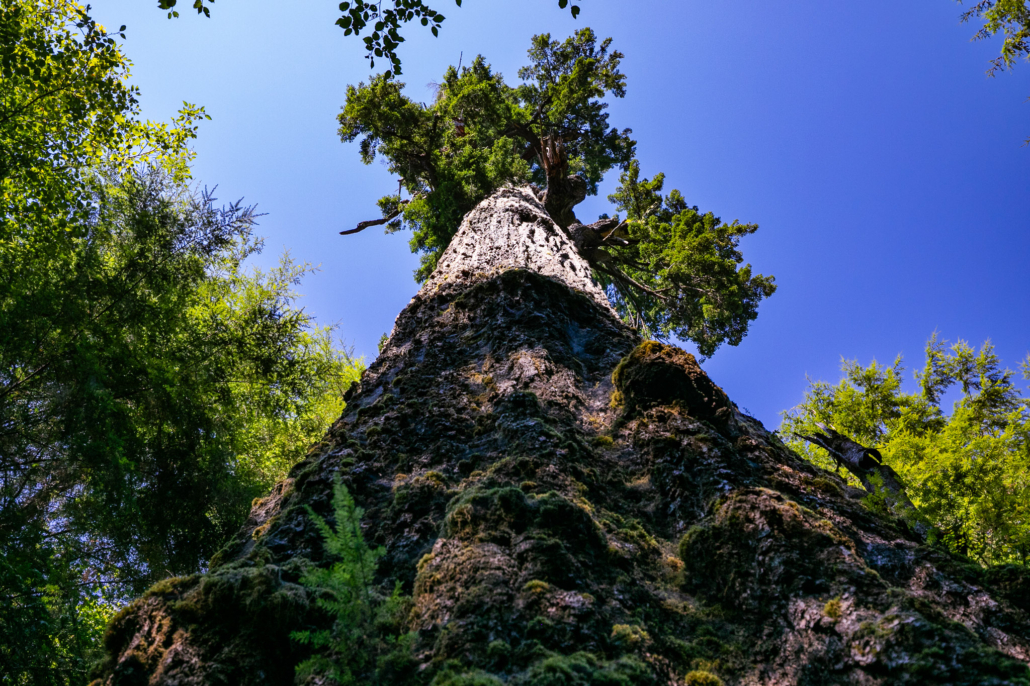
UPDATED: Port Renfrew Big Trees Map
Explore the updated Port Renfrew Big Trees Map with new directions, trails, and routes to iconic giants like Big Lonely Doug, Eden Grove, and more.
https://staging.ancientforestalliance.org/wp-content/uploads/2025/05/13-Red-Creek-Fir.jpg
1365
2048
TJ Watt
https://staging.ancientforestalliance.org/wp-content/uploads/2026/05/Ancient-Forest-Alliance-logo.svg
TJ Watt2026-05-29 15:39:342026-05-29 15:40:49UPDATED: Port Renfrew Big Trees Map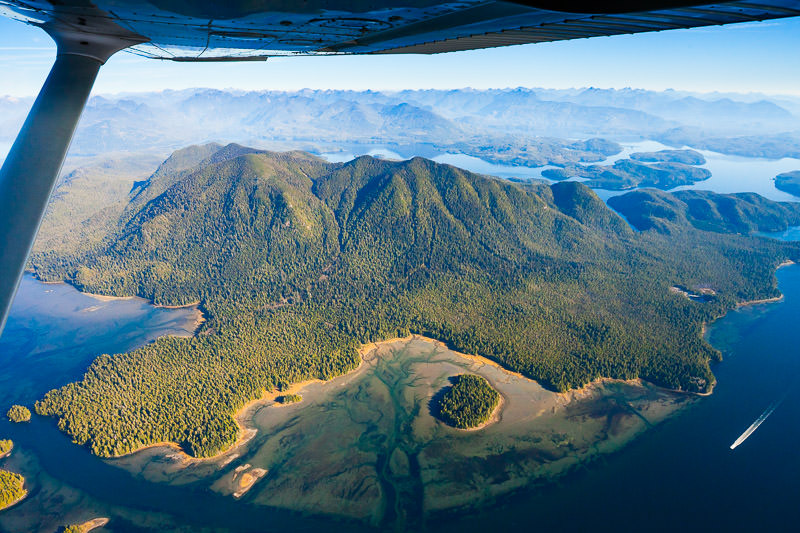
NEW! West Coast Old-Growth Hiking Guide
Explore AFA’s NEW West Coast old-growth hiking guide. From Clayoquot Sound to Port Alberni, there are trails for every skill level!
https://staging.ancientforestalliance.org/wp-content/uploads/2026/05/meares-island-big-tree-trail-tofino-1200px-338.jpg
533
800
TJ Watt
https://staging.ancientforestalliance.org/wp-content/uploads/2026/05/Ancient-Forest-Alliance-logo.svg
TJ Watt2026-05-29 12:06:002026-05-29 15:42:38NEW! West Coast Old-Growth Hiking Guide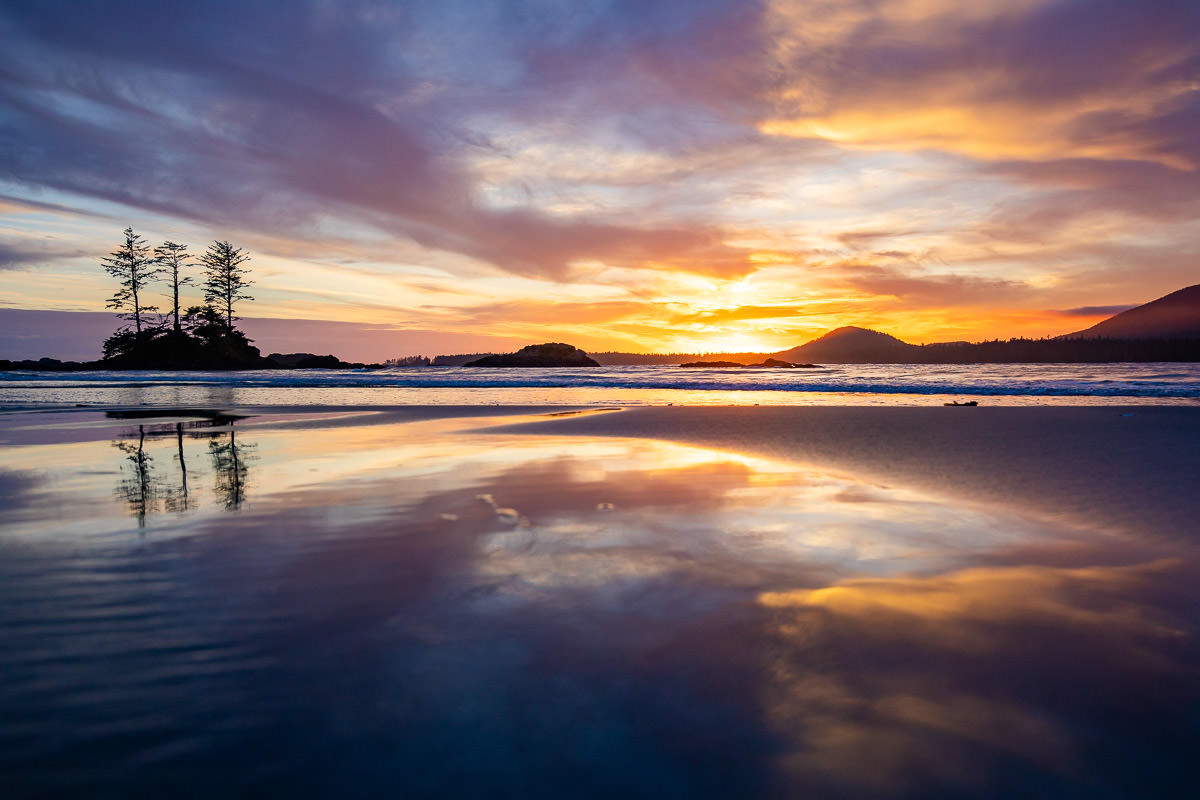
Now Hiring: Contract Graphic Designer!
Ancient Forest Alliance is hiring a contract Graphic Designer to help bring our campaigns to life through print and digital materials.
https://staging.ancientforestalliance.org/wp-content/uploads/2026/05/flores-island-wildside-trail-1200px-430.jpg
800
1200
TJ Watt
https://staging.ancientforestalliance.org/wp-content/uploads/2026/05/Ancient-Forest-Alliance-logo.svg
TJ Watt2026-05-22 12:22:292026-05-22 12:22:29Now Hiring: Contract Graphic Designer!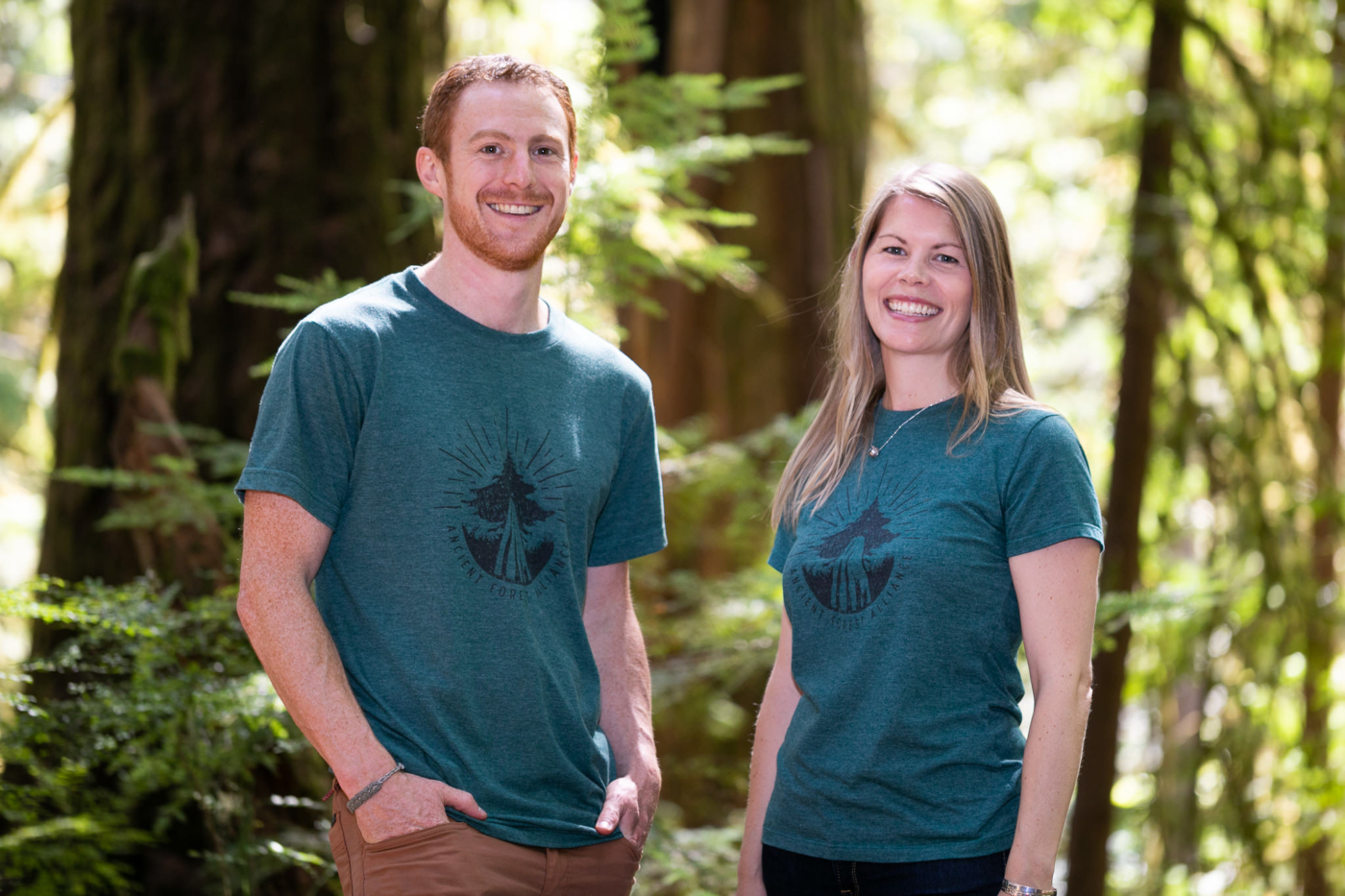
Design AFA’s Next T-Shirt and Help Protect Old-Growth Forests!
Calling all artists! For Earth Month, AFA is launching our first-ever Community T-Shirt Design Contest.
https://staging.ancientforestalliance.org/wp-content/uploads/2026/04/AFA-T-Shirt-Green-Mens-Womens.jpg
1365
2048
TJ Watt
https://staging.ancientforestalliance.org/wp-content/uploads/2026/05/Ancient-Forest-Alliance-logo.svg
TJ Watt2026-05-15 08:13:232026-05-19 09:33:44Design AFA’s Next T-Shirt and Help Protect Old-Growth Forests! Donate
 Send a Message
Tree Climbers Scale Canada’s 2nd Largest Douglas-Fir
/in News CoverageMany of us have climbed a tree or two in our lives, but how many of us can say that tree was as tall as an 18-storey building?
A group of professional tree climbers scaled Canada's second-largest Douglas-fir — fondly referred to as Big Lonely Doug — and there are some amazing photos to prove it.
Climbers from Arboreal Collective partnered with Ancient Forest Alliance, a B.C.-based conservation organization that discovered Big Lonely Doug, to complete the ascension of the tree near Port Renfrew on Vancouver Island.
“We hope that our work to help highlight, research, and document the biggest trees and grandest groves in British Columbia will aid in their legal protection,” Matthew Beatty, spokesman for Arboreal Collective, said in a press release.
“Colossal trees like Big Lonely Doug are like the ‘redwoods of Canada’ that inspire awe in people around the world due to their unbelievable size and age. B.C.’s endangered old-growth forests urgently need protection before they become giant stumps and tree plantations.”
The tree stands 70.2 metres high and has a diameter that is almost as long as a mid-sized car, according to the B.C. Big Tree Registry. Big Lonely Doug is estimated to be as much as 1,000 years old.
View gallery and read more at: https://www.huffingtonpost.ca/2014/06/06/tree-climbers-big-lonely-doug-photos_n_5461824.html
Gallery: Tree climbers scale Big Lonely Doug
/in News CoverageView gallery at: https://www.timescolonist.com/news/local/gallery-tree-climbers-scale-big-lonely-doug-1.1118808
Tree-Climbers Scale to the top of “Big Lonely Doug,” Canada’s 2nd Largest Douglas-fir Tree, to highlight BC’s Endangered Old-Growth Forests
/in Media ReleaseFor Immediate Release
June 6, 2014
Tree-Climbers Scale to the top of “Big Lonely Doug”, Canada’s 2nd Largest Douglas-fir Tree, to highlight BC’s Endangered Old-Growth Forests
Conservationists with the Ancient Forest Alliance are collaborating with the Arboreal Collective, a group of professional tree-climbers working to raise awareness, facilitate research, and help protect British Columbia’s biggest trees and endangered old-growth forests.
Port Renfrew, Vancouver Island – “Big Lonely Doug”, the recently found, second-largest Douglas-fir tree in Canada, has been scaled by a team of professional tree-climbers. The climbers with the Arboreal Collective are collaborating with the Ancient Forest Alliance, a BC-based conservation organization, to highlight, research, and document the largest old-growth trees and grandest groves in British Columbia. Big Lonely Doug stands alone in a 2012 clearcut, hence its name.
See spectacular photos at: https://staging.ancientforestalliance.org/new-photo-gallery-climbing-big-lonely-doug-round-2/ (News media are free to reprint photos. Credit to “TJ Watt” if possible)
Watch On YouTube here (News media are free to reuse.)
“We hope that our work to help highlight, research, and document the biggest trees and grandest groves in British Columbia will aid in their legal protection,” stated Matthew Beatty, spokesman with the Arboreal Collective. “Colossal trees like Big Lonely Doug are like the ‘redwoods of Canada’ that inspire awe in people around the world due to their unbelievable size and age. BC’s endangered old-growth forests urgently need protection before they become giant stumps and tree plantations.”
The Arboreal Collective’s Matthew Beatty, Tiger Devine, Dan Holliday, and the Ancient Forest Alliance’s TJ Watt, were also joined by Will Koomjian from Ascending the Giants, a similar research and awareness-raising organization of tree-climbers based in Portland, and by photographer James Frystak. The Arboreal Collective also collaborates on research with the BC Big Tree Registry, run by the University of British Columbia, a register of the largest measured trees in the province. See: https://bigtrees.forestry.ubc.ca/
“The Arboreal Collective have provided us with the unique ability to photograph and document these giant trees and their surroundings from a birds-eye view, 200 feet up in the canopy!” stated Ancient Forest Alliance photographer TJ Watt. “It’s a humbling experience exploring the tops of centuries-old trees and in a place no human has been before. I hope the novel images that come from this initiative to climb and document the largest trees and grandest groves in BC will help to ignite the interest and raise awareness of people around the world about these highly endangered ecosystems. The BC government must act to save our last unprotected ancient forests, which are a global treasure.”
The group recently climbed to the top of Big Lonely Doug in order to directly measure its height by dropping a line from the top of the tree down to its base. Big Lonely Doug was found to be 66 metres (216 feet) in height, slightly shorter than its previously measured height of 70 meters (230 feet) using a clinometer (a tree-height measuring device taken from the ground using trigonometry – less accurate than direct measurements, of course). However, Big Lonely Doug still remains as the second largest Douglas-fir tree in Canada in total size. Big Lonely Doug’s width has been officially measured to be 12 meters (39 feet) in circumference or 4 meters (12 feet) in diameter by BC Big Tree Registry coordinator Dr. Andy MacKinnon. See: https://staging.ancientforestalliance.org/news-item.php?ID=782
The climbers also collected samples of moss and canopy soil accumulated on the massive limbs of Big Lonely Doug, which have been given to entomologists (bug biologists) who will examine the sample for new species of spiders, insects, and mites (arthropods). Many unique species of arthropods have been found only in the old-growth forest canopies of Vancouver Island, where thick matts of mosses, ferns, and other plants form layers of soil on the branches high up in the forest canopies.
Ancient Forest Alliance photographer, TJ Watt, also climbed the giant tree once the ropes were set-up, and has taken phenomenal, birds-eye view photos of the tree, the tree-climbers, and the surrounding clearcut landscape.
The Ancient Forest Alliance is calling on the BC government to protect our endangered old-growth forests, ensure the development of a sustainable, value-added second-growth forest industry (second-growth forest now constitutes the vast majority of productive forest lands in BC), and to end the vast export of raw, unprocessed logs to foreign mills.
“The days of colossal trees like Big Lonely Doug are quickly coming to an end as the timber industry cherry-picks the last stands of unprotected, lowland ancient forests left in southern BC where giants like this grow. Today the vast majority of BC’s remaining old-growth forests are at higher elevations, on rocky sites, and in bogs where the trees are much smaller and in many cases have low to no commercial value”, stated Ken Wu, Ancient Forest Alliance executive director. “We’re really encouraging the BC government to move forward with its proposed legal protection of the biggest trees and grandest groves in BC, as well as to ultimately protect old-growth ecosystems across the province on a more comprehensive scale to support endangered species, the climate, clean water, tourism, and many First Nations cultures.”
BACKGROUND INFO
Big Lonely Doug grows in the Gordon River Valley near the coastal town of Port Renfrew on southern Vancouver Island, known as the “Tall Trees Capital” of Canada. It stands on Crown lands in Tree Farm Licence 46 held by the logging company Teal-Jones, in the unceded traditional territory of the Pacheedaht First Nation band. It was first measured and recognized as exceptionally large by Ancient Forest Alliance campaigners in March of this year.
Big Lonely Doug stands alone among dozens of giant stumps – some 3 meters wide – of old-growth western redcedars and Douglas-firs, in a roughly 20 hectare clearcut that was logged in 2012. One of its largest branches was recently torn off in a fierce wind/snow storm in February, with a 50 centimeter wide base (the size of most second-growth trees) and still fresh needles lying on the ground adjacent to the tree.
The world’s largest Douglas-fir tree is the Red Creek Fir, located just 20 kilometers to the east of Big Lonely Doug in the San Juan River Valley. The Red Creek Fir has been measured to be 13.28 meters (44 feet) in circumference or 4.3 meters (14 feet) in diameter, and 73.8 meters (242 feet) tall.
Big Lonely Doug was likely left behind as a seed tree or as a wildlife tree, and was also used by the loggers as a cable anchor to yard other trees across the clearcut, judging by the long horizontal lines scarred into its bark. Judging by the growth rings on nearby stumps, Big Lonely Doug may be 1000 years in age.
The BC Ministry of Forests, Lands, and Natural Resource Operations is currently working on following up on a 2011 promise by then-Forests Minister Pat Bell to develop a new “legal tool” to protect the province’s biggest old-growth trees and grandest groves. Such a legal mechanism, if effective and if implemented, would be a greatly welcome step forward towards protecting BC’s finest stands. More comprehensive legislation would still be needed to protect the province’s old-growth ecosystems on a larger scale, to sustain biodiversity, clean water, and the climate, as the biggest trees and monumental groves are today a tiny fraction of the remaining old-growth forests.
The stand of ancient trees in which Big Lonely Doug grew was part of a 1000 hectare tract of provincially-significant, largely intact old-growth forest on Edinburgh Mountain, home to species at risk including the red-listed or endangered Queen Charlotte Goshawk. While some of the area has been reserved as a core Wildlife Habitat Area for the goshawk and as an Old-Growth Management Area, more than half of the forests there – including the finest, valley-bottom stands with the largest trees, such as the stand where Big Lonely Doug once grew in – are open to clearcut logging. This area was nicknamed the “Christy Clark Grove” in 2012 after BC’s premier to put her on the spot and in the spotlight to have to take responsibility for the fate of this spectacular ancient forest. So far, the premier has failed to ensure the area’s full protection.
Government data from 2012 show that about 75% of the original, productive old-growth forests on BC’s southern coast (Vancouver Island and Southwest Mainland) have been logged, including over 90% of the highest productivity, valley bottom ancient stands where the largest trees grow. 99% of the old-growth Douglas-fir trees on BC’s coast have also been logged. The BC government often grossly overinflates the amount of remaining ancient forests in BC by releasing statistics that include vast tracts of bog and subalpine forests consisting of small, stunted old-growth trees of little to no commercial value, combined with the less extensive tracts of the large, old-growth trees growing on more productive sites at risk of being logged. See recent “before and after” maps and stats at: https://staging.ancientforestalliance.org/photos-media/
BC’s old-growth forests are important to sustain numerous species at risk that can’t live or flourish in second-growth stands; to mitigate climate change by storing two to three times more atmospheric carbon than the ensuing second-growth tree plantations that they are being replaced with; as fundamental pillars for BC’s multi-billion dollar tourism industry; to support clean water and wild salmon; and for many First Nations cultures who use ancient cedar trees for canoes, totems, long-houses, and numerous other items.