UPDATED: Port Renfrew Big Trees Map
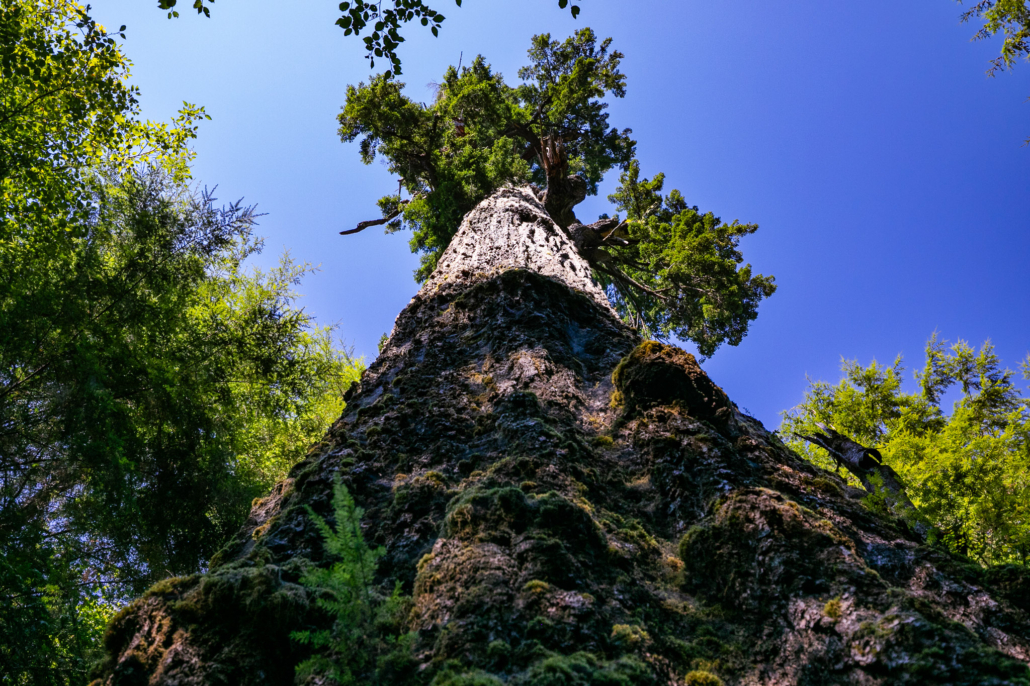
Explore the updated Port Renfrew Big Trees Map with new directions, trails, and routes to iconic giants like Big Lonely Doug, Eden Grove, and more.
https://staging.ancientforestalliance.org/wp-content/uploads/2025/05/13-Red-Creek-Fir.jpg
1365
2048
TJ Watt
https://staging.ancientforestalliance.org/wp-content/uploads/2026/05/Ancient-Forest-Alliance-logo.svg
TJ Watt2026-05-29 15:39:342026-05-29 15:40:49UPDATED: Port Renfrew Big Trees Map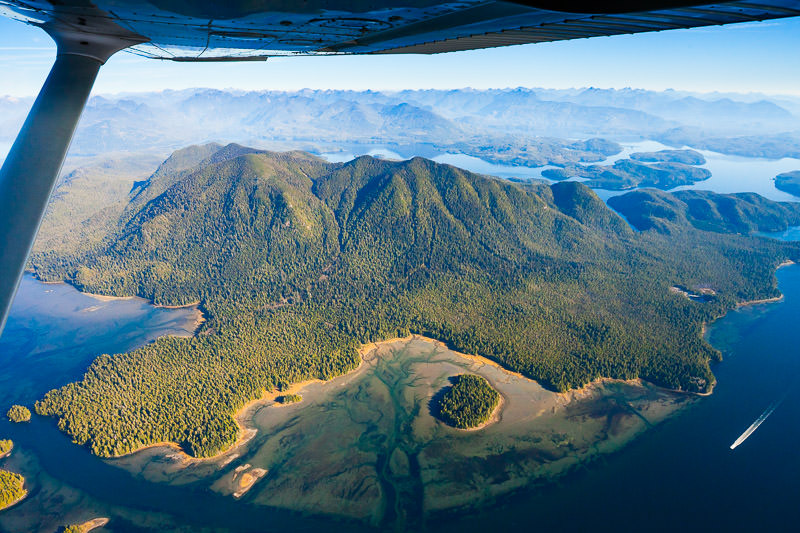
NEW! West Coast Old-Growth Hiking Guide
Explore AFA’s NEW West Coast old-growth hiking guide. From Clayoquot Sound to Port Alberni, there are trails for every skill level!
https://staging.ancientforestalliance.org/wp-content/uploads/2026/05/meares-island-big-tree-trail-tofino-1200px-338.jpg
533
800
TJ Watt
https://staging.ancientforestalliance.org/wp-content/uploads/2026/05/Ancient-Forest-Alliance-logo.svg
TJ Watt2026-05-29 12:06:002026-05-29 15:42:38NEW! West Coast Old-Growth Hiking Guide
Now Hiring: Contract Graphic Designer!
Ancient Forest Alliance is hiring a contract Graphic Designer to help bring our campaigns to life through print and digital materials.
https://staging.ancientforestalliance.org/wp-content/uploads/2026/05/flores-island-wildside-trail-1200px-430.jpg
800
1200
TJ Watt
https://staging.ancientforestalliance.org/wp-content/uploads/2026/05/Ancient-Forest-Alliance-logo.svg
TJ Watt2026-05-22 12:22:292026-05-22 12:22:29Now Hiring: Contract Graphic Designer!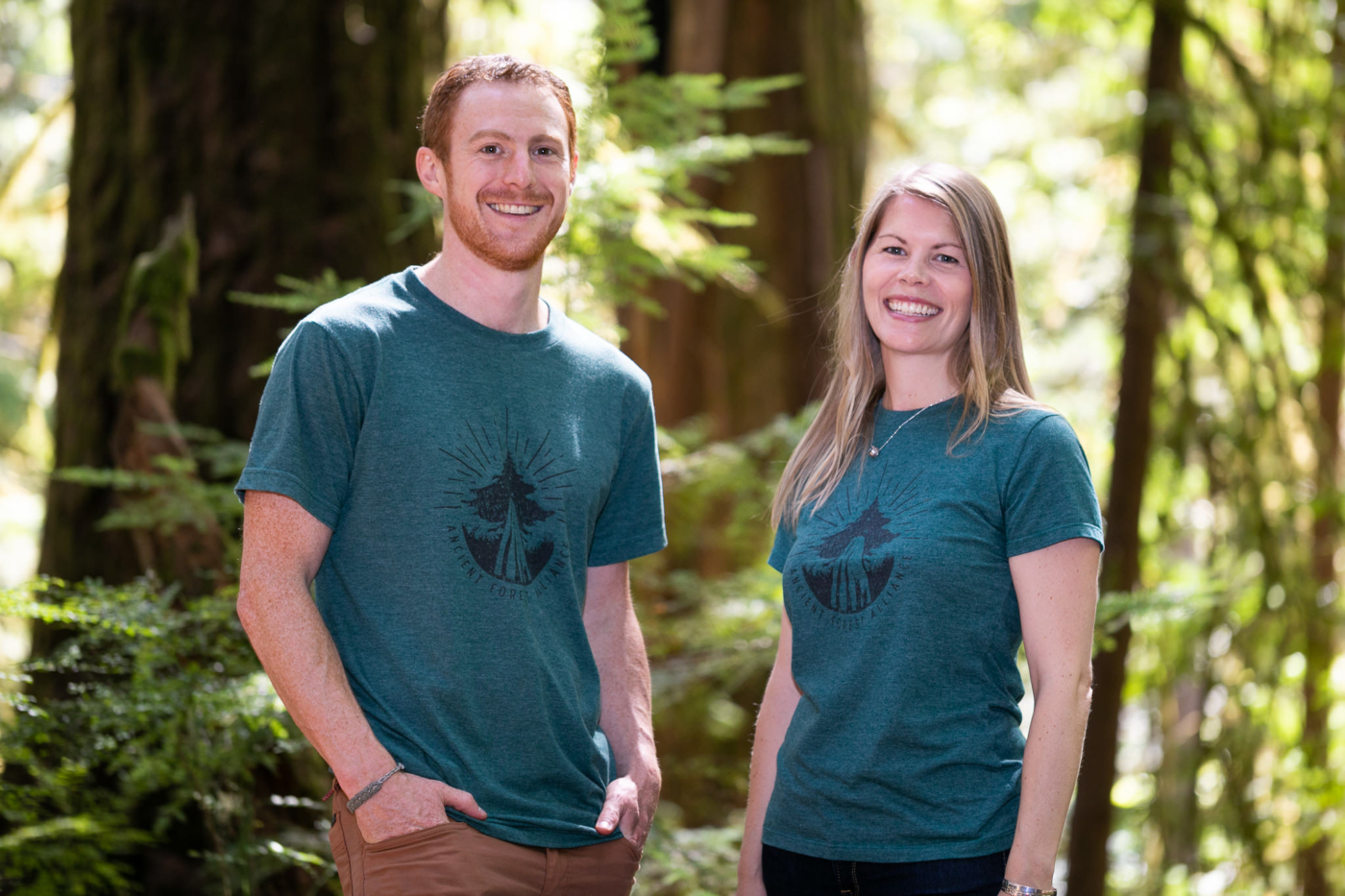
Design AFA’s Next T-Shirt and Help Protect Old-Growth Forests!
Calling all artists! For Earth Month, AFA is launching our first-ever Community T-Shirt Design Contest.
https://staging.ancientforestalliance.org/wp-content/uploads/2026/04/AFA-T-Shirt-Green-Mens-Womens.jpg
1365
2048
TJ Watt
https://staging.ancientforestalliance.org/wp-content/uploads/2026/05/Ancient-Forest-Alliance-logo.svg
TJ Watt2026-05-15 08:13:232026-05-19 09:33:44Design AFA’s Next T-Shirt and Help Protect Old-Growth Forests! Donate
 Send a Message
Island Timberlands logs old-growth forests near Port Alberni
/in News CoverageConservationists expressed alarm over a logging company’s logging of rare old-growth Douglas Fir trees near Port Alberni. Island Timberlands had reportedly logged a hundred-metre wide section of old-growth trees in the previously intact part of McLaughlin Ridge’s forest.
The Port Alberni Watershed-Forest Alliance and Ancient Forest Alliance have urged the BC government — which deregulated the land in 2004 — to work toward conservation of McLaughlin Ridge and other endangered old-growth forests jeopardized by Island Timberlands.
“This magnificent old growth forest is being reduced to stumps, logs and huge amounts of waste that will most likely end up in massive burn piles,” said Port Alberni Watershed Forest Alliance coordinator Jane Morden.
“Anyone who sees this area now will never be able to imagine the centuries old forest that once stood here, nor will the forest ever grow back the same. It is a tragic loss for not only the wildlife that depended on it, but also for future generations…What’s going on right now is a first rate environmental emergency in this province.”
Logging by Island Timberlands was also at the centre of controversy on Cortes Island, where protesters tried to block loggers’ access to the island’s forests.
“By all measures, McLaughlin Ridge is of the highest conservation priority…McLaughlin Ridge was supposed to be protected as part of the agreement to remove the lands from the Tree Farm Licence in 2004, but the BC government and Island Timberlands dropped the ball on the subsequent negotiations,” said TJ Watt, Ancient Forest Alliance campaigner. “We need Island Timberlands to cease and desist immediately from their old-growth logging operations, and for the BC government to ensure a conservation solution for this endangered ancient forest.”
A few hundred hectares of endangered old growth forests and mature second-growth forests remain in the area, but activists worry they, too, may soon be cut down. McLaughlin Ridge has been recognized by the provincial government’s own biologists as one of the most important habitats for the red-listed Queen Charlotte Goshawk (an endangered bird of prey) and as one of the finest ungulate wintering ranges for coastal black-tailed deer on Vancouver Island.
Island Timberlands Rips into the Heart of one of British Columbia’s Finest Old-Growth Forests
/in Media ReleaseFor Immediate Release
July 16, 2014
Island Timberlands Rips into the Heart of one of British Columbia’s Finest Old-Growth Forests
Controversial logging corporation’s rapid cutting of extremely scarce old-growth Douglas-fir forest, high quality ungulate (deer) winter range, and endangered Queen Charlotte goshawk habitat at McLaughlin Ridge near Port Alberni risks escalating wider conflict in the War in the Woods
Port Alberni, Vancouver Island – Conservationists are raising the alarm as Island Timberlands has rapidly undertaken a road-building and logging spree into the heart of one of BC’s most ecologically significant old-growth forests at McLaughlin Ridge near Port Alberni. Last week conservationists were greatly dismayed to discover that the company had logged a hundred or more metre wide swath of old-growth trees, traversing almost the entire span of the previously intact section of McLaughlin Ridge’s old-growth forest.
The Port Alberni Watershed-Forest Alliance and the Ancient Forest Alliance are calling on Island Timberlands to immediately cease and desist from logging this high conservation value forest, and for the BC Liberal government – who largely deregulated the land in 2004 – to show leadership by working to ensure a conservation solution for McLaughlin Ridge and other endangered old-growth forests jeopardized by Island Timberlands.
“This is one of the most devastating sights I’ve ever seen. This magnificent old growth forest is being reduced to stumps, logs and huge amounts of waste that will most likely end up in massive burn piles. Anyone who sees this area now will never be able to imagine the centuries old forest that once stood here, nor will the forest ever grow back the same. It is a tragic loss for not only the wildlife that depended on it, but also for future generations. It was recognized by the province’s own biologists as one of the most important old-growth wildlife habitats on Vancouver Island.” stated Jane Morden, coordinator of the Port Alberni Watershed-Forest Alliance. “What’s going on right now is a first rate environmental emergency in this province.”
“By all measures, McLaughlin Ridge is of the highest conservation priority – as ungulate winter range, for species at risk, for scarce old-growth Douglas-fir groves, and as part of Port Alberni’s drinking watershed. McLaughlin Ridge was supposed to be protected as part of the agreement to remove the lands from the Tree Farm Licence in 2004, but the BC government and Island Timberlands dropped the ball on the subsequent negotiations,” stated TJ Watt, Ancient Forest Alliance photographer and campaigner. “We need Island Timberlands to cease and desist immediately from their old-growth logging operations, and for the BC government to ensure a conservation solution for this endangered ancient forest.”
Despite the company’s recent logging incursion into the heart of McLaughlin Ridge, a few hundred hectares of extremely endangered old-growth forests and mature second-growth forests still stand on the slope – for now. This includes major stands of old-growth Douglas-fir trees, the overwhelming majority of which have been logged on BC’s coast. McLaughlin Ridge has been recognized by the provincial government’s own biologists as one of the most important habitats for the red-listed Queen Charlotte Goshawk (an endangered bird of prey) and as one of the finest ungulate wintering ranges for coastal black-tailed deer on Vancouver Island. See: https://www.timescolonist.com/news/battle-revealed-over-use-of-sensitive-island-forest-near-port-alberni-1.10365
McLaughlin Ridge is part of 78,000 hectares of land that were removed from Tree Farm Licence (TFL) 44 on Vancouver Island in 2004, thereby removing the planned environmental policies and/or regulations intended to protect species at risk, old-growth forests, ungulate winter ranges, and riparian areas; to control the rate of cut; and to restrict raw log exports to protect local mills.
McLaughlin Ridge was intended for protection by the provincial government as an Ungulate Winter Range (UWR) and Wildlife Habitat Area (WHA), until the province’s plans changed when it removed the lands from Tree Farm Licence 44. The removal of the lands from TFL 44 included the stipulation from the BC government that a follow-up agreement be developed between the company and the government to ensure the protection of McLaughlin Ridge and other intended UWR’s and WHA’s – however, both parties failed to pursue the agreement, and the lands are now being logged.
In total, about 2400 hectares of endangered old-growth forests originally intended for protection by the BC government as Ungulate Winter Ranges and Wildlife Habitat Areas in TFL 44 are now endangered. These lands also include Horne Mountain above the world-famous Cathedral Grove, the Cameron Valley Firebreak, Katlum Creek, and other areas – about two-thirds of which are estimated to have been logged by now. Most of these areas are within the traditional territory of the Hupacasth band. At the current pace of falling, much of McLaughlin Ridge could be logged within a few weeks.
Over the past several years conservationists have been asking the BC government to purchase and protect endangered private lands – which the government did at Jordan River for example in 2010 at a popular surfing area at risk due to similar circumstances involving TFL deregulation of Western Forest Product’s private forest lands. Ideally, these purchases would occur as part of a larger, dedicated “park acquisition fund” of millions of dollars each year for this purpose. At this urgent time, simply protecting the last few hundred hectares of the old-growth forests that remain at McLaughlin Ridge, Horne Mountain (above Cathedral Grove), Cameron Firebreak, Katlum Creek, etc. would be the immediate priority.
Protecting these areas would protect vital habitat for endangered species and Roosevelt elk, deer, and other wildlife; ensure clean and abundant water for fish and drinking watersheds; protect hiking, hunting, fishing, and recreational areas; and would provide huge potential for eco-tourism ventures in the area.
In addition, forest activists will start looking at options among private land trusts who may take an interest in helping to purchase McLaughlin Ridge and similar lands. Island Timberlands has recently been in conversation with local Cortes Island residents who are working to raise funds and the Strathcona Regional District about potentially selling some of its contentious forest lands on Cortes Island.
“Island Timberlands is a corporation that is constantly wading into controversy – more than any other BC logging company it seems. They are charging forward to log their most contentious, environmentally significant old-growth forests and socially-valued lands, despite the fact that these hotspots constitute a minuscule fraction of their 250,000 hectares of private forest lands in BC. This is a bad business model in this province, and I’d recommend they take a new approach. The current situation will be a lose-lose for everyone. But there are solutions, including some possible creative ones that can be developed. However, it will require that the company immediately halt its logging operations at McLaughlin Ridge so this whole thing doesn’t become a moot point soon, and for the BC government to show their willingness to be leaders to implement a solution. But time is short and options for McLaughlin Ridge will run out soon if the corporation continues to cut out the heart of its ancient forest,” stated Ken Wu, Ancient Forest Alliance executive director.
We have a NEW office space!!
/in AnnouncementsIn VICTORIA, visit us at our NEW OFFICE space #303-3 Fan Tan Alley – access via elevator in courtyard. *NOTE: We're currently on summer hours. Please call 250.896.4007 to see if we're in.
We must also extended a big thank you to the Habitat Acquisition Trust for sharing their office space with us at the previous location on Blanshard St. – thanks HAT!!
At the office we have much of the stock listed below. Cash, cheques and credit cards accepted.
Products List (view products online at www.ancientforestalliance.org/store.php): *prices include taxes*
Alternative options:
Thank you!