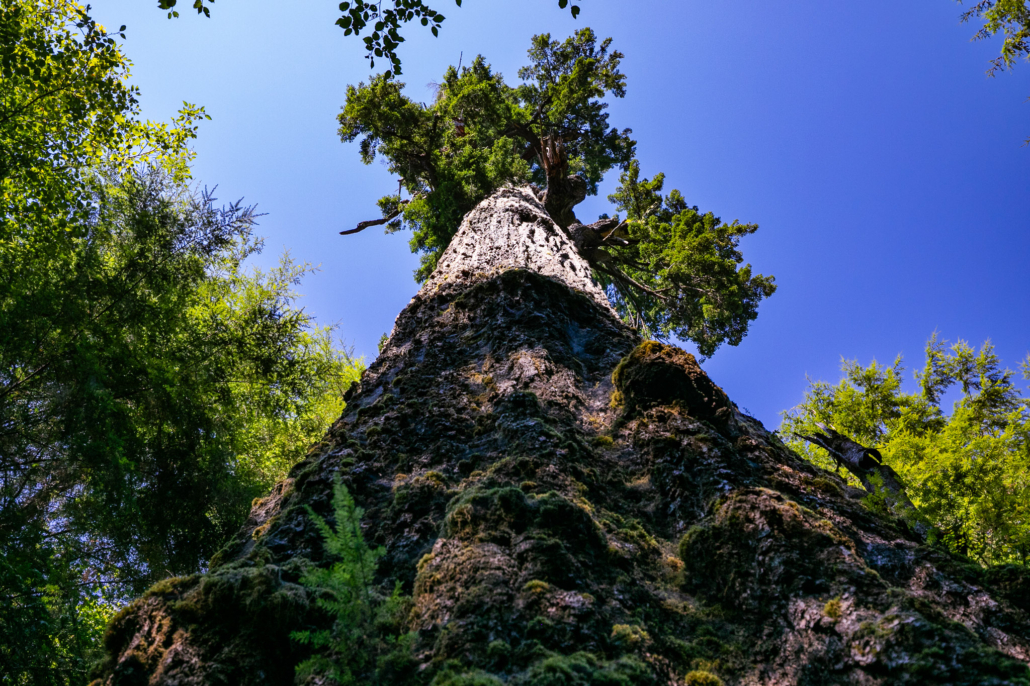
UPDATED: Port Renfrew Big Trees Map
Explore the updated Port Renfrew Big Trees Map with new directions, trails, and routes to iconic giants like Big Lonely Doug, Eden Grove, and more.
https://staging.ancientforestalliance.org/wp-content/uploads/2025/05/13-Red-Creek-Fir.jpg
1365
2048
TJ Watt
https://staging.ancientforestalliance.org/wp-content/uploads/2026/05/Ancient-Forest-Alliance-logo.svg
TJ Watt2026-05-29 15:39:342026-05-29 15:40:49UPDATED: Port Renfrew Big Trees Map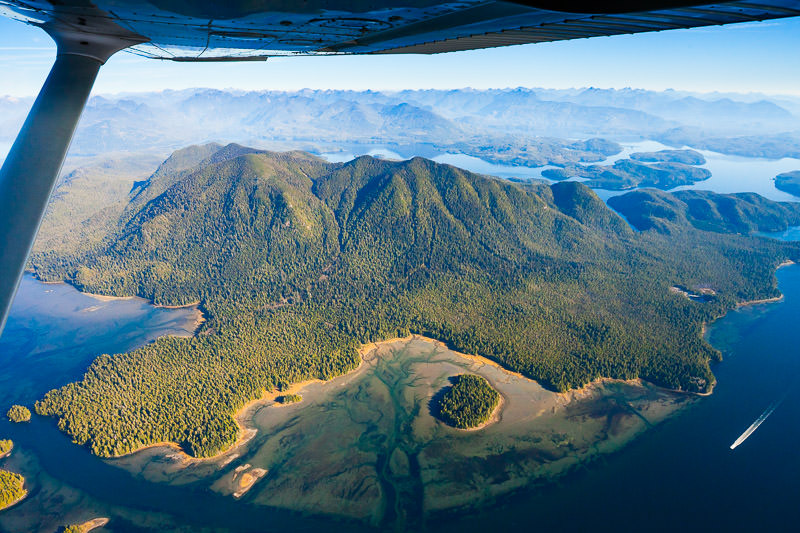
NEW! West Coast Old-Growth Hiking Guide
Explore AFA’s NEW West Coast old-growth hiking guide. From Clayoquot Sound to Port Alberni, there are trails for every skill level!
https://staging.ancientforestalliance.org/wp-content/uploads/2026/05/meares-island-big-tree-trail-tofino-1200px-338.jpg
533
800
TJ Watt
https://staging.ancientforestalliance.org/wp-content/uploads/2026/05/Ancient-Forest-Alliance-logo.svg
TJ Watt2026-05-29 12:06:002026-05-29 15:42:38NEW! West Coast Old-Growth Hiking Guide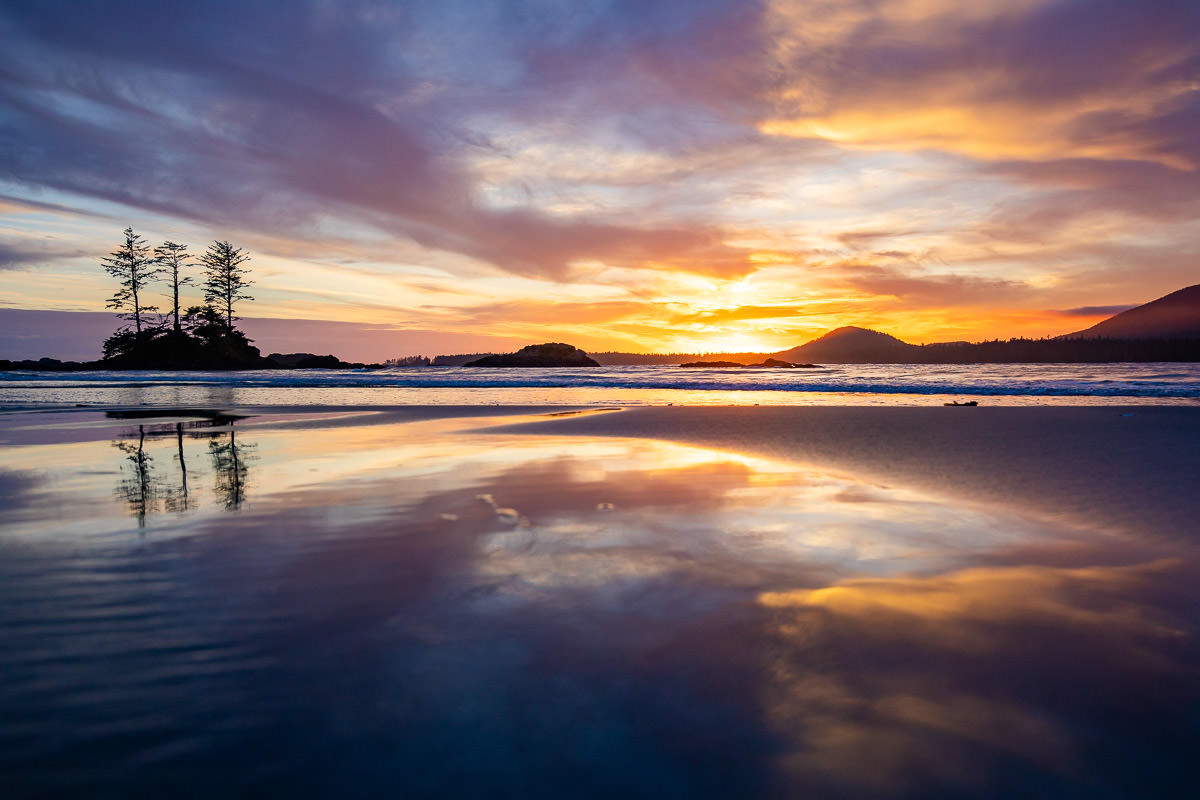
Now Hiring: Contract Graphic Designer!
Ancient Forest Alliance is hiring a contract Graphic Designer to help bring our campaigns to life through print and digital materials.
https://staging.ancientforestalliance.org/wp-content/uploads/2026/05/flores-island-wildside-trail-1200px-430.jpg
800
1200
TJ Watt
https://staging.ancientforestalliance.org/wp-content/uploads/2026/05/Ancient-Forest-Alliance-logo.svg
TJ Watt2026-05-22 12:22:292026-05-22 12:22:29Now Hiring: Contract Graphic Designer!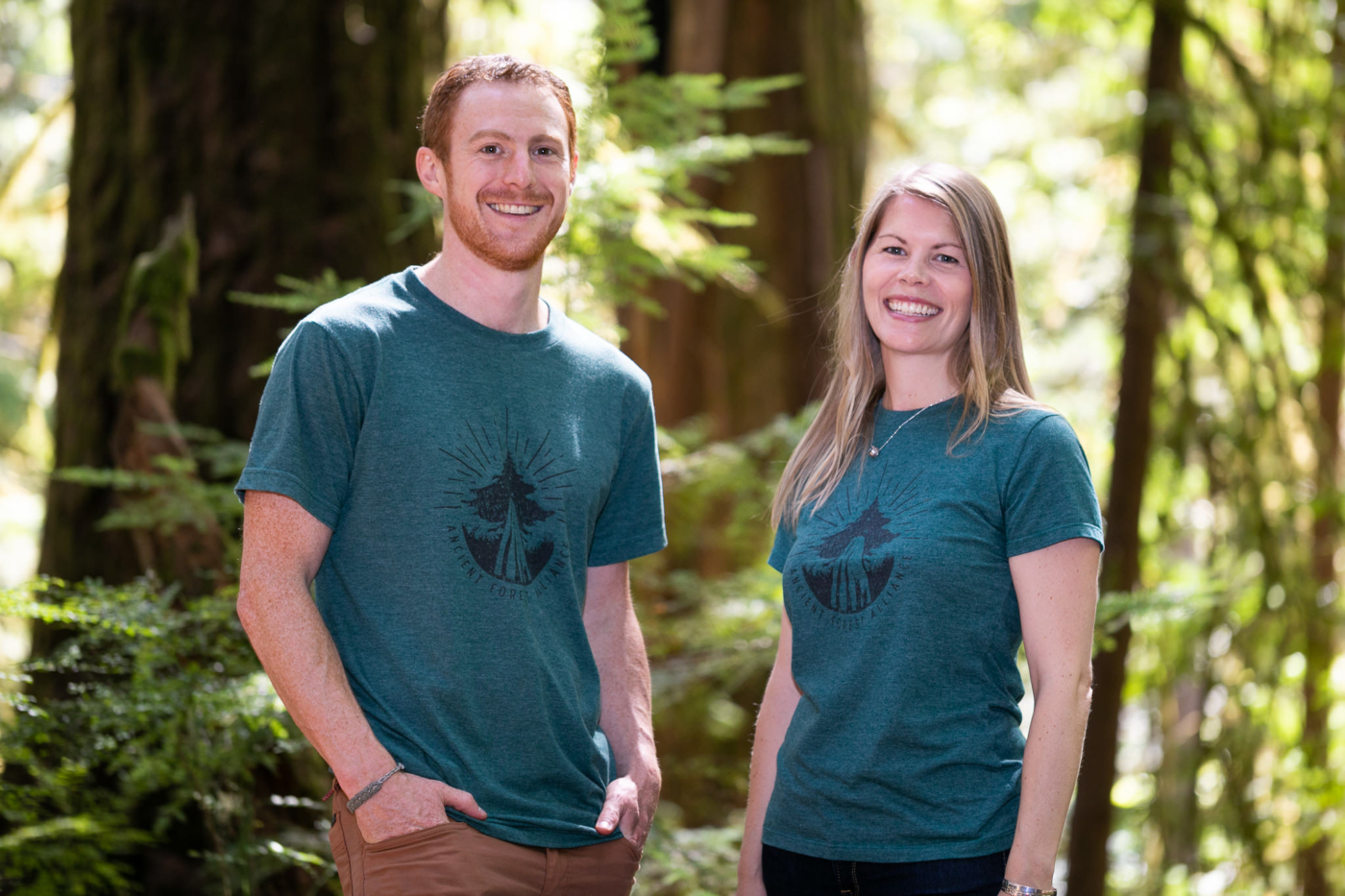
Design AFA’s Next T-Shirt and Help Protect Old-Growth Forests!
Calling all artists! For Earth Month, AFA is launching our first-ever Community T-Shirt Design Contest.
https://staging.ancientforestalliance.org/wp-content/uploads/2026/04/AFA-T-Shirt-Green-Mens-Womens.jpg
1365
2048
TJ Watt
https://staging.ancientforestalliance.org/wp-content/uploads/2026/05/Ancient-Forest-Alliance-logo.svg
TJ Watt2026-05-15 08:13:232026-05-19 09:33:44Design AFA’s Next T-Shirt and Help Protect Old-Growth Forests! Donate
 Send a Message
Major Environmental, Labour, and Community Organizations call on Island Timberlands and the BC Government to Halt the Destruction of one of BC’s Finest Old-Growth Forests at McLaughlin Ridge
/in Media ReleaseFor Immediate Release
July 21, 2014
Major Environmental, Labour, and Community Organizations call on Island Timberlands and the BC Government to Halt the Destruction of one of BC’s Finest Old-Growth Forests at McLaughlin Ridge on Vancouver Island
Diverse organizations, including a major forestry workers union, BC’s largest environmental organizations, and community organizations, have signed a statement calling on Island Timberlands to immediately cease and desist from logging the endangered old-growth forests of McLaughlin Ridge, one Canada’s most ecologically significant old-growth forests near Port Alberni on Vancouver Island, and for the BC Liberal government show leadership and ensure the forest’s protection – before it’s too late.
Organizations that have signed on include the: Port Alberni Watershed-Forest Alliance, Ancient Forest Alliance (AFA), Pulp, Paper, and Woodworkers of Canada (PPWC) union, ForestEthics, Canopy, Greenpeace Canada, Sierra Club of BC, Canadian Parks And Wilderness Society (CPAWS), Wilderness Committee, Island Stance, Alberni Environmental Coalition, Arrowsmith Parks and Land-use Council, Port Alberni Council of Canadians, Friends of Clayoquot Sound, Save the Day, & Valhalla Wilderness Society.
“We’re excited that the ecological significance of McLaughlin Ridge and the environmental emergency caused by Island Timberlands’ logging of this magnificent ancient forest has been recognized by so many diverse organizations. This includes the province’s most powerful environmental organizations that have succeeded in protecting significant tracts of ancient forests in BC; local ‘kitchen table’ environmental groups of citizens who hold meetings in their homes, engaged in similar struggles against Island Timberlands in their neck of the woods; one of the largest forestry workers unions in BC; and other important community groups. The company and the BC government really need to heed the call of so many diverse organizations, otherwise the controversy will only continue to grow,” stated Jane Morden, coordinator of the Port Alberni Watershed-Forest Alliance, which is spearheading the campaign to protect old-growth forests around Port Alberni, including McLaughlin Ridge.
Island Timberland is the second largest private landowner in British Columbia, with over 258,000 hectares of private forest lands in BC. The controversial logging corporation’s rapid cutting of extremely scarce old-growth Douglas-fir forests, high quality ungulate (deer) winter range, and endangered Queen Charlotte goshawk habitat at McLaughlin Ridge risks escalating a wider conflict in the War in the Woods.
See older photos of the intact forest and earlier logging in 2011 at McLaughlin Ridge (media are free to reprint all photos, credit to “TJ Watt” if possible): https://staging.ancientforestalliance.org/photos-media/mclaughlin-ridge/
Conservationists raised the alarm recently when they discovered earlier this month that Island Timberlands has begun a road-building and logging spree into the heart of McLaughlin Ridge. The company had logged a 100 meter wide or greater swath of old-growth trees, traversing almost the entire span of the previously intact section of McLaughlin Ridge’s old-growth forest.
McLaughlin Ridge is part of 78,000 hectares of land that were removed from Tree Farm Licence (TFL) 44 on Vancouver Island in 2004, thereby removing the planned environmental policies and/or regulations intended to protect species at risk, old-growth forests, ungulate winter ranges, and to control the rate of cut; as well as those designated to protect riparian areas and restrict raw log exports to protect local mills.
“By all measures, McLaughlin Ridge is of the highest conservation priority – as ungulate winter range, for species at risk, for scarce old-growth Douglas-fir groves, and as part of Port Alberni’s drinking watershed. McLaughlin Ridge was supposed to be protected as part of the agreement to remove the lands from the Tree Farm Licence in 2004, but the BC government and Island Timberlands dropped the ball on the subsequent negotiations. We need Island Timberlands to cease and desist immediately from their old-growth logging operations, and for the BC government to ensure a conservation solution for this endangered ancient forest,” stated TJ Watt, Ancient Forest Alliance photographer and campaigner.
“Island Timberlands is a corporation that is constantly wading into controversy – more than any other BC logging company it seems. They are charging forward to log their most contentious, environmentally significant old-growth forests and socially-valued lands, despite the fact that these hot spots constitute a minuscule fraction of their 250,000 hectares of private forest lands in BC. This is a bad business model in this province, and I’d recommend they take a new approach. The current situation will be a lose-lose for everyone. But there are solutions, including some possible creative ones, that can be developed. However, it will require that the company immediately halt its logging operations at McLaughlin Ridge so this whole thing doesn’t become a moot point soon, and for the BC government to show their willingness to be leaders to implement a solution. But time is short and options for McLaughlin Ridge will run out soon if the corporation continues to cut out the heart of its ancient forest,” stated Ken Wu, Ancient Forest Alliance executive director.
MORE BACKGROUND INFO
McLaughlin Ridge has been recognized by the provincial government’s own biologists as one of the most important habitats for the red-listed Queen Charlotte Goshawk (an endangered bird of prey) and as one of the finest ungulate wintering ranges for coastal black-tailed deer on Vancouver Island. See: https://www.timescolonist.com/news/battle-revealed-over-use-of-sensitive-island-forest-near-port-alberni-1.10365
The area was originally intended for protection by the provincial government as an Ungulate Winter Range (UWR) and Wildlife Habitat Area (WHA), until the province’s plans changed when it removed the lands from Tree Farm Licence 44. The removal of the lands from TFL 44 in 2004 included the stipulation from the BC government that a follow-up agreement be developed between the company and the government to ensure the protection of McLaughlin Ridge and other intended UWR’s and WHA’s – however, both parties failed to pursue the agreement, and the lands are now being logged.
In total, about 2400 hectares of endangered old-growth forests originally intended for protection by the BC government as Ungulate Winter Ranges and Wildlife Habitat Areas in TFL 44 are now endangered. These lands also include Horne Mountain above the world-famous Cathedral Grove, the Cameron Valley Firebreak, Katlum Creek, and other areas – of which, about two-thirds of the total area are estimated to have now been logged. Much of the lands are within the traditional territory of the Hupacasath band. At the current pace of falling, much of McLaughlin Ridge could be logged within a few weeks.
Despite the company’s recent logging incursion into the heart of McLaughlin Ridge, a few hundred hectares of extremely endangered old-growth forests and mature second-growth forests still stand on the slope – for now. This includes major stands of old-growth Douglas-fir trees, the overwhelming majority of which have been logged on BC’s coast.
Over the past several years conservationists have been asking the BC government to purchase and protect endangered private lands – which the government did at Jordan River for example in 2010 at a popular surfing area at risk due to similar circumstances involving the removal of Western Forest Product’s private forest lands from their TFL’s. Ideally, these purchases would occur as part of a larger, dedicated “park acquisition fund” of millions of dollars each year for this purpose. At this urgent time, simply protecting the last few hundred hectares of the old-growth forests that remain at McLaughlin Ridge, Horne Mountain (above Cathedral Grove), Cameron Firebreak, Katlum Creek, etc. would be the immediate priority.
Protecting these areas would protect vital habitat for endangered species and Roosevelt elk, deer, and other wildlife; ensure clean and abundant water for fish and drinking watersheds; protect hiking, hunting, fishing, and recreational areas; and would provide huge potential for eco-tourism ventures in the area.
In addition, forest activists will start looking at options among private land trusts who may take an interest in helping to purchase McLaughlin Ridge and similar lands. Island Timberlands has recently been in conversation with local Cortes Island residents and the Strathcona Regional District about potentially selling some of its contentious forest lands on Cortes: https://www.campbellrivermirror.com
Tsilhqot’in ruling means Douglas Treaty Implementation, says Kwakiutl Chief
/in News CoverageTsaxis, Kwakiutl Territory (Port Hardy), BC, July 2, 2014 /CNW/ – Kwakiutl First Nation Chief Coreen Child says the Tsilhqot'in court victory on Thursday, June 26, 2014, proves that Vancouver Island First Nations with Douglas Treaties already demonstrated Aboriginal Title over 160 years ago.
“We are deeply moved by the resolve of the Tsilhqot'in people. The ruling will have far reaching impacts on First Nations and the Crown governments. For Kwakiutl, the Supreme Court of Canada's declaration reaffirms that the 1851 Douglas Treaty proves Aboriginal title—and that the Government has not lived up to its promises,” says Chief Child.
Kwakiutl First Nation intervened on the Tsilhqot'in case to address two fundamental issues—the proper test of Aboriginal title and the application of provincial legislation on Aboriginal title lands.
The Tsilhqot'in win reinforces a BC Supreme Court decision, made on June 17, 2013, which found the Province of British Columbia had breached its legal duties by denying the existence of Kwakiutl's inherent title & treaty rights. Further, the BC decision found that BC and Canada had failed to implement and respect the Crown's 163 year-old Douglas Treaties, and 'encouraged and challenged' the governments to begin fair negotiations “without any further litigation, expense or delay.”
“”The Supreme Court of Canada rejected the “small spots” strategy argued by Canada and recognized and affirmed that First Nation view of Territorial Title is the basis for engagement with First Nations”,” says Councillor Davina Hunt.
Since 2004, the BC government has been granting the removal of private lands from Tree Farm licenses located within Kwakiutl territory without Kwakiutl consent. Consequently, businesses, companies, and governments have exploited Kwakiutl lands with impunity.
“BC forestry decision making is one example of Treaty infringement,” says Councillor Jason Hunt. “In 163 years, the Crown, first as Colony, then as BC and Canada, built entire economies on North Vancouver Island without First Nations consent. They have exploited our lands and waters, and marginalized our people.”
The Kwakiutl believe that Crown governments and industry will have to meaningfully engage on a deeper level with respect to Aboriginal title and Treaty when proposing to make decisions or conduct business on First Nations territories.
“The recent Supreme Court of Canada ruling reflects the United Nations Declaration on the Rights of Indigenous People (UNDRIP) in that a First Nation views and perspectives of Territorial Land Use must be dealt with in all government decisions consistent with Free, Prior and Informed consent” says Chief Bob Chamberlin, Union of BC Indian Chiefs Vice President and states further “that the Federal and Provincial Governments must engage with full recognition of the scope and intent of the Douglas Treaty as the basis of the relationship with the Kwakiutl First Nation.”
Chief Perry Bellegarde, Assembly of First Nations Regional Chief and portfolio holder for Treaties, supports this position. “The Crown has suspended its legal obligations to the Kwakiutl for nearly two centuries. Given that the historic Tsilhqot'in Supreme Court ruling confirms the principle of Aboriginal title, it is essential the Crown fulfills its covenant with the First Peoples of Canada. We strongly urge the federal and provincial governments to act definitively, and act now, in executing their duties to consult and accommodate with First Nations within the intended spirit and intent of Treaties.”
Read more: https://www.newswire.ca/en/story/1382055/tsilhqot-in-ruling-means-douglas-treaty-implementation-says-kwakiutl-chief
VOLUNTEERS NEEDED – Avatar Grove Boardwalk Construction Weekends
/in AnnouncementsThe Ancient Forest Alliance is looking for dedicated, considerate, and capable volunteers to help construct the Avatar Grove boardwalk this summer on the weekends of July 26/27 & August 23/24 in Port Renfrew, BC.
Volunteers must be able to follow instructions accurately, be in good physical condition to do the work, and act safely, responsibly and respectfully without exception. Activities may include carrying heavy boardwalk planks, bucketing gravel, using hand tools, digging soil, moving rocks, etc. as well as having fun. See a photo gallery of the work we've completed so far: https://on.fb.me/1nyR7Mt
Please send an email with your availability, any related experience and physical limitations we should be aware of, and contact information to Avatar Boardwalk coordinator TJ Watt at: info@ancientforestalliance.org