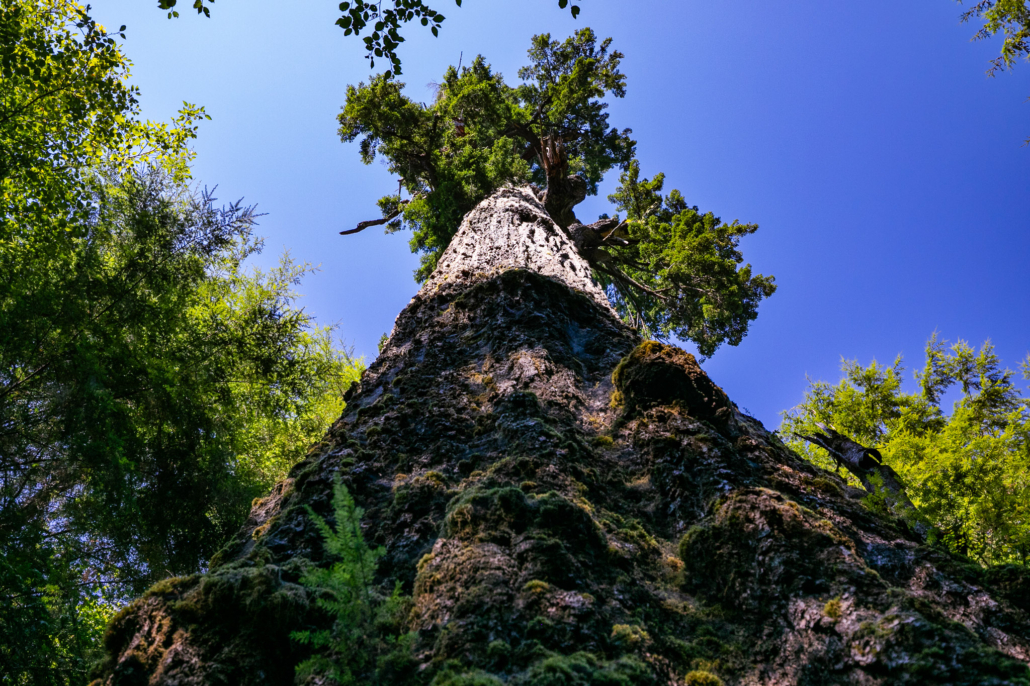
UPDATED: Port Renfrew Big Trees Map
Explore the updated Port Renfrew Big Trees Map with new directions, trails, and routes to iconic giants like Big Lonely Doug, Eden Grove, and more.
https://staging.ancientforestalliance.org/wp-content/uploads/2025/05/13-Red-Creek-Fir.jpg
1365
2048
TJ Watt
https://staging.ancientforestalliance.org/wp-content/uploads/2026/05/Ancient-Forest-Alliance-logo.svg
TJ Watt2026-05-29 15:39:342026-05-29 15:40:49UPDATED: Port Renfrew Big Trees Map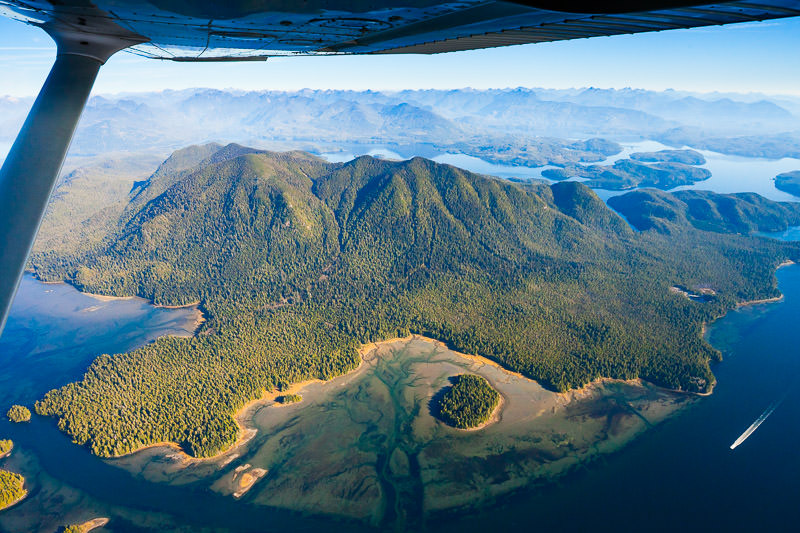
NEW! West Coast Old-Growth Hiking Guide
Explore AFA’s NEW West Coast old-growth hiking guide. From Clayoquot Sound to Port Alberni, there are trails for every skill level!
https://staging.ancientforestalliance.org/wp-content/uploads/2026/05/meares-island-big-tree-trail-tofino-1200px-338.jpg
533
800
TJ Watt
https://staging.ancientforestalliance.org/wp-content/uploads/2026/05/Ancient-Forest-Alliance-logo.svg
TJ Watt2026-05-29 12:06:002026-05-29 15:42:38NEW! West Coast Old-Growth Hiking Guide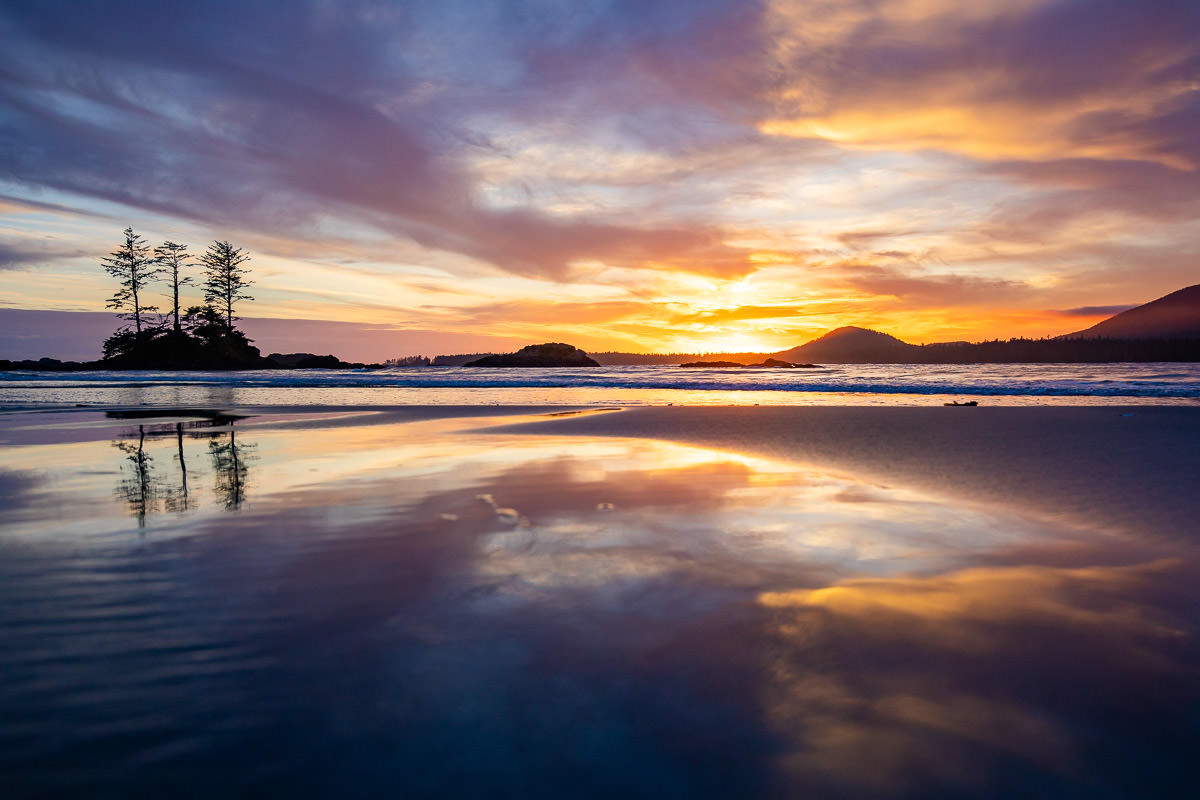
Now Hiring: Contract Graphic Designer!
Ancient Forest Alliance is hiring a contract Graphic Designer to help bring our campaigns to life through print and digital materials.
https://staging.ancientforestalliance.org/wp-content/uploads/2026/05/flores-island-wildside-trail-1200px-430.jpg
800
1200
TJ Watt
https://staging.ancientforestalliance.org/wp-content/uploads/2026/05/Ancient-Forest-Alliance-logo.svg
TJ Watt2026-05-22 12:22:292026-05-22 12:22:29Now Hiring: Contract Graphic Designer!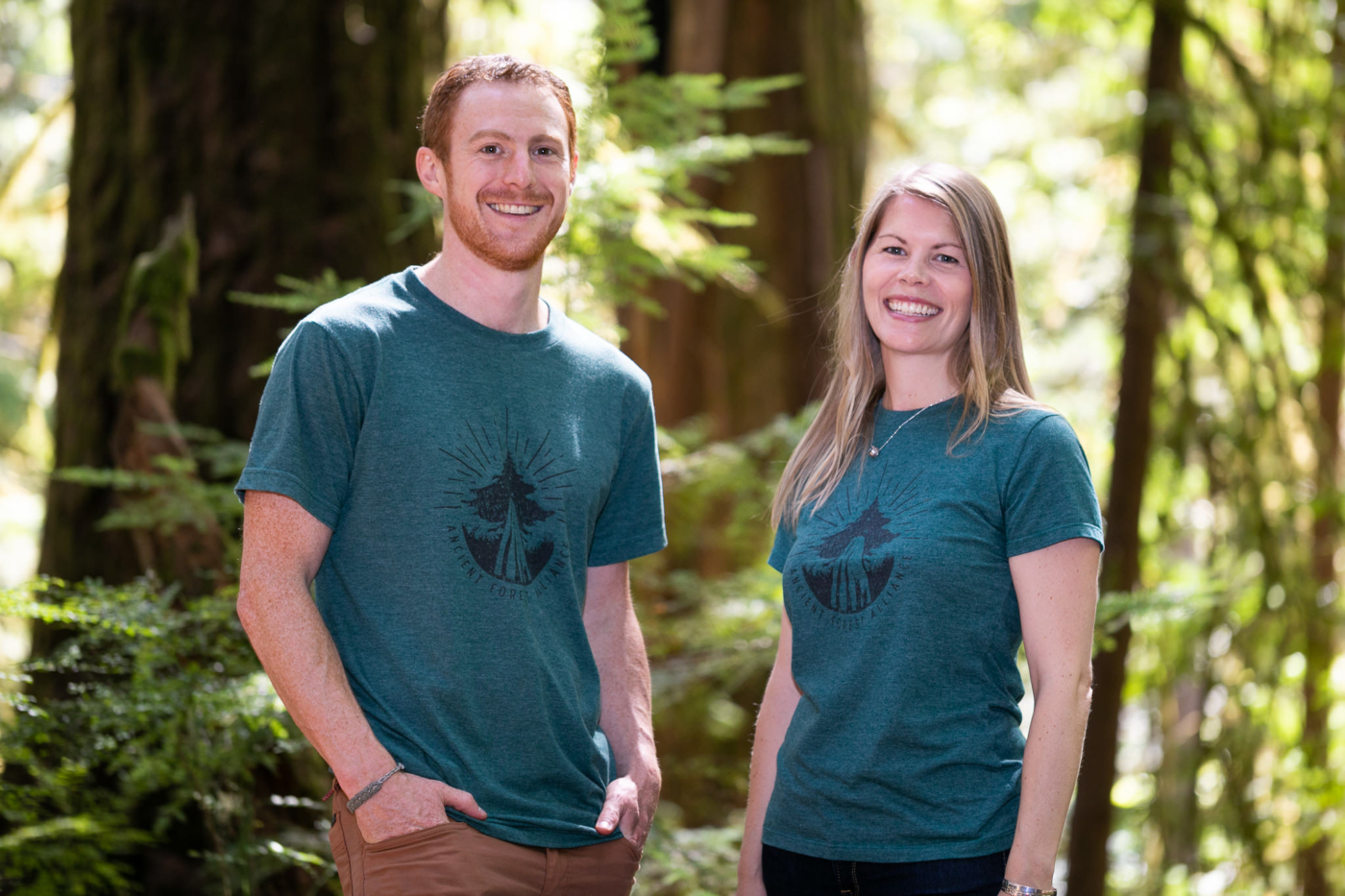
Design AFA’s Next T-Shirt and Help Protect Old-Growth Forests!
Calling all artists! For Earth Month, AFA is launching our first-ever Community T-Shirt Design Contest.
https://staging.ancientforestalliance.org/wp-content/uploads/2026/04/AFA-T-Shirt-Green-Mens-Womens.jpg
1365
2048
TJ Watt
https://staging.ancientforestalliance.org/wp-content/uploads/2026/05/Ancient-Forest-Alliance-logo.svg
TJ Watt2026-05-15 08:13:232026-05-19 09:33:44Design AFA’s Next T-Shirt and Help Protect Old-Growth Forests! Donate
 Send a Message
Environmental and labour organizations call on Island Timberlands to stop logging old-growth forest
/in News CoverageThe Council of Canadians, Pulp, Paper, and Woodworkers of Canada (PPWC) union and various environmental organizations have signed a joint statement calling on Island Timberlands to halt logging the endangered old-growth forests of McLaughlin Ridge near Port Alberni, BC. They asked the BC Liberal government show leadership and ensure the forest’s protection.
“The company and the BC government really need to heed the call of so many diverse organizations, otherwise the controversy will only continue to grow,” said Jane Morden from the Port Alberni Watershed-Forest Alliance, which is spearheading the campaign to protect old-growth forests around the region, including McLaughlin Ridge.
Island Timberland owns over 258,000 hectares of private forest lands in BC. Environmental advocates have criticized the company for logging Douglas fir forests and endangered Queen Charlotte goshawk habitat at McLaughlin Ridge.
McLaughlin Ridge is part of 78,000 hectares of land that were removed from Tree Farm Licence (TFL) 44 on Vancouver Island in 2004, which exempted the area from the environmental policies and/or regulations designed to protect species at risk, old-growth forests, ungulate winter ranges, and riparian areas.
“By all measures, McLaughlin Ridge is of the highest conservation priority – as ungulate winter range, for species at risk, for scarce old-growth Douglas-fir groves, and as part of Port Alberni’s drinking watershed,” said Ancient Forest Alliance photographer and campaigner TJ Watt in a news release.
Ancient Forest Alliance executive director Ken Wu said Island Timberlands was “charging forward to log their most contentious, environmentally significant old-growth forests and socially-valued lands” despite strong opposition to the project.
He said “time is short and options for McLaughlin Ridge will run out soon if the corporation continues to cut out the heart of its ancient forest.”
Read more: https://www.vancouverobserver.com/news/environmental-and-labour-organizations-call-island-timberlands-stop-logging-old-growth-forest
Groups fear fragile B.C. area logged
/in News CoverageEnvironmental groups and labour organizations on Vancouver Island are demanding the province lend protection to a section of forest being logged near Port Alberni — except the company in question denies it’s logging fragile areas.
McLaughlin Ridge sits about one hour southeast of Port Alberni in a 78,000-hectare parcel, including a swath being logged by Island Timberlands.
Environmental groups are concerned habitat used by deer and elk in winter is being compromised.
TJ Watt of the Ancient Forest Alliance said part of the area is valuable ungulate winter habitat, and the province was supposed to follow up with an agreement to protect parts of it after a 2004 decision to open it up to logging.
“They failed to pursue that agreement, so now Island Timberlands has moved ahead with logging these areas,” Watt said.
Meanwhile, local MLA Scott Fraser of the BC NDP said the government has ignored its own scientists, who recommended the ungulate habitat not be logged.
The land was removed from the Timber Forest License under Weyerhaeuser, and eventually acquired by Island Timberlands but, said Fraser, Victoria signed nothing more than an agreement recognizing the land was important.
“They made a big deal of signing a memorandum of understand assuring that those key values would be protected and then they didn’t do it,” he said.
But Island Timberlands said the land it has already logged is not in the area marked as ungulate territory.
“There are specific areas mapped and discussed at length across McLaughlin Ridge noted as good winter habitat for deer and elk during heavy snowfalls,” said Morgan Kennah of Island Timberlands.
“We are currently not harvesting within these mapped areas,” Kennah said. “We have no immediate plans to harvest within these areas at this time.”
The Ministry of Forests said as far as it’s concerned the land is private, adding it was told by Island Timberlands the sensitive area is not being logged.
Watt said he finds the claims they are not in the ungulate areas “questionable.”
Among those asking the government to protect the region are the Pulp, Paper and Woodworkers of Canada and Valhalla Wilderness Society.
Read more: [Original article no longer available]
Major Environmental, Labour, and Community Organizations call on Island Timberlands and the BC Government to Halt the Destruction of one of BC’s Finest Old-Growth Forests at McLaughlin Ridge
/in Media ReleaseFor Immediate Release
July 21, 2014
Major Environmental, Labour, and Community Organizations call on Island Timberlands and the BC Government to Halt the Destruction of one of BC’s Finest Old-Growth Forests at McLaughlin Ridge on Vancouver Island
Diverse organizations, including a major forestry workers union, BC’s largest environmental organizations, and community organizations, have signed a statement calling on Island Timberlands to immediately cease and desist from logging the endangered old-growth forests of McLaughlin Ridge, one Canada’s most ecologically significant old-growth forests near Port Alberni on Vancouver Island, and for the BC Liberal government show leadership and ensure the forest’s protection – before it’s too late.
Organizations that have signed on include the: Port Alberni Watershed-Forest Alliance, Ancient Forest Alliance (AFA), Pulp, Paper, and Woodworkers of Canada (PPWC) union, ForestEthics, Canopy, Greenpeace Canada, Sierra Club of BC, Canadian Parks And Wilderness Society (CPAWS), Wilderness Committee, Island Stance, Alberni Environmental Coalition, Arrowsmith Parks and Land-use Council, Port Alberni Council of Canadians, Friends of Clayoquot Sound, Save the Day, & Valhalla Wilderness Society.
“We’re excited that the ecological significance of McLaughlin Ridge and the environmental emergency caused by Island Timberlands’ logging of this magnificent ancient forest has been recognized by so many diverse organizations. This includes the province’s most powerful environmental organizations that have succeeded in protecting significant tracts of ancient forests in BC; local ‘kitchen table’ environmental groups of citizens who hold meetings in their homes, engaged in similar struggles against Island Timberlands in their neck of the woods; one of the largest forestry workers unions in BC; and other important community groups. The company and the BC government really need to heed the call of so many diverse organizations, otherwise the controversy will only continue to grow,” stated Jane Morden, coordinator of the Port Alberni Watershed-Forest Alliance, which is spearheading the campaign to protect old-growth forests around Port Alberni, including McLaughlin Ridge.
Island Timberland is the second largest private landowner in British Columbia, with over 258,000 hectares of private forest lands in BC. The controversial logging corporation’s rapid cutting of extremely scarce old-growth Douglas-fir forests, high quality ungulate (deer) winter range, and endangered Queen Charlotte goshawk habitat at McLaughlin Ridge risks escalating a wider conflict in the War in the Woods.
See older photos of the intact forest and earlier logging in 2011 at McLaughlin Ridge (media are free to reprint all photos, credit to “TJ Watt” if possible): https://staging.ancientforestalliance.org/photos-media/mclaughlin-ridge/
Conservationists raised the alarm recently when they discovered earlier this month that Island Timberlands has begun a road-building and logging spree into the heart of McLaughlin Ridge. The company had logged a 100 meter wide or greater swath of old-growth trees, traversing almost the entire span of the previously intact section of McLaughlin Ridge’s old-growth forest.
McLaughlin Ridge is part of 78,000 hectares of land that were removed from Tree Farm Licence (TFL) 44 on Vancouver Island in 2004, thereby removing the planned environmental policies and/or regulations intended to protect species at risk, old-growth forests, ungulate winter ranges, and to control the rate of cut; as well as those designated to protect riparian areas and restrict raw log exports to protect local mills.
“By all measures, McLaughlin Ridge is of the highest conservation priority – as ungulate winter range, for species at risk, for scarce old-growth Douglas-fir groves, and as part of Port Alberni’s drinking watershed. McLaughlin Ridge was supposed to be protected as part of the agreement to remove the lands from the Tree Farm Licence in 2004, but the BC government and Island Timberlands dropped the ball on the subsequent negotiations. We need Island Timberlands to cease and desist immediately from their old-growth logging operations, and for the BC government to ensure a conservation solution for this endangered ancient forest,” stated TJ Watt, Ancient Forest Alliance photographer and campaigner.
“Island Timberlands is a corporation that is constantly wading into controversy – more than any other BC logging company it seems. They are charging forward to log their most contentious, environmentally significant old-growth forests and socially-valued lands, despite the fact that these hot spots constitute a minuscule fraction of their 250,000 hectares of private forest lands in BC. This is a bad business model in this province, and I’d recommend they take a new approach. The current situation will be a lose-lose for everyone. But there are solutions, including some possible creative ones, that can be developed. However, it will require that the company immediately halt its logging operations at McLaughlin Ridge so this whole thing doesn’t become a moot point soon, and for the BC government to show their willingness to be leaders to implement a solution. But time is short and options for McLaughlin Ridge will run out soon if the corporation continues to cut out the heart of its ancient forest,” stated Ken Wu, Ancient Forest Alliance executive director.
MORE BACKGROUND INFO
McLaughlin Ridge has been recognized by the provincial government’s own biologists as one of the most important habitats for the red-listed Queen Charlotte Goshawk (an endangered bird of prey) and as one of the finest ungulate wintering ranges for coastal black-tailed deer on Vancouver Island. See: https://www.timescolonist.com/news/battle-revealed-over-use-of-sensitive-island-forest-near-port-alberni-1.10365
The area was originally intended for protection by the provincial government as an Ungulate Winter Range (UWR) and Wildlife Habitat Area (WHA), until the province’s plans changed when it removed the lands from Tree Farm Licence 44. The removal of the lands from TFL 44 in 2004 included the stipulation from the BC government that a follow-up agreement be developed between the company and the government to ensure the protection of McLaughlin Ridge and other intended UWR’s and WHA’s – however, both parties failed to pursue the agreement, and the lands are now being logged.
In total, about 2400 hectares of endangered old-growth forests originally intended for protection by the BC government as Ungulate Winter Ranges and Wildlife Habitat Areas in TFL 44 are now endangered. These lands also include Horne Mountain above the world-famous Cathedral Grove, the Cameron Valley Firebreak, Katlum Creek, and other areas – of which, about two-thirds of the total area are estimated to have now been logged. Much of the lands are within the traditional territory of the Hupacasath band. At the current pace of falling, much of McLaughlin Ridge could be logged within a few weeks.
Despite the company’s recent logging incursion into the heart of McLaughlin Ridge, a few hundred hectares of extremely endangered old-growth forests and mature second-growth forests still stand on the slope – for now. This includes major stands of old-growth Douglas-fir trees, the overwhelming majority of which have been logged on BC’s coast.
Over the past several years conservationists have been asking the BC government to purchase and protect endangered private lands – which the government did at Jordan River for example in 2010 at a popular surfing area at risk due to similar circumstances involving the removal of Western Forest Product’s private forest lands from their TFL’s. Ideally, these purchases would occur as part of a larger, dedicated “park acquisition fund” of millions of dollars each year for this purpose. At this urgent time, simply protecting the last few hundred hectares of the old-growth forests that remain at McLaughlin Ridge, Horne Mountain (above Cathedral Grove), Cameron Firebreak, Katlum Creek, etc. would be the immediate priority.
Protecting these areas would protect vital habitat for endangered species and Roosevelt elk, deer, and other wildlife; ensure clean and abundant water for fish and drinking watersheds; protect hiking, hunting, fishing, and recreational areas; and would provide huge potential for eco-tourism ventures in the area.
In addition, forest activists will start looking at options among private land trusts who may take an interest in helping to purchase McLaughlin Ridge and similar lands. Island Timberlands has recently been in conversation with local Cortes Island residents and the Strathcona Regional District about potentially selling some of its contentious forest lands on Cortes: https://www.campbellrivermirror.com