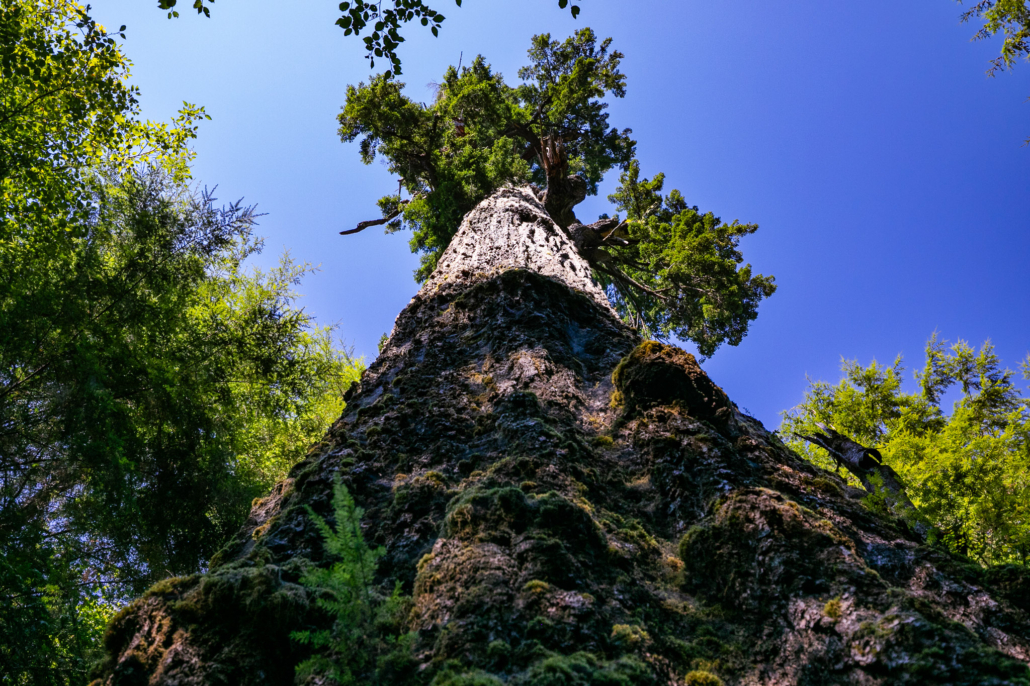
UPDATED: Port Renfrew Big Trees Map
Explore the updated Port Renfrew Big Trees Map with new directions, trails, and routes to iconic giants like Big Lonely Doug, Eden Grove, and more.
https://staging.ancientforestalliance.org/wp-content/uploads/2025/05/13-Red-Creek-Fir.jpg
1365
2048
TJ Watt
https://staging.ancientforestalliance.org/wp-content/uploads/2026/05/Ancient-Forest-Alliance-logo.svg
TJ Watt2026-05-29 15:39:342026-05-29 15:40:49UPDATED: Port Renfrew Big Trees Map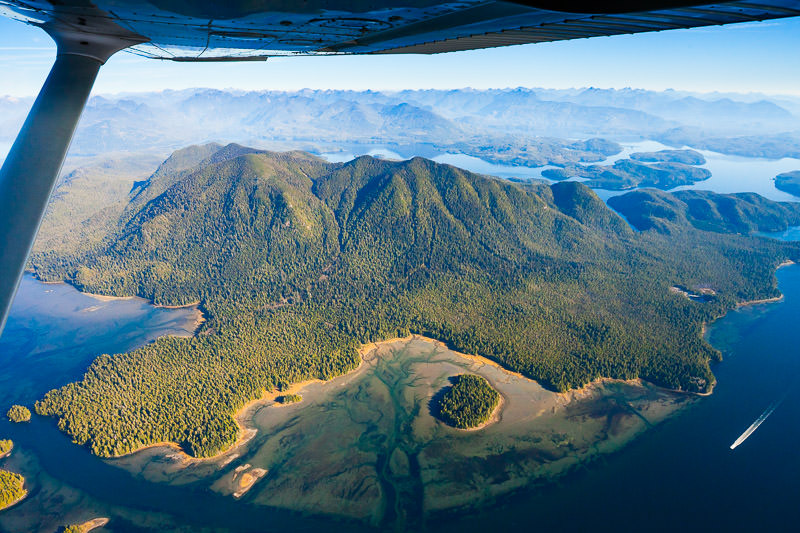
NEW! West Coast Old-Growth Hiking Guide
Explore AFA’s NEW West Coast old-growth hiking guide. From Clayoquot Sound to Port Alberni, there are trails for every skill level!
https://staging.ancientforestalliance.org/wp-content/uploads/2026/05/meares-island-big-tree-trail-tofino-1200px-338.jpg
533
800
TJ Watt
https://staging.ancientforestalliance.org/wp-content/uploads/2026/05/Ancient-Forest-Alliance-logo.svg
TJ Watt2026-05-29 12:06:002026-05-29 15:42:38NEW! West Coast Old-Growth Hiking Guide
Now Hiring: Contract Graphic Designer!
Ancient Forest Alliance is hiring a contract Graphic Designer to help bring our campaigns to life through print and digital materials.
https://staging.ancientforestalliance.org/wp-content/uploads/2026/05/flores-island-wildside-trail-1200px-430.jpg
800
1200
TJ Watt
https://staging.ancientforestalliance.org/wp-content/uploads/2026/05/Ancient-Forest-Alliance-logo.svg
TJ Watt2026-05-22 12:22:292026-05-22 12:22:29Now Hiring: Contract Graphic Designer!
Design AFA’s Next T-Shirt and Help Protect Old-Growth Forests!
Calling all artists! For Earth Month, AFA is launching our first-ever Community T-Shirt Design Contest.
https://staging.ancientforestalliance.org/wp-content/uploads/2026/04/AFA-T-Shirt-Green-Mens-Womens.jpg
1365
2048
TJ Watt
https://staging.ancientforestalliance.org/wp-content/uploads/2026/05/Ancient-Forest-Alliance-logo.svg
TJ Watt2026-05-15 08:13:232026-05-19 09:33:44Design AFA’s Next T-Shirt and Help Protect Old-Growth Forests! Donate
 Send a Message
Help needed to ID monster trees
/in News CoverageThe University of B.C. recently took on the task of turning “several bankers’ boxes of paper and physical photos” on the province’s largest trees into a usable online database — and they want the public to add to it.
The idea is that if we know where British Columbia’s largest trees are, they can be protected and studied, according to UBC forests and conservation prof. Sally Aitken.
“Those big trees really represents a biological legacy from the past. We want to maintain that legacy,” she said.
“We don’t know how these trees are going to react to climate change, to the new environment they find themselves in — if we know where they are now, it gives us a basis to monitor them.”
B.C., Aitken said, is home to some of the largest trees in the world. And despite how the existing paper-based records go back to 1986 and already contain 300 of the province’s most enormous trees, new discoveries are still regularly found.
“In the last month, we have found the third-biggest Sitka spruce in the province. In the spring, the tree that got quite a bit of press — called Big Lonely Doug — was found. It’s near Port Renfrew, it’s the second largest Douglas fir.”
Even for the existing trees in the registry, much of the data is incomplete. Many of the old records didn’t come with exact GPS co-ordinates or even directions to how to find the trees.
Technology now, however, means anyone with a smart phone can track their GPS co-ordinates and also measure the height of trees using a simple “clinometer” app that uses distance and angles to complete the measurements.
The tree registry can be found online at bigtrees.forestry.ubc.ca.
Read more:[Original article no longer available]
UBC to track B.C.’s largest trees: re-launches database
/in News CoverageUBC has re-launched their big tree database, cataloging the biggest trees in B.C.
The registry has been revamped and is now available online to the general public.
Users can search for big trees near their homes using interactive maps.
With the new database, anyone can nominate a big tree for verification by a tree expert.
To view the database, go to bigtrees.forestry.ubc.ca
VIEW VIDEO at: https://globalnews.ca/news/1583769/ubc-to-track-b-c-s-largest-trees-re-launches-database/
Big trees bring out our inner tree hugger
/in News CoverageWe go searching for them, we hug them, we’re often speechless in their presence, but what makes big trees so special? Sally Aitken, a professor of forest and conservation sciences, explains the connection we feel to these majestic giants of the forest. The Faculty of Forestry now runs the BC Big Tree Registry, a database of the biggest specimens in the province.
Why do we love big trees?
They are the largest organisms that we can see, touch and feel. They’re often very old and the idea of something that lives much longer than our human lifespan is interesting. We have trees that were around before our parents or great-grandparents or great-great-grandparents were born. These massive and beautiful organisms represent a biological legacy. We’ve harvested a lot of our old forests and those big trees that remain become more precious because there are fewer of them around.
What makes B.C.’s big trees unique?
The zone that extends from California to B.C. is one of two places where we find the biggest and tallest trees in the world. Our coastal rainforests harbour some absolutely enormous tress and it has to do with the conditions we find here–mild year-round temperatures and lots of rainfall. We have enormous Douglas-fir, Western redcedar, and Sitka spruce. The province is home to 50 different tree species and for some of those species we have the world’s largest specimens. We have the largest trees in Canada by far and ours are almost as big as the biggest trees in the world, the redwoods of California.
People are able to nominate trees into the BC Big Tree Registry. Are new big ones still being found?
It’s very exciting that trees are still getting nominated that are champion trees. Recently a group on the Sunshine Coast found some of the largest mountain hemlocks that have ever been observed. The sadder tales are the ones of trees like the ‘Big Lonely Doug,’ the second largest Douglas-fir in the province.
A lot of nominations come in from people who work in forestry and in logging. These people find trees in areas that people don’t normally walk through. Of course, there are also a number of people, including those on the Big Tree Committee, whose hobby is finding big trees. Big tree hunters love to go out to areas that haven’t been explored and look for big trees.
One member of our committee said there are big ones that are still out there to find. We want to make anyone a big tree hunter or nominator and we’ve made changes to the BC Big Tree Registry so that anyone can nominate a big tree.
What can we learn from older trees?
We know that the mortality rates of old trees are increasing with climate change. The registry helps us and citizens monitor the health of these giants over time. People will tell us if a big tree blows over, loses its top, or dies. The registry also produces data on the type of ecosystems that these trees are found in, and this information can guide certain research. We need to know where these big trees are so we can conserve them, as a biological legacy of the past, as important members of forest ecosystems today, and for future generations.
As part of National Forest Week the Faculty of Forestry is holding an event on Thursday, Sep. 25 to celebrate the BC Big Tree Registry that will include a tree climbing demonstration.
See article and view video of Climbing Big Lonely Doug at: https://news.ubc.ca/2014/09/24/big-trees-bring-out-our-inner-tree-hugger/