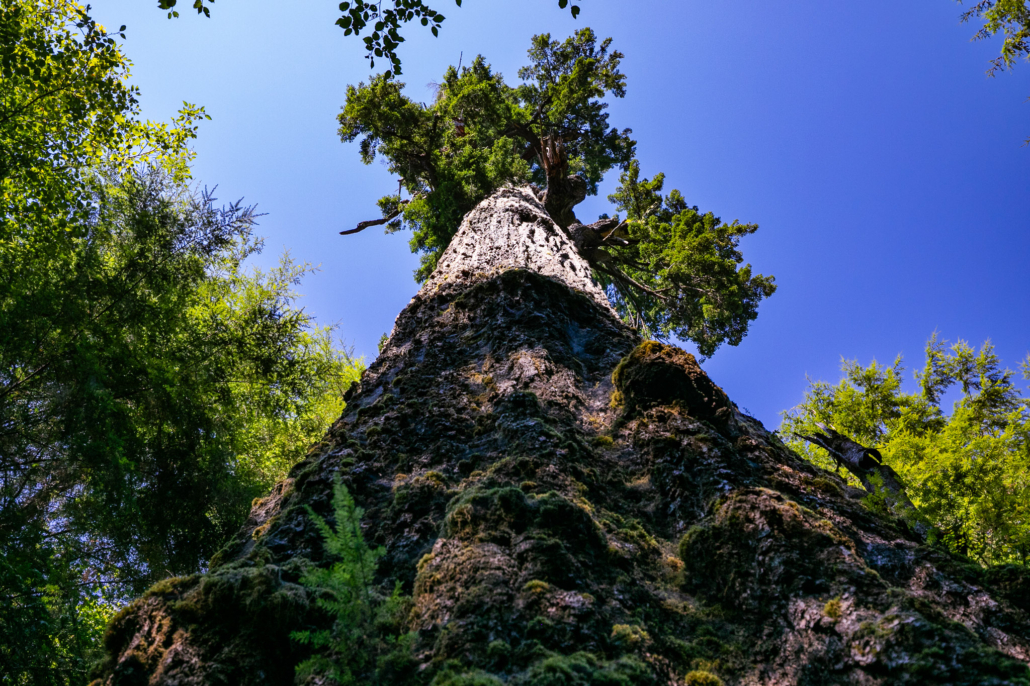
UPDATED: Port Renfrew Big Trees Map
Explore the updated Port Renfrew Big Trees Map with new directions, trails, and routes to iconic giants like Big Lonely Doug, Eden Grove, and more.
https://staging.ancientforestalliance.org/wp-content/uploads/2025/05/13-Red-Creek-Fir.jpg
1365
2048
TJ Watt
https://staging.ancientforestalliance.org/wp-content/uploads/2026/05/Ancient-Forest-Alliance-logo.svg
TJ Watt2026-05-29 15:39:342026-05-29 15:40:49UPDATED: Port Renfrew Big Trees Map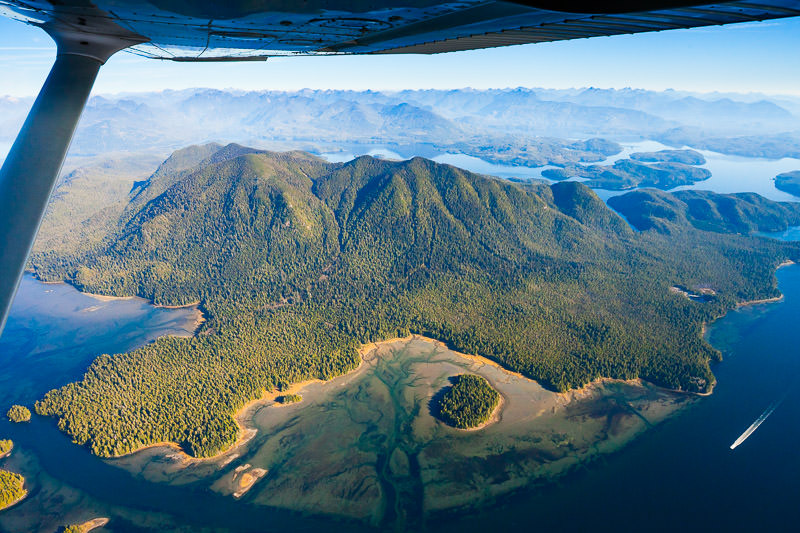
NEW! West Coast Old-Growth Hiking Guide
Explore AFA’s NEW West Coast old-growth hiking guide. From Clayoquot Sound to Port Alberni, there are trails for every skill level!
https://staging.ancientforestalliance.org/wp-content/uploads/2026/05/meares-island-big-tree-trail-tofino-1200px-338.jpg
533
800
TJ Watt
https://staging.ancientforestalliance.org/wp-content/uploads/2026/05/Ancient-Forest-Alliance-logo.svg
TJ Watt2026-05-29 12:06:002026-05-29 15:42:38NEW! West Coast Old-Growth Hiking Guide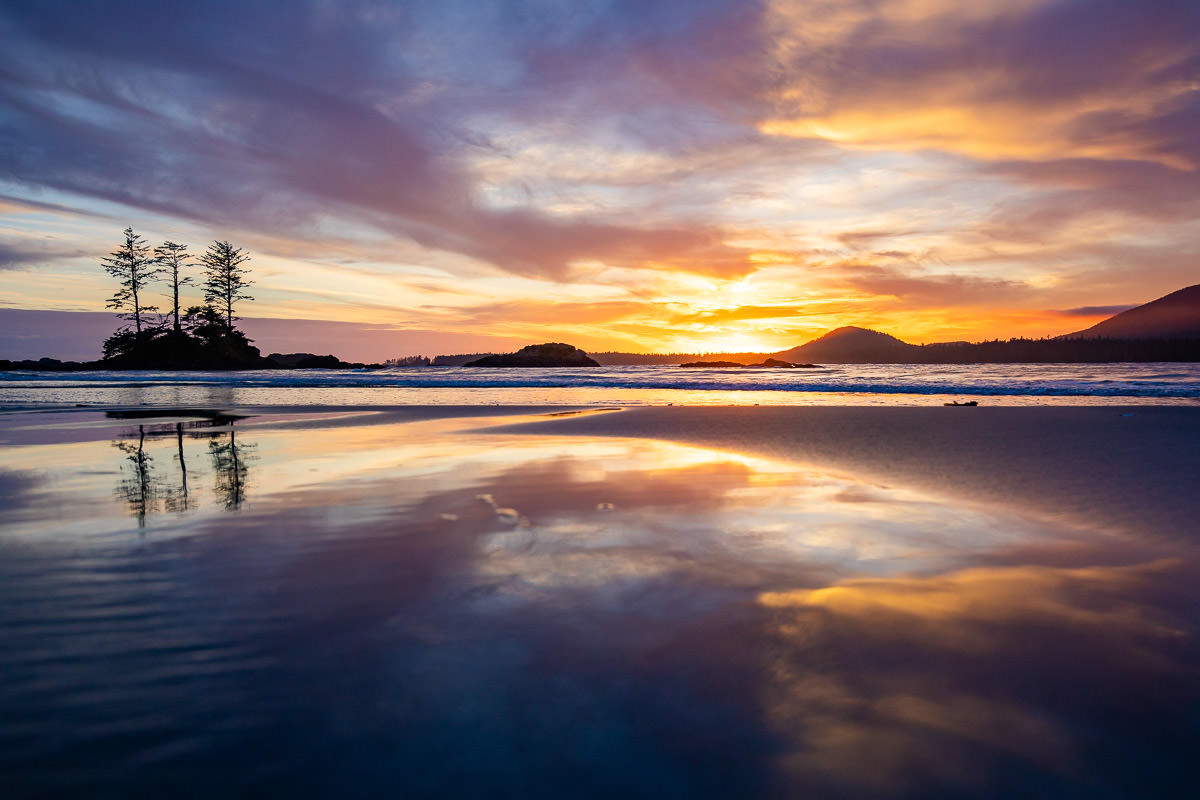
Now Hiring: Contract Graphic Designer!
Ancient Forest Alliance is hiring a contract Graphic Designer to help bring our campaigns to life through print and digital materials.
https://staging.ancientforestalliance.org/wp-content/uploads/2026/05/flores-island-wildside-trail-1200px-430.jpg
800
1200
TJ Watt
https://staging.ancientforestalliance.org/wp-content/uploads/2026/05/Ancient-Forest-Alliance-logo.svg
TJ Watt2026-05-22 12:22:292026-05-22 12:22:29Now Hiring: Contract Graphic Designer!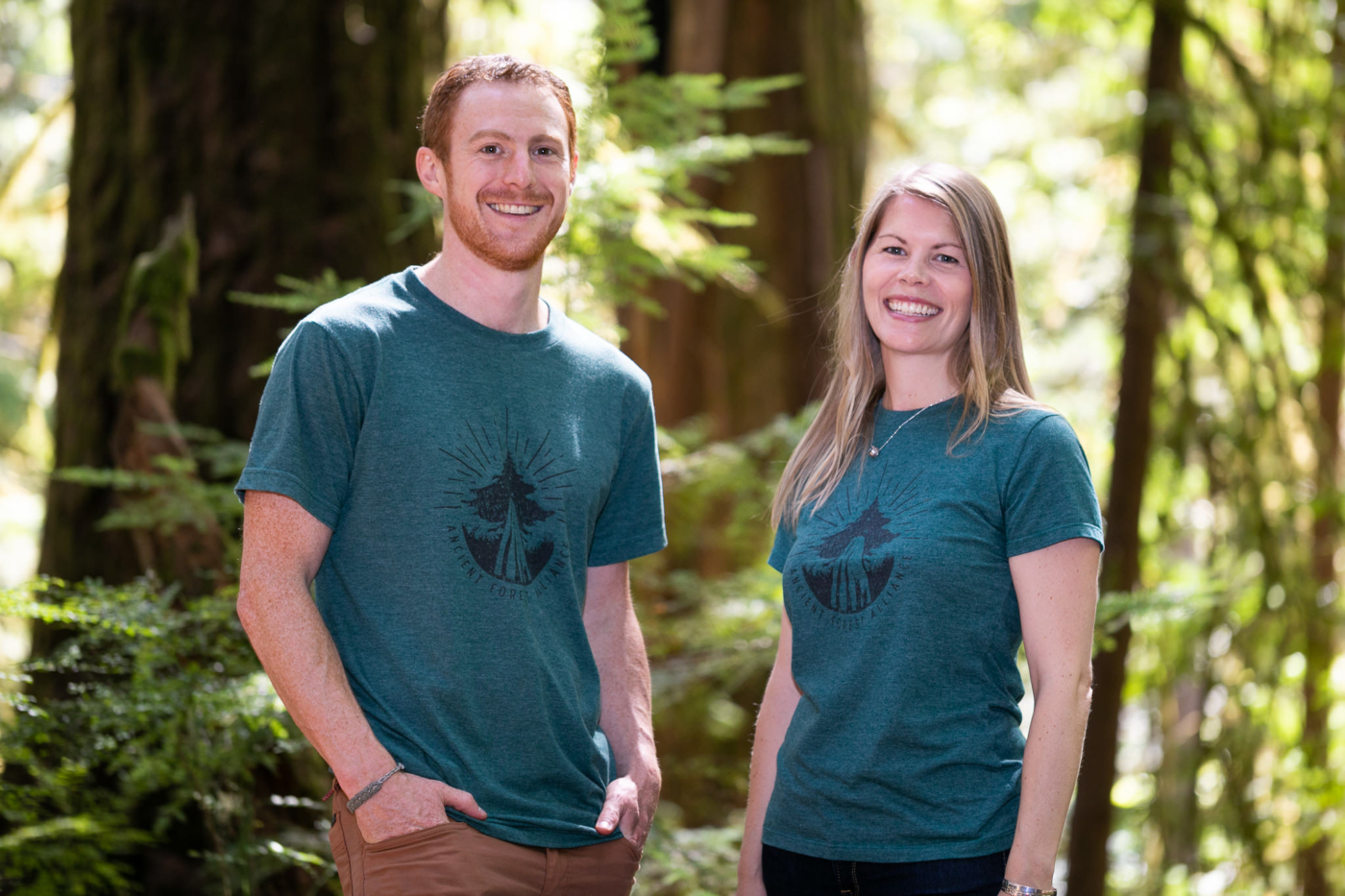
Design AFA’s Next T-Shirt and Help Protect Old-Growth Forests!
Calling all artists! For Earth Month, AFA is launching our first-ever Community T-Shirt Design Contest.
https://staging.ancientforestalliance.org/wp-content/uploads/2026/04/AFA-T-Shirt-Green-Mens-Womens.jpg
1365
2048
TJ Watt
https://staging.ancientforestalliance.org/wp-content/uploads/2026/05/Ancient-Forest-Alliance-logo.svg
TJ Watt2026-05-15 08:13:232026-05-19 09:33:44Design AFA’s Next T-Shirt and Help Protect Old-Growth Forests! Donate
 Send a Message
BC’s Oldest Forest Conservationist, 104 Year Old Al Carder, Receives Forest Sustainability Award For Decades of Service Documenting, Researching, and Promoting BC’s Old-Growth Trees
/in Media ReleaseFor Immediate Release
November 26, 2014
BC’s oldest forest conservationist, Dr. Al Carder, received public recognition last night for his decades of service to document, research, and promote the conservation of BC’s old-growth trees. The 104 year old Carder is the recipient of the 2014 “Forest Sustainability Award” from the Ancient Forest Alliance (AFA) www.AncientForestAlliance.org, a British Columbia-based conservation group working to protect BC’s endangered old-growth forests and to ensure a sustainable, second-growth forest industry. Dr. Carder’s children, Judith, Mary-Clare, and Andrew, received the award last night on behalf of their father, who is currently ill with pneumonia, at the AFA’s “end of year” forest conservation event in Victoria last night.
“Dr. Al Carder was researching and raising awareness about BC’s biggest trees years before old-growth forests became an issue of popular concern in this province. Carder, a humble and dedicated researcher, was never ‘out there’ in the public spotlight himself very much. However, his work decades ago on the most iconic parts of our old-growth forests, their unbelievably huge trees, helped to lay the foundation of public awareness that fostered the rise of the subsequent ancient forest movement,” stated Ken Wu, Ancient Forest Alliance executive director. “The Ancient Forest Alliance is very grateful for his decades of work and consider him to be a very deserving recipient of this award.”
Along with his books, Carder is perhaps best known for his work in the 1970’s to highlight the Red Creek Fir, the world’s largest known Douglas-fir tree located in the San Juan Valley near the town of Port Renfrew on Vancouver Island. The champion tree was found in 1976 by local loggers, who notified Carder about the tree. Carder measured the tree and recognized it for being the largest of its species on Earth, and worked to promote its protection.
The Red Creek Fir is now within a Forest Service Recreation Area, and is also listed in BC’s Big Tree Registry, run by the University of British Columbia – see https://bigtrees.forestry.ubc.ca/ Since then, Port Renfrew has become known as the “Tall Trees Capital of Canada”, with tourists from around the world coming to visit the Red Creek Fir and the nearby Avatar Grove, Big Lonely Doug (the second largest Douglas-fir tree in Canada, measured earlier this year by AFA campaigners), San Juan Spruce, Harris Creek Spruce, and Walbran and Carmanah Valleys.
Carder’s early work helped to inspire the late Randy Stoltmann, another renowned BC conservationist who often worked with Carder (52 years his senior) in the 1980’s and ‘90’s to research and promote the protection of BC’s biggest trees and endangered old-growth forest ecosystems.
Al Carder's love of giant trees began when he was 7 years old, helping his father measure a tall tree near their home in the lower Fraser Valley of British Columbia in 1917, and stayed with him all his life. Wherever he was, if there were tall trees nearby he would be glancing up, estimating their height.
It was so working in northern Alberta, studying in eastern Canada and Wisconsin where he obtained his doctorate in plant ecology becoming Canada's first agrometeorologist. Before this, while in England, he admired the huge hedgerow elms and he did not relinquish this habit of viewing giant trees even when he was on the firing line during World War II.
After retiring from Canada's federal agriculture service, Al and his wife, Mary, set off on a World Big Tree Hunt – Mary often being used as “scale” next to giants in Al's photos. This was productive, years later resulting in the publication of two books: Forest Giants of the World, Past and Present (1995) and Giant Trees of North America and the World (2005) with Al's “to scale” drawings.
Al continued researching, writing and self-publishing information into his 101st year with The Blooming of the Earth: A Brief History of the Advent of Plants and Man and finally Reflections of a Big Tree Enthusiast about his beloved giant Douglas-firs of the Northwest Coast. Having proved the Red Creek Tree to be Canada's largest tree, it is Al's belief that if British Columbia's Douglas-fir stands had been harvested responsibly, they would now be the world's tallest trees.
Last year’s recipient of the Ancient Forest Alliance’s Forest Sustainability Award was Scott Fraser, the Member of the Legislative Assembly in BC for the Alberni-Pacific Rim riding, for his work to protect old-growth forests and sustainable forestry jobs around Port Alberni, and to highlight the deregulation of forest lands on Vancouver Island.
Not All Is Well In B.C.’s Woods
/in News CoverageIt might surprise you to learn that there is a place just a few hours from Victoria, B.C. that is home to Canada's version of the American redwoods. It's a place where you can walk amongst groves of centuries-old trees, some with trunks as wide as your living room; where you can swim in pools of emerald-green water by the base of cascading waterfalls; where bears, cougars, and wolves still roam the wild, rugged, temperate rainforest as they have for millennia. And it may come as more of surprise to learn that its days could now be numbered unless something is done to finally protect it.
The place I'm referring to is the Upper Walbran Valley. It doesn't have the catchiest name (it sounds like a type of muffin), but it is a most magnificent place. It is located on Crown (public) land west of Lake Cowichan in the unceded territory of the Pacheedaht Nuu-Cha-Nulth people. The Walbran is home to Canada's most incredible remaining stand of unprotected old-growth redcedar trees, the Castle Grove, as well as the at-risk Central Walbran Ancient Forest, a largely intact, valley-bottom-to-mountain-top forest filled with giant old-growth cedars, delicate limestone creeks, and abundant wildlife. Thanks to the ideal growing conditions in the region, it is here that Canada's temperate rainforests reach their most magnificent proportions.
And it was here in 2004 that I first experienced their true grandeur and witnessed what really constitutes a BIG tree in B.C. — a giant redcedar that is 16 feet (five metres) wide. It was also here where I first learned that not all is well in the woods; that old-growth logging continues relentlessly in many regions of this province, including on Vancouver Island.
That first visit inspired a decade-long passion for exploring wilderness and the backroads of Vancouver Island, hunting for the last pockets of lowland ancient forests and the mammoth trees that lurk within them. One quickly discovers, however, that these seemingly indomitable forests have now sadly been reduced to a tiny fraction of their former extent. Outside of parks on southern Vancouver Island, a century of industrial logging has left us mostly with tattered patches of lowland old-growth forests, poking up above the monotonous tree plantations like tufts of grass missed when mowing the lawn.
In the early '90s, when the nearby Carmanah/Walbran Provincial Park was established, the Upper Walbran Valley and its finest stands of ancient redcedars was left out like a bite from the side of the park, and the best bite at that. The timber industry, with its voracious appetite for giant trees, continued for the next two decades to fragment a large portion of the upper valley, moving ever closer each year to the unprotected central core.
Thankfully, the Central Walbran has, until now, remained mostly intact; when compared to the surrounding area, it truly is the region's largest tract of unprotected, lowland old-growth forest left. On southern Vancouver Island the landscapes are largely clearcuts, big stumps, or tree plantations; where unprotected old-growth forests do remain, they're typically at the high elevations or in scrubby bogs along the outer coast.
You can see, then, why local conservationists became concerned upon the recent discovery of survey tape marked “Falling Boundary” and “Road Location” in the Central Walbran Ancient Forest. I recently visited the valley with AFA activist Jackie Korn to document the survey tape and the surrounding endangered forest with photos and video for the public to see.
In an email from the Ministry of Forests, Lands, and Natural Resource Operations to my old-growth tree protection organization Ancient Forest Alliance, the B.C. government stated that the Teal Jones Group, the logging licencee with tenure in this area of the Walbran Valley, has not applied for any cutting or road building permits there yet. However, the flagging tape clearly denotes the company's interest in potentially logging the ancient forest. In response, conservationists have renewed their call for the company halt any logging plans and for the B.C. government to protect the Upper Walbran through a new provincial conservancy designation.
Ecological surveys done in the Upper Walbran have revealed the presence of species at risk including marbled murrelets, Queen Charlotte goshawks, red-legged frogs, Vaux's swifts, and Keen's long-eared myotis, as well as cougars, wolves, black bears, elk, black-tailed deer, steelhead, and coho salmon.
The old-growth forests of B.C. are vital to sustaining endangered species, climate stability, tourism, clean water, wild salmon, and the cultures of many First Nations who use the old-growth redcedars to build canoes, long houses, masks, and to meet numerous other needs. Yet on the province's southern coast, satellite photos show that at least 75 per cent of the original, productive old-growth forests have been logged, including over 90 per cent of the valley bottoms where the largest trees grow (see recent maps and stats here).
The Ancient Forest Alliance is therefore calling on the B.C. government to implement a comprehensive science-based plan to protect the province's endangered old-growth forests, and to also ensure a sustainable, value-added second-growth forest industry.
Allowing B.C.'s finest ancient forests to be logged is akin to the destruction of the Great Library of Alexandria. The rich ecological and cultural histories stored over millennia in our old-growth forests provide records and are part of B.C.'s identity and support endangered species, clean water, wild salmon, tourism, recreation, and an exceptional quality of life for future generations.
Do we need wood products? Yes. But do we need to cut down one of nature's last cathedrals for more two-by-fours and pulp? No. There is a viable second-growth forest alternative that dominates most of the landscapes of southern B.C. now, and if used sustainably, it can allow for a prosperous forest industry. If we've learned anything from the widespread loss of this planet's grandest ancient ecosystems, it's that when they're gone, they're gone. You have but one chance to protect them.
Now is that chance to protect the Central Walbran Ancient Forest, the Castle Grove, and the Upper Walbran Valley — before it's too late.
Read more and view images at: https://www.huffingtonpost.ca/tj-watt/not-all-is-well-bc-woods_b_6201668.html
Taped trees in Walbran valley a red flag for environmental group
/in News CoverageConservationists are concerned a pristine area of old-growth forest near Carmanah Walbran Provincial Park is under threat after spotting logging and surveying tape in the area.
“This is a nationally significant area with some of Canada’s grandest forests,” said Ken Wu from the Ancient Forest Alliance.
The non-profit environmental group was contacted by hikers in the Central Walbran Valley after they saw surveying tape marked “falling boundary” and “road location” on trees in the area. The area is a 2 1/2 -hour drive from Victoria, about 20 kilometres northwest of Port Renfrew.
Teal Jones Group of Surrey holds the cutting rights for the area under a tree-farm licence. Teal Jones could not be reached Thursday, but Wu said the company indicated earlier the tape was for surveying and said it had not applied to the provincial government for cutting permits in the area.
The Forests, Lands and Natural Resources Ministry confirmed Thursday there were no applications by Teal Jones for forest harvesting in the area.
“But why else would a logging company survey?” Wu asked.
Two years ago, tape was found in the Upper Walbran Valley near Castle Grove, home to several colossal western red cedars. When environmentalists shared their concerns with the province, they were assured it would not be logged. It hasn’t been.
The nearby Carmanah Walbran Provincial Park was established in 1990 and expanded in 1995 to include the Upper Carmanah Valley and the lower half of the Walbran Valley. The Central Walbran Valley remains unprotected.
“These are some of the last intact lowland ancient forests,” Wu said. “There are only about five per cent left. We need to protect them.”
The Central Walbran Valley is home to a giant western red cedar that is about 60 metres tall and five metres in diameter, he said. Although the area is part of a special management zone — which aims to protect the trees — adjacent to the park, there have been numerous clearcuts since the early 1990s, Wu said.
He noted the region is also home to small saw-whet and screech owls, as well as many elk, bears, wolves and cougars.
Wu’s colleagues TJ Watt and Jackie Korn travelled to the Central Walbran Valley this week to see the taped area for themselves. “Just outside of the flagged area is one of the highest-traffic recreation regions on Vancouver Island,” said Watt, noting the nearby hiking trails, camping sites and waterfall swimming areas. The West Coast Trail, part of Pacific Rim National Park, is just a few kilometres away. “This area should be a national treasure.”
Read more: https://www.timescolonist.com/news/local/taped-trees-in-walbran-valley-a-red-flag-for-environmental-group-1.1602233