Ancient Forest Alliance
  • Home
  • About Us
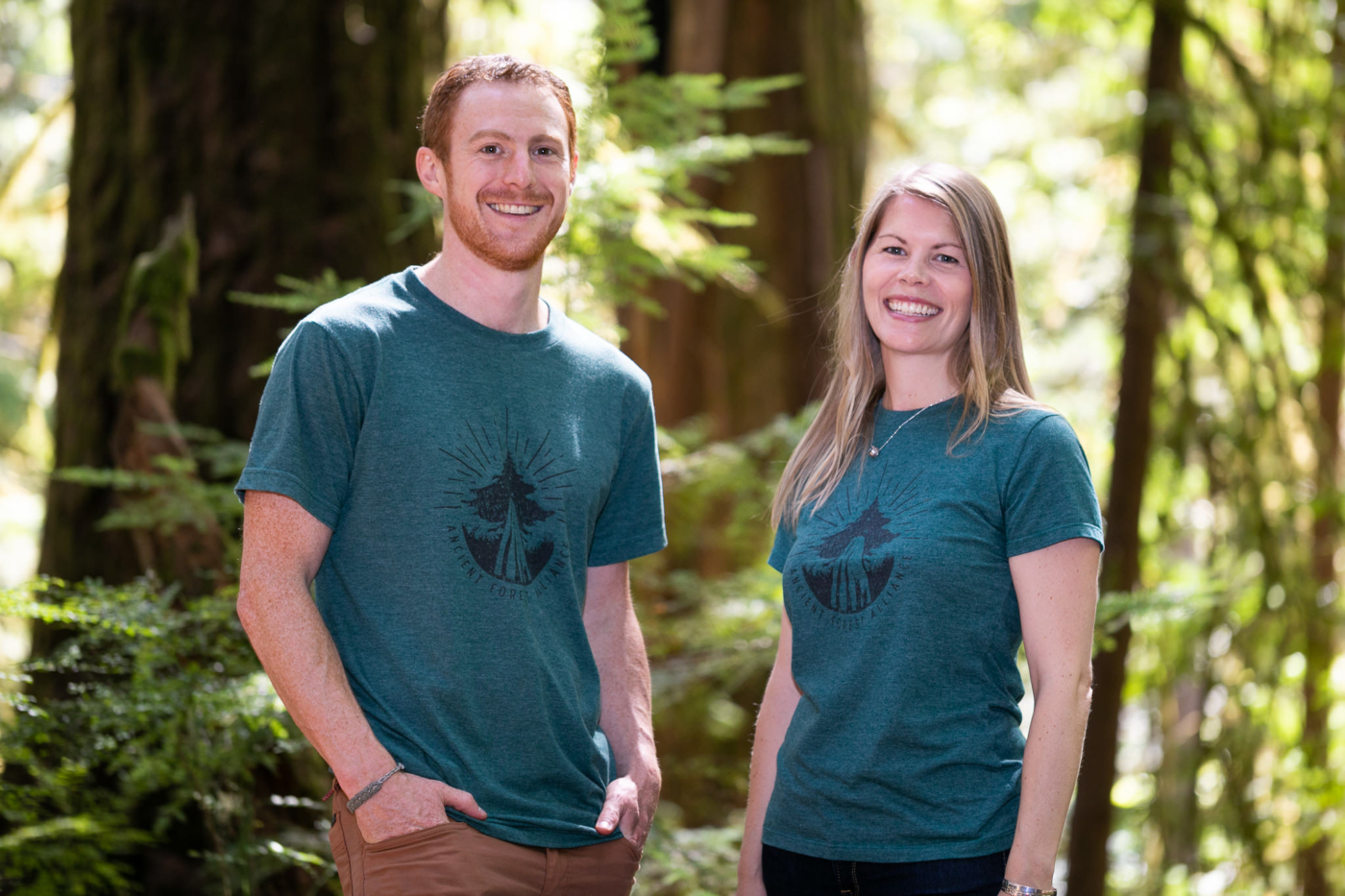
        • The six AFA team members stand beside each other in front of an old-growth Douglas-fir tree.
        • Our Mission & Team
        • History & Successes
        • Work With Us
        • Contact Us
  • Our Work
    • Campaigns
    • Building Alliances
    • Activity Reports
  • Ancient Forests
    • Hiking Guides
    • Old-Growth 101
    • Old-Growth Forests in BC: FAQs
    • Before & After Old-Growth Maps
    • Myths & Facts
    • Directions to Avatar Grove
    • Port Renfrew Big Trees Map
  • Recent News
    • Recent News
    • Media Releases
    • Research & Reports
    • Publications
    • Educational
  • Photos & Media
        • Map of Gallery Locations
        • Themes
          • Biggest Trees
          • Biggest Stumps
          • Low Productivity Old-Growth
        • Videos
        • Vancouver Island North
          • East Creek Rainforest
          • Klaskish Inlet
          • Quatsino
            • Grove of Giant Cedars Clearcut in Quatsino Sound
            • Quatsino Old-Growth Under Threat 2023
            • Mahatta River Logging
          • Spruce Bay
          • Tsitika Valley
          • White River Provincial Park
        • Vancouver Island Central
          • Barkley Sound
            • Vernon Bay
          • Clayoquot Sound
            • Canada’s Most Impressive Tree – Flores Island
            • Flores Island
            • Meares Island
            • Sydney River Valley
          • Cortes Island
            • Children’s Forest
            • Squirrel Cove Ancient Forest
          • Nootka Island
          • Port Alberni
            • Cameron Valley Firebreak
            • Cathedral Grove Canyon
            • Juniper Ridge
            • Katlum Creek
            • Nahmint Valley
            • Nahmint Logging 2024
            • McLaughlin Ridge
            • Mount Horne
            • Taylor River Valley
          • Tahsis
            • McKelvie Valley
            • Tahsis: Endangered Old-Growth Above Town
        • Vancouver Island South
          • Carmanah
            • Climbing the Largest Spruce in Carmanah
            • Carmanah Research Climb
          • Caycuse Watershed
            • Before & After Logging – Caycuse Watershed
            • Before and After Logging Caycuse 2022
            • Caycuse Logging From Above
            • Lower Caycuse River
            • Massive Trees Cut Down
          • Klanawa Valley
          • Koksilah
          • Mossy Maples
            • Mossy Maple Gallery
            • Mossy Maple Grove
          • Port Renfrew
            • Avatar Boardwalk
            • Avatar Grove
            • Big Lonely Doug and Clearcut
            • Bugaboo Ridge Ancient Forest
            • Eden Grove
            • Exploring & Climbing Ancient Giants
            • Fairy Creek Headwaters
            • Granite Creek Logging
            • Jurassic Grove
            • Loup Creek
            • Mossome Grove
            • Mossome Grove Tree Climb
          • Walbran Valley
            • Castle Grove
            • Central Walbran Ancient Forest
            • Hadikin Lake
            • Walbran Headwaters At Risk
            • Walbran Overview
            • Walbran Logging
        • Haida Gwaii
          • Haida Gwaii 2013
          • Yakoun Lake Old-Growth
          • Yakoun River Old-Growth Forests
        • Sunshine Coast
          • Day Road Forest
          • Mt. Elphinstone Proposed Park Expansion
          • Powell River
            • Eldred River Valley
            • Mt. Freda Ancient Forests
          • Roberts Creek Headwaters
          • Stillwater Bluffs
        • Inland Rainforest
          • Ancient Forest/ Chun T’oh Whudujut Provincial Park
          • Parthenon Grove
        • Mainland
          • Echo Lake
          • Kanaka Bar IPCA Proposal
  • Take Action
    • Send A Message to the BC Government
    • Sign a Resolution
  • Store
  • Donate
  • Click to open the search input field Click to open the search input field Search
  • Menu Menu
  • Store
  • Donate

Blog Archive Layout

VIDEO: Reexamining the Forest

Nov 8 2014/in Video

This great video by Wyatt Visuals, featuring researcher Ira Sutherland and Tla-o-qui-aht canoe carver Joe Martin, describes their work to measure the ecosystem services of Vancouver Island’s old-growth forests, including for First Nations cultural uses, in Nuu-chah-nulth territory in 2014.

Click here to watch on Vimeo.

https://staging.ancientforestalliance.org/wp-content/uploads/2015/01/meares-island-clayoquot-sound-bc-134.jpg 1000 1500 TJ Watt https://staging.ancientforestalliance.org/wp-content/uploads/2014/10/cropped-AFA-Logo-1000px.png TJ Watt2014-11-08 00:00:002023-04-06 19:08:15VIDEO: Reexamining the Forest

Avatar Grove Boardwalk: Preliminary Phase Complete – THANK YOU SO MUCH!

Nov 5 2014/in Announcements

Avatar Grove Boardwalk: Preliminary Phase Complete – THANK YOU SO MUCH!
Fundraising Continues for Future Upgrades in 2015

**To DONATE go to: https://staging.ancientforestalliance.org/avatar-grove-boardwalk-now-completed-and-open/

The Avatar Grove near Port Renfrew is a majestic old-growth forest of enormous redcedar trees. It has become a major tourism draw, akin to a “second Cathedral Grove”. The now-popular hiking area was saved in 2012 through a campaign lead by the Ancient Forest Alliance (AFA), with the help of thousands of our supporters and local tourism businesses with the Port Renfrew Chamber of Commerce and the Sooke Region Tourism Association. Its protection has bolstered the economy of southern Vancouver Island. Avatar Grove is in the Gordon River Valley, on Crown land in traditional Pacheedaht territory. See photos here: https://staging.ancientforestalliance.org/photos-media/

The AFA has been working since 2013 on construction of a new boardwalk to help protect the area’s delicate understory and tree roots from excessive trampling, to improve visitor access and safety, and to support local eco-tourism.

THANKS to your support, we’ve raised over $12,000 in 2014 so far and have now completed the basic, preliminary phase of the boardwalk, including including vital bridges, steps, tree-viewing platforms, and walkways over several sensitive, steep, slippery and wet sections. This is an incredible improvement from before and one that has been enjoyed by thousands of people already from all across the world. If you’ve yet to visit the grove since the work began, now’s a great time to do so!

***Funding Still Needed for 2015 Upgrades

While the initial phase of the boardwalk is complete, funds are still needed to support important future upgrades, to be continued in the spring of 2015, including walkways across the flat “muddy areas” prone to flooding and steps down the steep slope to the creek in the Upper Avatar Grove.

  • See photos of July’s boardwalk work: https://on.fb.me/1y2soWg
  • See photos of August’s boardwalk work: https://on.fb.me/1HOf1ZZ
  • See photos of September’s boardwalk work: https://on.fb.me/1aiKGYC

$100 sponsors 1 metre of boardwalk and you will receive a thank you certificate with your name or a friend’s name if it’s a gift!

  1. Donate securely online: https://staging.ancientforestalliance.org/avatar-grove-boardwalk-now-completed-and-open/
  2. By phone: 250-896-4007
  3. By Mail: Victoria Main PO, Box 8459, Victoria, BC V8W 3S1, Canada

Thank you all again for your tremendous support of this important conservation project! The trails at Avatar Grove will be enjoyed by many many folks for years and years to come.

https://staging.ancientforestalliance.org/wp-content/uploads/2018/08/Boardwalk-collage-2014-small.jpg 400 533 TJ Watt https://staging.ancientforestalliance.org/wp-content/uploads/2014/10/cropped-AFA-Logo-1000px.png TJ Watt2014-11-05 00:00:002024-06-17 15:54:38Avatar Grove Boardwalk: Preliminary Phase Complete – THANK YOU SO MUCH!

Nineteen year battle over Great Bear Rainforest on brink of peace as momentous deadline approaches

Nov 5 2014/in News Coverage

After decades of conflict and tense meetings where nerves frayed, news of whether environmental groups, First Nations, the logging industry and government have finally settled the fate of the Great Bear Rainforest may break as soon as Monday.

To fully appreciate what a momentous moment this is for B.C. and those facing environmental conflicts around the world, one needs to start at the beginning.

The Chairman

It was the first Traditional Land Use committee meeting dealing with the Great Bear Rainforest in northern B.C. and everyone, unsure where to begin, decided the next person to show up would be the chairman.

Spanning 64,000 square kilometres along British Columbia’s Central and North Pacific Coast, the Great Bear Rainforest was one of the largest unspoiled temperate rainforests in the world, and the centre of a heated battle between industry and environmentalists.

Dallas Smith, whose imposing stature is countered by his cheerful smile, was just 23 at the time. He wandered in late eating a sandwich and was assigned the job. His community, the Tlowitsis Nation on Turner Island, lacked the capacity and resources to respond to the endless demands made by industry and government so he was happy to help where he could.

It was supposed to be a short-term gig, a two year deal that gave him a way to make some money and gain a bit of experience before heading off to university.

Twenty years later, Smith, now President of the Nanwakolas Council, is still on the job.

Sitting across from me wearing a sweatshirt and a baseball hat, Smith holds his grinning 18-month old daughter Amelia and talks about how that first meeting turned into a career and became a key component of the Great Bear Rainforest Agreement, an exhaustive consultation process now nearing completion.

After four years of global environmental campaigns and 15 years of often tense negotiations, representatives from the forest industry, environmental groups, First Nations and government are now about to take the last crucial step from negotiation to implementation and legislation.

“Most of government, 'big G' government, thinks the Great Bear Rainforest is done. We announced it, they announced it 20 times, they all got lots of podium time about it… the hubbub is kind of over,” said Smith. “But what the general public doesn't know is that it all has to be implemented now.”

If finalized, the agreement will distinguish the province by protecting not only a massive tract of rainforest, but also salmon rivers, bears and wolves. It's home to the iconic “Spirit Bear”, a white bear revered by First Nation cultures, found nowhere else on the planet.

It will also be an agreement that is unique in the world, with conflicting parties coming together to keep an ecosystem intact.

“What’s going on right now is a tremendous amount of work,” said Valerie Langer, director of B.C. forest campaigns at ForestEthics Solutions. “There's an unbelievably busy schedule of policy writing, drafts of legislative language and meetings between all the parties.”

“The province is poised to seize this moment — Maybe Premier Clark thinks it was somehow part of the Campbell legacy that she didn't want to be a part of, but it's totally theirs (the Clark government's) to seize. This is an opportunity of a global scale.”

Langer has been an activist for most of her life, largely focusing on protecting the forests on the B.C. coast. She speaks with the insights gained from years of fighting to keep British Columbia's forests standing.

“First Nations, the forest industry, and the environmental community are all aligned and saying ‘we're ready, by the end of 2014 we have a package ready and it can go out’,” Nicole Rycroft said about meeting the upcoming deadline after years of frustrating delays. Rycroft, a native Australian, is the founder and executive director of Canopy, an influential NGO that uses market forces to protect forests around the world. A fearless activist, she once arrested at the Beijing Olympics for climbing billboards to hang a banner that protested the Tibetan occupation.

She jokes that her hair has “gone gray” since the early years of Great Bear Rainforest conservation efforts.

“Everybody recognizes that it needs to be legislated [to] provide a level of certainty for the Great Bear Rainforest.”

The Great Bear Rainforest Agreement includes four key elements: rainforest protection, improved logging practices, the involvement of First Nations in decision making, and the provision of conservation financing to enable economic diversification. The Rainforest Solutions Project, a coalition comprised of ForestEthics, Greenpeace, and Sierra Club B.C., describes it as a “conservation and human well-being initiative”.

From blockades to boardrooms

It's hard to imagine today, but up to 2005, just seven per cent of what became known as the Great Bear Rainforest was protected in parks. Logging companies had already been in the area for 100 years, and it wasn't until the 90s that environmentalists — the very same who had led the biggest blockades in Canada's history at Clayoquot Sound — demanded that industry stay out of pristine areas of the Great Bear Rainforest.

“People started to understand what's going on in forestry….[they] were becoming very concerned about the tremendous increase of the amount of logging in the province,” Langer said.

“The industry figured that the environmentalists would just never get there. It was so remote and logistically, it would be too difficult,” Patrick Armstrong of Moresby Consulting said in a TV interview. A former logger, Armstrong was an forestry industry representative who was at the forefront of the negotiations that were to take place.

Armstrong was amazed to hear on the radio while at a logging site on Roderick Island that there were people in white coveralls, emerging from the woods.

By the time the logging crew arrived, activists had locked themselves with bike locks to various pieces of equipment and hung massive banners calling for the protection of the rainforest.

A game-changing marketing campaign

Before a pattern of cooperation set in, “there were incredibly acrimonious campaigns on both sides,” as environmentalists, governments, and industry all fought to get the public on their side. “We were slinging metaphorical bullets at each other,” Valerie Langer smiles to remember it all as she tells the story.

Environmental organizations bought ads in Der Speigel and The New York Times while companies hired global PR giant Burson-Marsteller, whose clients have included Monsanto and tobacco company Phillip Morris.

“We launched into vicious campaigns calling each other down,” said Langer.

Many in the First Nations community were shocked at the amount of attention the campaign was getting. “We had global interest in the plight of our communities,” Smith said. “No matter how all this plays out, that's one thing I’ll always owe the environmental community, the awareness they brought to how unacceptable it is how my people have lived and been treated in Canada.”

From that flowed a market campaign that shook industry. “There had been boycott campaigns done before, where you get the consumer not to buy. But this was different. Instead of going to 300 million people and saying ‘change your minds about what you buy’, we were going to 200 major purchasers and saying ‘don't purchase from here’,” Langer said. The campaign targeted huge paper suppliers like Kinkos and Home Depot. “Their corporate decisions affected 300 million people.”

Their ads called out logging companies by name. They garnered international attention and inspired protests worldwide.

Then logging and paper corporations — including Canadian Forest Products, Western Forest Products, and Weyerhaeuser and Interfor — came to the table to talk with Rainforest Action Network, Natural Resources Defense Council, Greenpeace International, Greenpeace Canada and Sierra Club of British Columbia as part of the Joint Solutions Project. They came to a 'standstill agreement' to stop the market campaigns and start negotiating. Province and First Nations got involved as well, in later government-to-government talks.

“It was extremely difficult to get to the point where we could actually sit in the room to find solutions,” Armstrong told the Vancouver Observer.

“The catalyst for that was that both the industry and NGOS knew they couldn't sustain open warfare forever. They actually had to come up with some outcomes in the interests of both parties.”

Table-flipping arguments

In the early days, it was hard for polarized parties to talk to one another.

Negotiations with First Nations representatives got heated. Smith explained how logging companies responded to discussions about social licensing and revenue sharing.

“They went nuts,” he said. “There were meetings where there was literally violence. Tables got flipped, probably quarterly. We’d have to pull people apart, get them to calm down.”

Armstrong said he didn't recall any tables thrown in his meetings but he said the process was “very, very tense.”

He also said the negotiations changed the relationship between environmentalists and industry.

“Once you start actually negotiating with one another, it requires a type of accountability from the environmental groups too…, because they'd gone to the marketplace, dealing with big businesses in the publishing or paper side, or in the lumber side. The Home Depots. The Time Magazines of the world. They suddenly needed to be accountable to those organizations. They couldn't just show a bunch of photos about how bad everything was and ignore the fact that…there's a change taking place.

He said once conflicting parties start negotiating with each other, they couldn't resort to saying “outrageous things” about the other party anymore.

“Once you are collaborating you can't do that any more. If you do it, you lose all credibility.”

Eventually, however, people from every side began to forge unlikely alliances. They had been working together long enough, Smith said, that their clashing positions started to give way to personal connections.

“We all have roles to play, but when you're stuck in Bella Coola because of a storm, you gotta go for dinner at some point. There are only two restaurants, and you gotta sit with somebody,” said Smith laughing.

“You get past the conflict and start to realize, okay, he’s got a family just like I do.”

An international model for forest conservation

Currently under ecosystem based management, 33 per cent of the old-growth is preserved while the other regions is logged responsibly, with the need to protect animal habitat and water systems taken into consideration. It aims for high levels of human well-being at low ecological risk.

Huge changes have happened over the course of negotiations. Ten years ago, less than ten cent of the Great Bear Rainforest was under protection. In 2006 Premier Gordon Campbell put 2.1 million hectares of forest under protection and collected $120 million to be put toward First Nations initiatives. And in 2009, amendments to logging regulations set an additional 20 per cent of the forest off limits, totally 50 per cent of old growth forests under protection.

While 50 per cent is a big achievement on paper, conservationists and scientists say that to sustain the ecological integrity of the Great Bear Rainforest, 70 per cent of natural levels of old growth forest have to be maintained.

“Seventy per cent of the old growth needs to be conserved,” Nicole Rycroft confirmed.

“If we only get 50 per cent…we're going to fail as to what the ultimate objective was that everybody agreed to.”

Human well-being in the Great Bear Rainforest

When recommendations were presented collaboratively by forestry representatives and environmentalists in January 2014, “the two warring parties,” it showed the government that the fighting was finally over – that the former adversaries had agreed on how the Great Bear Rainforest should be saved, Rycroft said.

“There’s an unbelievably busy schedule of policy writing, drafts of legislative language, and meetings between all the parties,” she said.

“[And] we have this elephant in the room… The First Nations have said since 2009 the next round of conservation doesn't happen without the human well-being initiative,” she said.

The human well being component of the Great Bear Rainforest is a key part to the agreement, yet it has remained poorly understood for years. Largely, Smith said, because it is a big concept rooted in thousands of years of history.

“My people have been in our territory since time immemorial… we’re not simply dependent on the ecosystems around us, we’re a part of the ecosystems,” said Smith.

“We need to all work together to make sure that we continue to be a functioning part of these ecosystems. And what it takes to keep us there is the sharing of benefits and revenues that come from the extraction of resources,” he said.

Though specific details have not been released, the human well-being initiative would aim to raise the standard of living for First Nations communities in the Great Bear Rainforest until education, employment, and health levels were on par with rest of Canada.

“We’re one of the most economically advanced countries in the world, with the highest levels of comfort and all those sorts of things, but you go 50 miles outside of a major urban area and it is just deplorable,” said Smith.

Smith and his colleagues went to the 27 First Nations in the Great Bear Rainforest and asked them to list the ten biggest challenges facing their communities. The process took years but the results were clear. Each distinct nation listed nearly identical challenges, they were even in the same order of importance.

The top issue faced by each nation was the lack of capacity – training, time, funding – needed to process and respond to proposals from industry planning to extract resources from their land. The inability to engage with industry, often because they are overwhelmed by so many referrals at once, means First Nations communities are losing out on the opportunity to have a say on what goes on in their traditional territory.

“It was literally an epiphany moment for us,” said Smith of the realization that every community was struggling with the same issues. It gave them the ability to focus, organize solutions, and work collaboratively across nations.

Other often cited concerns were linked to high poverty levels, unemployment rates, and mental and physical health. The communities said they needed local employment security, relevant jobs training, and the establishment of a guardian watchman program that would allow them to monitor the commercial activity taking place in their region.

Expecting people in rural communities to leave to find work when there is so much money being made off of their traditional land is not good enough, Smith said.

“We watched millions of dollars a day worth of our natural resources get trucked out, right past our reserves, while we’re living in third world conditions,” he said. His people are struggling to live off the land like they used to because of all of the industrial activity, yet they are also not making a living wage off of the economic boom that is happening around them.

For Smith and his collogues the Great Bear Rainforest Agreement is about more than economics and business negotiations. There has been so much anxiety and disparity in this process he says. He pauses to smile at his daughter who is grinning at him from her highchair, but his face falls when he turns back to explain how heavy this situation has become.

“Industry, government, and ENGOs forget we have to go home and we have to face our community,” said Smith. “I have to go look people in the eye who lost someone to suicide because they literally said in their note ‘I have no other options, there is nothing I can do in this community, I had to find a way out.’”

“We have to face that. And it’s family, it’s all family.”

Pushing over the finish line

A sign of the Province’s commitment came in 2013 when Forestry Minister Steve Thompson left a caucus meeting and flew out to attend a customer-investor roundtable that was attended by some of the NGOs.

Rycroft said he gave the group a personal guarantee that finalizing the Great Bear Rainforest Agreement was a priority for the government.

“The key piece is that the Great Bear Rainforest Agreement is not finished,” said Rycroft. “We can see the finish line. We just need to push it over.”

“The forest industry wants to see these agreements implemented,” Armstrong said firmly.

“Where I sit today, there's a lot of leadership being taken by the players. I am confident we are on track to implementing the agreements, we are close to achieving what we sett out to do 15-years ago.”

Smith is cautiously optimistic that negotiations will be successful by the end of December.

“I hope I get everything on my list but I’m pragmatic, I’ve been around enough to know I’m not going to get it all now. Over time? Yeah, I’m going to get everything on that list and that is a guarantee.”

Read more: https://www.vancouverobserver.com/news/nineteen-year-battle-great-bear-rainforest-brink-peace-momentous-deadline-approaches?page=0,4 

https://staging.ancientforestalliance.org/wp-content/uploads/2018/08/GBR_VO_large.jpg 533 800 TJ Watt https://staging.ancientforestalliance.org/wp-content/uploads/2014/10/cropped-AFA-Logo-1000px.png TJ Watt2014-11-05 00:00:002023-04-06 19:08:15Nineteen year battle over Great Bear Rainforest on brink of peace as momentous deadline approaches
Page 276 of 529«‹274275276277278›»

Pages

  • ACTION ALERT: Tell the NDP government FRPA amendments must protect old-growth forests
  • AFA Policy Recommendations – 2025
  • Ancient Forests
  • BC Protected Areas Strategy (PAS)
  • Before & After Logging – Caycuse Watershed
  • Before and After Logging Caycuse 2022
  • Biggest Trees
  • BLOG ARCHIVE TEMPLATE
  • Brave testing
  • Bugaboo Ridge Ancient Forest
  • Call Premier Horgan to demand funding for old-growth protection in Budget 2022
  • Call the BC government
  • Cameron Firebreak
  • Canada’s Most Impressive Tree – Flores Island
  • Cast Your Vote for Ancient Forest Protection!
  • Caycuse Logging From Above
  • Central Walbran Valley
  • Climbing the Largest Spruce in Carmanah
  • Conservation Financing
  • Contact
  • Donate Stocks, Securities, and Mutual Funds
  • Echo Lake
  • Economic Valuation of Old-Growth Forests on Vancouver Island
  • Ecosystem-Based Targets
  • Edinburgh Mountain Ancient Forest
  • Eldred River Valley
  • Exploring & Climbing Ancient Giants
  • Fairy Creek Headwaters
  • Granite Creek Logging
  • Grove of Giant Cedars Clearcut in Quatsino Sound
  • Have your say on the BC government’s Old-Growth Strategy
  • Hiking Guides
  • Hiking Guides (copy)
  • Home
  • Join the Growing Number of BC Businesses Calling for Old-Growth Forest Protection
  • Juniper Ridge
  • Kanaka Bar Indigenous Protected and Conserved Area
  • Kanaka Bar IPCA Proposal
  • Katlum Creek
  • Katlum Creek
  • Klaskish Inlet
  • Loup Creek
  • Lower Caycuse River
  • Mahatta River Logging
  • Massive Trees Cut Down
  • McKelvie Valley
  • McLaughlin Ridge
  • Mossy Maple Rainforest
  • Mount Horne
  • Mt. Freda Ancient Forests
  • Nahmint Logging 2024
  • Nahmint Valley
  • Nahmint Valley
  • Old Growth Strategic Review Questionnaire Guide
  • Old-Growth 101 – The Facts on Ancient Forests in BC
  • Old-Growth Campaigns
  • Old-Growth Forest Hikes Near Port Renfrew
  • Old-Growth Forest Hikes Near Victoria BC
  • Our Mission & Team
  • Our Work
  • Petition
  • Photographer TJ Watt
  • Photos & Media
  • Policy recommendations to support sustainable, value-added, second-growth forestry jobs in BC
  • Pop for Parks Report
  • Privacy Policy
  • Protect Old-Growth Forests & Endangered Ecosystems in BC
  • Provincial Biodiversity and Ecosystem Health Framework
  • Provincial Land Acquisition Fund
  • Quatsino Old-Growth Under Threat 2023
  • Recent News
  • Salmon Parks Initiative
  • Send a Message
  • Send a Message
  • Send a Message
  • Spruce Bay Old Growth Trail – Port Alice
  • Sydney River Valley
  • Taylor River Valley
  • Thank you for speaking up for ancient forests!
  • Thank you for speaking up for BC’s last remaining ancient forests!
  • Thank you for speaking up for BC’s last remaining ancient forests!
  • Thank you for speaking up for endangered ecosystems!
  • Thank You for Speaking Up for Old-Growth Forests!
  • Thank you for taking action for ancient forests, your call will begin shortly!
  • Thank you for taking action for old-growth
  • Thank you for taking action for old-growth
  • Vernon Bay
  • Videos
  • Walbran Headwaters At Risk
  • Ways to Take Action
  • White River Provincial Park
  • Work With Us
  • Yakoun Lake Old-Growth
  • Yakoun River Old-Growth Forests
  • z__Archive Footer – DO NOT EDIT
  • z__Pre-Footer – DO NOT EDIT
  • z__Single Post Footer – DO NOT EDIT
  • z__Take Action row – DO NOT EDIT
  • z_Send a Message – Call for Ecosystem Based Targets
  • Activity Reports
  • Ancient Forest / Chun T’oh Whudujut Provincial Park
  • Before & After Old-Growth Maps
  • 2018 Activity Report & Financials
  • History & Successes
  • Old-Growth Forests in BC: Frequently Asked Questions
  • Parthenon Grove
  • 2017 Activity Report & Financials
  • Directions to Avatar Grove
  • Upper Tsitika Valley
  • 2016 Activity Report & Financials
  • Avatar Boardwalk
  • Building Alliances
  • 2015 Activity Report & Financials
  • Avatar Grove
  • Myths & Facts
  • Big Lonely Doug and Clearcut
  • Policy Recommendations
  • Biggest Stumps
  • Port Renfrew Big Trees Map
  • Publications
  • Cameron Valley Firebreak
  • Research & Reports
  • Carmanah Research Climb
  • Castle Grove
  • Cathedral Grove Canyon
  • Central Walbran Ancient Forest
  • Children’s Forest
  • Day Road Forest
  • East Creek Rainforest
  • Echo Lake
  • Eden Grove
  • Flores Island
  • Hadikin Lake
  • Haida Gwaii
  • Jurassic Grove
  • Klanawa Valley
  • Koksilah
  • Low Productivity Old-Growth
  • McKelvie Valley
  • McLaughlin Ridge
  • Meares Island
  • Mossome Grove
  • Mossome Grove Tree Climb
  • Mossy Maple Gallery
  • Mossy Maple Grove
  • Mount Horne
  • Mt. Elphinstone Proposed Park Expansion
  • Nootka Island
  • Roberts Creek Headwaters
  • Squirrel Cove Ancient Forest
  • Stillwater Bluffs
  • Tahsis: Endangered Old-Growth Above Town
  • Tree Climb 2014
  • Tree Climb 2016
  • Walbran Logging
  • Walbran Overview

Categories

  • Announcements
  • Creature Feature
  • Educational
  • Employment
  • Events
  • Media Release
  • News Coverage
  • Notes From The Field
  • Photo Gallery
  • Take Action
  • Thank You
  • Video

Archive

  • December 2025
  • November 2025
  • October 2025
  • September 2025
  • August 2025
  • July 2025
  • June 2025
  • May 2025
  • April 2025
  • March 2025
  • February 2025
  • January 2025
  • December 2024
  • November 2024
  • October 2024
  • September 2024
  • August 2024
  • July 2024
  • June 2024
  • May 2024
  • April 2024
  • March 2024
  • February 2024
  • January 2024
  • December 2023
  • November 2023
  • October 2023
  • September 2023
  • August 2023
  • July 2023
  • June 2023
  • May 2023
  • April 2023
  • March 2023
  • February 2023
  • January 2023
  • December 2022
  • November 2022
  • October 2022
  • September 2022
  • August 2022
  • July 2022
  • June 2022
  • May 2022
  • April 2022
  • March 2022
  • February 2022
  • January 2022
  • December 2021
  • November 2021
  • October 2021
  • September 2021
  • August 2021
  • July 2021
  • June 2021
  • May 2021
  • April 2021
  • March 2021
  • February 2021
  • January 2021
  • December 2020
  • November 2020
  • October 2020
  • September 2020
  • August 2020
  • July 2020
  • June 2020
  • May 2020
  • April 2020
  • March 2020
  • February 2020
  • January 2020
  • December 2019
  • November 2019
  • October 2019
  • September 2019
  • August 2019
  • July 2019
  • June 2019
  • May 2019
  • April 2019
  • March 2019
  • February 2019
  • January 2019
  • December 2018
  • November 2018
  • October 2018
  • September 2018
  • August 2018
  • July 2018
  • June 2018
  • May 2018
  • February 2018
  • January 2018
  • December 2017
  • November 2017
  • October 2017
  • September 2017
  • August 2017
  • July 2017
  • May 2017
  • April 2017
  • March 2017
  • February 2017
  • December 2016
  • November 2016
  • October 2016
  • September 2016
  • August 2016
  • July 2016
  • June 2016
  • May 2016
  • April 2016
  • March 2016
  • February 2016
  • January 2016
  • December 2015
  • November 2015
  • October 2015
  • September 2015
  • August 2015
  • July 2015
  • June 2015
  • May 2015
  • April 2015
  • March 2015
  • February 2015
  • January 2015
  • December 2014
  • November 2014
  • October 2014
  • September 2014
  • August 2014
  • July 2014
  • June 2014
  • May 2014
  • April 2014
  • March 2014
  • February 2014
  • January 2014
  • December 2013
  • November 2013
  • October 2013
  • September 2013
  • August 2013
  • July 2013
  • June 2013
  • May 2013
  • April 2013
  • March 2013
  • February 2013
  • January 2013
  • December 2012
  • November 2012
  • October 2012
  • September 2012
  • August 2012
  • July 2012
  • June 2012
  • May 2012
  • April 2012
  • March 2012
  • February 2012
  • January 2012
  • December 2011
  • November 2011
  • October 2011
  • September 2011
  • August 2011
  • July 2011
  • June 2011
  • May 2011
  • April 2011
  • March 2011
  • February 2011
  • January 2011
  • December 2010
  • November 2010
  • October 2010
  • September 2010
  • August 2010
  • July 2010
  • June 2010
  • May 2010
  • April 2010
  • March 2010
  • February 2010
  • January 2010

Related Posts

Announcements

Help AFA raise $250,000 by December 31st – we’re over halfway there!

Dec 15 2025
Support the protection of old-growth forests in BC through Indigenous-led conservation, science, and public action. Donate to help safeguard ancient forests.
Read more
Announcements
Read More >
https://staging.ancientforestalliance.org/wp-content/uploads/2025/12/yakoun-river-old-growth-spruce-grove-662.jpg 1366 2048 TJ Watt https://staging.ancientforestalliance.org/wp-content/uploads/2014/10/cropped-AFA-Logo-1000px.png TJ Watt2025-12-15 15:20:282025-12-15 17:55:17Help AFA raise $250,000 by December 31st – we’re over halfway there!
An aerial of a BCTS cutblock in the Nahmint Valley
News Coverage

Chek News: Document reveals approval to harvest remnant old-growth in B.C.’s northwest

Dec 8 2025
BC Timber Sales has ended a policy protecting remnant old-growth in northwest B.C., citing First Nations’ positions, sparking concerns from ecologists and residents.
Read more
News Coverage
Read More >
https://staging.ancientforestalliance.org/wp-content/uploads/2025/12/namhint-valley-logging-bcts-2024-29.jpg 1365 2048 TJ Watt https://staging.ancientforestalliance.org/wp-content/uploads/2014/10/cropped-AFA-Logo-1000px.png TJ Watt2025-12-08 13:49:362025-12-08 13:49:36Chek News: Document reveals approval to harvest remnant old-growth in B.C.’s northwest
Announcements

Thank You to Our Silent Auction business Donors!

Dec 8 2025
Thank you to these local businesses for generously donating items and experiences to our first-ever online Silent Auction!
Read more
Announcements
Read More >
https://staging.ancientforestalliance.org/wp-content/uploads/2025/10/Artlish-River-Spruce-Issy.jpg 1366 2048 TJ Watt https://staging.ancientforestalliance.org/wp-content/uploads/2014/10/cropped-AFA-Logo-1000px.png TJ Watt2025-12-08 13:17:322025-12-08 13:50:51Thank You to Our Silent Auction business Donors!
Ancient Forest Alliance photographer and campaign director TJ Watt stands beside the fallen remains of an ancient western redcedar approximately 9 feet (3 metres) wide, cut down by BC Timber Sales in the Nahmint Valley near Port Alberni in Hupačasath, Tseshaht, and Yuułuʔiłʔatḥ First Nation territory. (2024)
Announcements

Statement on the Provincial Forest Advisory Council’s Interim Report – AFA & EEA

Nov 21 2025
The Provincial Forest Advisory Council’s (PFAC) interim report falls short of addressing the root causes of BC’s forestry crisis or outlining the bold, decisive actions needed to reverse it, warn the Ancient Forest Alliance (AFA) and Endangered Ecosystem Alliance (EEA).
Read more
Announcements
Read More >
https://staging.ancientforestalliance.org/wp-content/uploads/2025/09/3-Giant-Cedar-Log-Nahmint-Valley.jpg 1365 2048 TJ Watt https://staging.ancientforestalliance.org/wp-content/uploads/2014/10/cropped-AFA-Logo-1000px.png TJ Watt2025-11-21 10:13:452025-11-21 10:15:43Statement on the Provincial Forest Advisory Council’s Interim Report – AFA & EEA
See All Posts

Take Action

 Donate

Support the Ancient Forest Alliance with a one-time or monthly donation.
How to Give

 Send a Message

Send an instant message to key provincial decision-makers.
Take Action

Get in Touch

Phone

(250) 896-4007 (Mon-Fri 9am-5pm)

Address

205-620 View Street
Victoria, B.C. V8W 1J6

Privacy Policy

  • Link to Facebook
  • Link to Instagram
  • Link to Youtube
  • Link to TikTok
  • Link to Bluesky
  • Link to Reddit

Resources

  • Recent News
  • Old-Growth 101
  • Photos & Media
  • Videos
  • Hiking Guides
  • Research & Reports

Who We Are

  • Our Mission & Team
  • History & Successes
  • Activity Reports
  • Contact
Ancient Forest Alliance

The Ancient Forest Alliance (AFA) is a registered charitable organization working to protect BC’s endangered old-growth forests and to ensure a sustainable, value-added, second-growth forest industry.

AFA’s office is located on the territories of the Lekwungen Peoples, also known as the Songhees and Esquimalt Nations.
Copyright © 2026 Ancient Forest Alliance • All Rights Reserved
Earth-Friendly Web Design by Fairwind Creative
Scroll to top
Ancient Forest AllianceLogo Header Menu
  • Home
  • About Us
    • Our Mission & Team
    • History & Successes
    • Work With Us
    • Contact Us
  • Our Work
    • Our Work
    • Activity Reports
    • Building Alliances
    • Campaigns
  • Ancient Forests
    • Hiking Guides
    • Old-Growth 101
    • Old-Growth Forests in BC: FAQs
    • Before & After Old-Growth Maps
    • Myths & Facts
    • Directions to Avatar Grove
    • Port Renfrew Big Trees Map
  • Recent News
    • Recent News
    • Research & Reports
    • Media Releases
    • Publications
    • Educational
  • Photos & Media
    • Map of Gallery Regions
    • Themes
      • Biggest Trees
      • Biggest Stumps
      • Low Productivity Old-Growth
    • Videos
    • Inland Rainforest
      • Ancient Forest/ Chun T’oh Whudujut Provincial Park
      • Parthenon Grove
    • Mainland
      • Echo Lake
      • Kanaka Bar IPCA Proposal
    • Haida Gwaii
      • Yakoun River Old-Growth
    • Sunshine Coast
      • Day Road Forest
      • Mt. Elphinstone Proposed Park Expansion
      • Roberts Creek Headwaters
      • Stillwater Bluffs
    • Sunshine Coast: Powell River
      • Eldred River Valley
      • Mt. Freda Ancient Forests
    • Vancouver Island South
      • Climbing the Largest Spruce in Carmanah
      • Carmanah Research Climb
      • Klanawa Valley
      • Koksilah
    • VI South: Caycuse Watershed
      • Before & After Logging – Caycuse Watershed
      • Before and After Logging Caycuse 2022
      • Caycuse Logging From Above
      • Lower Caycuse River
      • Massive Trees Cut Down
    • VI South: Mossy Maples
      • Mossy Maple Gallery
      • Mossy Maple Grove
    • VI South: Port Renfrew
      • Avatar Boardwalk
      • Avatar Grove
      • Big Lonely Doug and Clearcut
      • Bugaboo Ridge Ancient Forest
      • Eden Grove
      • Exploring & Climbing Ancient Giants
      • Fairy Creek Headwaters
      • Granite Creek Logging
      • Jurassic Grove
      • Loup Creek
      • Mossome Grove
      • Mossome Grove Tree Climb
    • VI South: Port Alberni
      • Cameron Valley Firebreak
      • Cathedral Grove Canyon
      • Juniper Ridge
      • Katlum Creek
      • Nahmint Valley
      • Nahmint Logging 2024
      • McLaughlin Ridge
      • Mount Horne
      • Taylor River Valley
    • VI South: Walbran Valley
      • Castle Grove
      • Central Walbran Ancient Forest
      • Hadikin Lake
      • Walbran Headwaters At Risk
      • Walbran Overview
      • Walbran Logging
    • Vancouver Island Central
      • Barkley Sound: Vernon Bay
      • Nootka Island
    • VI Central: Clayoquot Sound
      • Canada’s Most Impressive Tree – Flores Island
      • Flores Island
      • Meares Island
      • Sydney River Valley
    • VI Central: Cortes Island
      • Children’s Forest
      • Squirrel Cove Ancient Forest
    • VI Central: Tahsis
      • McKelvie Valley
      • Tahsis: Endangered Old-Growth Above Town
    • Vancouver Island North
      • East Creek Rainforest
      • Klaskish Inlet
      • Mahatta River Logging
      • Quatsino
      • Spruce Bay
      • Tsitika Valley
      • White River Provincial Park
  • Take Action
    • Send a Message
    • Sign Petition
    • Sign a Resolution
  • Store
  • Donate