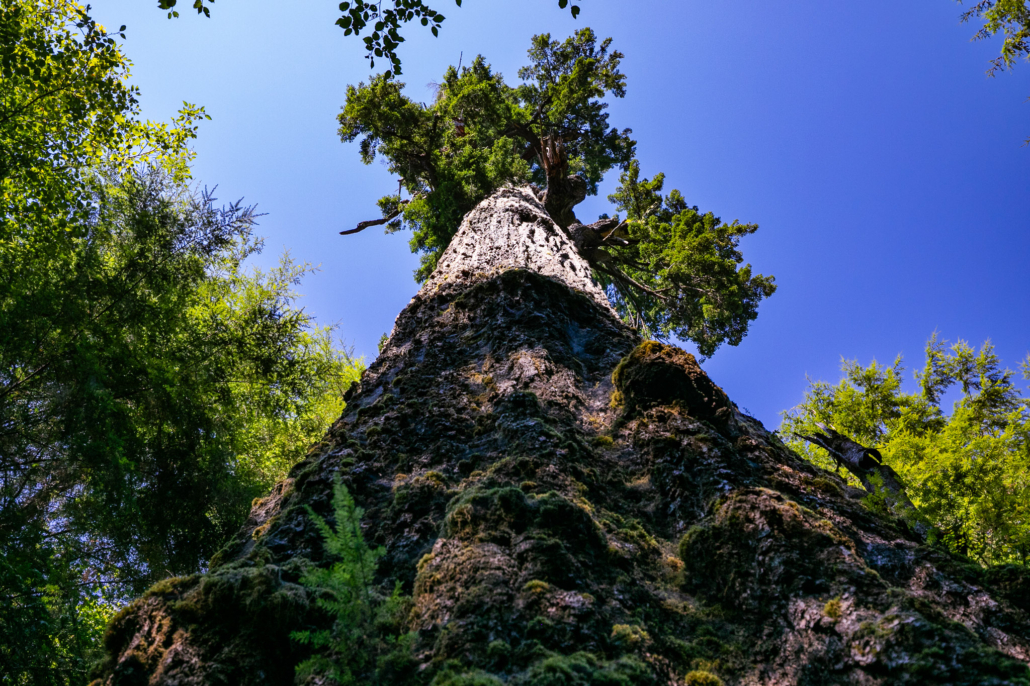
UPDATED: Port Renfrew Big Trees Map
Explore the updated Port Renfrew Big Trees Map with new directions, trails, and routes to iconic giants like Big Lonely Doug, Eden Grove, and more.
https://staging.ancientforestalliance.org/wp-content/uploads/2025/05/13-Red-Creek-Fir.jpg
1365
2048
TJ Watt
https://staging.ancientforestalliance.org/wp-content/uploads/2026/05/Ancient-Forest-Alliance-logo.svg
TJ Watt2026-05-29 15:39:342026-05-29 15:40:49UPDATED: Port Renfrew Big Trees Map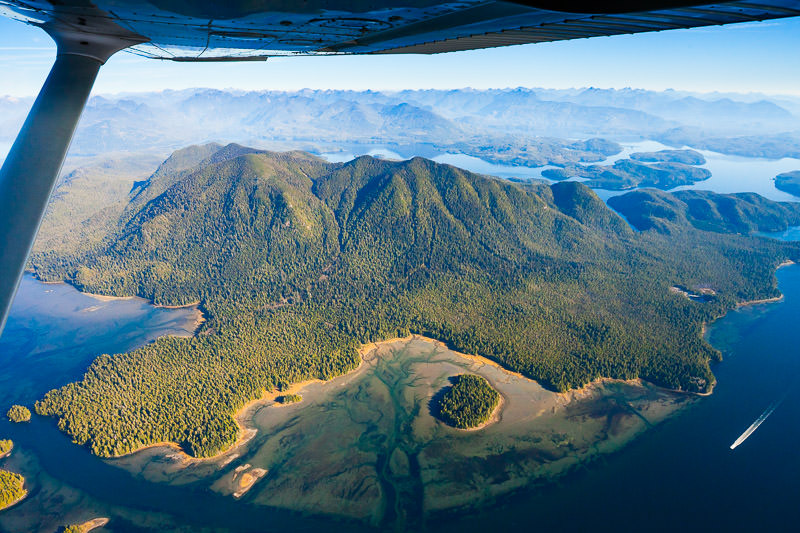
NEW! West Coast Old-Growth Hiking Guide
Explore AFA’s NEW West Coast old-growth hiking guide. From Clayoquot Sound to Port Alberni, there are trails for every skill level!
https://staging.ancientforestalliance.org/wp-content/uploads/2026/05/meares-island-big-tree-trail-tofino-1200px-338.jpg
533
800
TJ Watt
https://staging.ancientforestalliance.org/wp-content/uploads/2026/05/Ancient-Forest-Alliance-logo.svg
TJ Watt2026-05-29 12:06:002026-05-29 15:42:38NEW! West Coast Old-Growth Hiking Guide
Now Hiring: Contract Graphic Designer!
Ancient Forest Alliance is hiring a contract Graphic Designer to help bring our campaigns to life through print and digital materials.
https://staging.ancientforestalliance.org/wp-content/uploads/2026/05/flores-island-wildside-trail-1200px-430.jpg
800
1200
TJ Watt
https://staging.ancientforestalliance.org/wp-content/uploads/2026/05/Ancient-Forest-Alliance-logo.svg
TJ Watt2026-05-22 12:22:292026-05-22 12:22:29Now Hiring: Contract Graphic Designer!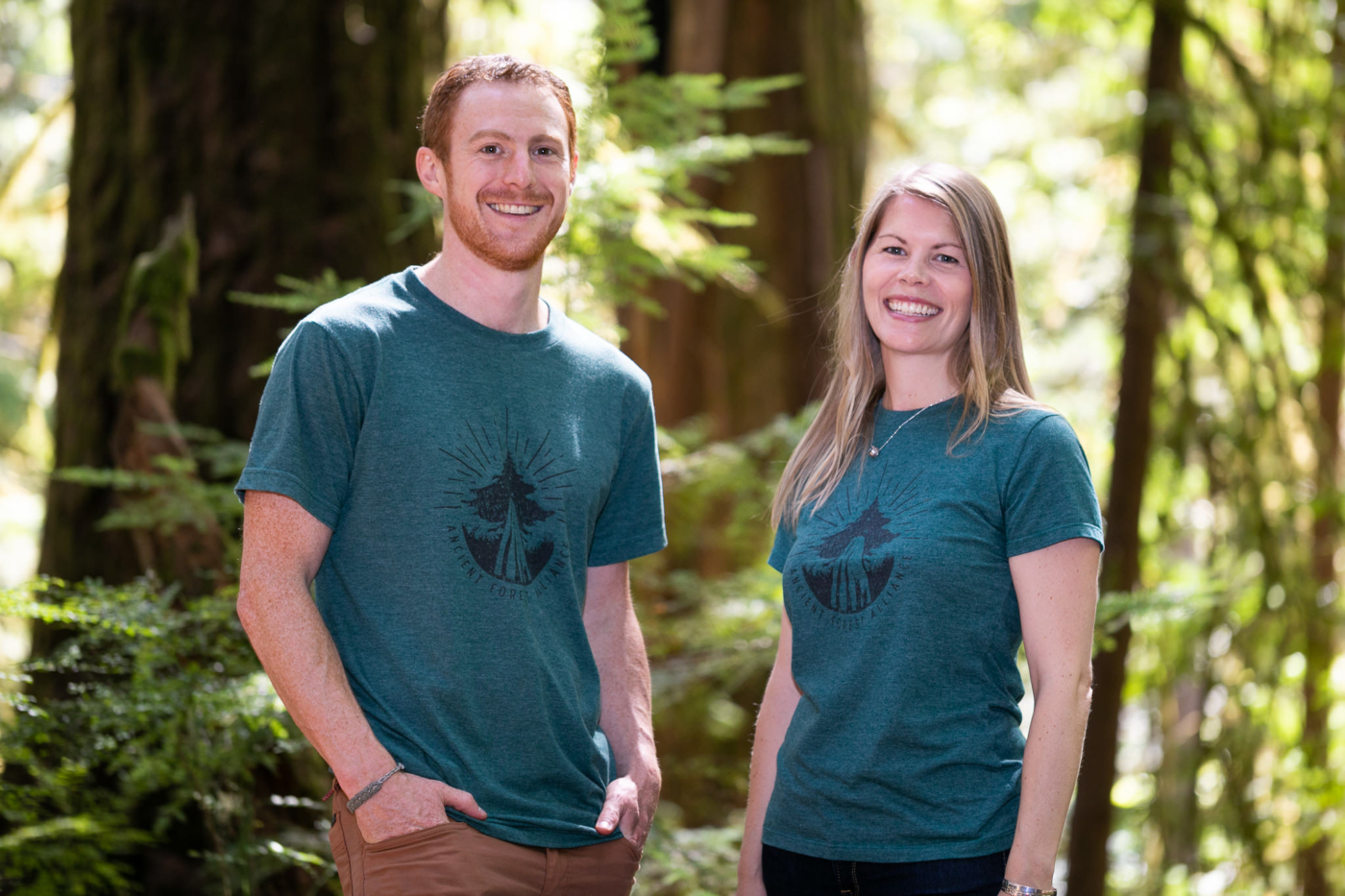
Design AFA’s Next T-Shirt and Help Protect Old-Growth Forests!
Calling all artists! For Earth Month, AFA is launching our first-ever Community T-Shirt Design Contest.
https://staging.ancientforestalliance.org/wp-content/uploads/2026/04/AFA-T-Shirt-Green-Mens-Womens.jpg
1365
2048
TJ Watt
https://staging.ancientforestalliance.org/wp-content/uploads/2026/05/Ancient-Forest-Alliance-logo.svg
TJ Watt2026-05-15 08:13:232026-05-19 09:33:44Design AFA’s Next T-Shirt and Help Protect Old-Growth Forests! Donate
 Send a Message
Thank You to the Mountain Equipment Co-op (MEC)!
/in Announcements, Thank YouThe Ancient Forest Alliance is most grateful to the Mountain Equipment Co-op (MEC) for their major support provided through their Community Contributions grant program. This funding support will allow the AFA to fully complete the Avatar Grove Boardwalk as a model for sustainable eco-tourism promoting old-growth forest conservation. See MEC's website at: www.MEC.ca
Logging company takes heat for cutting old growth trees in the Great Bear Rainforest
/in News CoverageEnvironmentalists condemned TimberWest's cutting of old growth trees in the Great Bear Rainforest, one of the largest remaining temperate rainforests in the world.
Spanning 64,000 square kilometres along British Columbia’s Central and North Pacific Coast, the Great Bear Rainforest is the home to a rich ecosystem of whales, eagles, and the rare “spirit bear” — a white bear found nowhere else on the planet and revered by the Kitasoo, Heiltsuk and Gitxaala First Nations.
“We already have a serious deficit of old growth forests in B.C., and it's very concerning that TimberWest has increased logging in the last five years,” said Sierra Club BC forest and climate campaigner Jens Wieting. The company logged 248,188 cubic metres of timber within the Great Bear Rainforest in 2009, and 778,580 in 2011.
Although TimberWest states that it is logging well within the agreed limits, forest conservationists argue the company has been targeting a vulnerable part of the rainforest at a time when sensitive negotiations to protect old growth forest are underway.
“TimberWest targeted the most endangered ecosystems while the Great Bear Rainforest negotiations have been underway,” said ForestEthics Solutions BC Forest Campaigns Director Valerie Langer.
Langer, who was on the forefront of campaigns that forced companies to limit logging in the northern rainforest, said the logging has been detrimental to the negotiations.
“It means TimberWest undermined proposed Restoration Zones that form part of the ecosystem-based management (EBM) proposal currently near completion,” she said.
The Great Bear Rainforest is at the centre of 19 years of negotiations between the province, First Nations, environmentalists and industry. If finalized, 70 per cent of old growth trees in the area will be protected—which is the threshold scientists say is necessary for the rich ecosystem to remain intact.
TimberWest chief forester and sustainability VP Domenico Iannidinardo defended the company's logging activities, saying it was committed to preserving the old growth trees in the Great Bear Rainforest.
“We've been a participant in the Great Bear Rainforest negotiations since 1996,” he said. “We've met all the requirements of sustainable harvest levels and we'll continue to do so.”
Iannidiarno said if the Great Bear Rainforest agreement is finalized, the company will have to reduce its harvest levels. He said the company was prepared to “evolve” with the times, and that it was a significant employer in remote areas of northern B.C., providing jobs to First Nations as well.
Wieting said conservation of the Great Bear Rainforest — home to grizzly bears, salmon, wolves, and birds such as the marbled murrulet and eagle — is critically important. He said if the agreement to protect 70 per cent of old growth forest in the Great Bear Rainforest is finalized, it will be an example of conservation for the rest of the world.
“This is what the world is desperately looking for — solutions that allow economic activity without undermining the environment. We're getting very close.”
He said for the agreement to be truly successful, the B.C. government will need to implement a monitoring system to ensure that logging agreements are not violated.
“There have been millions of cubic metres of over cutting in B.C. forests. The government gives companies a massive amount of flexibility with very little oversight. We will need more checks and balances to ensure the trees are protected.”
Read more: https://www.nationalobserver.com/2015/05/29/news/logging-company-takes-heat-cutting-old-growth-trees-great-bear-rainforest
Return to Sonora: TimberWest in the Great Bear Rainforest
/in News CoverageIt was exactly 2 years ago today that I published a blog on Sonora Island – the southernmost end of the Great Bear Rainforest, within the traditional territories of Kwakwaka’wakw and Coast Salish peoples. In that blog I described the struggle the local community and environmental organizations have had to improve the logging practices of TimberWest Forest Corporation – especially their curious methods of identifying old-growth forests on the ground. I wrote that this was of particular concern as this is a region where less than 5% of many forest ecosystems remains in old growth conditions, and where the majority of ecosystems are globally endangered.
Since that original blogpost there has been good news and bad news.
First the good news: TimberWest agreed to a temporary harvest moratorium on six contentious forest blocks that I described previously in that blog, while it undertook to redefine old-growth and develop reserve designs to set aside rare old growth ecosystems. It worked closely with the local community and that is great. Peachy.
Now the bad news. That temporary moratorium on the six contentious blocks is just that temporary. And, it only constitutes a mere 0.2% of the total area of TimberWest’s tenure (in its Tree Farm License 47).
And now the really bad news. Recent analysis shows that as we move towards implementing stricter logging regulations in 2015, TimberWest has dramatically accelerated its rate of logging in the southern Great Bear Rainforest part of its tree farm license over the past five years. They have logged over one million cubic metres more (the equivalent of a million telephone poles) than they have been allocated as an average Annual Allowable Cut in the five year period (from 2010 to 2014). The company has logged more than 4,400 hectares of rainforest in this area since 2009, 11 times the area of Vancouver’s Stanley Park. This is particularly concerning given that TimberWest does not currently have a plan to reserve and restore these endangered ecosystems and the species that depend on them. Indeed, in the past 5 years, more than 50% of TimberWest’s logging has occurred in areas that were identified five years ago as priorities for landscape reserves. Not only is this not consistent with the spirit and intent of Ecosystem-Based Management (and is also contrary to what their senior executive team committed to us in a 2011 letter), but also goes against the wishes and aspirations of the region’s First Nations (the leadership of these Nations have been in dialogue with TimberWest on their rate of logging and how it precludes other activities and visions for their territories, but that has gotten them nowhere).
It is for this reason, that Greenpeace along with ForestEthics Solutions and Sierra Club BC have once again gone public with our concerns (read our Press Release here). We gave TimberWest the benefit of the doubt over the past two years to get things back on track through ongoing negotiation and engagement, only to be shocked and dismayed with our finding that their logging has accelerated considerably in the region while they have been talking with us.
To emphasize our concern, yesterday we deployed our ship Esperanza to send TimberWest a strong message that their recent practices of logging as if ‘there is no tomorrow’ is entirely unacceptable given the groundbreaking and solution-oriented system of Ecosystem-Based Management that we all have worked tirelessly over the last two decades to implement. Our ship was at Sonora Island where TimberWest operates when we dropped our banner. We had a delegation of representatives from various coastal First Nations. Their drumming and singing added to the poignancy and increased my determination to be part of the collaborative effort to succeed in protecting and restoring the area to the towering old growth forests that once blanketed this region of the Great Bear Rainforest.
And so this I promise you, reader: it will not take another two years of talking and logging before you hear from me again on TimberWest. Stay tuned…
[Greenpeace blog no longer available]