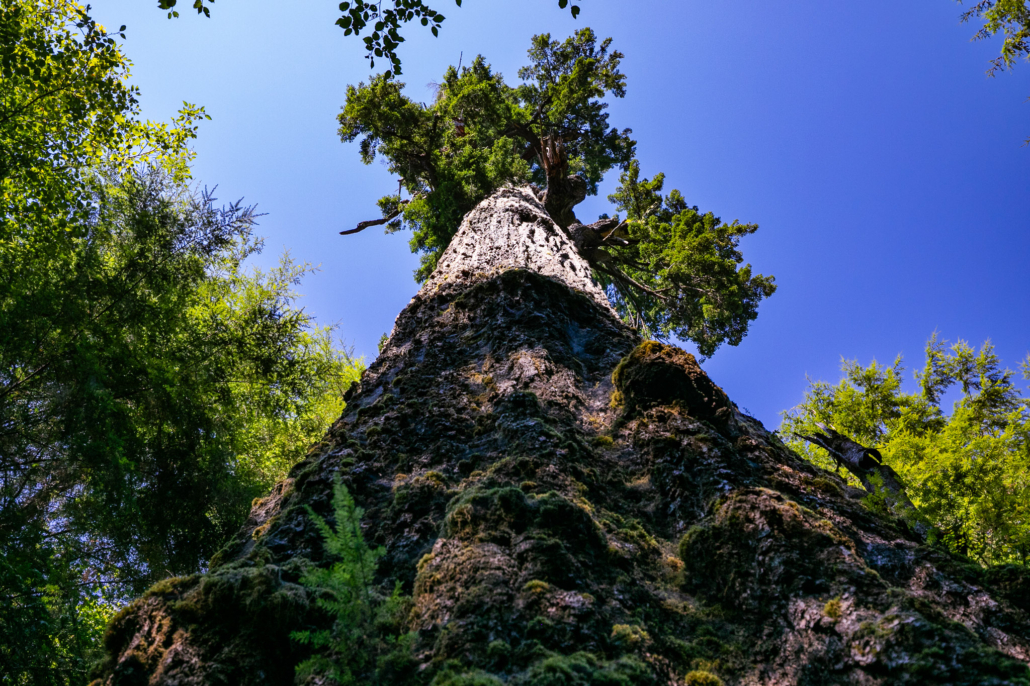
UPDATED: Port Renfrew Big Trees Map
Explore the updated Port Renfrew Big Trees Map with new directions, trails, and routes to iconic giants like Big Lonely Doug, Eden Grove, and more.
https://staging.ancientforestalliance.org/wp-content/uploads/2025/05/13-Red-Creek-Fir.jpg
1365
2048
TJ Watt
https://staging.ancientforestalliance.org/wp-content/uploads/2026/05/Ancient-Forest-Alliance-logo.svg
TJ Watt2026-05-29 15:39:342026-05-29 15:40:49UPDATED: Port Renfrew Big Trees Map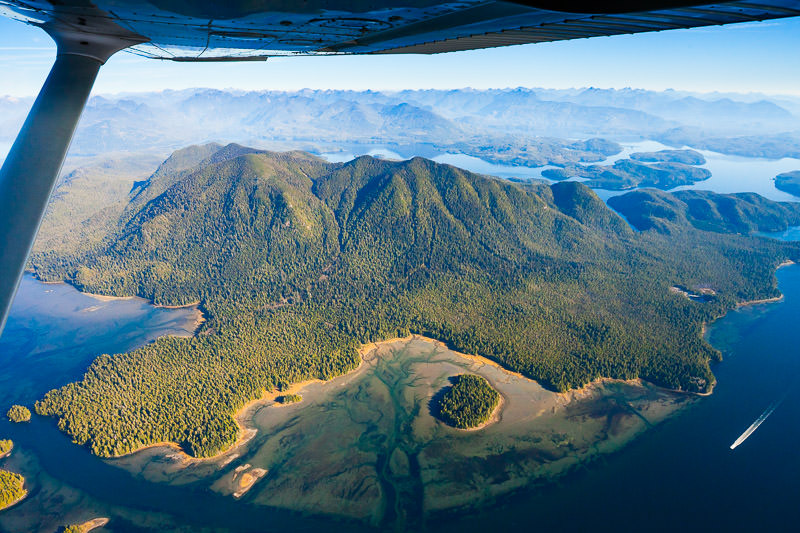
NEW! West Coast Old-Growth Hiking Guide
Explore AFA’s NEW West Coast old-growth hiking guide. From Clayoquot Sound to Port Alberni, there are trails for every skill level!
https://staging.ancientforestalliance.org/wp-content/uploads/2026/05/meares-island-big-tree-trail-tofino-1200px-338.jpg
533
800
TJ Watt
https://staging.ancientforestalliance.org/wp-content/uploads/2026/05/Ancient-Forest-Alliance-logo.svg
TJ Watt2026-05-29 12:06:002026-05-29 15:42:38NEW! West Coast Old-Growth Hiking Guide
Now Hiring: Contract Graphic Designer!
Ancient Forest Alliance is hiring a contract Graphic Designer to help bring our campaigns to life through print and digital materials.
https://staging.ancientforestalliance.org/wp-content/uploads/2026/05/flores-island-wildside-trail-1200px-430.jpg
800
1200
TJ Watt
https://staging.ancientforestalliance.org/wp-content/uploads/2026/05/Ancient-Forest-Alliance-logo.svg
TJ Watt2026-05-22 12:22:292026-05-22 12:22:29Now Hiring: Contract Graphic Designer!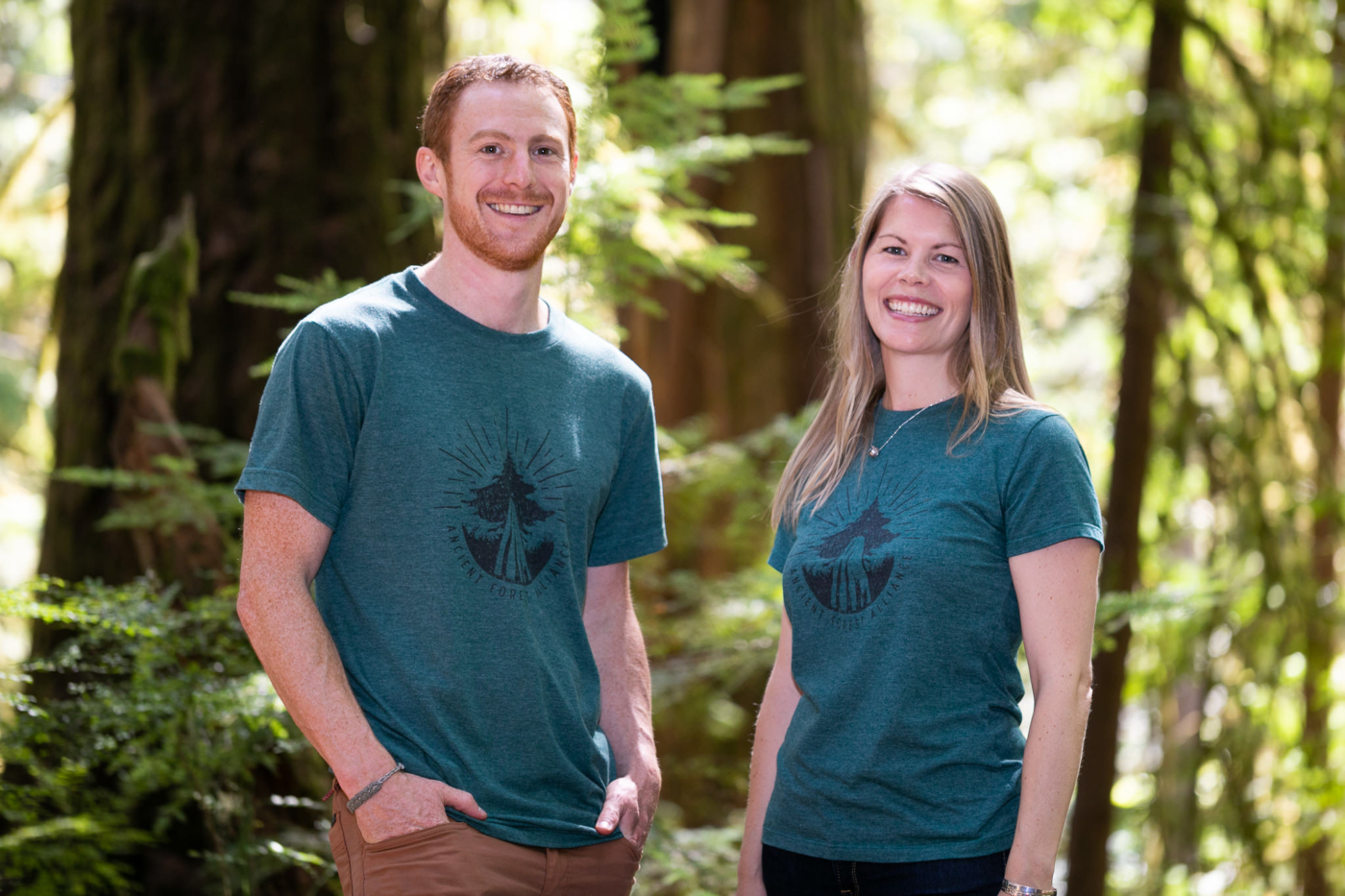
Design AFA’s Next T-Shirt and Help Protect Old-Growth Forests!
Calling all artists! For Earth Month, AFA is launching our first-ever Community T-Shirt Design Contest.
https://staging.ancientforestalliance.org/wp-content/uploads/2026/04/AFA-T-Shirt-Green-Mens-Womens.jpg
1365
2048
TJ Watt
https://staging.ancientforestalliance.org/wp-content/uploads/2026/05/Ancient-Forest-Alliance-logo.svg
TJ Watt2026-05-15 08:13:232026-05-19 09:33:44Design AFA’s Next T-Shirt and Help Protect Old-Growth Forests! Donate
 Send a Message
**DEADLINE OCT 31st!** Help Establish a new South Okanagan Similkameen National Park – Please SEND a MESSAGE now!
/in Take ActionFor over a decade, conservationists have been working to establish a national park in the South Okanagan and Similkameen Valleys near Osoyoos in the hottest region of southern British Columbia, in order to protect some of the most endangered ecosystems in Canada. While this area is best known for its grasslands and the “pocket desert” (antelope brush ecosystem), it also includes significant stands of old-growth Ponderosa pines – perhaps the most fragrant smelling tree in Canada – and interior Douglas-firs, particularly in the central part of the proposal (known as “Area 2”, around Mount Kobau) and scattered throughout the proposed park lands.
The Province of B.C. recently announced a new proposed conservation framework, including national park designation, for the South Okanagan-Similkameen and they have invited public comments until October 31. This is wonderful news! And now we need to seize this once-in-a-lifetime opportunity to establish a national park here.
Please take the time to SEND a MESSAGE to let the province know what makes this area special to you, and why this deserves the highest level of protection – especially by including Area 2 in the national park.
Go to: https://sosnationalpark.wordpress.com/
Help Create a Sizeable Inland Rainforest Protected Area east of Prince George! (Nov. 2nd, 4:00 pm deadline!)
/in AnnouncementsThe Province of BC is looking at establishing a new protected area in the “northern wetbelt” rainforest east of Prince George next to Slim Creek Provincial Park, and is soliciting feedback on a plan to protect the unique ecosystems of the beloved Ancient Forest (where thousands of people have now hiked the trails among the giant cedars)
The proposed protected area includes unlogged temperate rainforest with trees over 1,000 years old, as well as rare plants and lichens.
Local conservationists with the Northern Wetbelt Working Group are proposing that protections be significantly expanded, based on scientific recommendations that sustaining biodiversity and the ecological integrity of the area over the long-run requires a larger area.
PLEASE sign-on to a letter supporting a new protected area, including on an expanded scale based on science, at: [Link not available].
The province is also accepting email comments on the plan; send your feedback to ancientforest@gov.bc.ca before Nov. 2, 4 p.m.
Thank you!
Photo Gallery of Avatar Grove Boardwalk Construction! October 2015
/in Photo GalleryPhoto Gallery: https://on.fb.me/1LCZVtCA
A big show of gratitude and thanks to the over 20 volunteers who came out to build boardwalk at Avatar Grove last weekend and to the many of you who have donated towards this project so far! We made significant progress in the lower grove, constructing close to 80ft (25 m) of new boardwalk and bridges over the area prone to flooding. These vital improvements come just in time before the heavy winter rains begin. Volunteers also worked to add traction to many metres of boardwalk, restore parts of the trail which were showing signs of wear, and helped make the route more clear to follow. There’s still a few key sets of stairs and bridges to get built but we’re making great headway on what has become one of the island’s most popular hiking trails! Thanks to Matt, Ron, Vincent, Nickey, Jessica, Nimai, Eagle, Will, Marc, Heath, Kristin, Chris, Jeremy, Shannon, Pearson College students Navo, Kevin, Will, Lauren, Michael, Matilde, Connor, and AFA boardwalk coordinator TJ Watt.