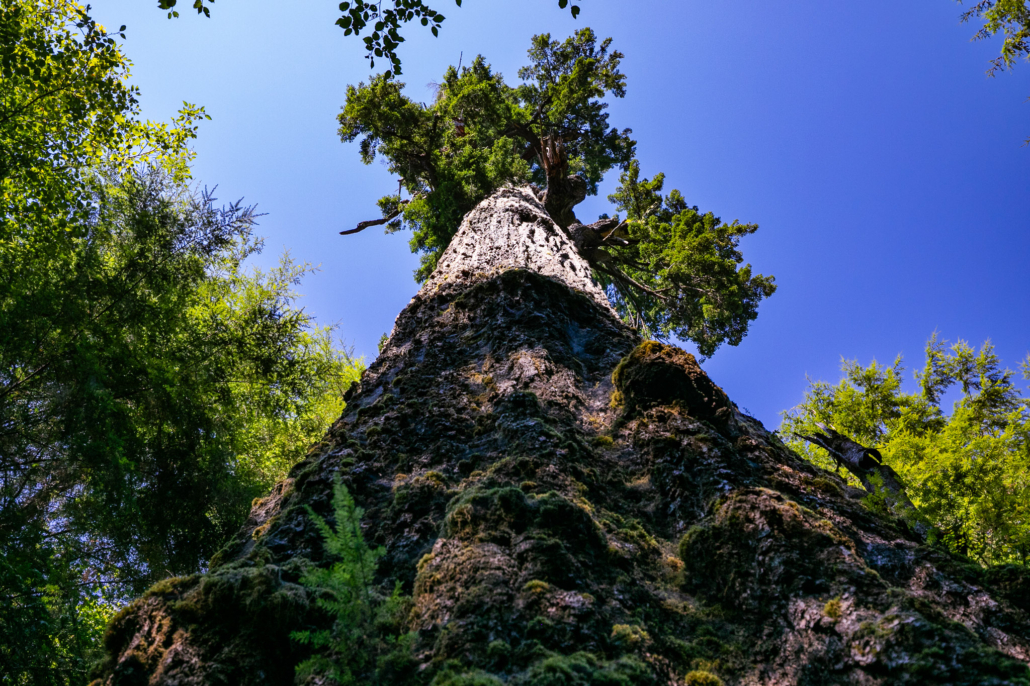
UPDATED: Port Renfrew Big Trees Map
Explore the updated Port Renfrew Big Trees Map with new directions, trails, and routes to iconic giants like Big Lonely Doug, Eden Grove, and more.
https://staging.ancientforestalliance.org/wp-content/uploads/2025/05/13-Red-Creek-Fir.jpg
1365
2048
TJ Watt
https://staging.ancientforestalliance.org/wp-content/uploads/2026/05/Ancient-Forest-Alliance-logo.svg
TJ Watt2026-05-29 15:39:342026-05-29 15:40:49UPDATED: Port Renfrew Big Trees Map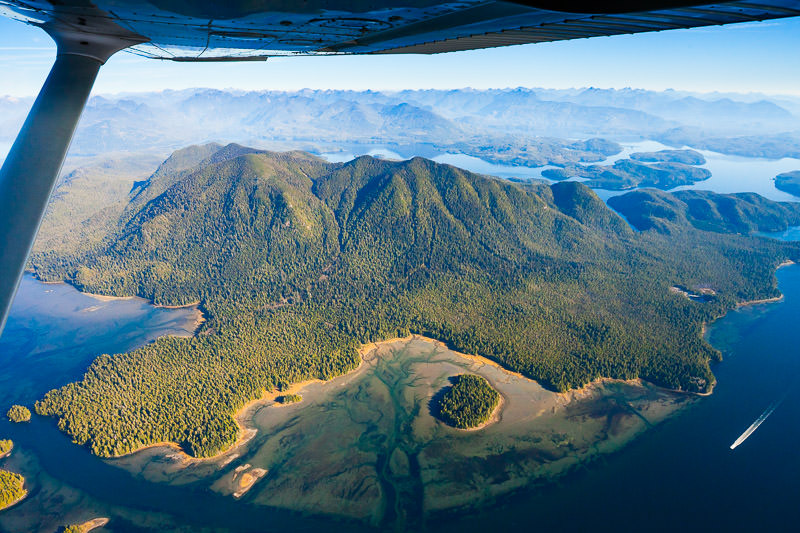
NEW! West Coast Old-Growth Hiking Guide
Explore AFA’s NEW West Coast old-growth hiking guide. From Clayoquot Sound to Port Alberni, there are trails for every skill level!
https://staging.ancientforestalliance.org/wp-content/uploads/2026/05/meares-island-big-tree-trail-tofino-1200px-338.jpg
533
800
TJ Watt
https://staging.ancientforestalliance.org/wp-content/uploads/2026/05/Ancient-Forest-Alliance-logo.svg
TJ Watt2026-05-29 12:06:002026-05-29 15:42:38NEW! West Coast Old-Growth Hiking Guide
Now Hiring: Contract Graphic Designer!
Ancient Forest Alliance is hiring a contract Graphic Designer to help bring our campaigns to life through print and digital materials.
https://staging.ancientforestalliance.org/wp-content/uploads/2026/05/flores-island-wildside-trail-1200px-430.jpg
800
1200
TJ Watt
https://staging.ancientforestalliance.org/wp-content/uploads/2026/05/Ancient-Forest-Alliance-logo.svg
TJ Watt2026-05-22 12:22:292026-05-22 12:22:29Now Hiring: Contract Graphic Designer!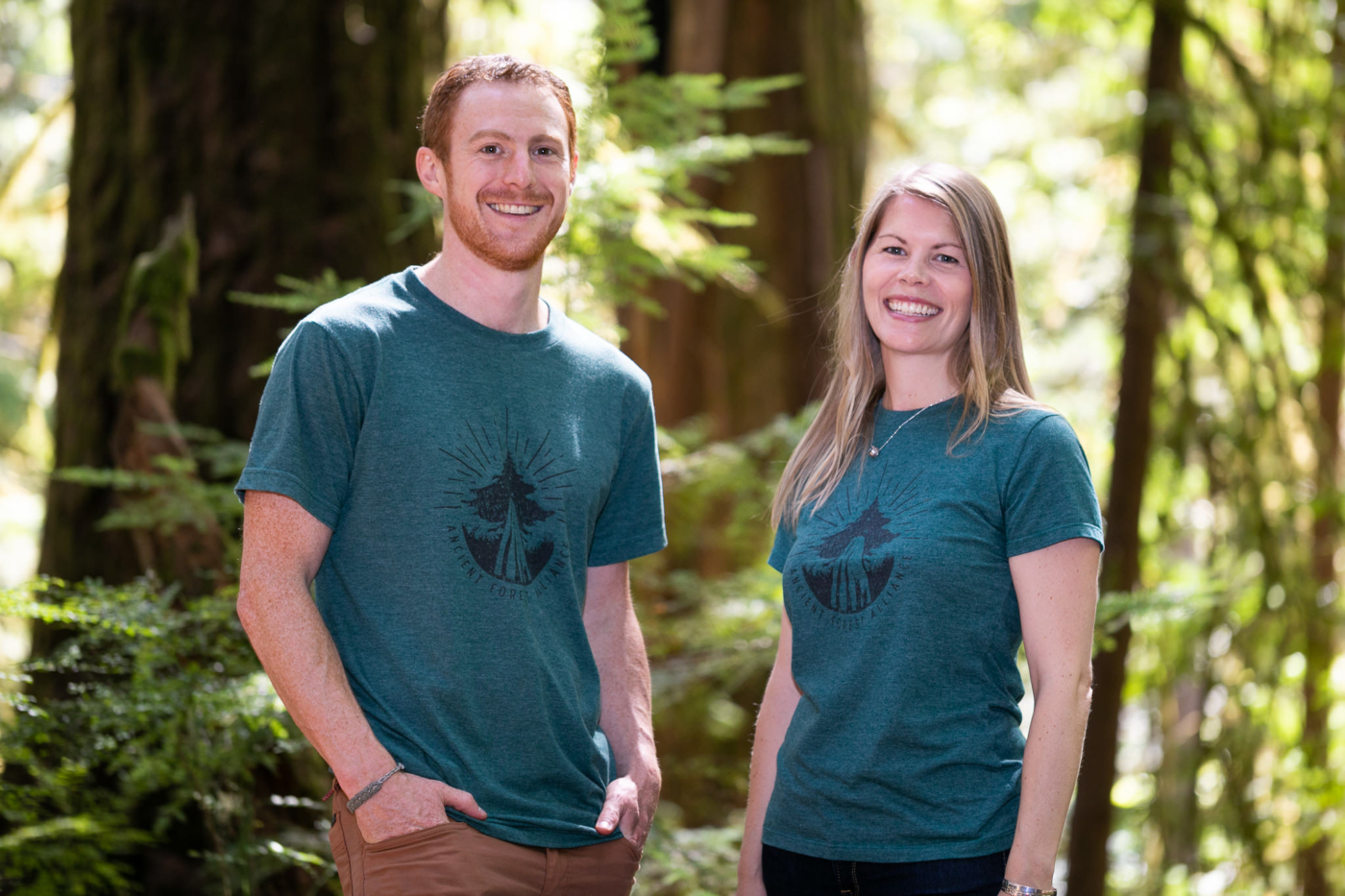
Design AFA’s Next T-Shirt and Help Protect Old-Growth Forests!
Calling all artists! For Earth Month, AFA is launching our first-ever Community T-Shirt Design Contest.
https://staging.ancientforestalliance.org/wp-content/uploads/2026/04/AFA-T-Shirt-Green-Mens-Womens.jpg
1365
2048
TJ Watt
https://staging.ancientforestalliance.org/wp-content/uploads/2026/05/Ancient-Forest-Alliance-logo.svg
TJ Watt2026-05-15 08:13:232026-05-19 09:33:44Design AFA’s Next T-Shirt and Help Protect Old-Growth Forests! Donate
 Send a Message
Conservation groups plan a provincial fund to buy new parks
/in News CoverageIsland Tides, a great newspaper serving the Gulf Islands, has printed the full article on the 16 conservation and recreation groups in BC calling on the BC government to establish a $40 million/year land acquisition fund to purchase and protected endangered ecosystems on private lands. Places like McLaughlin Ridge in Port Alberni's drinking watershed, Horne Mountain above Cathedral Grove, the Cameron Valley Firebreak (similar to a 2nd Cathedral Grove but unprotected), the Koksilah, Muir Creek, Stillwater Bluffs, the Day Road Forest…and hundreds of other endangered areas on private lands could benefit from such a fund.
See the full article in the Island Tides at: https://islandtides.com/assets/reprint/environment_20160128.pdf
Push for provincial land-acquisition fund gathers steam
/in News CoverageA plan to establish an annual $40-million provincial fund to purchase private land now has 16 conservation and recreation groups behind it.
“That’s just going to continue to grow,” said Ken Wu of the Ancient Forest Alliance.
Wu said that the push to preserve more land takes in a variety of needs, including protecting watersheds that supply drinking water and helping tourism by keeping natural areas intact. He said he expects tourism businesses to start getting behind the fund.
The call for a provincial fund has picked up momentum with a report from the University of Victoria’s Environmental Law Centre that included a “menu” of funding options used by governments across North America.
“They don’t even have to raise taxes for a good chunk of this,” Wu said, noting one measure that has worked well in other places is using unredeemed deposits from beverage containers.
Dubbed “pops for parks,” it is estimated that the strategy could generate $10 million to $15 million a year.
“If you don’t return [the containers], then that money, in places like New York state and a lot of jurisdictions in the U.S., is used by the government to expand their protected-area system,” Wu said.
The report also suggested a special tax on non-renewable resources such as oil and gas and a tax on real-estate speculation.
Wu said an example of how such funds can work is the Capital Regional District’s park-acquisition fund, which is supported by a household levy.
“The places that people love in the Greater Victoria region — like the Sooke Hills, the Sooke Potholes, Jordan River for surfing — those were secured from development as a result of the CRD’s leadership,” he said.
Among the sites on Vancouver Island that could benefit from a provincial fund are the Koksilah area near Shawnigan Lake and the mountainside above Cathedral Grove, Wu said.
The provincial government had a land-acquisition budget until 2009, but Wu said it was significantly smaller than what is being proposed.
The government did not comment on the proposal.
Read more: https://www.timescolonist.com/news/local/push-for-provincial-land-acquisition-fund-gathers-steam-1.2156674
Support Grows Among Major Conservation Groups for a Provincial Fund to Buy New Parks
/in Media ReleaseFor Immediate Release – January 21, 2016
Support Grows Among Major Conservation Groups for a Provincial Fund to Buy New Parks
16 major conservation and recreation organizations call on the BC government to establish a $40 million/year fund to purchase and protect endangered ecosystems on private lands.
Momentum is growing as 16 major BC conservation and recreational groups have now signed onto the call for the BC government to establish a dedicated provincial fund that can be used to purchase and protect endangered private lands of high environmental and recreational significance.
A variety of proposed funding mechanisms for a BC Natural Lands Acquisition Fund (aka “Park Acquisition Fund”) are detailed in a recently released report (www.elc.uvic.ca/wordpress/wp-content/uploads/2015/12/FindingMoneyForParks-2015-02-08-web.pdf) prepared for the Ancient Forest Alliance by the University of Victoria’s Environmental Law Centre (ELC), which calls on the province to establish an annual $40 million fund.
The organizations signed on include:
The report, Finding the Money to Buy and Protect Natural Lands, provides a “menu” of possible ways that funds can be allocated or generated for a dedicated fund to purchase vital green spaces and natural areas from willing sellers of private lands. These mechanisms include:
The above initiatives could be combined with one or more of the many other proven mechanisms for park funding. This could include: dedication of funds from the sale of Crown lands, property transfer taxes, income tax check-offs, sales of environmental licence plates, gas taxes, sales taxes, taxes and fines on environmentally harmful products and actions, and a variety of other fees and taxes.
About 5% of British Columbia’s land base is private, where new protected areas require the outright purchase of private lands from willing sellers, while 95% is Crown (public) lands where new protected areas are established by government legislation. However, a high percentage of BC’s most endangered and biologically diverse and rich ecosystems are found on private lands – which tend to be found in temperate lower elevations and valleys where most humans live. As a result, private lands are disproportionately important for conservation efforts in BC. In particular, southeastern Vancouver Island, the Gulf Islands, the Lower Mainland, the Sunshine Coast, and the Okanagan Valley contain much of the private lands in BC, the greatest concentrations of endangered species, and the most heavily visited natural areas, and would benefit the most from such a fund.
“Many regional districts in BC already have dedicated land acquisition funds to protect green spaces, such as the Capital Regional District in the Greater Victoria region”, stated Ken Wu, Ancient Forest Alliance executive director. “The BC government should do its part and step forward with a fund to purchase endangered ecosystems, old-growth forests, drinking watersheds and areas of high recreational and scenic value on private lands for future generations of British Columbians. While private citizens, land trusts, and environmental groups can help, they simply don’t have enough funds to purchase enough of the lands at risk in a timely manner before their demise, in most cases. Only governments have those kinds of funds.”
“We’ve outlined a menu of practical funding options that are used by governments across North America to purchase private lands for conservation. Some mechanisms don’t even require additional taxes — such as the so-called ‘pops for parks’ funding which simply captures a current industry windfall from unredeemed beverage container proceeds,” stated Calvin Sandborn, Legal Director of the University of Victoria’s Environmental Law Centre. “Such a fund could remedy many land-use disputes and environmental concerns — while permanently enhancing the tourism economy and quality of life for all British Columbians.”
A $40 million fund to expand conservation lands would amount to less than one tenth of 1% of BC’s $40 billion annual provincial budget (ie. 1/1000th). Studies have shown that for every $1 invested by the government in BC’s provincial park system, another $9 is generated in the provincial economy as visitors spend their funds in local restaurants, campsites, motels, grocery stores, gas stations, etc.
The provincial Natural Lands Acquisition Fund would be similar to the park or land acquisition funds of various regional districts in BC which are augmented by the fundraising efforts of private citizens and land trusts. The Land Acquisition Fund of the Capital Regional District of Greater Victoria has been foundational in helping to protect endangered ecosystems and lands of high recreational and scenic value. The fund generates about $3.7 million each year and has contributed approximately $35 million dollars to the purchase of almost 4500 hectares of land around Victoria since its establishment in the year 2000. The CRD’s funds are raised through an average $20-per-household levy each year and has been pivotal for protecting lands of high environmental and/or recreational value at Jordan River, the Sooke Hills, Sooke Potholes, adjacent to Thetis Lake Park, and on Mount Maxwell on Salt Spring Island. See: https://www.crd.bc.ca/docs/default-source/parks-pdf/summary-of-2014-regional-parks-land-acquisition-fund.pdf?sfvrsn=2