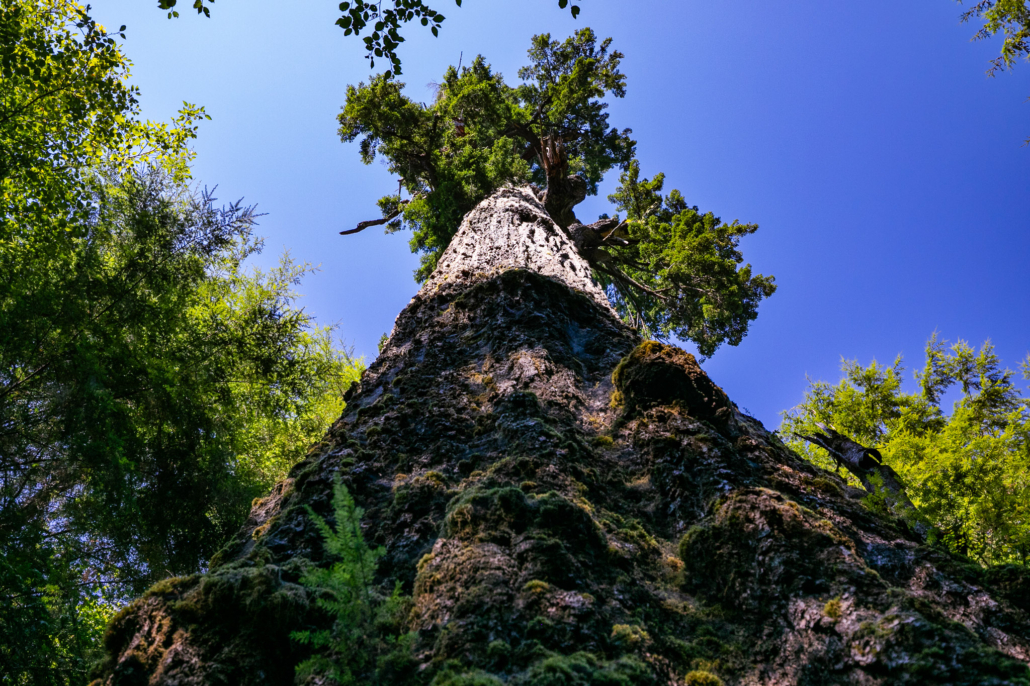
UPDATED: Port Renfrew Big Trees Map
Explore the updated Port Renfrew Big Trees Map with new directions, trails, and routes to iconic giants like Big Lonely Doug, Eden Grove, and more.
https://staging.ancientforestalliance.org/wp-content/uploads/2025/05/13-Red-Creek-Fir.jpg
1365
2048
TJ Watt
https://staging.ancientforestalliance.org/wp-content/uploads/2026/05/Ancient-Forest-Alliance-logo.svg
TJ Watt2026-05-29 15:39:342026-05-29 15:40:49UPDATED: Port Renfrew Big Trees Map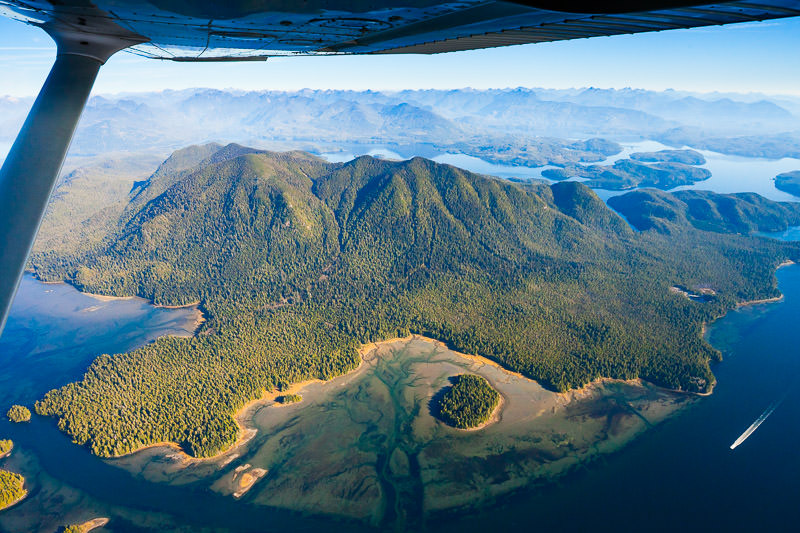
NEW! West Coast Old-Growth Hiking Guide
Explore AFA’s NEW West Coast old-growth hiking guide. From Clayoquot Sound to Port Alberni, there are trails for every skill level!
https://staging.ancientforestalliance.org/wp-content/uploads/2026/05/meares-island-big-tree-trail-tofino-1200px-338.jpg
533
800
TJ Watt
https://staging.ancientforestalliance.org/wp-content/uploads/2026/05/Ancient-Forest-Alliance-logo.svg
TJ Watt2026-05-29 12:06:002026-05-29 15:42:38NEW! West Coast Old-Growth Hiking Guide
Now Hiring: Contract Graphic Designer!
Ancient Forest Alliance is hiring a contract Graphic Designer to help bring our campaigns to life through print and digital materials.
https://staging.ancientforestalliance.org/wp-content/uploads/2026/05/flores-island-wildside-trail-1200px-430.jpg
800
1200
TJ Watt
https://staging.ancientforestalliance.org/wp-content/uploads/2026/05/Ancient-Forest-Alliance-logo.svg
TJ Watt2026-05-22 12:22:292026-05-22 12:22:29Now Hiring: Contract Graphic Designer!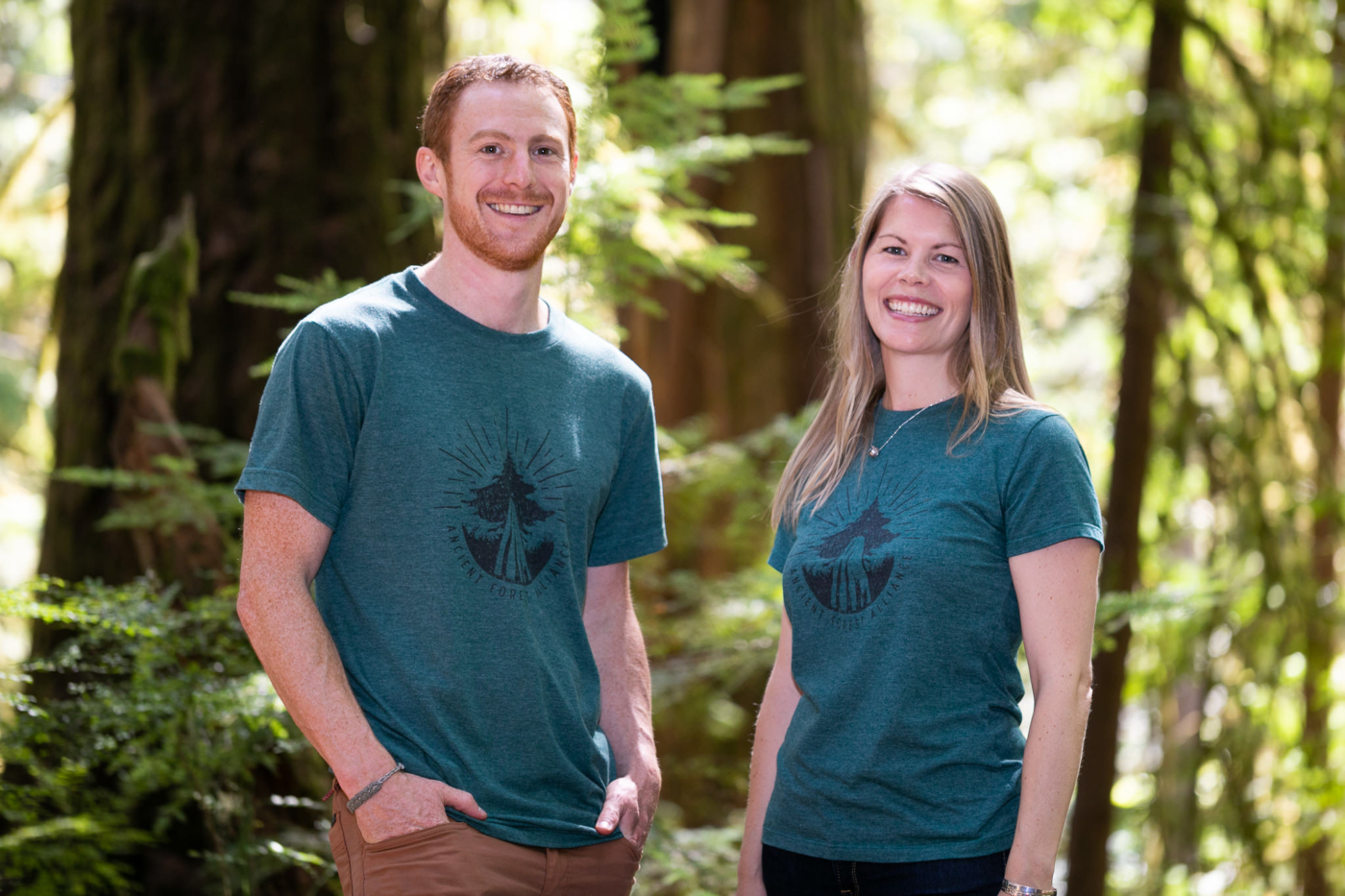
Design AFA’s Next T-Shirt and Help Protect Old-Growth Forests!
Calling all artists! For Earth Month, AFA is launching our first-ever Community T-Shirt Design Contest.
https://staging.ancientforestalliance.org/wp-content/uploads/2026/04/AFA-T-Shirt-Green-Mens-Womens.jpg
1365
2048
TJ Watt
https://staging.ancientforestalliance.org/wp-content/uploads/2026/05/Ancient-Forest-Alliance-logo.svg
TJ Watt2026-05-15 08:13:232026-05-19 09:33:44Design AFA’s Next T-Shirt and Help Protect Old-Growth Forests! Donate
 Send a Message
ELF sets up new protest camp, wins backing from Sierra Club
/in News CoverageThe Elphinstone Logging Focus is working to stop a BC Timber Sales (a BC government-directed logging cutblock) cutblock in the biologically rich mature forests on the slopes of Mount Elphinstone near Gibsons. You can see their website here: www.loggingfocus.org
**********
Elphinstone Logging Focus (ELF) is making another effort to stop, or at least delay, the auctioning of a BC Timber Sales (BCTS) cutblock on the slopes of Mount Elphinstone.
Block A87125 is in the area ELF calls “Twist and Shout Forest.” It’s also within the boundaries of what the group is hoping will someday become an expanded Mount Elphinstone Provincial Park.
ELF’s Ross Muirhead told Coast Reporter a 24/7 camp was set up last weekend on an old spur road that accesses the cutblock. He said the group plans to hold events at what they’ve dubbed “Elphinstone Forest Protection Camp” throughout the summer.
The group has backing from Sierra Club BC, which issued a statement Wednesday calling for the province to “rescind the auctioning of this cutblock and commence a comprehensive park expansion/connectivity implementation process through engagement with the Squamish and shíshálh nations and local communities.”
ELF was instrumental in getting BCTS to delay the auction of the cutblock last year.
In a Factsheet published May 18, the Ministry of Forest, Lands and Natural Resource Operations (FLNRO) said, “A87125 comprises second-growth forest on Mount Elphinstone, and specific measures incorporated into the design of A87125 that go above and beyond legal requirements include: buffering a popular mountain bike trail from harvest; placing additional setbacks on streams; and retaining veteran Douglas-fir trees that survived historical fire and logging.”
FLNRO also notes that “the province has no plans to expand the existing park,” and it’s been talking with First Nations, local governments and community groups since it added A87125 to its harvesting plan.
ELF released a statement just before setting up the protest camp, quoting a 2015 study it commissioned from biologist Wayne McCrory that concluded the area is worth preserving.
“If this cutblock is allowed to proceed it will take out approximately 30 hectares [74 acres] of prime older forests that’s already in between two former cutblocks,” ELF’s Hans Penner said in the statement. “We encouraged BCTS to look to the north outside the 2,000 hectare [4,942 acre proposed park expansion] across the Sechelt-Dakota Forest Service Road where harvesting can take place in actual tree farms. This reasonable request has been met with silence.”
The public comment period on the cutblock auction ended April 18, and the bidding is scheduled to end June 3. According to FLNRO, the successful bidder will have 11 months to start logging before the licence expires.
Read more: https://www.coastreporter.net/news/local-news/elf-sets-up-new-protest-camp-wins-backing-from-sierra-club-1.2263907
Photo Gallery: Avatar Grove Boardwalk 2016 – New Entrance to Lower Grove
/in Photo GalleryOver the May long weekend, a group of core boardwalk volunteers got together to complete a beautiful new entrance to the Lower Avatar Grove. This includes a 10ft wide viewing platform with an incredible view overlooking the old-growth forest as well as a safe and long-lasting set of stairs leading off the road to replace the old ones. It was a lot of hard work to say the least!
See the photo gallery here: https://bit.ly/1ViQ2aM
A huge thanks goes out to Scott Harris for engineering the design, Matthew Varley for leading much of the build and custom fabricating the key metal supports, Ron Krachenfels for adding his knowledge, labour, and expertise, Matt Johnson and Jeremy David for their hard work, and boardwalk coordinator TJ Watt for organizing and helping build as well.
We're on the home stretch now of boardwalk construction and aim to complete the project this summer, which will include a launch ceremony in the coming months! To donate towards the project and help us finish, please visit: https://staging.ancientforestalliance.org/avatar-grove-boardwalk-now-completed-and-open/ ($100 sponsors 1 meter of boardwalk). The boardwalk is neccessary to protect the grove's ecological integrity and enhance visitor access and safety. Thank you so much to everyone who has supported the project so far!! We couldn't have done it without you. Photos: TJ Watt
The WestShore Chamber of Commerce Supports Port Renfrew’s Call for the Protection of the Central Walbran Valley’s Old-Growth Forest
/in Media ReleaseFor Immediate Release
May 19, 2016
Media Release: The WestShore Chamber of Commerce Supports Port Renfrew’s Call for the Protection of the Central Walbran Valley’s Old-Growth Forest
The WestShore Chamber of Commerce (https://westshore.bc.ca/), representing almost 400 businesses in the western suburbs of Victoria and across the Capital Regional District, is supporting the Port Renfrew Chamber of Commerce’s call to the province to protect the Central Walbran Valley’s old-growth forests. In addition, the Sooke Chamber of Commerce, the Association of Vancouver Island and Coastal Communities (AVICC) representing 51 cities, towns, and regional districts, and the councils of Victoria, Metchosin, and Tofino, have also joined the call to protect the Central Walbran Valley and/or Vancouver Island’s remaining old-growth forests.
Victoria, British Columbia – Conservationists are delighted that the WestShore Chamber of Commerce, representing almost 400 businesses in the western suburbs of Victoria has issued a letter in support of the Port Renfrew Chamber of Commerce’s request to the province of British Columbia that it protect the Central Walbran Valley from old-growth logging.
Hundreds of thousands of tourists have come from across Canada, Europe, the USA, and jurisdictions around the world in recent years to visit some of Canada’s largest trees on southern Vancouver Island, near the town of Port Renfrew. Visitors are coming to see the Avatar Grove, Red Creek Fir (the world’s largest Douglas-fir tree), Big Lonely Doug (Canada’s 2nd largest Douglas-fir tree), San Juan Spruce (until recently Canada’s largest Sitka spruce tree – its top broke off in a recent storm unfortunately), Harris Creek spruce (one of the largest Sitka spruce trees in Canada), and the Central Walbran Valley.
The growing numbers of visitors coming to see ancient forests are supporting local businesses as they pay for meals, accommodations, transportation, entertainment, and services, including in the Victoria region, on their way to and from Tall Tree hotspots.
• See spectacular photos of the Walbran at: www.ancientforestalliance.org/photos.php?gID=7
And https://www.facebook.com/media/set/?set=a.886074168153838.1073741889.823970554364200&type=3
And https://www.facebook.com/media/set/?set=a.973573459403908.1073741896.823970554364200&type=3
• See a recent Youtube clip using drone footage over the Central Walbran at: www.youtube.com/watch?v=lyMPXHOjlK0
• See this 2012 video when a similar attempt to log near Castle Grove was held off, only to return recently: www.youtube.com/watch?v=lHnG_sC4oms
“Our understanding is that old growth forests represent a vital part of our multi-billion dollar coastal tourism industry, and the Walbran Valley is a key area for preservation due to its spectacular beauty, gigantic trees, and accessibility. Every year tourists are attracted to the area from around the world to explore the wild west coast, including some of the tallest trees in the world. This increasing eco-tourism generates revenue every year and directly supports local businesses throughout the region as visitors pay for meals, accommodations, transportation, and entertainment on their way to and from Tall Tree hotspots. We fully expect that West Shore businesses are currently benefiting from this tourist traffic,” stated Joshua Schmidt, Projects & Relations Manager for the WestShore Chamber of Commerce.
“Our temperate coastal rainforests are home to about the greatest per hectare biomass and some of the biggest trees in the world. As old growth forests continue to be logged worldwide the local forests we preserve will only increase in demand and value. Our belief at the WestShore Chamber is that the ecological and economic value of protecting these last old growth forests far exceeds the monetary value of its lumber.”
The Central Walbran Valley’s old-growth temperate rainforest has long been an area of public interest since hiking trails were built in the valley in 1990. In 1994, the BC government protected the Lower Walbran Valley, about 5500 hectares, as part of the larger Carmanah-Walbran Provincial Park, but left out the Central Walbran Valley (500 hectares) and the Upper Walbran Valley (7,000 hectares) from the park. Since then, most of the Upper Walbran has been heavily tattered by logging, but the Central Walbran remains largely intact. However, eight new cutblocks are planned in the Central Walbran, of which one (cutblock 4424) has been approved by the province. The Central Walbran Valley lies on Crown (public) land in the territory of the Pacheedaht band in Tree Farm Licence 46 held by licensee Teal-Jones.
On BC’s southern coast (Vancouver Island and the southwest mainland), 75% of the original, productive old-growth forests have already been logged, including over 90% of the valley bottoms where the largest trees grow. 3.3 million hectares of productive old-growth forests once stood on the southern coast, and today 860,000 hectares remain, while only 260,000 hectares are protected in parks and Old-Growth Management Areas. Second-growth forests now dominate 75% of Vancouver Island’s productive forest lands, including 90% of southern Vancouver Island, and can be sustainably logged to support the forest industry. See maps and stats at: www.ancientforestalliance.org/old-growth-maps.php
Over the past few months, the Port Renfrew, Sooke, and WestShore Chambers of Commerce have spoken up for the protection of the old-growth forests in the Walbran Valley, while the Association of Vancouver Island and Coastal Communities (AVICC) and the councils of Victoria, Metchosin, and Tofino have also passed resolutions for the protection of the Walbran or all of Vancouver Island’s remaining old-growth forests.