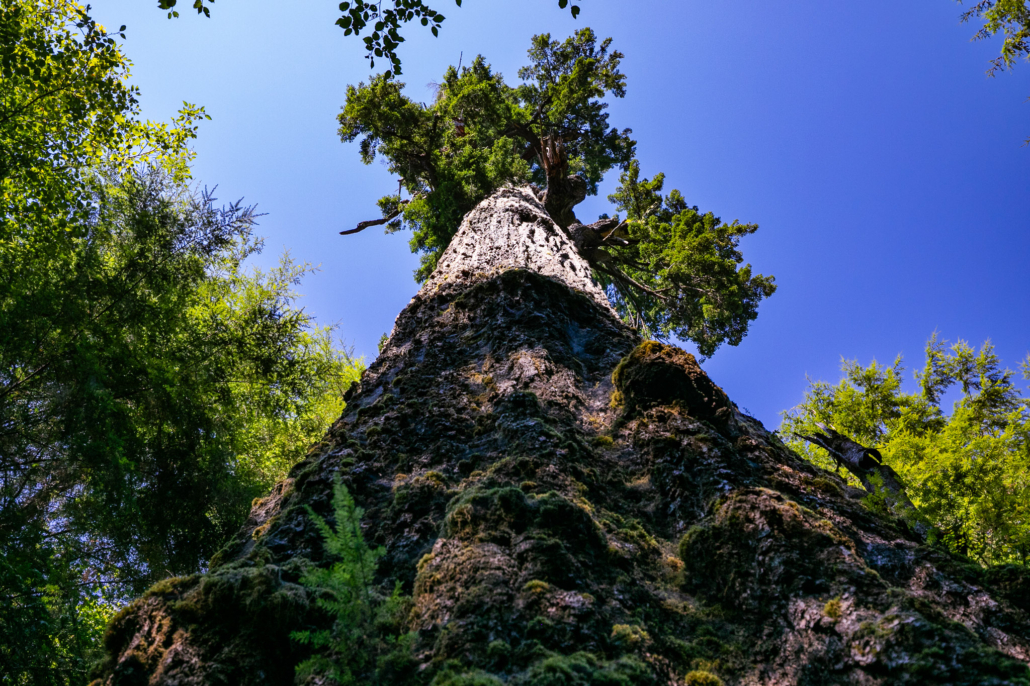
UPDATED: Port Renfrew Big Trees Map
Explore the updated Port Renfrew Big Trees Map with new directions, trails, and routes to iconic giants like Big Lonely Doug, Eden Grove, and more.
https://staging.ancientforestalliance.org/wp-content/uploads/2025/05/13-Red-Creek-Fir.jpg
1365
2048
TJ Watt
https://staging.ancientforestalliance.org/wp-content/uploads/2026/05/Ancient-Forest-Alliance-logo.svg
TJ Watt2026-05-29 15:39:342026-05-29 15:40:49UPDATED: Port Renfrew Big Trees Map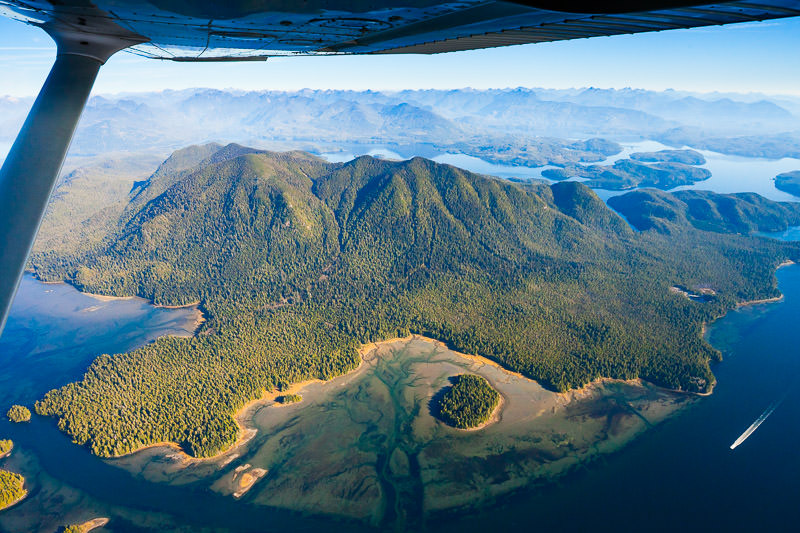
NEW! West Coast Old-Growth Hiking Guide
Explore AFA’s NEW West Coast old-growth hiking guide. From Clayoquot Sound to Port Alberni, there are trails for every skill level!
https://staging.ancientforestalliance.org/wp-content/uploads/2026/05/meares-island-big-tree-trail-tofino-1200px-338.jpg
533
800
TJ Watt
https://staging.ancientforestalliance.org/wp-content/uploads/2026/05/Ancient-Forest-Alliance-logo.svg
TJ Watt2026-05-29 12:06:002026-05-29 15:42:38NEW! West Coast Old-Growth Hiking Guide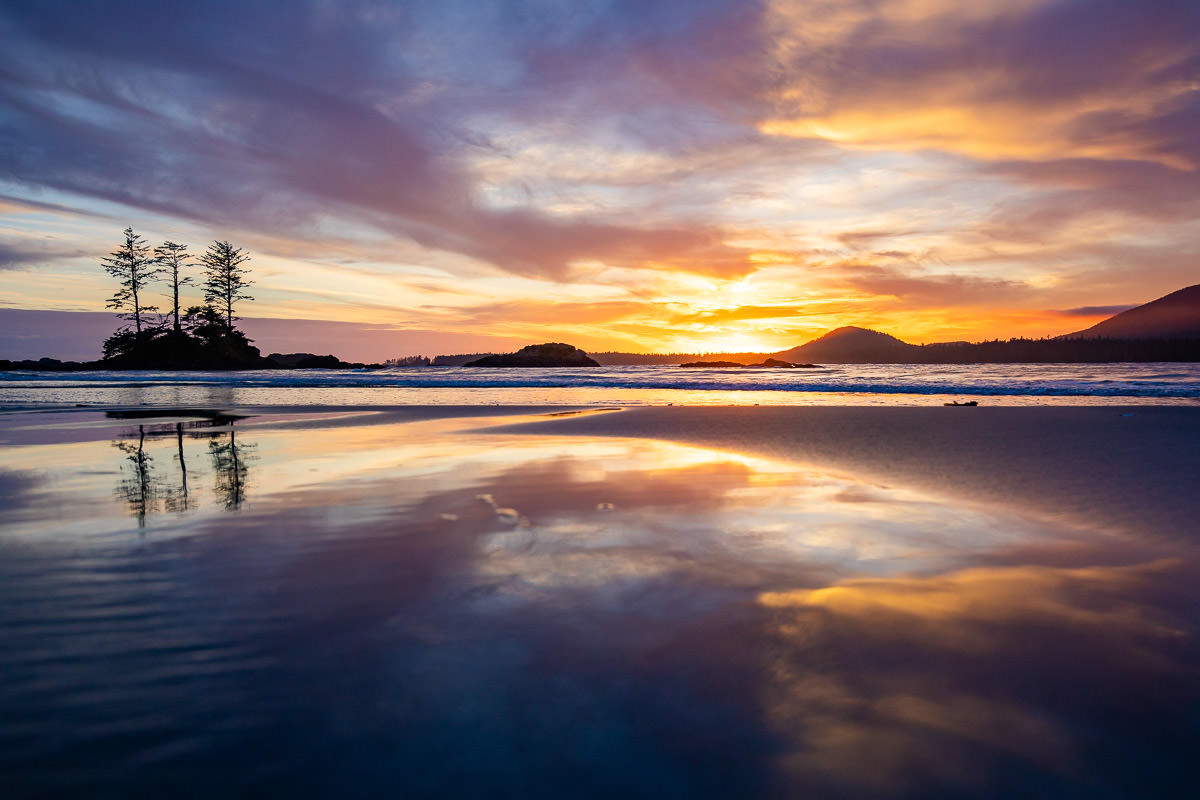
Now Hiring: Contract Graphic Designer!
Ancient Forest Alliance is hiring a contract Graphic Designer to help bring our campaigns to life through print and digital materials.
https://staging.ancientforestalliance.org/wp-content/uploads/2026/05/flores-island-wildside-trail-1200px-430.jpg
800
1200
TJ Watt
https://staging.ancientforestalliance.org/wp-content/uploads/2026/05/Ancient-Forest-Alliance-logo.svg
TJ Watt2026-05-22 12:22:292026-05-22 12:22:29Now Hiring: Contract Graphic Designer!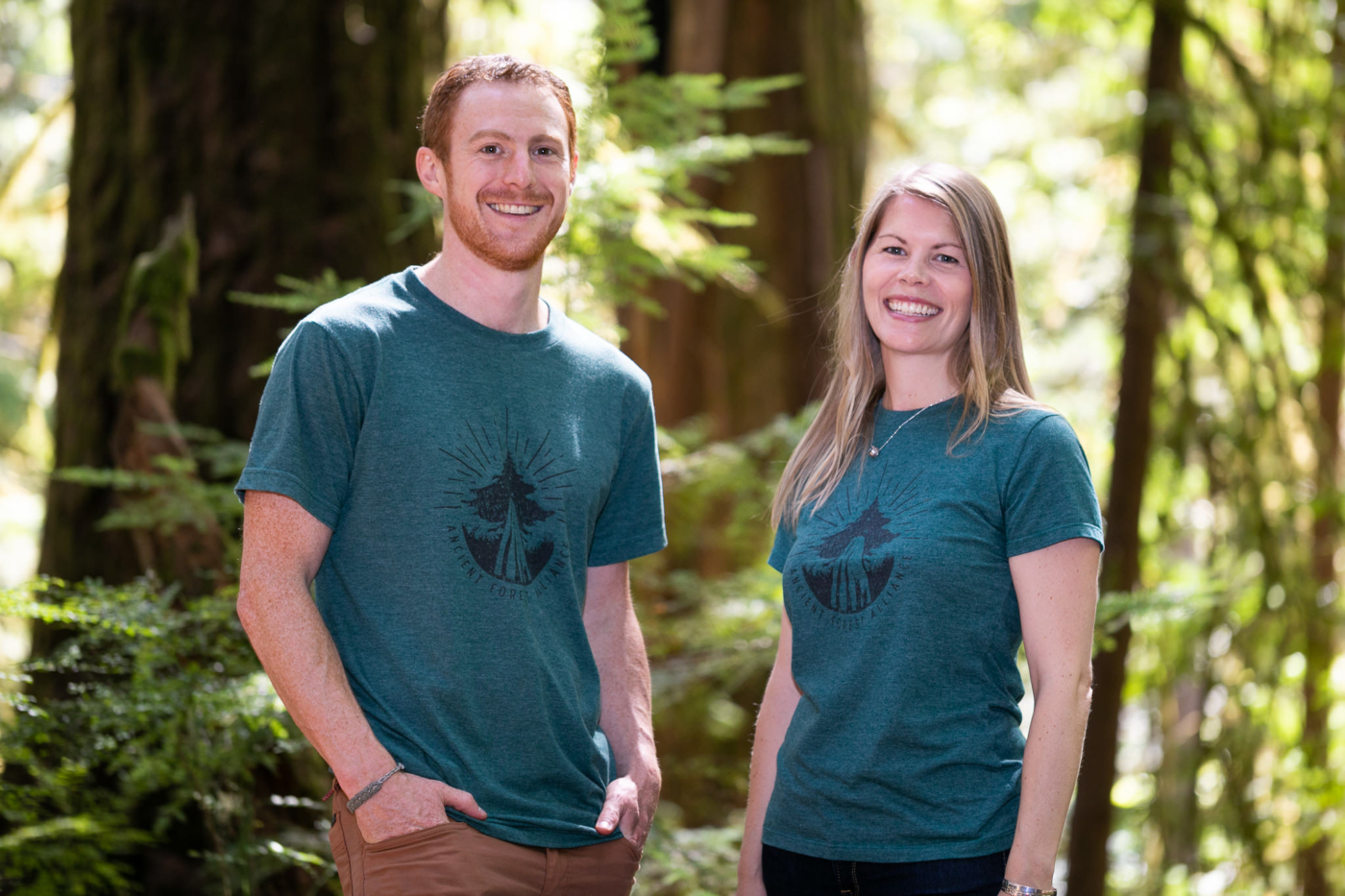
Design AFA’s Next T-Shirt and Help Protect Old-Growth Forests!
Calling all artists! For Earth Month, AFA is launching our first-ever Community T-Shirt Design Contest.
https://staging.ancientforestalliance.org/wp-content/uploads/2026/04/AFA-T-Shirt-Green-Mens-Womens.jpg
1365
2048
TJ Watt
https://staging.ancientforestalliance.org/wp-content/uploads/2026/05/Ancient-Forest-Alliance-logo.svg
TJ Watt2026-05-15 08:13:232026-05-19 09:33:44Design AFA’s Next T-Shirt and Help Protect Old-Growth Forests! Donate
 Send a Message
ACTION ALERT: Please Write your Mayor & Council to Support a Natural Lands Acquisition Fund ("Resolution B128"), going up for vote this week at the Union of BC Municipalities (UBCM) AGM Sept.26 to 30!
/in Take ActionThe Union of BC Municipalities (UBCM) will be voting at their AGM this week on a motion asking the BC government to implement an annual provincial fund to purchase and protect endangered natural spaces on private lands using the accumulated unredeemed beverage container deposits, estimated to be worth $10 to $15 million/ year in BC (see Resolution B128, sponsored by Highlands). Earlier this year the Association of Vancouver Island and Coastal Communities (AVICC), representing 53 local governments, passed the resolution, and now it’s time to snowball the support from municipalities across BC to pressure the provincial government!
Please WRITE an EMAIL to your mayor and council to express your support for this motion.
Ask them to:
*** Be sure to include your full name and address so that they know you are a real person.
More Details:
Momentum is growing as over 20 major BC conservation and recreational groups, several city councils, as well as the Association of Vancouver Island and Coastal Communities (AVICC) have supported the call for the BC government to establish a dedicated provincial fund that can be used to purchase and protect endangered private lands of high environmental and recreational significance.
The University of Victoria’s Environmental Law Centre has prepared a report for the Ancient Forest Alliance outlining some potential mechanisms to support such a fund, including the proceeds from unredeemed beverage container deposits, resource taxes on fossil fuels, property transfer taxes, income tax check-offs, etc.
About 5% of British Columbia’s land base is private, where new protected areas require the outright purchase of private lands from willing sellers, while 95% is Crown (public) lands where new protected areas are established by government legislation. However, a high percentage of BC’s most endangered and biologically diverse and rich ecosystems are found on private lands – which tend to be found in temperate lower elevations and major valleys where most humans live. As a result, private lands are disproportionately important for conservation efforts. In particular, southeastern Vancouver Island, the Gulf Islands, the Lower Mainland, the Sunshine Coast, and the Okanogan Valley contain much of the private lands in BC, the greatest concentrations of endangered species, and the most heavily visited natural areas, and would benefit the most from such a fund.
The provincial fund would be similar to the Capital Regional District’s existing Land Acquisition Fund that has helped to protect thousands of hectares of beloved green spaces around Victoria including the Sooke Hills, Sooke Potholes, Jordan River, and Mount Maxwell on Saltspring Island.
Read our MEDIA RELEASE from earlier this year at: https://staging.ancientforestalliance.org/news-item.php?ID=963
See an article in the Times Colonist at: https://www.timescolonist.com/news/local/push-for-provincial-land-acquisition-fund-gathers-steam-1.2156674 and in Island Tides at: https://islandtides.com/assets/reprint/environment_20160128.pdf and the original article in the Times Colonist at: https://www.timescolonist.com/news/local/jack-knox-pop-bottles-could-give-green-funding-extra-fizz-1.2131156
Read the report by the UVic Environmental Law Centre (ELC), ‘Finding the Money to Buy and Protect Natural Lands’: https://www.elc.uvic.ca/wordpress/wp-content/uploads/2015/12/FindingMoneyForParks-2015-02-08-web.pdf
Old-Growth Clearcutting Fragments “Big Lonely Doug’s Mountain” as Calls for Protection Expand during National Forest Week and before UBCM Annual General Meeting
/in Media ReleaseVICTORIA: Hadwin’s Judgement – Film Screening Fundraiser for the Ancient Forest Alliance! Sept. 29
/in AnnouncementsABOUT THE FILM – HADWIN’S JUDGEMENT