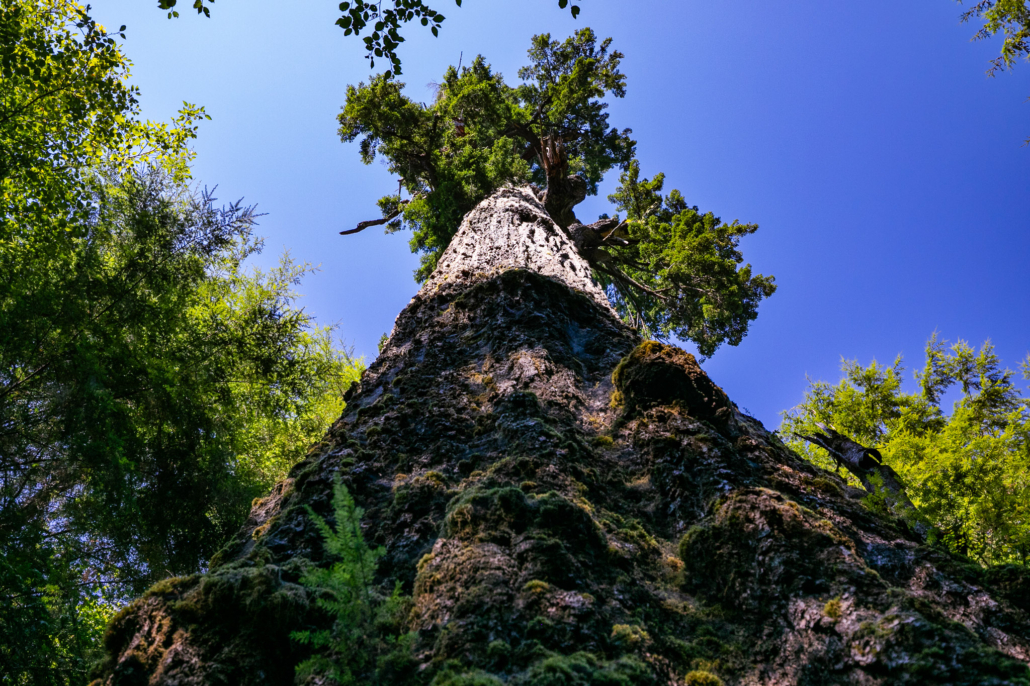
UPDATED: Port Renfrew Big Trees Map
Explore the updated Port Renfrew Big Trees Map with new directions, trails, and routes to iconic giants like Big Lonely Doug, Eden Grove, and more.
https://staging.ancientforestalliance.org/wp-content/uploads/2025/05/13-Red-Creek-Fir.jpg
1365
2048
TJ Watt
https://staging.ancientforestalliance.org/wp-content/uploads/2026/05/Ancient-Forest-Alliance-logo.svg
TJ Watt2026-05-29 15:39:342026-05-29 15:40:49UPDATED: Port Renfrew Big Trees Map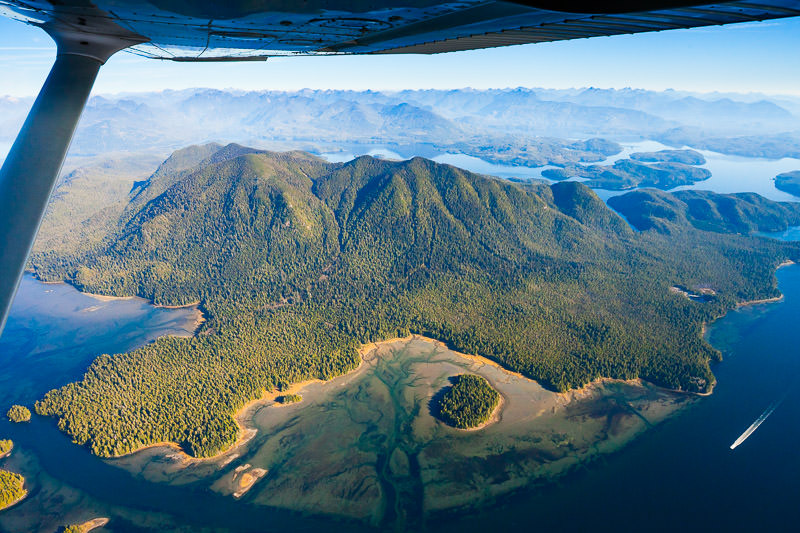
NEW! West Coast Old-Growth Hiking Guide
Explore AFA’s NEW West Coast old-growth hiking guide. From Clayoquot Sound to Port Alberni, there are trails for every skill level!
https://staging.ancientforestalliance.org/wp-content/uploads/2026/05/meares-island-big-tree-trail-tofino-1200px-338.jpg
533
800
TJ Watt
https://staging.ancientforestalliance.org/wp-content/uploads/2026/05/Ancient-Forest-Alliance-logo.svg
TJ Watt2026-05-29 12:06:002026-05-29 15:42:38NEW! West Coast Old-Growth Hiking Guide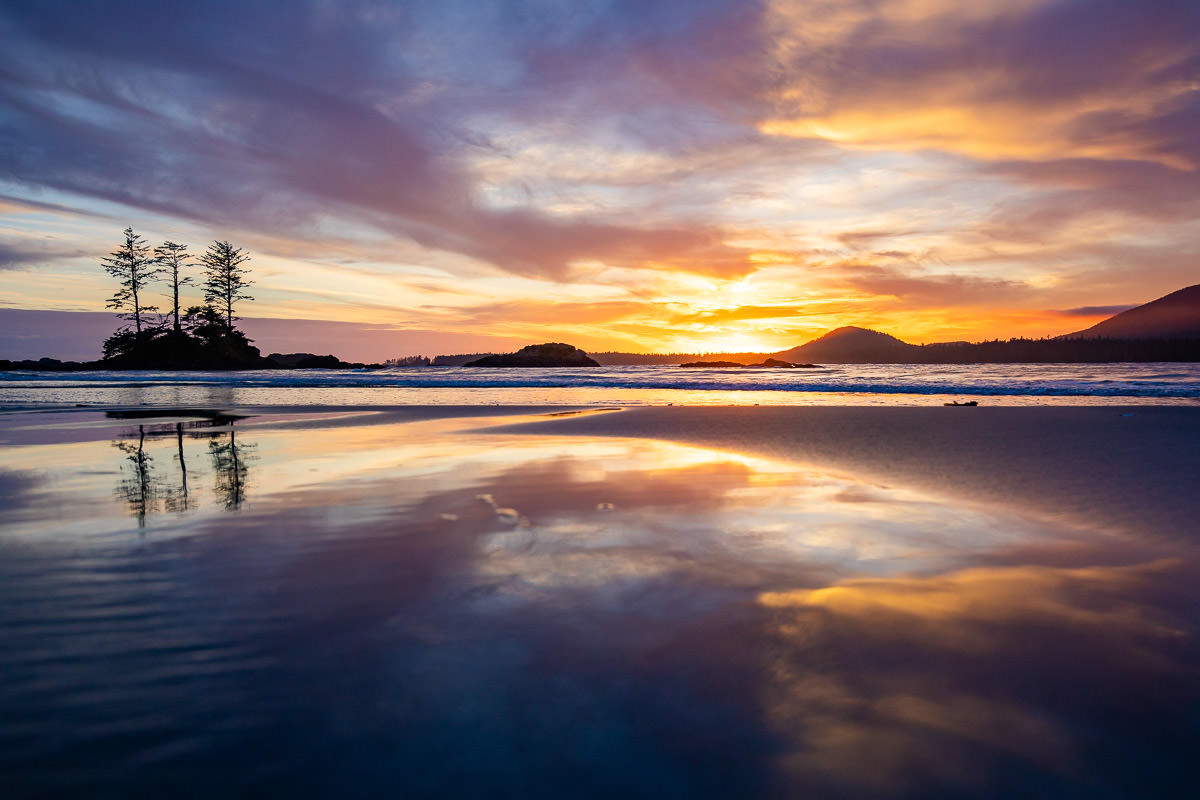
Now Hiring: Contract Graphic Designer!
Ancient Forest Alliance is hiring a contract Graphic Designer to help bring our campaigns to life through print and digital materials.
https://staging.ancientforestalliance.org/wp-content/uploads/2026/05/flores-island-wildside-trail-1200px-430.jpg
800
1200
TJ Watt
https://staging.ancientforestalliance.org/wp-content/uploads/2026/05/Ancient-Forest-Alliance-logo.svg
TJ Watt2026-05-22 12:22:292026-05-22 12:22:29Now Hiring: Contract Graphic Designer!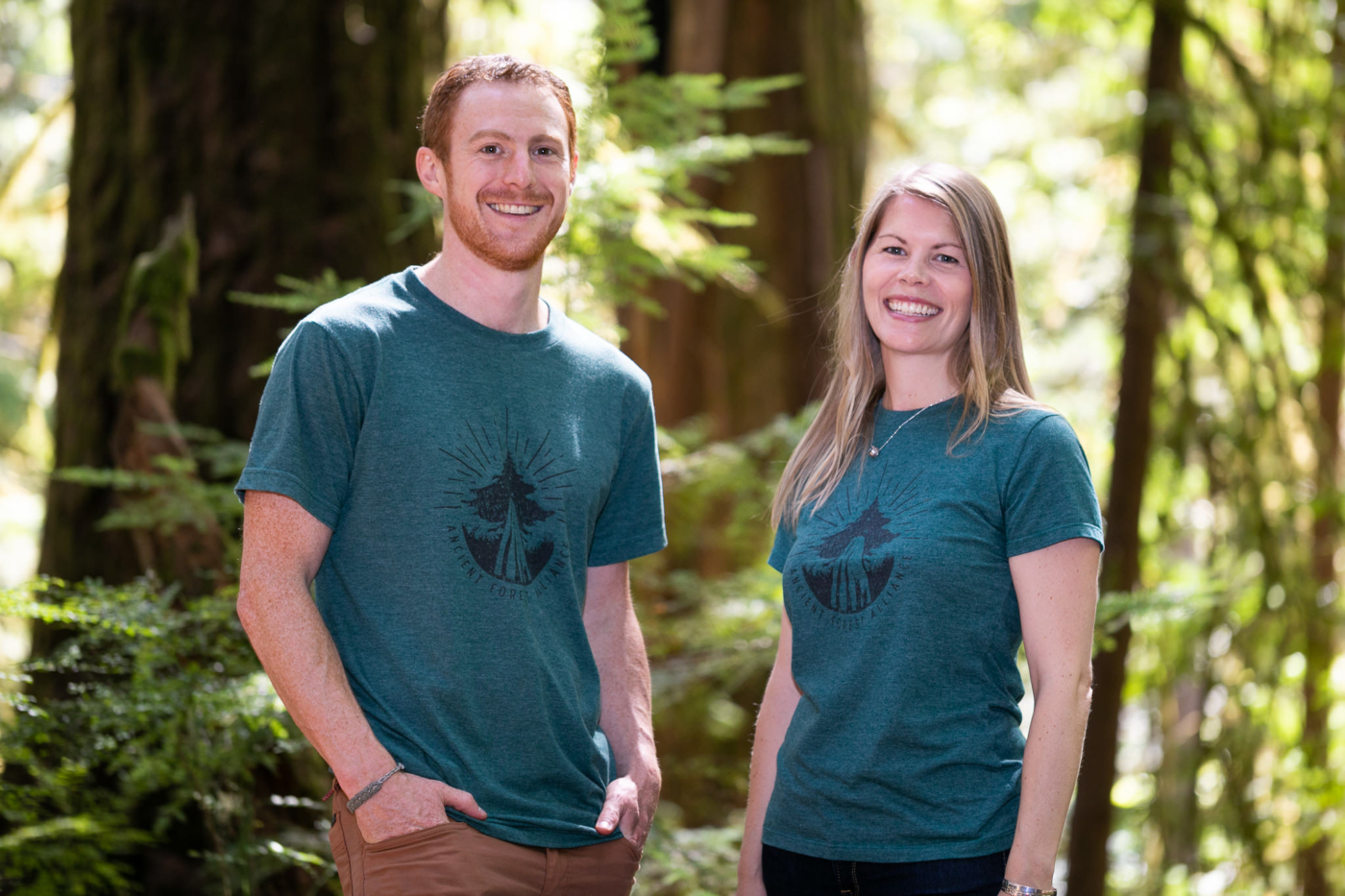
Design AFA’s Next T-Shirt and Help Protect Old-Growth Forests!
Calling all artists! For Earth Month, AFA is launching our first-ever Community T-Shirt Design Contest.
https://staging.ancientforestalliance.org/wp-content/uploads/2026/04/AFA-T-Shirt-Green-Mens-Womens.jpg
1365
2048
TJ Watt
https://staging.ancientforestalliance.org/wp-content/uploads/2026/05/Ancient-Forest-Alliance-logo.svg
TJ Watt2026-05-15 08:13:232026-05-19 09:33:44Design AFA’s Next T-Shirt and Help Protect Old-Growth Forests! Donate
 Send a Message
Opinion: Vancouver Island’s rainforest and communities need urgent action
/in News CoverageVancouver Island’s rainforests are among the rarest ecosystems on the planet — temperate rainforests have never occupied more than 0.5 per cent of the earth’s land surface. They are also among its richest — they have been home to First Nations for time immemorial, and they contribute to a diverse economy including forestry, tourism and wild salmon in indigenous and non-indigenous communities.
Unfortunately, today, the vast majority of productive old-growth rainforest on Vancouver Island and B.C.’s south coast has been logged and replaced by young forest. Only about 10 per cent of the biggest trees are still standing, and some types of forest such as old-growth Douglas fir on south-eastern Vancouver Island have less than one per cent of its original range left. At-risk species, like the Marbled Murrelet, that depend on ancient trees are in decline together with the ancient forests. The original record-high amount of carbon stored in ancient trees has been dramatically reduced as a result of logging and has contributed to climate change.
With so little left it is now only a matter of time before the logging industry runs out of old-growth trees to harvest and fully transitions to logging second-growth. But despite shrinking revenue, declining job numbers from logging, and the increasing value of the remaining intact forests for species, clean water and air, carbon, and as a basis for a diverse economy, more than 9,000 hectares of old-growth rainforest are still being cut every year on Vancouver Island.
That’s why more and more voices are speaking up for protection of endangered rainforest. A year ago, the Ahousaht First Nation in Clayoquot Sound declared a moratorium on industrial logging in their territory. This spring, the B.C. Chamber of Commerce voted to protect old-growth trees where they have greater economic value for communities if left standing. In September, the majority of delegates at this year’s Union of B.C. Municipalities convention voted to protect all of Vancouver Island’s remaining old-growth forest on public land.
The finalization of the Great Bear Rainforest and Haida Gwaii Agreements by First Nations governments and the B.C. government, with the support of a number of environmental organizations and forestry companies, shows that solutions are possible. As a result of these agreements the majority of the old-growth rainforests in the Great Bear Rainforest and on Haida Gwaii are now protected. First Nations’ shared decision-making with the province over land use in their traditional territories has been solidified and there is certainty about the limited amount of old-growth available for logging subject to stringent standards.
South of the Great Bear region, a century of logging has produced an ecological emergency in coastal rainforests. Climate impacts like droughts and storms exert additional pressure and result in severe consequences for watersheds and salmon. With a few exceptions, land-use plans are not meaningfully addressing First Nations rights and interests and are not based on modern conservation science. Meanwhile, raw-log exports are at a record high and jobs per cubic metre at a record low compared to other parts of the world, leaving neither healthy forests nor healthy communities behind.
Unless the provincial government changes course to protect and restore what remains of our endangered old-growth, much of Vancouver Island could turn into an ecological wasteland this century. That’s why we are urging the B.C. government to take immediate action for the well-being of indigenous and non-indigenous communities, for biodiversity, clean air and water, long-term forestry jobs and to save one of the world’s most efficient carbon sinks.
We must start with protecting remaining intact rainforest areas imminently threatened by logging — such as the Central Walbran and East Creek — and using a science-based phased approach for protecting and restoring the remaining old-growth forest, starting with the most endangered ecosystems.
A comprehensive conservation and forest management plan for Vancouver Island and B.C.’s south coast must respect First Nations rights and interests, enable a transition to sustainable second-growth forestry, support diverse economic activities such as tourism, and reduce carbon emissions.
Saving our best ally in the fight against global warming means improving forest management to reduce carbon emissions from forests and ending wasteful practices such as slash burning. We are certainly the last generation that will have an opportunity to make a difference for the fate for Vancouver Island’s remaining old-growth forests.
Arnold Bercov is president of the Public and Private Workers of Canada; Maquinna (Lewis George) Tyee Hawiih Ahousaht; Dan Hager is president of the Port Renfrew Chamber of Commerce; Andy MacKinnon is a forest ecologist and councillor in Metchosin, B.C.; Jens Wieting is a forest campaigner with Sierra Club B.C.
Read more: https://vancouversun.com/opinion/opinion-remaining-old-growth-forest-must-be-protected
An Old-Growth Battlefield: Can We Save Our Ancient Matriarchs?
/in News CoveragePick up a copy of British Columbia magazine, which features an article by Hans Temmegai about the endangered old-growth forests of Vancouver Island and the Ancient Forest Alliance's campaign to protect them. See spectacular photos by the AFA's TJ Watt!
Thank You to Joshua Wright!
/in Announcements, Thank YouThank you to 13-year-old Joshua Wright, one of our great young donors, who has raised $350 for the AFA through the sale of his drawings. Joshua came to support our Avatar Boardwalk construction efforts in late September. We are SO grateful for conscious young people who also take action to make the world a better place. Thank you Joshua!