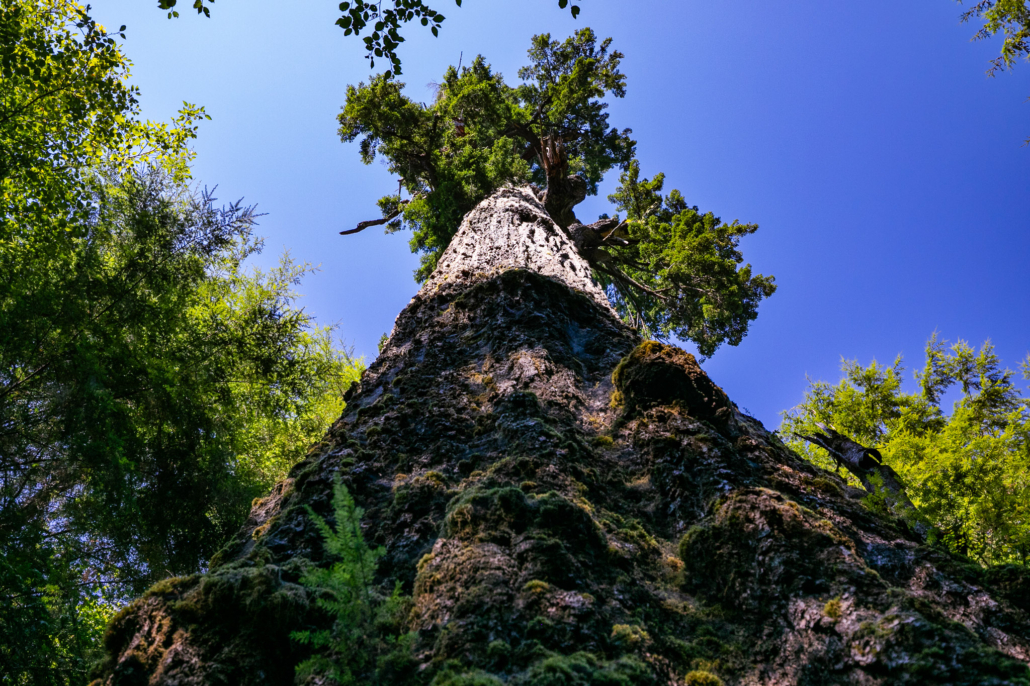
UPDATED: Port Renfrew Big Trees Map
Explore the updated Port Renfrew Big Trees Map with new directions, trails, and routes to iconic giants like Big Lonely Doug, Eden Grove, and more.
https://staging.ancientforestalliance.org/wp-content/uploads/2025/05/13-Red-Creek-Fir.jpg
1365
2048
TJ Watt
https://staging.ancientforestalliance.org/wp-content/uploads/2026/05/Ancient-Forest-Alliance-logo.svg
TJ Watt2026-05-29 15:39:342026-05-29 15:40:49UPDATED: Port Renfrew Big Trees Map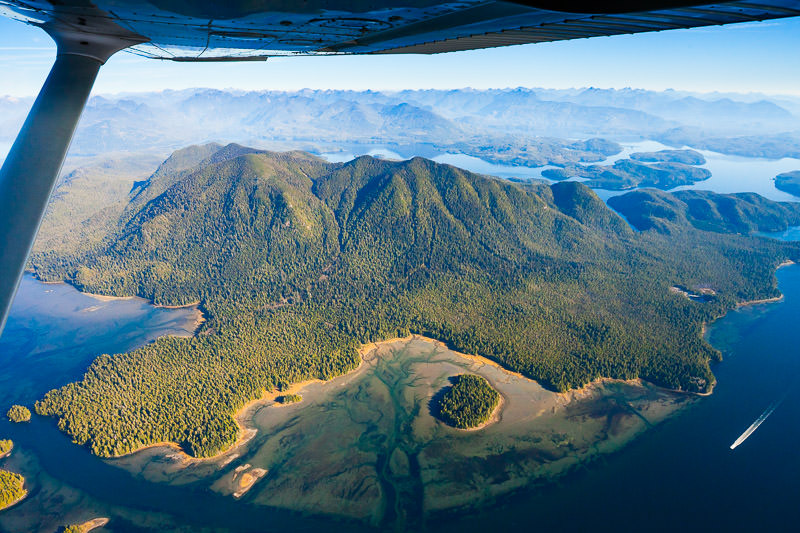
NEW! West Coast Old-Growth Hiking Guide
Explore AFA’s NEW West Coast old-growth hiking guide. From Clayoquot Sound to Port Alberni, there are trails for every skill level!
https://staging.ancientforestalliance.org/wp-content/uploads/2026/05/meares-island-big-tree-trail-tofino-1200px-338.jpg
533
800
TJ Watt
https://staging.ancientforestalliance.org/wp-content/uploads/2026/05/Ancient-Forest-Alliance-logo.svg
TJ Watt2026-05-29 12:06:002026-05-29 15:42:38NEW! West Coast Old-Growth Hiking Guide
Now Hiring: Contract Graphic Designer!
Ancient Forest Alliance is hiring a contract Graphic Designer to help bring our campaigns to life through print and digital materials.
https://staging.ancientforestalliance.org/wp-content/uploads/2026/05/flores-island-wildside-trail-1200px-430.jpg
800
1200
TJ Watt
https://staging.ancientforestalliance.org/wp-content/uploads/2026/05/Ancient-Forest-Alliance-logo.svg
TJ Watt2026-05-22 12:22:292026-05-22 12:22:29Now Hiring: Contract Graphic Designer!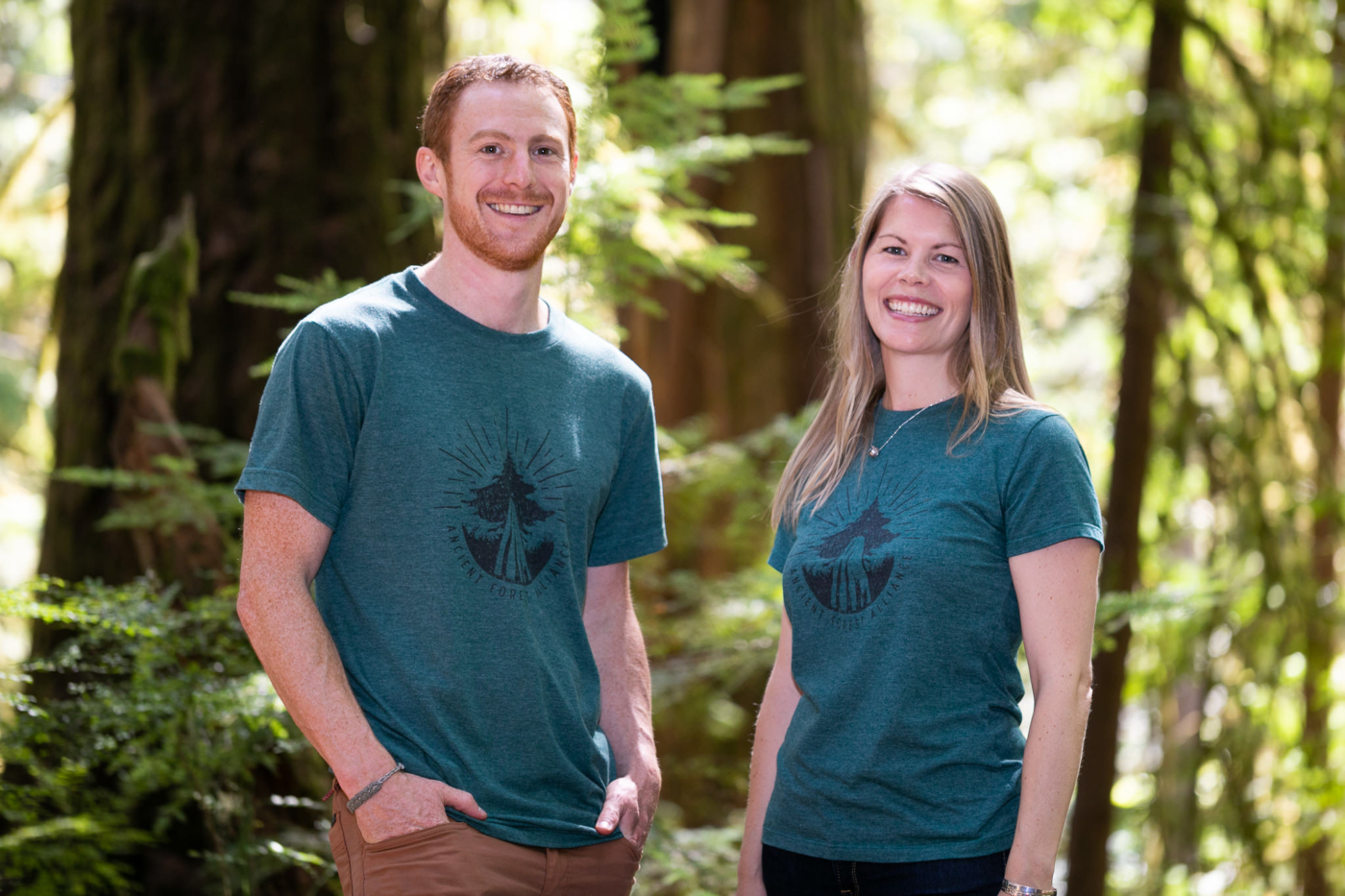
Design AFA’s Next T-Shirt and Help Protect Old-Growth Forests!
Calling all artists! For Earth Month, AFA is launching our first-ever Community T-Shirt Design Contest.
https://staging.ancientforestalliance.org/wp-content/uploads/2026/04/AFA-T-Shirt-Green-Mens-Womens.jpg
1365
2048
TJ Watt
https://staging.ancientforestalliance.org/wp-content/uploads/2026/05/Ancient-Forest-Alliance-logo.svg
TJ Watt2026-05-15 08:13:232026-05-19 09:33:44Design AFA’s Next T-Shirt and Help Protect Old-Growth Forests! Donate
 Send a Message
Shooting Stars
/in EducationalA beautiful highlight of Vancouver Island’s endangered Garry oak meadows is the shooting star flower. These vivid magenta to lavender-coloured blooms, with their swept-back wing-like petals and fused anthers forming a pointed beak, seem like flocks of tiny hummingbirds in mid-flight.
On Vancouver Island, we have two species of this flower: the few-flowered or dark-throat shooting star and Henderson’s shooting star. The few-flowered shooting star (pictured here) is distinguished by its narrower, elongated leaves.
The shooting star is unusual among flowers because it produces no nectar for pollinating insects. However, its protein-rich pollen is a critical food source for larval bees, making it valuable to queens just starting their colonies and seeking protein for their first round of developing offspring.
The flower is choosy about its customers, only releasing pollen to insects that can practice something called “buzz pollination” (also called “sonication”). In this technique, an insect vibrates its thoracic muscles at a frequency that dislodges the stuck pollen from the flower.
Not all pollinators have mastered this nifty trick. Honeybees, for instance, seem incapable of buzz pollination and so cannot effectively pollinate the shooting star. Our native bumblebees, however, are buzz masters, providing a critical ecological service and gaining privileged access to this protein-rich prize.
Shooting stars are an early highlight of our oak meadows and woodland glades. By the time the camas is in full flood, the last magenta meteors of shooting stars are already fading in the grass under the dreamy murmur of bumblebee wings.
We’re grateful for our creative business supporters!
/in Thank YouWe’re incredibly grateful for the many creative ways our supporters help advance the movement to protect endangered old-growth forests in British Columbia. From hosting benefit concerts and donating a portion of art sales, to workplace giving and foundation support, there are so many ways to make a difference!
Special thanks to:
Your creativity, dedication, and passion for protecting these endangered ecosystems is inspiring, and we’re very grateful!
If you own or work at a business that shares our vision and would like to support old-growth protection through a one-time or monthly donation, contact info@ancientforestalliance.org. We’d love to hear from you!
2024 Activity Report & Financials
/in AnnouncementsWhile 2024 had a hard act to follow after the successes of 2023, it still held its own as a significant year for the old-growth campaign. Check out our Activity Report & Financials to see how you played a massive part in this success, and find out what we’re gearing up for in 2025.
Ancient Forest Alliance (AFA) 2024 Activity Report & Financials