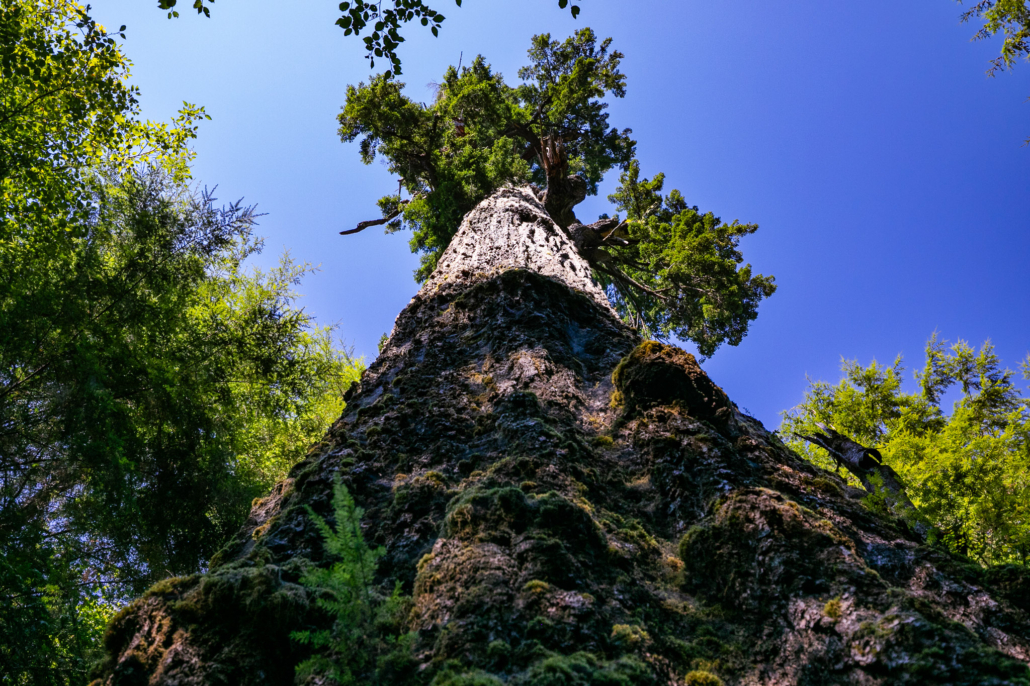
UPDATED: Port Renfrew Big Trees Map
Explore the updated Port Renfrew Big Trees Map with new directions, trails, and routes to iconic giants like Big Lonely Doug, Eden Grove, and more.
https://staging.ancientforestalliance.org/wp-content/uploads/2025/05/13-Red-Creek-Fir.jpg
1365
2048
TJ Watt
https://staging.ancientforestalliance.org/wp-content/uploads/2026/05/Ancient-Forest-Alliance-logo.svg
TJ Watt2026-05-29 15:39:342026-05-29 15:40:49UPDATED: Port Renfrew Big Trees Map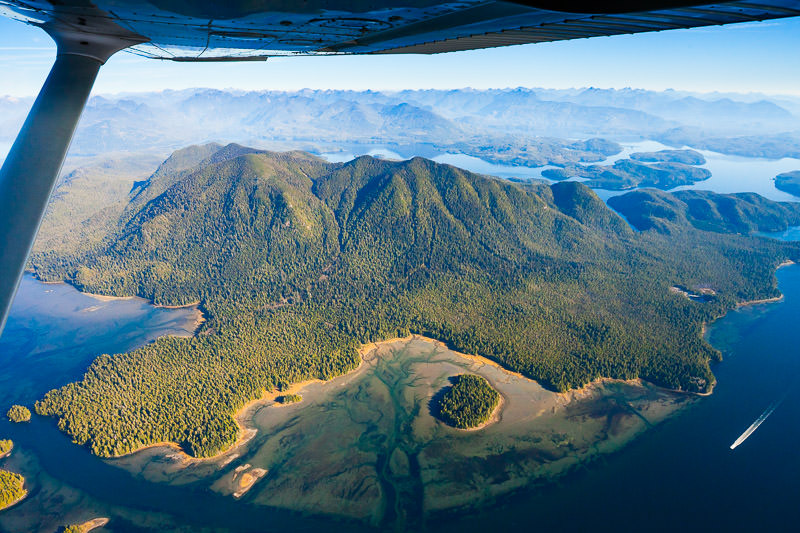
NEW! West Coast Old-Growth Hiking Guide
Explore AFA’s NEW West Coast old-growth hiking guide. From Clayoquot Sound to Port Alberni, there are trails for every skill level!
https://staging.ancientforestalliance.org/wp-content/uploads/2026/05/meares-island-big-tree-trail-tofino-1200px-338.jpg
533
800
TJ Watt
https://staging.ancientforestalliance.org/wp-content/uploads/2026/05/Ancient-Forest-Alliance-logo.svg
TJ Watt2026-05-29 12:06:002026-05-29 15:42:38NEW! West Coast Old-Growth Hiking Guide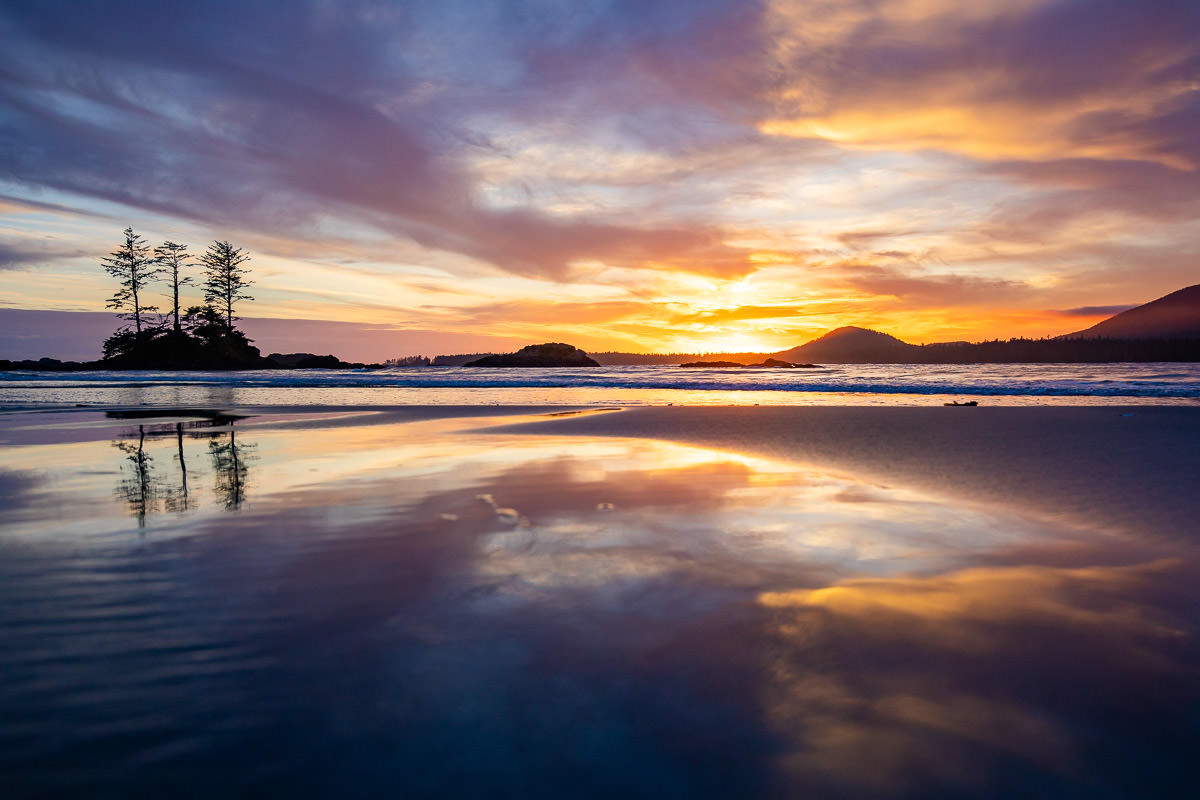
Now Hiring: Contract Graphic Designer!
Ancient Forest Alliance is hiring a contract Graphic Designer to help bring our campaigns to life through print and digital materials.
https://staging.ancientforestalliance.org/wp-content/uploads/2026/05/flores-island-wildside-trail-1200px-430.jpg
800
1200
TJ Watt
https://staging.ancientforestalliance.org/wp-content/uploads/2026/05/Ancient-Forest-Alliance-logo.svg
TJ Watt2026-05-22 12:22:292026-05-22 12:22:29Now Hiring: Contract Graphic Designer!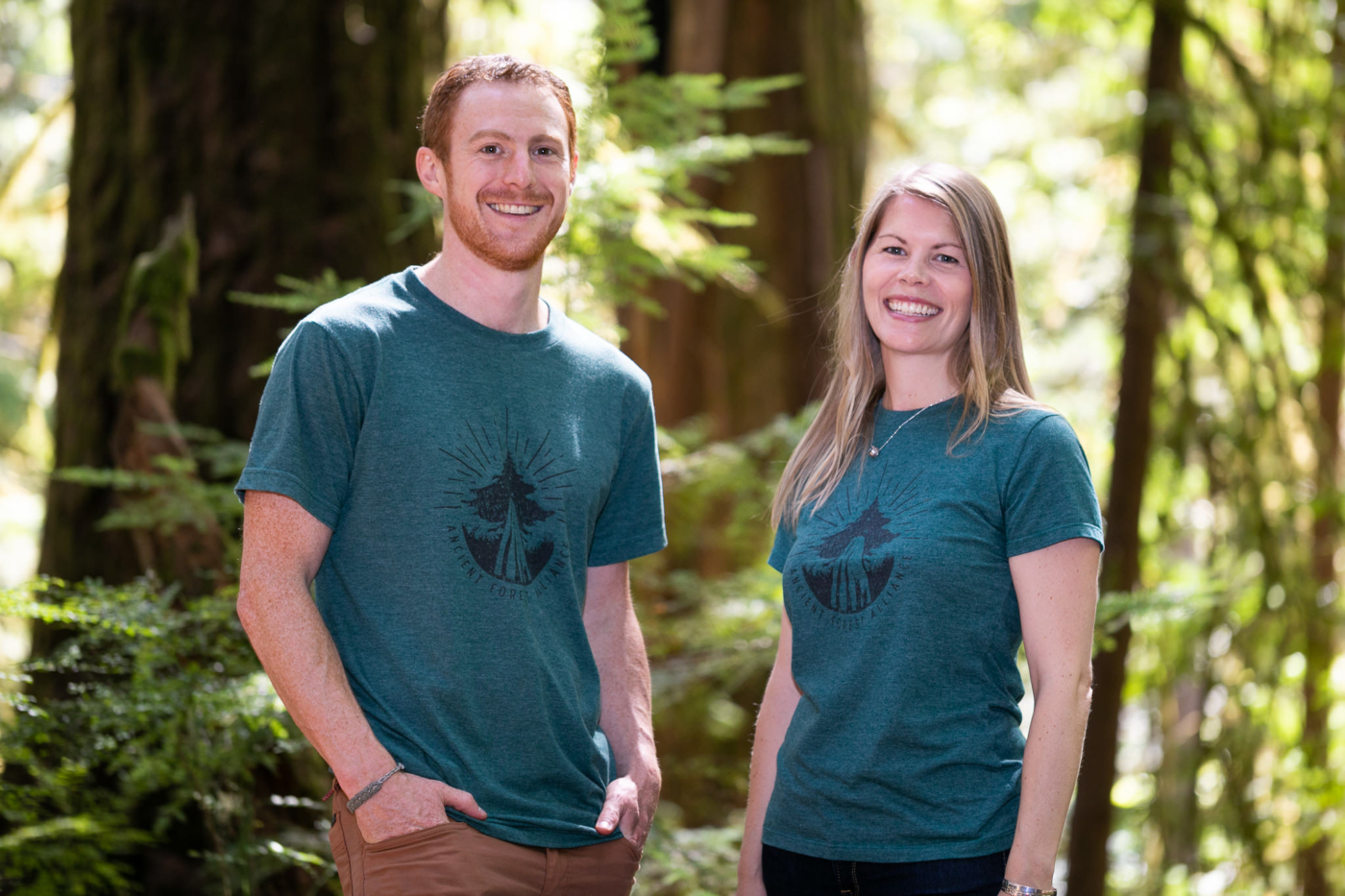
Design AFA’s Next T-Shirt and Help Protect Old-Growth Forests!
Calling all artists! For Earth Month, AFA is launching our first-ever Community T-Shirt Design Contest.
https://staging.ancientforestalliance.org/wp-content/uploads/2026/04/AFA-T-Shirt-Green-Mens-Womens.jpg
1365
2048
TJ Watt
https://staging.ancientforestalliance.org/wp-content/uploads/2026/05/Ancient-Forest-Alliance-logo.svg
TJ Watt2026-05-15 08:13:232026-05-19 09:33:44Design AFA’s Next T-Shirt and Help Protect Old-Growth Forests! Donate
 Send a Message
Magnificent Old-Growth Forest found on Vancouver Island; 11 foot wide, near-record size Sitka spruce towers in “FernGully Grove”
/in Media ReleasePort Renfrew, BC – The Ancient Forest Alliance (AFA) has located one of the finest and last unprotected stands of old-growth Sitka spruce groves on Vancouver Island, located near Port Renfrew. Nicknamed the “FernGully Grove” for its dense and extensive understory of ferns, it is located on lands owned by TimberWest corporation, in the territory of the Pacheedaht First Nation people, and is just a 10 minute drive from the town of Port Renfrew – a town that has been billed as the “Tall Tree Capital of Canada.”
Similar in feel to a “mini-Carmanah Valley,” the extremely rich, valley-bottom ancient grove is home to an enormous, 11 foot diameter Sitka spruce tree that is wider than the 10th widest Sitka spruce tree currently listed on the BC Big Tree Registry. It is also home to dozens of other 6 to 8 foot wide giants, an understory covered in fields of giant sword ferns, and is exceptional habitat for Roosevelt elk, black-tailed deer, wolves, cougars, and black bears.
There is no survey tape or any indications at this time of logging plans by TimberWest for the grove, to the knowledge of AFA campaigners, who have sent a letter to TimberWest seeking further information about the company’s plans for the area.
“This is the most impressive unprotected Sitka spruce grove we’ve come across in years. It really feels like you’re in a part of the Carmanah Valley. It also has a more luxuriant understory of ferns than we’ve seen anywhere else – so we’ve nicknamed it the ‘FernGully Grove’ for now,” said Ken Wu, Ancient Forest Alliance executive director. “Finding a grove of unprotected giant Sitka spruce is highly significant, given that the vast majority them on Vancouver Island have been logged in the valley bottoms where they grow. This grove needs to be bought and protected by the province. TimberWest has shown itself to be amenable to holding back from logging some contentious sites, such as the Koksilah Ancient Forest, while negotiations for their purchase or protection have been underway. In the case of FernGully Grove, we encourage them to show the same openness to potentially selling the land at fair market value for conservation purposes and, obviously, to holding back from any logging plans there, given that it’s a miniscule fraction of their private managed forest lands.”
“The FernGully Grove area is another prime reason why the new BC NDP government should implement a Land Acquisition Fund to purchase and protect endangered ecosystems on private lands,” stated Andrea Inness, Ancient Forest Alliance campaigner. “On Crown lands, where most ancient forests remain, the BC government needs to implement a comprehensive, science-based plan to protect the remaining old-growth forests, while also supporting First Nations land use plans and financing sustainable economic development and diversification in those communities in lieu of old-growth logging.”
“FernGully Grove is another exceptional ‘big tree find’ in the Port Renfrew region, which goes to show it truly deserves its title as the ‘Tall Trees Capital’ of Canada. This area has so much wildlife – elk, deer, wolves, cougars, bears – it could also be called the ‘Serengeti of Vancouver Island.’ For this reason, we’d like to see this area eventually designated more as an ecological reserve rather than as a tourism area, as it should really be kept undisturbed for its wildlife value,” stated TJ Watt, Ancient Forest Alliance campaigner and photographer.
Ancient Forest Alliance activists Ken Wu and TJ Watt, along with volunteer Nathaniel Glickman, located the grove on December 4 after a tough “bushwhacking” expedition through extremely dense salmonberry thickets and across stream channels. They returned the next day to measure the largest tree in the grove, a towering 11 foot (3.34 metre) wide Sitka spruce, which is wider than the tenth widest Sitka spruce in BC listed on the BC Big Tree Registry. The grove is nicknamed “FernGully” after the 1992 animated film in which forest creatures fight to save their rainforest home from logging.
While the Ancient Forest Alliance certainly aren't the first people to have seen this area – as the region as been inhabitated by indigenous peoples for thousands of years and in the past loggers and hunters would have traversed the area – the Ancient Forest Alliance is the first to have identified the grove for its conservation significance in terms of its old-growth forest qualities.
FernGully Grove is located on the private managed forest lands of TimberWest, who are also actively logging second-growth stands near the Red Creek Fir (the world’s largest Douglas-fir tree), where road access has been gated off for months, and have flagged large tracts of second-growth forest along the highway into Port Renfrew for potential future logging. The AFA has concerns about the impacts of this logging and has included their concerns about all three sites in their letter to the company.
Background Info on the Proposed BC Land Acquisition Fund
The Ancient Forest Alliance is calling on the BC government to create a provincial land acquisition fund in order to purchase and protect private lands such as these that have high conservation or recreation value. The AFA has sent a briefing document to Minister of Environment George Heyman, outlining the need for a land acquisition fund and hopes to meet with the minister in the new year to discuss the proposal further.
About 5% of British Columbia’s land base is private, where new protected areas require the outright purchase of private lands from willing sellers, while 95% is Crown (public) lands, where new protected areas are established by government legislation. However, a high percentage of BC’s most endangered and biologically richest and diverse ecosystems are found on private lands, which are disproportionately important for conservation efforts.
The Ancient Forest Alliance’s is proposing a provincial land acquisition fund of $40 million/ year (less than 0.1% of the provincial budget), starting in 2018, and increasing by $10 million per year until reaching $100 million in 2025. The proposed land acquisition fund would enable the timely purchase and protection of significant tracts of endangered private lands of high conservation, scenic, and recreation value to add to BC’s parks and protected areas system. This could include areas such as Vancouver Island’s endangered Garry Oak meadows, grasslands of the Okanagan Valley and old-growth forests on at FernGully Grove, the Koksilah Ancient Forest (owned by TimberWest) near Shawnigan Lake, and Mount Horne (owned by Island Timberlands), the mountainside above the world-famous Cathedral Grove, Canada’s most famous old-growth forest.
Many regional districts in BC have park acquisition funds, which are augmented by the fundraising efforts of private citizens and land trusts. For example, the Capital Regional District (CRD) of Greater Victoria has a Land Acquisition Fund that generates about $3.7 million each year and has spent over $35 million to purchase over 4,500 hectares of land with its partners since the year 2000. The fund has helped to protect the Sooke Hills and Potholes, Jordan River’s popular surfing area, Mount Maxwell on Saltspring Island, and lands between Thetis Lake and Mount Work. Like the CRD’s land acquisition fund, a provincial fund could be used as leverage to raise additional funds from private land trusts, environmental groups and private donors.
A report published by the University of Victoria Environmental Law Centre in 2015 outlined the various funding mechanism available to the BC government for a provincial land acquisition fund. Read the report.
Environmental lawyer Erin Grey also produced a report earlier this year, analyzing the AFA's proposed Pop for Parks program, which would see unredeemed bottle deposits redirected to the purchase and protection of private lands with high conservation values. The report indicates there are no legal or financial barriers to implementing the program in BC – only a lack of political will. Read the report.
More Background Information about Old-Growth Forests
“The new NDP government, supported by the BC Greens, gives us the greatest opportunity in BC's history to finally end the decades-long ‘War in the Woods’ by protecting endangered old-growth forests and ensuring a sustainable, second-growth forest industry,” said Ken Wu, Executive Director of the Ancient Forest Alliance. “The NDP has sent some positive signals, but we need to see clear commitments and action to protect what remains of BC’s old-growth.”
The Ancient Forest Alliance is asking for a series of policy changes that can be rolled out over both short- and longer-term timelines. This includes a comprehensive, science-based law to protect all of BC’s remaining endangered old-growth forests, partly modeled after the ecosystem-based management approach used in the Great Bear Rainforest. It also includes financial support for sustainable economic development and diversification of First Nations communities, known as “conservation financing,” while supporting First Nations land use plans. While these longer-term solutions are being developed, an interim halt to logging in old-growth “hotspots” – areas of high conservation value – must be implemented to ensure the largest and best stands of remaining old-growth forests are kept intact while a larger plan is developed. Regulations and incentives must also be used to ensure a sustainable, value-added second-growth forest industry in BC.
Policies that can be readily implemented more quickly include a Big Tree Protection Order, which the BC government is currently finishing work on developing, which would protect the biggest trees on the coast with buffer zones. Thousands of hectares of Old-Growth Management Areas (OGMA’s) that are currently mapped but not given legal protection status (ie. “non-legal OGMA’s”) should also be made legally-binding immediately. As mentioned earlier, annual funding also needs to be directed to establish a provincial land acquisition fund to purchase and protect private lands of high conservation value.
The NDP’s 2017 election platform states that “in partnership with First Nations and communities, we will modernize land-use planning to effectively and sustainably manage BC’s…forests and old growth. We will take an evidence-based scientific approach and use the ecosystem-based management of the Great Bear Rainforest as a model.” (Read page 61 of their platform). If taken literally, this would almost certainly result in the protection of the remaining old-growth forest on BC’s southern coast and in the BC Interior, where old-growth forests are far scarcer and more endangered than in the Central and Northern Coast (Great Bear Rainforest) where 85% of the forests were set aside under the ecosystem-based management plan there.
Old-growth forests are vital to sustaining unique endangered species, climate stability, tourism, clean water, wild salmon, and the cultures of many First Nations. On BC’s southern coast, satellite photos show that at least 75% of the original, productive old-growth forests have been logged, including well over 90% of the valley bottoms where the largest trees grow. See maps and stats.
In recent years, support for increased old-growth protection has broadened to include unions, chambers of commerce and municipalities. For example, the Union of BC Municipalities (UBCM) and the Association of Vancouver Island and Coastal Communities (AVICC) have passed a resolution calling for an end to old-growth logging on Vancouver Island; the BC Chamber of Commerce, representing 36,000 BC businesses, has called for expanded old-growth forest protection in BC in order to benefit the economy; and the Private and Public Workers of Canada (PPWC), representing thousands of BC forestry workers, has passed a resolution calling for protection of Vancouver Island’s remaining old-growth forests.
Environmental organizations Ancient Forest Alliance, Sierra Club BC, and Wilderness Committee are calling on the BC government to develop a comprehensive, science-based Old-Growth Protection Act to protect endangered old-growth forests and to ensure a sustainable, value-added, second-growth forest industry.
Groups demand protection of Island’s old-growth forests
/in News CoverageB.C.’s old-growth forests will not go down without a fight.
More than 200 people, including members of the Sooke, Port Renfrew, and West Shore chambers of commerce, First Nations, local governments and environmental groups, gathered in Victoria on Tuesday demanding the provincial government create policies to protect old-growth forests.
Old-growth forests play an important role for many reasons, including providing a home for endangered species, sustaining climate, attracting tourism, and is a large part of First Nations culture.
But 75 per cent of B.C.’s original old-growth forests have already been logged, and only eight per cent of Vancouver Island’s old-growth forests are in protected areas.
The Ancient Forest Alliance is seeking to have short and long-term policy changes implemented by the government.
The longer term policies would involve a law to protect forests, and annual funding that would allow the government to buy and protect lands of “high conservation, cultural or recreational value.”
For a more short-term solution, the alliance suggested implementing a policy that the B.C. government is almost finished developing called a Big Tree Protection Order, which would protect the biggest trees on the coast with buffer zones. They also believe the NDP should stop B.C. Timber Sales (the B.C. government’s logging agency) from cutting down any more old-growth areas.
The NDP’s 2017 election platform states: “we will modernize land-use planning to effectively and sustainable manage B.C.’s … forests and old growth. We will take an evidence-based scientific approach and use the ecosystem-based management of the Great Bear Rainforest as a model.”
“We’ve long agreed with these campaigners more needs to be done to protect the health of our vital forests, which for 16 years were left degraded by the B.C. Liberal government,” said Premier John Horgan in a statement.
“Doug Donaldson (minister of forests) met in October with the groups who held the rally Tuesday night. They shared with him a thoughtful and comprehensive analysis with what they see as the problem and offered some solutions.”
Horgan said the campaigners’ discussion paper is being analyzed by the ministry right now and they will have more to say about it once the study is complete.
If the NDP follows through with the statement, the remaining old-growth forests would be protected.
“I’m looking forward to the solutions he (Donaldson) brings forward,” Horgan said.
Ken Wu, executive director of the alliance, said Tuesday’s rally sent an unmistakable message to the NDP that B.C. citizens want to see a major change and improvement in the forestry industry.
“We look forward to seeing some concrete action in the coming months, especially during the February sitting of the legislature, where we expect the B.C. government to follow through on its 2017 election platform commitments,” Wu said.
Click here to read the original article.
THANK YOU to Everyone Who Helped Make Our Year-End Celebration a Success!
/in Announcements, Thank YouThe Ancient Forest Alliance would like to send a major THANK YOU to everyone who helped make our Year-End Celebration on November 25th a great success! The night was filled with great energy, socializing, music, food, and dancing. More than 150 people filled the Victoria Event Centre to its capacity.
Excitingly, we raised over $5000! A large portion of our proceeds resulted from the silent auction items that were generously donated by a variety of businesses and artists. We would like to thank the following groups for their support:
Patagonia Victoria, Robinsons Outdoor Store, MEC, Lumina Yoga & Wellness, Land & Sea Apparel, Emma Glover Design, Expedition Old-Growth, Olive the Senses, Harmony Bellydance Co., Butchart Gardens, Spinnakers Gastro Brewpub, Pelican Products, WindBlossom Massage, Il Terrazzo Ristorante, Café Brio, Phillips Brewery, Ashtanga Yoga Victoria, Hemp & Co., Moksha Yoga Victoria, Heart and Hands Health Collective, Port Renfrew Marina and RV Park, Bahnman Timber, The Land Conservancy, LUSH Victoria, the UVic Ancient Forest Committee, Andrea Renee Whelan at Hawthorne Naturopathic Centre, and artists Paul Beique, Keuque Method and Logan Ford for your beautiful artwork. To the Market on Yates and Red Barn Market, the appetizer platters were amazing! Thank you Bon Macaron Patisserie for the popular dessert.
We would also like to send a special thanks to Oliver Swain for his fantastic live performance, as well as C-Frets, DJ Rich Nines and Taquito Jalepeno for donating their time to the turn-tables. A double thanks to Chris Fretwell and Social Coast for playing a key role in organizing the event! Your time spent planning, printing materials and promoting the event is appreciated.
Of course, THANK YOU so much to our incredible volunteers, supporters and AFA staff who without, we could not have pulled off such an enjoyable and successful evening.
We are so grateful for your support.
Thank you,
Ken Wu, TJ Watt, Andrea Inness, Joan Varley, Amanda Evans, Tiara Dhenin, Kent MacWilliam
Ancient Forest Alliance