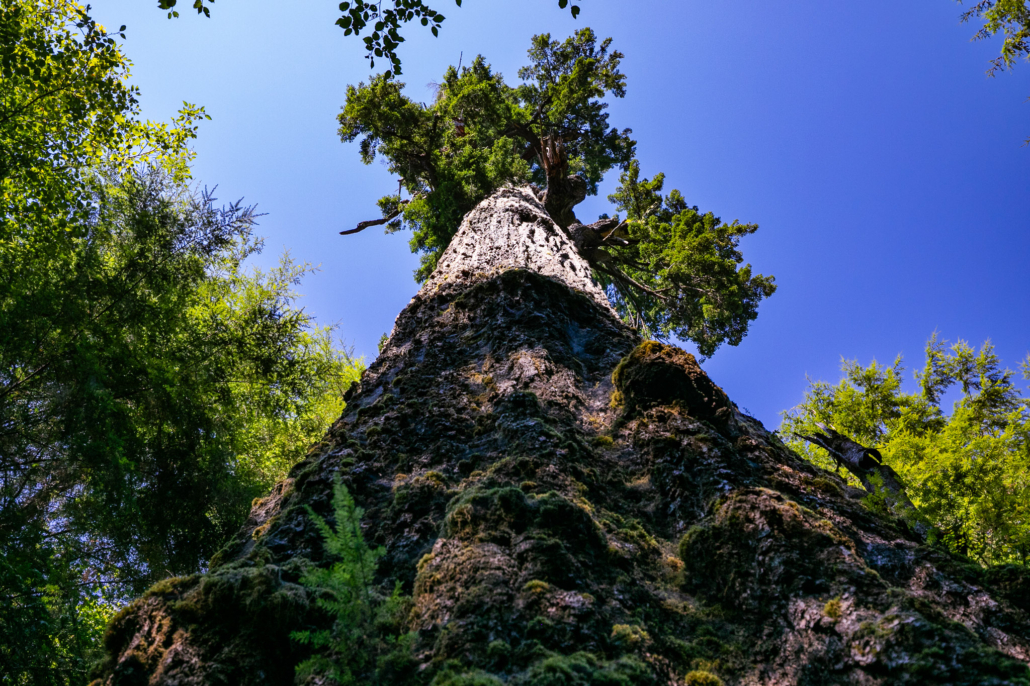
UPDATED: Port Renfrew Big Trees Map
Explore the updated Port Renfrew Big Trees Map with new directions, trails, and routes to iconic giants like Big Lonely Doug, Eden Grove, and more.
https://staging.ancientforestalliance.org/wp-content/uploads/2025/05/13-Red-Creek-Fir.jpg
1365
2048
TJ Watt
https://staging.ancientforestalliance.org/wp-content/uploads/2026/05/Ancient-Forest-Alliance-logo.svg
TJ Watt2026-05-29 15:39:342026-05-29 15:40:49UPDATED: Port Renfrew Big Trees Map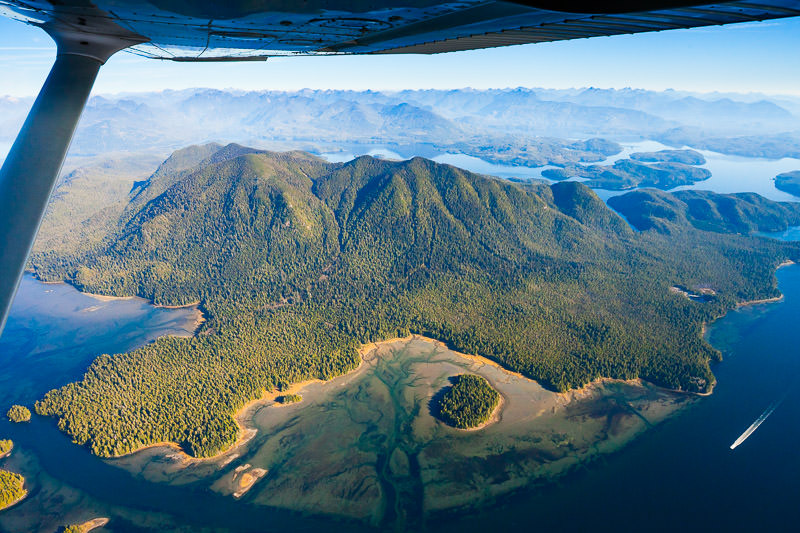
NEW! West Coast Old-Growth Hiking Guide
Explore AFA’s NEW West Coast old-growth hiking guide. From Clayoquot Sound to Port Alberni, there are trails for every skill level!
https://staging.ancientforestalliance.org/wp-content/uploads/2026/05/meares-island-big-tree-trail-tofino-1200px-338.jpg
533
800
TJ Watt
https://staging.ancientforestalliance.org/wp-content/uploads/2026/05/Ancient-Forest-Alliance-logo.svg
TJ Watt2026-05-29 12:06:002026-05-29 15:42:38NEW! West Coast Old-Growth Hiking Guide
Now Hiring: Contract Graphic Designer!
Ancient Forest Alliance is hiring a contract Graphic Designer to help bring our campaigns to life through print and digital materials.
https://staging.ancientforestalliance.org/wp-content/uploads/2026/05/flores-island-wildside-trail-1200px-430.jpg
800
1200
TJ Watt
https://staging.ancientforestalliance.org/wp-content/uploads/2026/05/Ancient-Forest-Alliance-logo.svg
TJ Watt2026-05-22 12:22:292026-05-22 12:22:29Now Hiring: Contract Graphic Designer!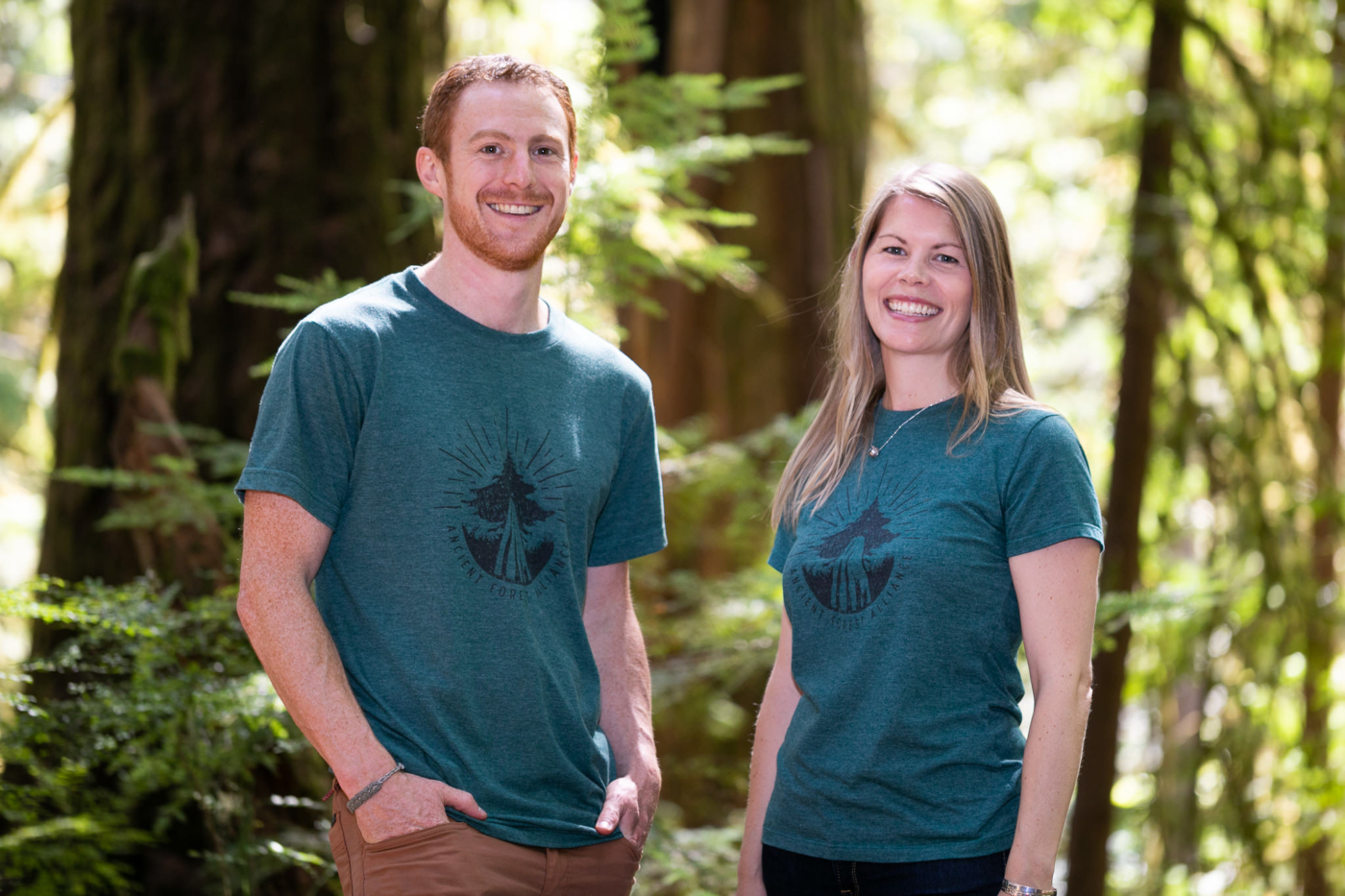
Design AFA’s Next T-Shirt and Help Protect Old-Growth Forests!
Calling all artists! For Earth Month, AFA is launching our first-ever Community T-Shirt Design Contest.
https://staging.ancientforestalliance.org/wp-content/uploads/2026/04/AFA-T-Shirt-Green-Mens-Womens.jpg
1365
2048
TJ Watt
https://staging.ancientforestalliance.org/wp-content/uploads/2026/05/Ancient-Forest-Alliance-logo.svg
TJ Watt2026-05-15 08:13:232026-05-19 09:33:44Design AFA’s Next T-Shirt and Help Protect Old-Growth Forests! Donate
 Send a Message
Thank You to All Supporters of the Ancient Forest Alliance!
/in Thank YouThanks to our 2017 Donors!
The Ancient Forest Alliance (AFA) was thrilled to grow our support base in 2017 to include a diversity of local businesses, artists, and organizations. The support and generosity of these businesses and individuals has been fundamental in our work to protect BC’s endangered old-growth forests and ensure a sustainable second-growth forest industry.
We are incredibly grateful to receive major support from Patagonia through their environmental grants program and to Valhalla Pure Outfitters in Nanaimo and Robinson’s Outdoor Store for awarding the AFA with conservation grants through Patagonia’s wholesale grants program. The Patagonia Vancouver and Patagonia Elements Victoria stores also offered their space on multiple occasions to host film nights and tabling events, with ticket sales proceeds going toward AFA campaigns.
Thank you to Robinson’s Outdoor Store in Victoria for hosting an amazing benefit night for the AFA with support from Patagonia, beer provided by Spinnakers, and the Giant Tree Hunters documentary provided by Nootka Street Film. We would also like to thank Mountain Equipment Co-op (MEC) for generously contributing funds, in-kind gifts, and store-front space to host our booth events in both the Lower Mainland and Victoria.
A big thanks again this year to ROOT Victoria for generously donating the proceeds from their opening dinner at the ROOT festival, and to Creatively United for hosting our canvassers and inviting our campaigners to speak at their Earth Day event.
Tribe Red Leaf Studios designed a special batch of AFA branded t-shirts, which they gifted to our staff and sold to earn funds for our campaigns. They also donate generously as monthly contributors!
Many thanks to Staekka Brand Goods and Apparel for supporting the Ancient Forest Alliance for a second year in a row, to Singing Bowl Granola for donating $1 per sale to the AFA during a special online promotion, to Fathom Stone Art for committing 1% of their proceeds from art sales toward protecting ancient forests, to Land & Sea West Coast Apparel for donating a portion of their annual sales toward our campaigns, and to the Ric Perron Community Film night for collecting donations for the AFA (queries: ricperron@shaw.ca).
We are grateful to Elastic Email for generously supporting us on a monthly basis; to Wild Coast Perfumery, Bough & Antler Northwest Goods, MacIsaac & MacIsaac, and Vicorp Services for their donations; and to Eternal Abundance Organic Vegan Grocery & Cafe and Banyen Books for supporting our campaigns by retailing AFA merchandise in their store-fronts.
Tall Tree Music Festival once again lent its support this summer to protect old-growth forests near Port Renfrew and beyond. Many thanks to the organizers for your hard work!
The AFA also received in-kind support from a variety of businesses and organizations during our 2017 year-end celebration and fundraiser. We would like to thank Patagonia Victoria,  Robinson’s Outdoor Store, MEC, Lumina Yoga & Wellness, Land & Sea West Coast Apparel, Emma Glover Designs, Expedition Old Growth, Olive the Senses, Harmony Bellydance Co., Butchart Gardens, Spinnakers Gastro Brewpub, Pelican Products, WindBlossom Massage, Il Terrazzo Ristorante, Café Brio, Phillips Brewery,  Mysore Victoria, Hemp & Co., Moksha Yoga Victoria, Heart and Hands Health Collective, Port Renfrew Marina and RV Park, Bahnmann Timber, The Land Conservancy, LUSH Cosmetics Victoria, the  UVic Ancient Forest Committee, Dr. Andrea Whelan at Hawthorne Naturopathic Centre, The Market on Yates, Red Barn Market,  Bon Macaron Patisserie , artists Paul Beique,  Keuque Method, and Logan Ford; musician Oliver Swain, DJs C-Frets, Rich Nines, and Taquito Jalepeno, as well as Social Coast and all our volunteers for helping to make the event a major success!
We are most grateful for the generous support we receive from businesses, organizations, and artists throughout Victoria, the Lower Mainland, and beyond. Your donations, talents, and creative fundraising efforts are appreciated.
Thank you for choosing to support the AFA!
Ken Wu, TJ Watt, Andrea Inness, Joan Varley, Amanda Evans, Tiara Dhenin, Kent MacWilliam
Ancient Forest Alliance
Talking Points for Meetings with Members of the Legislative Assembly (MLAs)
/in Take ActionYour MLA may or may not be well-informed on the need to protect endangered old-growth forests and to ensure sustainable second-growth forestry jobs. When meeting them, share your concerns, outline the basic information we’ve provided, and try to convince them to take a favourable stance if they haven’t already. You should also be prepared to discuss some key issues of concern your MLA is likely to point out. Below are some topics your MLA might bring up and how you can address them.
Topic 1: Protecting old-growth forests could have a negative effect on forestry jobs and the economy.
Response: Most of BC’s forests are now second-growth, with old-growth forests making up only a minority fraction of the land-base. If the BC government promoted policies, such as ending the export of raw, unprocessed logs to foreign mills and implementing tax breaks for new investments in machinery to process second-growth logs into lumber or higher-end, value-added products, the total number of forestry jobs in BC could be sustained and even increased while we quickly phase-out old-growth logging. We need to get more jobs out of every second-growth log that we cut, while protecting the last old-growth stands.
Topic 2: Protecting old-growth forests from logging must align with the interests and aspirations of BC’s First Nations communities.
Response: Because of the policies of the previous BC Liberal government, many BC First Nations communities now rely on old-growth logging in their traditional territories for some of their revenues and employment. Unfortunately, they also lack a range of alternative, sustainable economic opportunities that would allow them to sustain employment of band members and generate revenues if they were to protect the old-growth forests in their territories should they wish to. Therefore, the BC government should provide financial support for First Nations economic development and diversification – just like the previous government did in the Great Bear Rainforest – to support First Nations’ economic development in enterprises like eco- and cultural tourism, renewable energy development, and sustainable seafood harvesting, while protecting endangered old-growth forests.
Topic 3: Old-growth forests are not endangered. According to BC government statistics, 40% of BC’s forests are considered old-growth.
Response: Not all forests are the same – some are comprised of big trees, while others are comprised of small, stunted trees with little to no commercial value. However, the BC government’s old-growth statistics fail to distinguish between these different forest types. After a century of commercial logging, most of BC’s remaining old-growth forests are low-productivity forests growing on steep slopes with thin soils at high elevations or in water-saturated bogs where trees grow small and poorly. There is only a small fraction of original, moderate- to high-productivity old-growth forest left in BC – that which has moderate to high commercial value. These are the forests that are endangered.
According to Ministry of Forests data, 80% of the productive old-growth forests on BC’s southern coast have been logged, including well over 90% of the valley bottoms where the largest trees grow, while only about 8% of the productive forests are protected in parks and Old-Growth Management Areas.
Topic 4: The BC NDP government will protect forests by investing in wildfire resiliency and recovery, modernizing land use planning, and keeping more logs in BC for processing.
Response: These measures do not adequately address the urgent need to curtail and end the large-scale logging of old-growth forests. Most of BC’s original, productive old-growth forests have been logged and there is now very little left. We need bold, decisive action and major policy changes in order to protect what remains. We need a science-based, legislated plan to protect old-growth; funding for First Nations sustainable economic development; immediate action to protect old-growth hotspots; a ban on old-growth raw log exports; incentives and regulations to ensure a sustainable, value-added, second-growth forest industry; and finally, a land acquisition fund to purchase and protect old-growth forests on private land.
Topic 5: BC already has a system in place to protect old-growth forests in parks, Old-Growth Management Areas, and for species at risk like the Marbled Murrelet and Northern Goshawk. How is what you are proposing any different?
Response: BC’s existing system for protecting old-growth forests is not based on science and therefore protects a much smaller amount of old-growth than would otherwise occur. The current system does not mandate that the amount of old-growth to be protected, or “targets”, be based on any significant or comprehensive scientific assessments, does not distinguish between forest productivity classes (e.g. a stunted bog forest versus a monumental grove with giant trees) in those targets, and also allows the removal and “trade” of Old-Growth Management Areas (OGMAs) for logging purposes. In addition, these OGMAs, which once protected high productivity old-growth forests, are typically “traded” for lower productivity sites. The protection of more old-growth habitat for endangered species such as the Marbled Murrelet and Northern Goshawk, while greatly welcome and needed, will still result in most of the remaining endangered stands being logged if not accompanied by a comprehensive law to protect endangered old-growth forests, which themselves are only a small fraction of what once stood.
Ancient Forest Alliance supports BC government’s proposal to expand Coastal Douglas-Fir ecosystem protection
/in Media ReleaseFor immediate release
December 22, 2017
Ancient Forest Alliance supports BC government’s proposal to expand Coastal Douglas-Fir ecosystem protection
The group applauds the province’s move to protect threatened Coastal Douglas-fir (CDF) ecosystems on Crown land.
Victoria, BC – The Ancient Forest Alliance (AFA) commends the BC government and Ministry of Forests on their proposal to increase the amount of Coastal Douglas-fir ecosystem protected on public (Crown) lands on Vancouver Island’s southeast coast and the southern Gulf Islands.
The BC government is proposing to protect 21 parcels of public land in Bowser, Qualicum Beach, Nanoose Bay, Gabriola Island, Ladysmith, Galiano Island, and Saltspring Island.
“The AFA is pleased to see the NDP government recognize the need to expand protections in this unique and extremely endangered ecosystem,” said Ken Wu, executive director of the Ancient Forest Alliance. “The Coastal Douglas-Fir ecosystem is home to the highest number of species at risk in BC and, with less than four percent of the region’s ecosystems protected by the province, the proposed protection measures are greatly needed.”
The Coastal Douglas-fir ecosystem, the smallest of BC’s 16 distinctive biogeoclimatic zones (classified according to their climatic and ecological features), is among the top four most endangered ecosystems in Canada, along with the Tallgrass Prairie in Manitoba, the Carolinian Forest in southern Ontario, and the “Pocket Desert“ near Osoyoos in southern BC.
Species at risk within the Coastal Douglas-fir (CDF) zone include Garry oak trees, sharp-tailed snakes, alligator lizards, and Vancouver Island screech owl and pygmy owl subspecies.
The CDF zone encompasses about 260,000 hectares on southeast Vancouver Island, the Gulf Islands south of Cortes Island, and a small area of the Sunshine Coast. About 50 percent of the entire ecosystem has been converted to human uses such as agriculture and urbanization. About one percent of the region’s original old-growth forest remains.
Most of the Coastal Douglas-fir zone was privatized through the E&N Land Grant over a hundred years ago. Only twenty percent of the area is Crown land and almost all of it is unceded First Nations territory.
“We welcome the NDP’s plan to protect more public land in this endangered ecosystem. This is a major step forward for the Coastal Douglas-Fir region. We believe the BC government must also commit funding to the purchase and protection of private lands, which constitute the vast majority of the CDF zone and encompass at-risk ecosystems that, otherwise, remain vulnerable to development or degradation” said Andrea Inness, Ancient Forest Alliance campaigner.
The Ancient Forest Alliance is calling on the BC government to establish an annual $40 million provincial land acquisition fund to purchase and protect private lands in BC, including in the Coastal Douglas-fir zone, which has the highest percentage of private land in the province of any biogeoclimatic zone in BC.
The proposed fund would rise to an annual $100 million by 2024 through $10 million increases each year and would enable the timely purchase of significant tracts of endangered private lands of high conservation, scenic, and recreation value to add to BC’s parks and protected areas system.
“In an area where only nine percent of the land base is provincial Crown land, the purchase and protection of private land is critical if we want to avoid biodiversity loss in the long-term,” said Inness. “The protected area target set out for nations under the UN Convention of Biological Diversity is 17 percent. A land acquisition fund is a vital way to ensure enough large areas are protected to reach that 17 percent target in the Coastal Douglas-fir zone.”
The AFA is also encouraging the BC government to consider a third phase of land use order protections on additional Crown lands in the CDF zone to ensure this unique ecosystem is adequately conserved and can be enjoyed by BC residents and visitors for generations.
The BC government is inviting the public to submit their comments on the proposal to increase the amount of Coastal Douglas-Fir ecosystem protections from now until Jan. 15, 2018.
Written comments may be sent to CDFOrderAmendment2017@gov.bc.ca.
Background Information
The Coastal Douglas-fir ecosystem has the mildest climate in Canada, resulting in an almost Mediterranean environment with hot dry summers, mild winters, and moderate precipitation, creating natural meadow environments. Today the area features largely second-growth forests with some pockets of old-growth veteran trees, and includes sensitive ecosystems with rocky outcroppings, arbutus trees, and Garry oak meadows.
Many regional districts in BC, such as the Capital, Nanaimo, Cowichan Valley, Strathcona, and Powell River Regional Districts, have land – or “park” – acquisition funds, some of which are augmented by the fundraising efforts of private citizens and land trusts. The Land Acquisition Fund of the Capital Regional District of Greater Victoria (CRD) has been foundational in helping to protect endangered ecosystems and lands of high recreational and scenic value.
The CRD’s fund generates about $3.7 million each year and has spent over $35 million to purchase over 4,500 hectares of land around Victoria with its partners since its establishment in the year 2000, and has helped to protect such iconic natural areas as the Sooke Hills and Potholes, Mount Maxwell on Saltspring Island, and lands between Thetis Lake and Mount Work. Like the Capital Regional District’s land acquisition fund, the proposed $40 million provincial fund could be used as leverage to raise additional funds from private land trusts, environmental groups and private donors.
One of several funding mechanisms available to the BC government for a land acquisition fund is a “Pop for Parks” initiative, where unredeemed bottle deposit funds are redirected to the protection of lands with high conservation values. While the annual $10 to $15 million Pop for Parks program would make up only part of the recommended annual $40 million fund, a report by environmental lawyer Erin Grey, produced earlier this year for the AFA, showed there are no legal or financial barriers to implementing the program in BC – only a lack of political will.