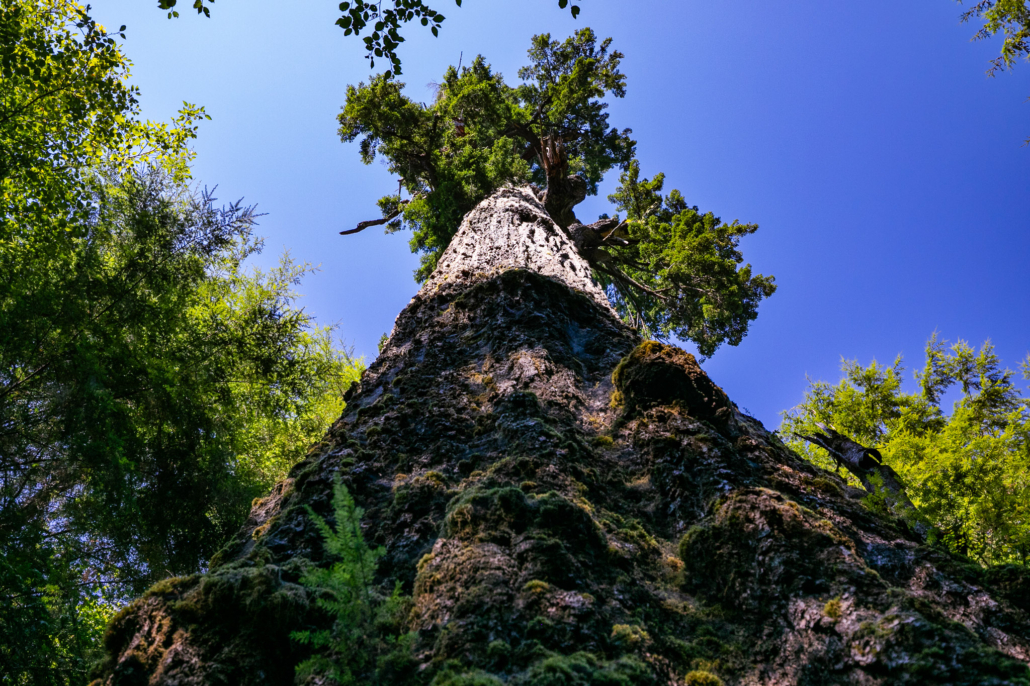
UPDATED: Port Renfrew Big Trees Map
Explore the updated Port Renfrew Big Trees Map with new directions, trails, and routes to iconic giants like Big Lonely Doug, Eden Grove, and more.
https://staging.ancientforestalliance.org/wp-content/uploads/2025/05/13-Red-Creek-Fir.jpg
1365
2048
TJ Watt
https://staging.ancientforestalliance.org/wp-content/uploads/2026/05/Ancient-Forest-Alliance-logo.svg
TJ Watt2026-05-29 15:39:342026-05-29 15:40:49UPDATED: Port Renfrew Big Trees Map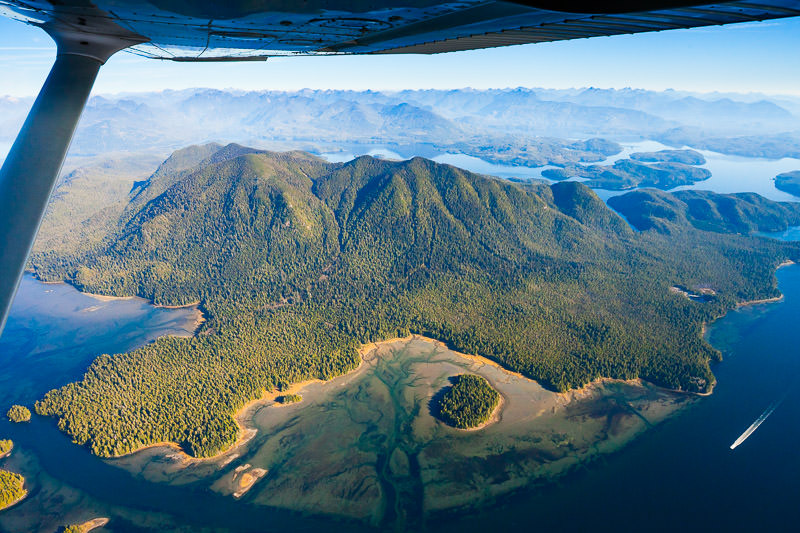
NEW! West Coast Old-Growth Hiking Guide
Explore AFA’s NEW West Coast old-growth hiking guide. From Clayoquot Sound to Port Alberni, there are trails for every skill level!
https://staging.ancientforestalliance.org/wp-content/uploads/2026/05/meares-island-big-tree-trail-tofino-1200px-338.jpg
533
800
TJ Watt
https://staging.ancientforestalliance.org/wp-content/uploads/2026/05/Ancient-Forest-Alliance-logo.svg
TJ Watt2026-05-29 12:06:002026-05-29 15:42:38NEW! West Coast Old-Growth Hiking Guide
Now Hiring: Contract Graphic Designer!
Ancient Forest Alliance is hiring a contract Graphic Designer to help bring our campaigns to life through print and digital materials.
https://staging.ancientforestalliance.org/wp-content/uploads/2026/05/flores-island-wildside-trail-1200px-430.jpg
800
1200
TJ Watt
https://staging.ancientforestalliance.org/wp-content/uploads/2026/05/Ancient-Forest-Alliance-logo.svg
TJ Watt2026-05-22 12:22:292026-05-22 12:22:29Now Hiring: Contract Graphic Designer!
Design AFA’s Next T-Shirt and Help Protect Old-Growth Forests!
Calling all artists! For Earth Month, AFA is launching our first-ever Community T-Shirt Design Contest.
https://staging.ancientforestalliance.org/wp-content/uploads/2026/04/AFA-T-Shirt-Green-Mens-Womens.jpg
1365
2048
TJ Watt
https://staging.ancientforestalliance.org/wp-content/uploads/2026/05/Ancient-Forest-Alliance-logo.svg
TJ Watt2026-05-15 08:13:232026-05-19 09:33:44Design AFA’s Next T-Shirt and Help Protect Old-Growth Forests! Donate
 Send a Message
Environmentalists want old growth on west coast of Island protected
/in News CoverageForest company says it has delayed plans a year to listen to local concerns
Environmentalists are hoping to halt proposed logging of old-growth forest slated for the northwest coast of Vancouver Island.
Recently, the Ancient Forest Alliance enlisted the support of the local council from Tahsis in efforts to protect the McKelvie Valley.
The valley extends from Tahsis to the base of Mount McKelvie. According to the news release from the Ancient Forest Alliance, the area features endangered ancient forest, rich wildlife habitat and McKelvie Creek, which serves as a salmon spawning ground and source of drinking water for the community.
“The McKelvie is an exceptionally significant ancient forest given that it is an entire intact valley in a region where virtually all valleys have now been fragmented and tattered by logging” Ancient Forest Alliance campaigner Andrea Inness said in the release.
“As such, its value for wildlife, water, fisheries, tourism, recreation, and the climate are exceptional. Most controversies over old-growth logging today involve significant patches and groves of ancient forest, but we’re talking about an entire intact watershed here.”
The McKelvie Creek watershed lies within Tree Farm Licence (TFL) 19, the licence for which was acquired by Western Forest Products’ (WFP) predecessor in December 1997. According to the Ministry of Forests, Lands and Natural Resource Operations, the TFL covers 170,713 hectares, with 138,350 hectares considered productive forest and 75,958, or about 55 per cent, available for timber harvesting. In addition, the ministry says more than 23,000 hectares are designated as old growth management areas or wildlife habitat areas.
The Ancient Forest Alliance says the McKelvie watershed, which is 2,170 hectares, is the last regional stronghold for the threatened marbled murrelet sea bird population, while McKelvie Creek provides a habitat for fish such as chum and coho salmon, cutthroat trout and Dolly Varden. They are concerned proposed road-building and logging in TFL 19 will increase runoff and increase the severity of debris slides and flooding, which could affect species’ habitat as well as water quality. In response, the Tahsis Village Council passed a resolution in June opposing all forms of resource extraction, including logging.
In response, WFP says it relies on industry-leading forest management standards and employs professional foresters and other qualified professionals, such as biologists, hydrologists and geoscientists, to develop and implement plans that meet or exceed the B.C. government standards.
“Our professionals develop forest stewardship plans that show how we are meeting the objectives set by the government for old growth preservation, soils, timber, wildlife, water, fish, biodiversity, visual landscapes and First Nations cultural heritage resources,” WFP Senior Communications Director Babita Khunkhun told the Mirror in an email.
The company also says it voluntarily submits to having all of its forest tenures independently certified to internationally recognized standards for sustainable forest management.
As far as why WFP is harvesting old growth, Khunkhun continued, saying, “Wood is a renewable resource and the most sustainable building material on the planet. Vast areas of forests are retained, including old growth management areas and other types of reserves. In addition, Western has policies in place, including a big tree protection policy, to ensure we maintain unique features across the land base.”
The company said it has consulted with the Tahsis council this past year and will continue to engage with them on this issue, adding it has delayed plans for at least a year to provide more time to better understand local concerns and consider these as part of forest management in the McKelvie Valley.
Read the original article here.
VIDEO: Clayoquot Tribal Parks and First Nations Old-Growth Protection
/in VideoCheck out this most important video clip about the inspiring, cutting-edge First Nations-led efforts of the Tla-o-qui-aht, Ahousaht, and Hupacasath people to protect Vancouver Island’s old-growth forests! 25 years ago, on August 9, 1993, over 300 people were arrested trying to protect the old-growth forests in Clayoquot Sound on Vancouver Island, out of almost 900 people who would be arrested that summer. The Tla-o-qui-aht have declared most of their territory as Tribal Parks and the Ahousaht have developed a Land Use Vision that protects 82% of their territory from industrial logging, while the Hupacasath are speaking up for the protection of ancient forests in the Nahmint Valley. The BC government has yet to officially recognize and support these initiatives, and has not committed to undertaking conservation financing for these communities or elsewhere across most of BC at this time, while still supporting old-growth logging in the Nahmint Valley and in large regions of the province. However, there is hope – with your support for these First Nations conservation initiatives!
See the original video by filmmaker Darryl Augustine here.
Old-Growth Logging in the McKelvie Valley Opposed by Tahsis Village Council and Community Members
/in Media ReleaseVillage of Tahsis
TAHSIS – Tahsis Village Council and members of the Tahsis community are joining forces with conservationists to oppose planned logging by Western Forest Products in the McKelvie Watershed, the last unlogged watershed in the Tahsis region, located in Nuu-chah-nulth territory.
The McKelvie Valley, which extends from the village of Tahsis on the northwest coast of Vancouver Island to the base of Mount McKelvie, features endangered ancient forest, rich wildlife habitat, and McKelvie Creek, a salmon spawning ground and the community’s source of drinking water.
“The McKelvie is an exceptionally significant ancient forest given that it is an entire intact valley in a region where virtually all valleys have now been fragmented and tattered by logging” stated Ancient Forest Alliance campaigner Andrea Inness. “As such, its value for wildlife, water, fisheries, tourism, recreation, and the climate are exceptional. Most controversies over old-growth logging today involve significant patches and groves of ancient forest, but we’re talking about an entire intact watershed here. The McKelvie also feeds into Tahsis’ drinking aquifer and the watershed itself is the town’s back-up drinking water supply. As such, it is a first-rate conservation priority and an old-growth ‘hotspot’ area that needs an immediate government moratorium on any logging plans”
The McKelvie Creek watershed falls within Western Forest Products’ (WFP) Tree Farm Licence (TFL) 19, which encompasses 190,000 hectares in the vicinity of Nootka Sound, in the territory of the Mowachaht/Muchalaht First Nation. The company plans to begin road-building into the McKelvie valley next year with the aim to commence logging operations in 2020. Western Forest Products also plans to log some of the remaining ancient groves nearby Tahsis and Leiner river valleys over the next 15 years.
Since WFP revealed its plans publicly last year, locals have grown increasingly concerned about the impacts of the proposed logging on Tahsis’ burgeoning tourism industry, increased flood risks, possible sediment run-off into McKelvie Creek, and the loss of rare, intact old-growth forests.
In response, Tahsis Village Council unanimously passed a resolution in June opposing all forms of resource extraction and development in the McKelvie watershed, including all logging activity.
“The Council’s resolution called on Minister Donaldson to remove the McKelvie Creek community watershed from TFL 19 in order to preserve one of the few remaining intact old-growth valleys on Vancouver Island,” stated Randy Taylor, Acting Mayor of the Village of Tahsis.
Concerned Tahsis residents also formed the “McKelvie Matters” advocacy group earlier this year to oppose logging in the watershed. Conservationists with the Ancient Forest Alliance, Sierra Club BC, and Wilderness Committee are working to support both groups to help ensure their pleas are heard by the BC NDP government.
“The plan by Western Forest Products to log our drinking watershed and the steep, unstable hillside above Tahsis puts the health and safety of the people of Tahsis at risk,” stated Martin Davis, biologist, bat caver, and co-founder of the McKelvie Matters advocacy group. “It will destroy groves of huge Douglas-fir, remove much of our remaining regional Marbled Murrelet habitat, damage our premiere hiking trail, and will leave scars directly over town that will take generations to heal.”
“Residents of this community are passionate about protecting their community watershed. Not only is McKelvie Creek the source of our drinking water, it’s also important habitat for bear, elk, deer, cougars, and many bird species,” stated Acting Mayor Taylor.
“Logging the old-growth in the McKelvie Creek watershed is environmentally short-sighted, threatens our community’s drinking water supply, and undermines our economic recovery, which is based on eco- tourism.”
Since Western Forest Products closed the town’s sawmill in 2001, the village of Tahsis has been working to transition to a tourism-based economy by capitalizing on its stunning coastal scenery. Today, the area is renowned for sport fishing, kayaking, diving, hiking, caving, trail bike riding, and wildlife viewing tours.
The town is also adjacent to Nootka Island, home of the 35-kilometre-long Nootka trail, one of BC’s most spectacular trails, featuring old-growth temperate rainforest and a rich history as the site of the first contact between Europeans and First Nations people on Canada’s west coast. The village of Tahsis itself, located in Mowachaht/Muchalaht First Nations territory, holds historical and cultural importance as the winter home of Chief Maquinna and as a former gateway to a trade route spanning the entire width of Vancouver Island.
The area’s unique natural and cultural heritage is what led Tahsis resident and former New Brunswick NDP MLA and MP candidate, Shawna Gagné, to begin lobbying the BC government earlier this year to protect the McKelvie watershed as a heritage site.
“Heritage is something worth keeping, preserving, and protecting,” stated Gagné. “If heritage buildings, ruins, and pyramids are important to protect, why not our remaining endangered old-growth forests? Once they are logged, they’re gone forever. If we allow this area to be degraded by logging, we not only risk ecological damage, but also the area’s tourism appeal, the historic trails once used by Indigenous peoples, and the over 177 archeological sites already identified in this region.”
This time last year, conservationists with the Ancient Forest Alliance, Sierra Club of BC, and Wilderness Committee presented the BC Forests Minister with a suite of recommendations to protect endangered ancient forests while ensuring a sustainable, value-added, second-growth forest industry. The recommendations included a halt on logging in old-growth forest ‘hotspots’ (endangered, intact valleys like the McKelvie watershed with high conservation and recreational value) and a science-based plan to protect old-growth forests across the province. Despite promising in their 2017 election platform to use the science-based, ecosystem-based management approach of the Great Bear Rainforest as a model for sustainably managing old-growth forests, the NDP government has yet to take any meaningful steps to prevent endangered forest ecosystems from being logged in BC.
“The BC government needs to break from the destructive and unsustainable status quo of old-growth forest liquidation, mill closures, and raw log exports, and start moving towards sustainable solutions,” stated Ken Wu, Ancient Forest Alliance executive director. “This starts by putting an immediate halt on logging in large, intact old-growth areas like the McKelvie Valley and in other old-growth forest hotspots in order to start negotiating solutions while there are still significant tracts remaining. So far, the BC government has not been following through on its promise to sustainably manage old-growth forests based on the Ecosystem-Based Management model used in the Great Bear Rainforest agreement, where most of the forests were protected based on science. It’s time for this government to be a sustainable, progressive, and forward-thinking government in terms of forestry.”