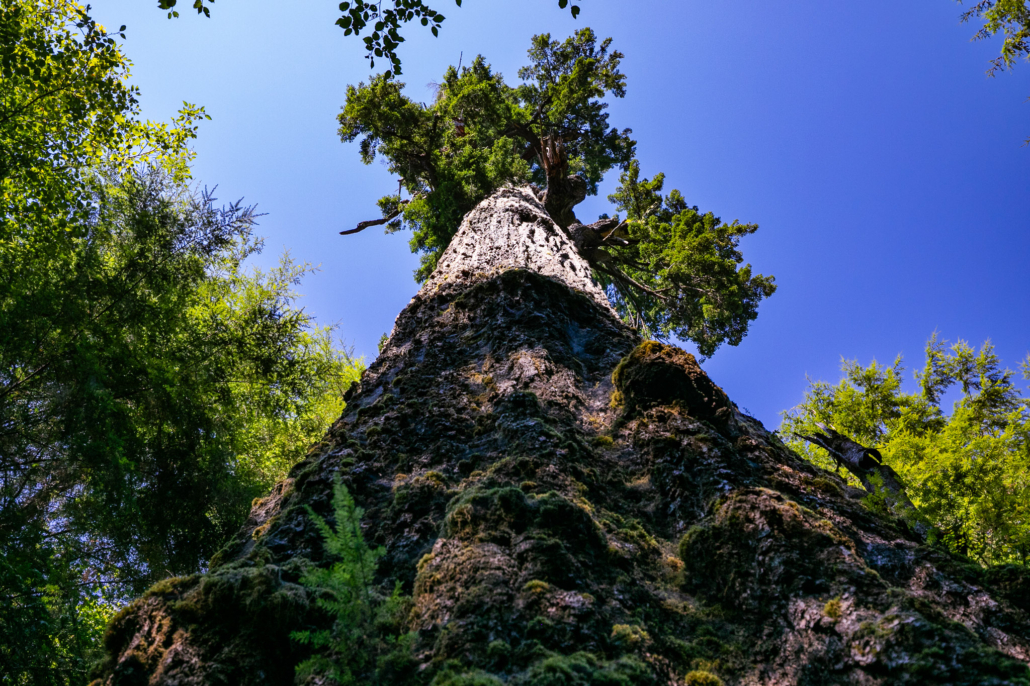
UPDATED: Port Renfrew Big Trees Map
Explore the updated Port Renfrew Big Trees Map with new directions, trails, and routes to iconic giants like Big Lonely Doug, Eden Grove, and more.
https://staging.ancientforestalliance.org/wp-content/uploads/2025/05/13-Red-Creek-Fir.jpg
1365
2048
TJ Watt
https://staging.ancientforestalliance.org/wp-content/uploads/2026/05/Ancient-Forest-Alliance-logo.svg
TJ Watt2026-05-29 15:39:342026-05-29 15:40:49UPDATED: Port Renfrew Big Trees Map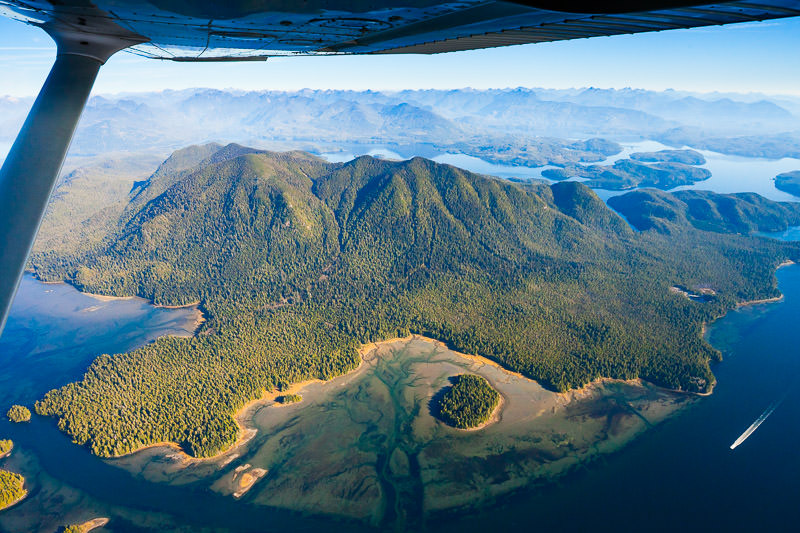
NEW! West Coast Old-Growth Hiking Guide
Explore AFA’s NEW West Coast old-growth hiking guide. From Clayoquot Sound to Port Alberni, there are trails for every skill level!
https://staging.ancientforestalliance.org/wp-content/uploads/2026/05/meares-island-big-tree-trail-tofino-1200px-338.jpg
533
800
TJ Watt
https://staging.ancientforestalliance.org/wp-content/uploads/2026/05/Ancient-Forest-Alliance-logo.svg
TJ Watt2026-05-29 12:06:002026-05-29 15:42:38NEW! West Coast Old-Growth Hiking Guide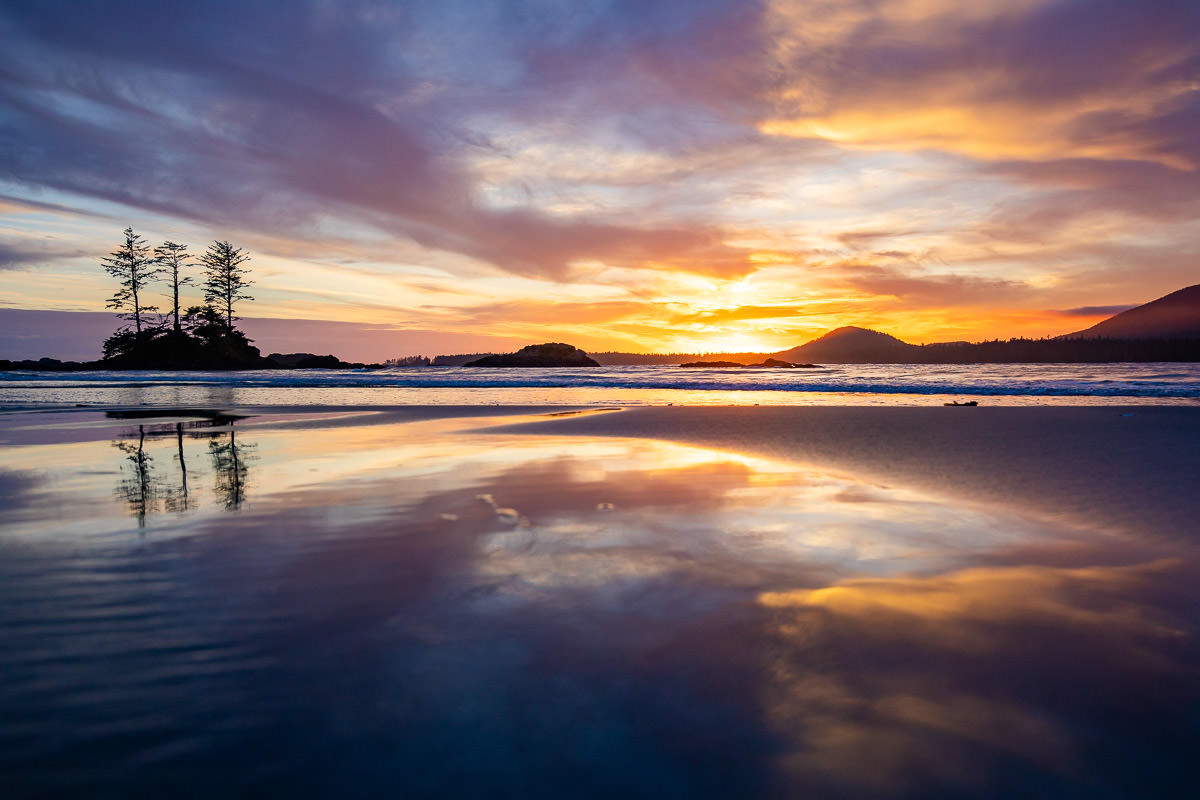
Now Hiring: Contract Graphic Designer!
Ancient Forest Alliance is hiring a contract Graphic Designer to help bring our campaigns to life through print and digital materials.
https://staging.ancientforestalliance.org/wp-content/uploads/2026/05/flores-island-wildside-trail-1200px-430.jpg
800
1200
TJ Watt
https://staging.ancientforestalliance.org/wp-content/uploads/2026/05/Ancient-Forest-Alliance-logo.svg
TJ Watt2026-05-22 12:22:292026-05-22 12:22:29Now Hiring: Contract Graphic Designer!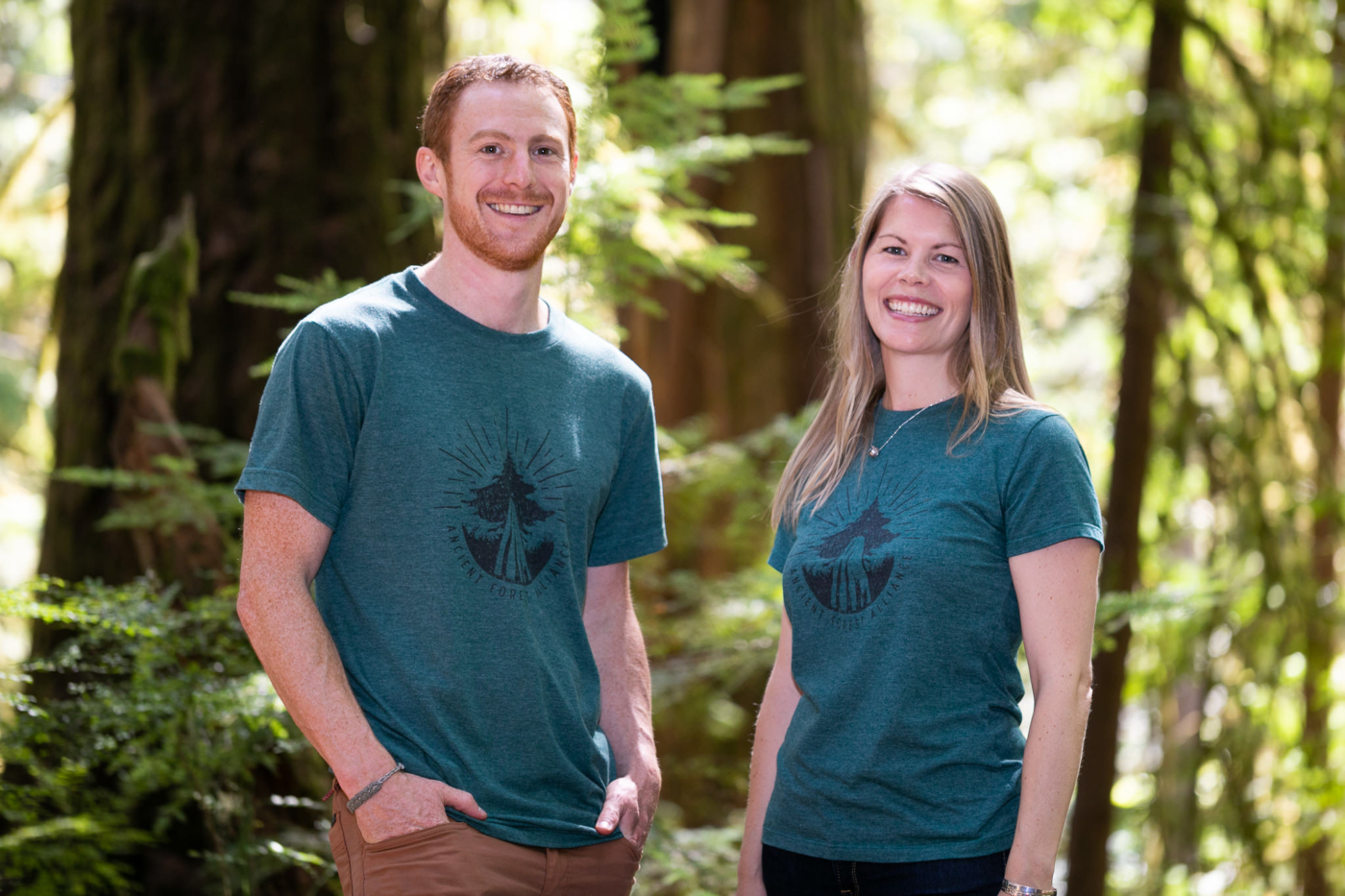
Design AFA’s Next T-Shirt and Help Protect Old-Growth Forests!
Calling all artists! For Earth Month, AFA is launching our first-ever Community T-Shirt Design Contest.
https://staging.ancientforestalliance.org/wp-content/uploads/2026/04/AFA-T-Shirt-Green-Mens-Womens.jpg
1365
2048
TJ Watt
https://staging.ancientforestalliance.org/wp-content/uploads/2026/05/Ancient-Forest-Alliance-logo.svg
TJ Watt2026-05-15 08:13:232026-05-19 09:33:44Design AFA’s Next T-Shirt and Help Protect Old-Growth Forests! Donate
 Send a Message
AFA’s Executive Director Ken Wu steps down to start new organization, the Endangered Ecosystems Alliance, while remaining on AFA’s Board
/in Media ReleaseVictoria, BC – The Ancient Forest Alliance’s co-founder, Ken Wu, has announced his departure from his position as the organization’s Executive Director of eight years, since co-founding the group in early 2010. Wu is currently establishing a new national organization, the Endangered Ecosystems Alliance, that will be focused on promoting “ecosystem literacy” and the science-based protection of all native ecosystems in Canada.
Wu co-founded the Ancient Forest Alliance with TJ Watt in 2010 after working for a decade as the Executive Director and Campaign Director of the Wilderness Committee’s Victoria chapter. Watt, the AFA’s Campaigner and Photographer, whose photos of BC’s biggest trees and stumps have graced news and social media sites around the world since the organization’s inception, will join Campaigner Andrea Inness and Administrative Director Joan Varley to form an Executive Team that will replace the Executive Director and lead the effective management of the organization. Wu will remain on the Board of Directors of the Ancient Forest Alliance and will continue to assist the organization in an advisory, training, and fundraising capacity.
“It’s time for me to move on from running the day to day operations of the Ancient Forest Alliance as its Executive Director and to commence with my new organization, the Endangered Ecosystems Alliance, which I’ve been thinking about for several years now,” stated Wu. “For the past few years, I’ve had to split my time between Victoria, where I’ve lived for the previous 20 years running environmental groups including the Ancient Forest Alliance, and Montreal, where my family is. It’s become unfeasible to spend so much time in BC away from my 2-year-old daughter in particular.”
“I’m very excited to start a new national organization that will work to protect endangered ecosystems across the country, based on science and traditional ecological knowledge, and that incorporates the many insights on environmental campaigning that I’ve gained over the span of 27 years at the Ancient Forest Alliance and other environmental organizations. While I love old-growth temperate rainforests and am fully dedicated to their protection, I’ve always been a fanatic for the diversity of native ecosystems in Canada and around the world. For years, I’ve yearned to further explore and help protect the prairie grasslands and badlands, the dry Ponderosa pine forests, grasslands and “pocket desert” of the BC Interior, the diverse Carolinian deciduous forests of southern Ontario, the spectacular, rich marine ecosystems of both the East and West Coast, and the overlooked and neglected freshwater ecosystems of Canada.”
“I will continue to advise and assist the Ancient Forest Alliance in their work and will partner with the AFA through the Endangered Ecosystems Alliance on campaigns to protect old-growth temperate rainforests, which has been an enduring passion of mine since I was a child.”
“I’m proud of the work the Ancient Forest Alliance has done over the years, protecting the Avatar Grove, building alliances with First Nations, environmental groups, and non-traditional allies including businesses, Chambers of Commerce, unions, and forestry workers, and changing the narrative in BC forestry politics to show that protecting old-growth forests is a net benefit for the economy.”
“I feel confident leaving the AFA, given the organization now has long-term, dedicated, and highly skilled staff; is financially viable having grown almost ten-fold in annual revenues since its inception; and has an extensive, dedicated base of supporters that will always keep it afloat. At the same time, the organization still is modest in size and still needs to grow more in order to hire additional staff and increase its capacity to ensure the protection of BC’s old-growth forests. To this end, I will continue to assist the AFA everywhere I can while building my new organization.”
Since its founding, the Ancient Forest Alliance has grown from a small organization with just two staff, 300 donors and an annual revenue of $60,000, to nine primary staff, over 20,000 donors, and projected revenues of $600,000 this year – the vast majority of which comes from individual donors within British Columbia.
The Ancient Forest Alliance is best known for its successful campaign with the Port Renfrew Chamber of Commerce to protect the Avatar Grove old-growth forest and for building a high-quality boardwalk in the grove to protect the forest understory, enhance visitor safety and access, and to support the local eco-tourism economy. Since then, Port Renfrew has been dubbed the “Tall Trees Capital of Canada” and has experienced a massive surge in economic activity due to the interest in old-growth tourism around the town. The AFA’s campaign to vastly expand the ancient forest movement to include “non-traditional allies” including Chambers of Commerce (resulting in a resolution by the BC Chamber of Commerce in 2016 calling on the BC government to expand old-growth protections in the province to support the economy); with forestry workers including the Public and Private Workers of Canada (PPWC) (who passed a resolution calling for an end to old-growth logging on Vancouver Island in 2017), and with local governments (including the Union of BC Municipalities which called for an end to old-growth logging on Vancouver Island in 2016), has helped to change the narrative in the province that protecting old-growth forests hampers the economy and jobs – instead, showing the opposite to be true, that protecting old-growth forests creates significant revenues and employment opportunities in local communities.
The AFA has also helped to raise the profile of endangered old-growth forests in the province, partly through identifying and nick-naming ancient groves and trees, including “Big Lonely Doug,” Canada’s 2ndlargest Douglas-fir tree near Port Renfrew, and by developing a viral campaign earlier this year against the logging of old-growth stands in the Nahmint Valley near Port Alberni, where Canada’s 9thwidest Douglas-fir was cut down. The organization’s campaigns have exerted significant pressure on both the previous BC Liberal government, which backed down from opening up Old-Growth Management Areas for logging and from expanding Tree Farm Licences in the BC Interior due to pressure from the AFA and its allies, and now the new NDP government, which is feeling the heat in particular over old-growth logging by its own logging agency, BC Timber Sales, due to the AFA’s campaign in the Nahmint Valley.
More Background Info
Old-growth forests in BC are home to unique and endangered species that can only live in old-growth forests, are vital pillars of BC’s multi-billion dollar tourism industry, store vast amounts of atmospheric carbon, provide clean water for communities and wild fisheries, and are vital parts of many First Nations cultures. The 50- to 100-year-old rotation age for logging in BC ensures that old-growth forests will never return after they are cut; therefore, logging old-growth forests is a non-renewable activity. Large-scale industrial logging is the norm over vast regions of British Columbia, making it the last western jurisdiction where old-growth logging is still a dominant economic activity. On Vancouver Island, already about 80% of the original, productive old-growth forests have been logged, including well over 90% of the valley bottoms where the largest trees grow. Only about 8% of the original, productive old-growth forests are protected in parks and Old-Growth Management Areas on Vancouver Island.
The Ancient Forest Alliance is pushing for the BC government to enact new legislation to protect BC’s remaining old-growth forests based on science, while also calling on the BC government to support First Nations land use planning with conservation financing dollars to support the sustainable economic development and diversification of the communities as old-growth forests are protected. In the meantime, immediate measures are needed to halt old-growth logging while land use plans are developed, including implementing moratoria in old-growth “hotspots” (i.e. more intact areas of greater conservation significance), effective legislation to protect the biggest trees with surrounding buffer zones as well as the grandest groves, upgrades to “non-legal” Old-Growth Management Areas into becoming legally-binding entities, and a halt to the BC government’s logging agency, BC Timber Sales, from issuing old-growth cutblocks. In addition, a BC land acquisition fund is needed to purchase and protect endangered ecosystems on private lands, including old-growth forests.
Wu’s new organization, the Endangered Ecosystems Alliance (EEA), will focus on lobbying the provinces and territories to adopt the federal 17% protection target by 2020 for Canada’s terrestrial and freshwater ecosystems, while ultimately pushing for federal and provincial endangered ecosystems legislation that requires protection targets be established based on the latest conservation biology science and Indigenous traditional ecological knowledge in all ecosystem types across the country. The organization will also focus on promoting “ecosystem literacy” to help expand awareness among Canadians about the biogeography, flora, fauna, and conservation status of ecosystems across the country, including where they live.
The Endangered Ecosystems Alliance’s first launch events will occur in Victoria on Sept. 17 (Alix Goolden Hall, 7-9pm), in Avatar Grove on Sept. 18 (meeting at the trailhead at 1pm and touring the grove until 4pm), and in Vancouver on Sept. 19 (Croatian Centre, 3250 Commercial Drive, 7-9pm), where guest speakers will include renowned conservation biologist Dr. Reed Noss, botanist Dr. Andy MacKinnon, conservationist Vicky Husband, forestry worker and union leader Arnold Bercov, and Ancient Forest Alliance campaigner Andrea Inness.
The EEA’s new website (still under development) can be seen at: www.EndangeredEcosystemsAlliance.org
Hupacasath First Nation calls on BC Government to Halt Logging of Old-Growth Forest in Nahmint Valley on Vancouver Island
/in Media ReleaseEfforts to halt the logging of some of Canada’s largest old-growth trees in the Nahmint Valley, approved by the BC NDP government’s own logging agency, BC Timber Sales (BCTS), have taken a leap forward with the Hupacasath band council in Port Alberni releasing an open letter calling on the BC government to “pull” the old-growth cutblocks and to work collaboratively with the band to ensure the protection of the area’s old-growth forests, biggest trees, and monumental cedars.
The logging of over 300 hectares of ancient forest in the Nahmint Valley has resulted in overwhelming criticism of the BC NDP government for planning and auctioning off the old-growth forest cublocks through BC Timber Sales.
In an open letter from Band Council Chief Steven Tatoosh received by the AFA last week, the Hupacasath Nation expressed concerns about the recent, “unnecessary” harvesting of old-growth in their traditional territory, which, as Tatoosh stated, contradicts the NDP’s 2017 election platform and undermines government to government consultation with the Hupacasath Nation.
The letter, addressed to the Ministry of Indigenous Relations and Reconciliation, calls on the BC government to immediately extinguish all approved cutblocks in the Nahmint Valley and to collaborate with the Hupacasath First Nation to review existing licenses and establish “best management practices for coastal legacy, monumental, and old-growth trees” in Hupacasath traditional territory, which have “immense cultural, spiritual and emotional value” to the Hupacasath Nation.
Hupacasath band member, Brenda Sayers, has spearheaded a group of band members working on developing solutions for protecting old-growth forests in their territory. Sayers was recently featured in a video documentary clip by the Ancient Forest Alliance which can be seen at: https://www.youtube.com/watch?v=Sw4BToE48Ew&t=2s
“We support the Hupacasath First Nation band in their request to the BC government to halt BC Timber Sales’ plans for logging of some of Canada’s largest and oldest trees,” stated Andrea Inness, Ancient Forest Alliance campaigner. “We also encourage the provincial government to move forward on its commitment to modernize land use planning in partnership with First Nations, and we urge the government to pair that process with funding for the sustainable economic development and diversification of First Nations communities in lieu of old-growth logging.”
Old-growth logging in the Nahmint Valley has continued through much of the summer, despite the major public outcry, including major media coverage and viral social media attention, after the Ancient Forest Alliance and local Port Alberni conservationists uncovered the logging of some of Earth’s grandest ancient forests and near record-sized trees – including the felling of what was the ninth widest Douglas-fir tree in Canada – in the Nahmint Valley in May (see AFA press releases here and here).
Maps obtained from BCTS show planned future logging throughout the valley, including in two large areas within an intact section of forest on the west side of Nahmint Lake; the slope below the west side of Gracie Lake, adjacent to an Ungulate Winter Range forest reserve; a low slope west of Nahmint Mountain; and on the northern slope at the upper end of the valley.
“British Columbians are outraged by the logging of endangered ancient forest ecosystems that’s taking place in the Nahmint Valley – and throughout many regions of BC – and are speaking out strongly in favour of old-growth protection,” stated Ancient Forest Alliance campaigner TJ Watt. “Thousands of concerned people have sent messages to the BC government, asking them to implement science-based policies to protect old-growth while ensuring a sustainable, second-growth forest industry. Unfortunately, so far it seems the NDP government would prefer to stick its head in the sand, engage in PR-spin, and carry on with business as usual.
The Ancient Forest Alliance is encouraging BC residents to continue to express their views to the BC government on old-growth logging, including in the Nahmint Valley, and on the need for interim protections for intact areas while science-based solutions and old land use plans are modernized to include First Nations land use plans.
“The Ministry of Forests says it intends to hold a public comment period on the new logging plans for the Nahmint Valley sometime soon,” stated Inness. “It will be a good opportunity for British Columbians to speak up to BC Timber Sales, forests minister Doug Donaldson, and Premier Horgan, calling on the NDP government to direct BCTS to stop issuing cutting permits in old-growth forests and to start supporting old-growth conservation solutions instead.”
The Ancient Forest Alliance, along with Sierra Club BC and Wilderness Committee, are calling on the BC government to enact a series of policy changes, including a science-based plan to protect old-growth forests, the use of regulations and incentives to ensure a sustainable, value-added, second-growth forest industry, and financial support for the sustainable economic diversification of First Nations communities linked to their development of land use plans that protect old-growth forests.
Background Information
Old-growth forests are vital to sustaining unique endangered species, climate stability, tourism, clean water, wild salmon, and the cultures of many First Nations. On BC’s southern coast, satellite photos show that at least 75% of the original, productive old-growth forests have been logged, including well over 90% of the valley bottoms where the largest trees grow. Only about 8% of Vancouver Island’s original, productive old-growth forests are protected in parks and Old-Growth Management Areas. Old-growth forests, with trees that can be 2000 years old, are a non-renewable resource under BC’s system of forestry, where second-growth forests are re-logged every 50 to 100 years, never to become old-growth again.
The Nahmint Valley is considered a “hotspot” of high-conservation value old-growth forest by conservation groups, with some of the largest tracts of remaining old-growth forests on Vancouver Island outside of Clayoquot Sound, and is home to Roosevelt elk, black-tailed deer, cougars, wolves, and black bears, as well as old-growth associated species like the marbled murrelet and northern goshawk. The area also supports significant salmon and steelhead spawning runs. The Nahmint is considered by many people to be one of the most scenic areas in BC, with its ancient forests, rugged peaks, gorgeous turquoise canyons and swimming holes, and large and small lakes, and is heavily used by hikers, campers, anglers, and hunters.The Nahmint Valley is located in the territories of the Hupacasath and Tseshaht First Nations.
The BC government has often stated that “over 55% of Crown old-growth forests on B.C.’s coast are protected,” but fails to mention that the vast majority of coastal old-growth forests are protected in the Great Bear Rainforest, not on Vancouver Island where old-growth logging occurs at a scale of about 11,000 hectares a year (in 2016). The government also claims that, “on Vancouver Island, over 40% of Crown forests are considered old growth, with 520,000 hectares that will never be logged;” however,these figures leave out the approximately 800,000 hectares of heavily logged-over private forest lands on Vancouver Island (which are still managed under provincial authority). The 520,000 hectares they reference also includes about 360,000 hectares of low-productivity forest (i.e. stunted, marginal forests that grow in bogs, on steep rocky mountainsides, and in the high sub-alpine zones where the trees are smaller and generally of low to no commercial value). Finally, the BC government fails to mention the context of how much old-growth has previously been logged: almost 80%, or about 16 million hectares of the original 20 million hectares, of productive old-growth forest on Vancouver Island and over 90% of the low elevation, high-productivity stands (i.e. the very rare “classic” monumental stands of giants being logged in the Nahmint right now).
BC Timber Sales (BCTS), a division of the Ministry of Forests, Lands, Natural Resource Operations and Rural Development, is the BC government’s logging agency that plans and directly issues logging permits for about 20 per cent of the province’s merchantable timber on Crown lands, which fall outside of forestry tenures. The BC government retains full control over which cut blocks are auctioned each year through BCTS and can therefore use this control to quickly phase out issuing timber sales in old-growth forests in these areas.
“The forests minister assures us that sufficient old-growth is protected in the Nahmint Valley, but it’s a question of quality, not just quantity,” stated Andrea Inness, AFA campaigner. “Most of the valley’s monumental groves, growing at lower elevations on the richer sites, have long since been logged and much of the remaining old-growth forests outside of current approved and planned cutblocks are comprised of smaller trees growing on low and medium productivity sites, including most of the forests protected in forest reserves. The BC government is skewing the numbers to hide the fact they’re auctioning off the grandest forests with the biggest trees while protecting forests of much lower commercial value that often lack the biodiversity of the richer, grander stands.”
“Fortunately, it’s not too late for the Nahmint Valley,” stated TJ Watt, AFA campaigner. “There are still significant tracts of old-growth forest left in the area and very high environmental and recreational values that are worth protecting. The BC government has an opportunity right now to turn things around and do the right thing, for which they will certainly gain public approval.”
VIDEO: Old-Growth Protection and Sustainable Economic Opportunities
/in VideoThe argument against old-growth forest protection is typically based on the assumption that ‘locking up’ forests is bad for business. Nothing could be further from the truth.
BC’s old-growth forests play an important role in the province’s multi-billion dollar tourism industry, attracting hundreds of thousands of visitors from around the world every year.
Ancient forests such as those of Clayoquot Sound, Avatar Grove, and Cathedral Grove, and record-sized big trees like Big Lonely Doug and the Red Creek Fir, provide nearby communities like Port Renfrew, Sooke, Tofino, Ucluelet and Port Alberni with increased sustainable business and employment opportunities.
At the same time while protecting old-growth forests, the BC government must foster a sustainable, value-added, second-growth forestry sector by creating incentives and regulations and curbing raw log exports to keep more logs – and more forestry jobs – here in BC.
Video by filmmaker Darryl Augustine, with interviews by AFA campaigner Andrea Inness, Port Renfrew Chamber of Commerce president Dan Hager, Tla-o-qui-aht tourism operator Tsimka Martin, AFA campaigner TJ Watt, forest campaigner Vicky Husband, and Public and Private Workers of Canada president Arnie Bercov.
Click here to watch the video on AFA’s YouTube channel.