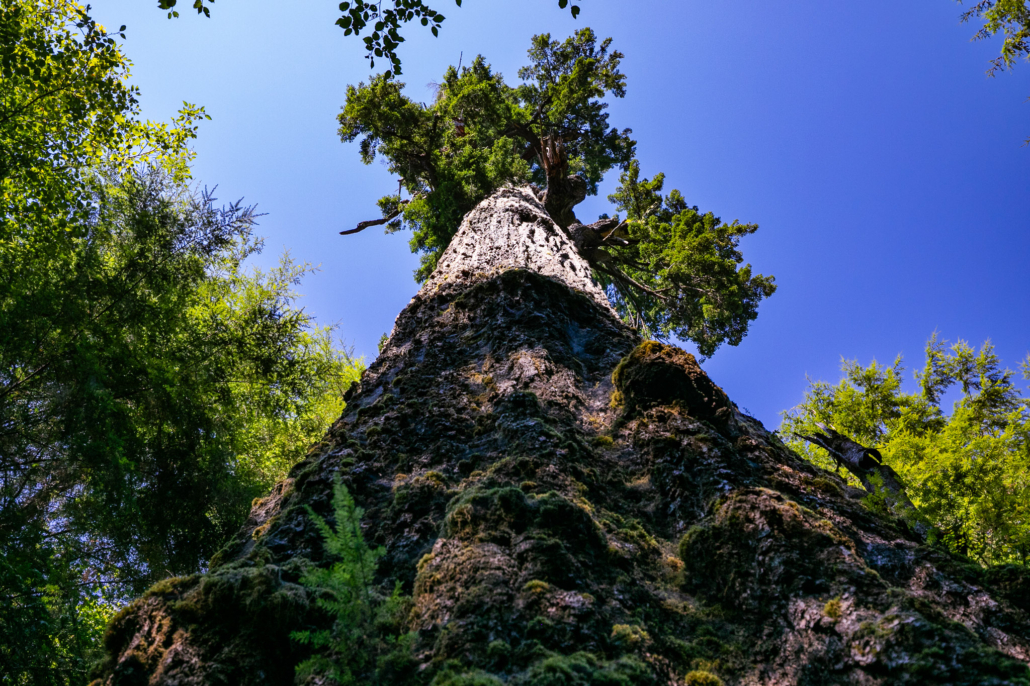
UPDATED: Port Renfrew Big Trees Map
Explore the updated Port Renfrew Big Trees Map with new directions, trails, and routes to iconic giants like Big Lonely Doug, Eden Grove, and more.
https://staging.ancientforestalliance.org/wp-content/uploads/2025/05/13-Red-Creek-Fir.jpg
1365
2048
TJ Watt
https://staging.ancientforestalliance.org/wp-content/uploads/2026/05/Ancient-Forest-Alliance-logo.svg
TJ Watt2026-05-29 15:39:342026-05-29 15:40:49UPDATED: Port Renfrew Big Trees Map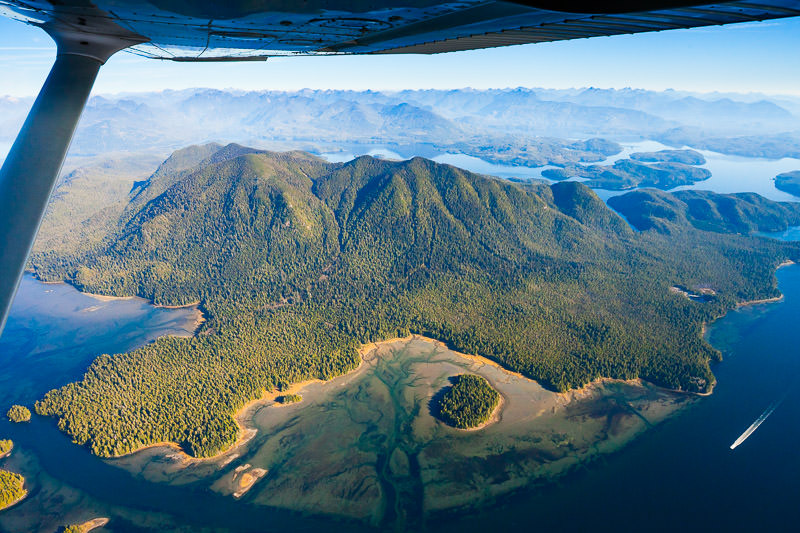
NEW! West Coast Old-Growth Hiking Guide
Explore AFA’s NEW West Coast old-growth hiking guide. From Clayoquot Sound to Port Alberni, there are trails for every skill level!
https://staging.ancientforestalliance.org/wp-content/uploads/2026/05/meares-island-big-tree-trail-tofino-1200px-338.jpg
533
800
TJ Watt
https://staging.ancientforestalliance.org/wp-content/uploads/2026/05/Ancient-Forest-Alliance-logo.svg
TJ Watt2026-05-29 12:06:002026-05-29 15:42:38NEW! West Coast Old-Growth Hiking Guide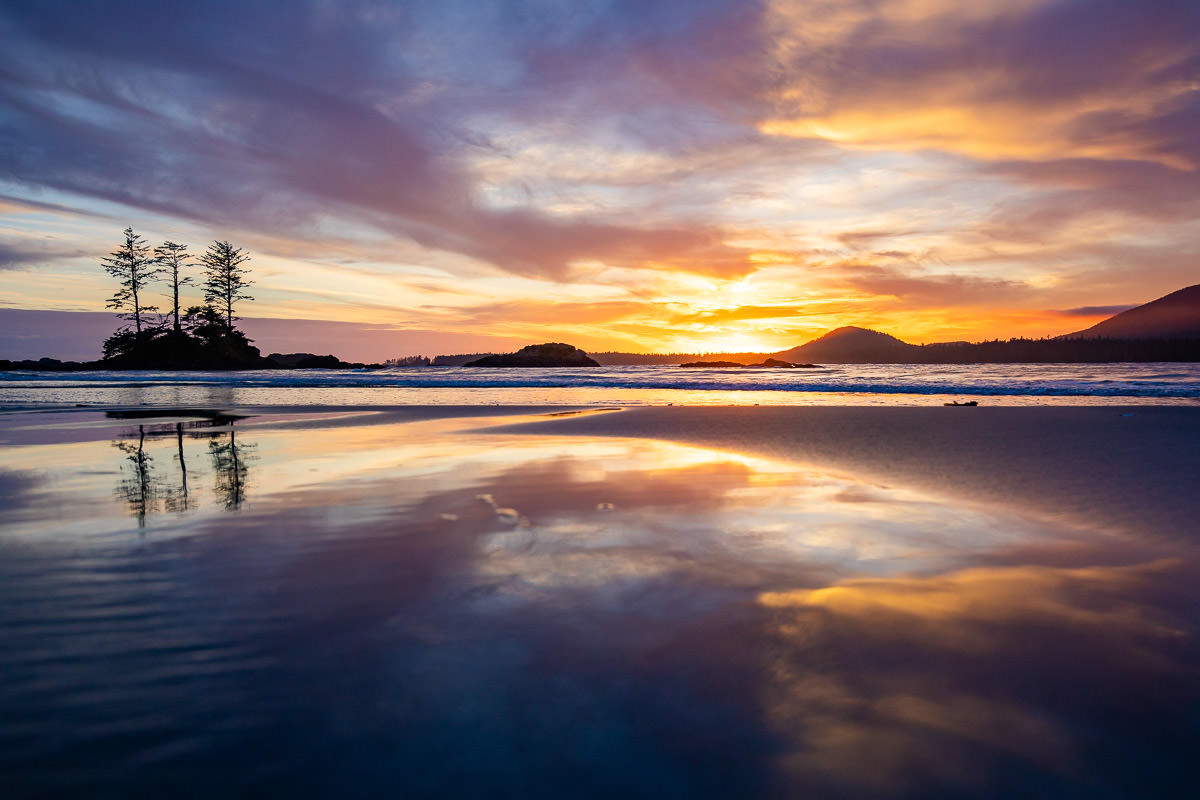
Now Hiring: Contract Graphic Designer!
Ancient Forest Alliance is hiring a contract Graphic Designer to help bring our campaigns to life through print and digital materials.
https://staging.ancientforestalliance.org/wp-content/uploads/2026/05/flores-island-wildside-trail-1200px-430.jpg
800
1200
TJ Watt
https://staging.ancientforestalliance.org/wp-content/uploads/2026/05/Ancient-Forest-Alliance-logo.svg
TJ Watt2026-05-22 12:22:292026-05-22 12:22:29Now Hiring: Contract Graphic Designer!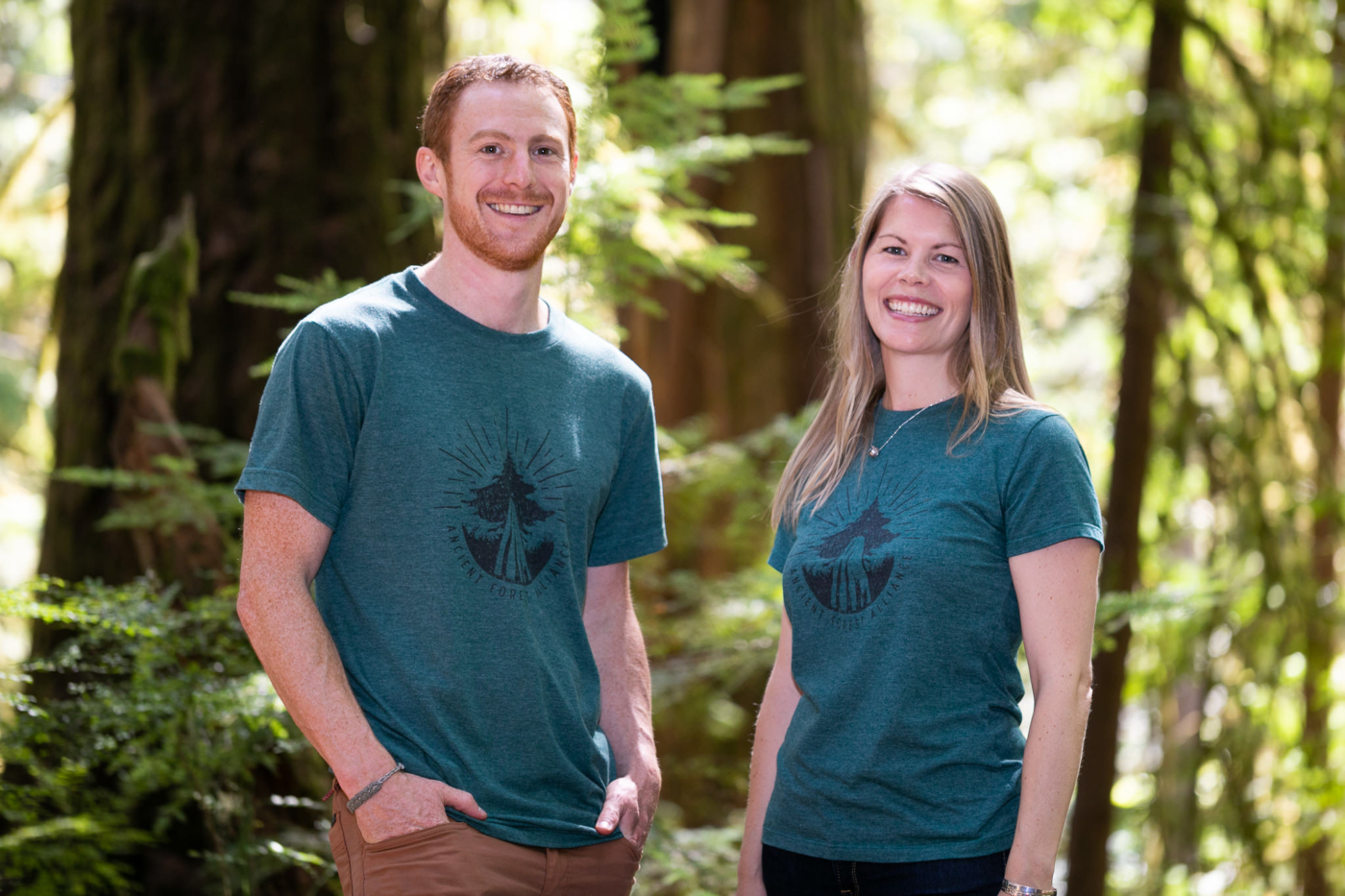
Design AFA’s Next T-Shirt and Help Protect Old-Growth Forests!
Calling all artists! For Earth Month, AFA is launching our first-ever Community T-Shirt Design Contest.
https://staging.ancientforestalliance.org/wp-content/uploads/2026/04/AFA-T-Shirt-Green-Mens-Womens.jpg
1365
2048
TJ Watt
https://staging.ancientforestalliance.org/wp-content/uploads/2026/05/Ancient-Forest-Alliance-logo.svg
TJ Watt2026-05-15 08:13:232026-05-19 09:33:44Design AFA’s Next T-Shirt and Help Protect Old-Growth Forests! Donate
 Send a Message
Fighting to protect B.C.’s ancient forests
/in News CoverageCheck it out! The AFA’s TJ Watt and former Executive Director Ken Wu were featured on CBC’s “The National” showcasing an endangered ancient forest and recent old-growth clearcutting near Hadikin Lake on Vancouver Island.
Watch the original piece here.
*Please take note of these relevant facts while watching:
1) Most of BC’s industry is already based on second-growth, but, without a course correction from the BC government, the timber industry won’t stop until the very last unprotected old-growth tree has fallen.
2) The NDP has no targets, timelines, or policies to expedite the transition to second-growth forestry while protecting remaining old-growth forests. This is a huge moral, environmental, and economic failure on the BC government’s part.
3) 79% of the productive old-growth forests have been already logged on Vancouver Island, including well over 90% of the valley bottoms where the largest trees grow. Only 8% are protected in parks and Old-Growth Management Areas.
4) Economic studies have shown that old-growth forests have greater economic value standing compared to logging when factoring in values for tourism, recreation, clean water, fisheries, non-timber forest products (wild mushrooms, berries, etc.), and carbon offsets. This is more true today than ever – Port Renfrew and Tofino are shining examples of communities whose economies have vastly benefited from standing, living ancient forests. With more and more visitors coming to BC to experience our ‘pristine’ wilderness, many more communities could benefit from protecting old-growth, now and into the future!
Avatar Grove Photography Installation Featured in New Downtown Vancouver Bookstore
/in AnnouncementsA large-scale photography installation by renowned Canadian photographer Edward Burtynsky featuring one of Vancouver Island’s most stunning ancient rainforests, Avatar Grove, will grace the walls of the new Indigo bookstore, opening today on Robson Street in downtown Vancouver. The installation incudes a short description of the importance and status of BC’s endangered old-growth forests and, thanks to the photographer’s support of our work, also mentions the Ancient Forest Alliance!
AFA Campaigner and Photographer TJ Watt worked alongside Burtynsky during filming and photography expeditions for The Anthropocene Project, a multidisciplinary body of work combining art, film, virtual reality, augmented reality, and scientific research that explores the impact humanity has had on the natural world. One of the locations they visited was Avatar Grove near Port Renfrew in Pacheedaht territory, which the AFA campaigned on and successfully protected in 2012 and which has become a well-known tourism attraction, drawing thousands of people from around the world every year.
Burtynsky captured striking photos of the grove, which, starting today, will be admired by many thousands of Indigo shoppers thanks to a friendship between the renowned photographer and Heather Reisman, Chief Executive of Indigo Books & Music. The arrangement also includes an extraordinarily generous donation of twenty-five thousand dollars to the Ancient Forest Alliance by Edward Burtynsky and a matching donation from Indigo in support of our work to protect endangered ancient forests!
The installation creates an exceptional opportunity to raise awareness of the beauty and grandeur of BC’s ancient forests, educate thousands of Indigo shoppers about their importance and status, and inspire Lower Mainlanders to explore those forests for themselves! A huge thank you to Edward Burtynsky and to Indigo Books and Music for supporting the ancient forest movement and the AFA!
International call for action to save B.C.’s old-growth rainforests
/in News CoverageAs part of an international call for action, the voices of 185,000 people from around the world were heard Thursday at the B.C. Legislature, when a petition calling for the protection of B.C.’s old-growth forests was delivered to the government.
Together with representatives from tourism businesses and local government, Sierra Club BC and German environmental organization Rainforest Rescue called for an end to the ongoing clearcutting of Vancouver Island’s last endangered ancient rainforest.
“The ongoing destruction undermines the positive image of Canada internationally,” said Mathias Rittgerott, spokesperson with Rainforest Rescue. “Protecting rare old-growth forests is a crucial step in fighting global warming and saving habitat of endangered species. There is no price tag for the value of these forests.”
Sent to Premier John Horgan and Forest Minister Doug Donaldson, the petition calls on the provincial government to “impose an immediate moratorium on the logging of intact forests in hotspots such as the Central Walbran and other valuable areas on Vancouver Island and the mainland.”
Ministerial assistant Tim Renneberg accepted the petition on behalf of the Ministry of Forests, Lands, Natural Resource Operations and Rural Development.
Most of the concerned citizens who signed the petition are from Canada, the United States, Germany, France, Spain, Switzerland, Austria, the United Kingdom, the Netherlands, Italy, Belgium, Australia and Argentina.
Local political support for the call came from Sonia Furstenau, MLA for Cowichan Valley, Adam Olsen, MLA for Saanich North and the Islands and councillor-elect for the City of Victoria Laurel Collins who joined the group on the steps of the legislature.
“We can produce high quality, high value wood and good jobs while protecting watersheds and our climate with strong forest stewardship and improved forest management,” said Collins.
The ongoing harvesting of the globally rare, endangered old-growth rainforests worries Island tourism operators and experts as well, who say the destruction jeopardizes B.C.’s tourism economy.
“Opportunities to experience old-growth forests are increasingly rare in B.C. and particularly on Vancouver Island. Tourism businesses built around these experiences are sustainable year after year. The lack of consideration and foresight for other economic uses of these resources is a significant concern,” said Scott Benton of the Wilderness Tourism Association of BC.
“Tourists come to Vancouver Island to experience what is missing in so many other parts of the world: intact nature,” echoed Brian White, professor at Royal Roads University School of Tourism and Hospitality. “And yet what they find when they get here is big stumps, not big trees. We’re concerned about the impact on tourism businesses.”
The NDP’s 2017 election platform included a commitment to act for old-growth, promising to take “an evidence-based scientific approach and use the ecosystem-based management of the Great Bear Rainforest as a model.”
The group is asking the government to follow through on that promise.