UPDATED: Port Renfrew Big Trees Map
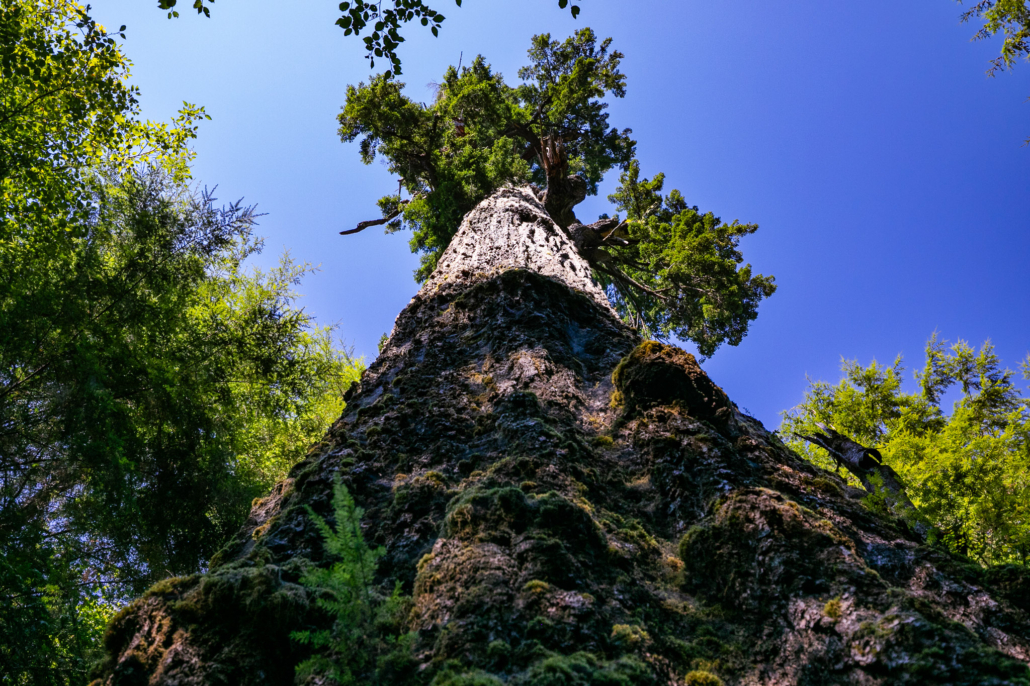
Explore the updated Port Renfrew Big Trees Map with new directions, trails, and routes to iconic giants like Big Lonely Doug, Eden Grove, and more.
https://staging.ancientforestalliance.org/wp-content/uploads/2025/05/13-Red-Creek-Fir.jpg
1365
2048
TJ Watt
https://staging.ancientforestalliance.org/wp-content/uploads/2026/05/Ancient-Forest-Alliance-logo.svg
TJ Watt2026-05-29 15:39:342026-05-29 15:40:49UPDATED: Port Renfrew Big Trees Map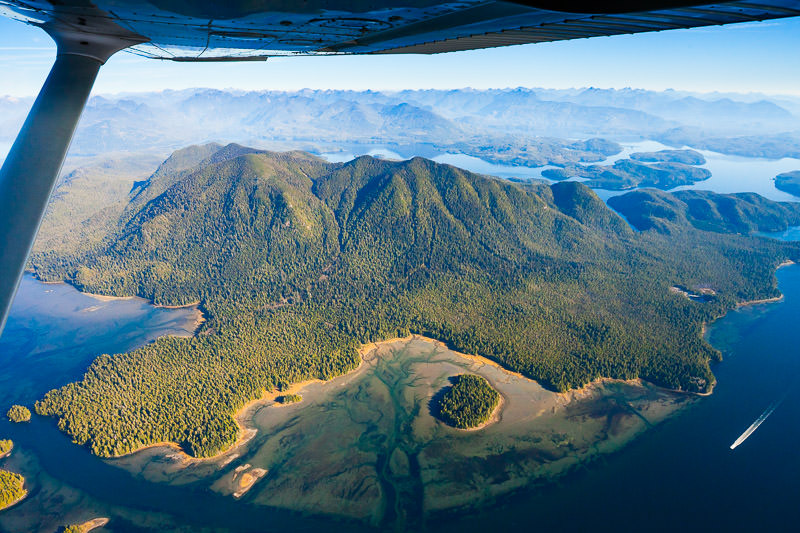
NEW! West Coast Old-Growth Hiking Guide
Explore AFA’s NEW West Coast old-growth hiking guide. From Clayoquot Sound to Port Alberni, there are trails for every skill level!
https://staging.ancientforestalliance.org/wp-content/uploads/2026/05/meares-island-big-tree-trail-tofino-1200px-338.jpg
533
800
TJ Watt
https://staging.ancientforestalliance.org/wp-content/uploads/2026/05/Ancient-Forest-Alliance-logo.svg
TJ Watt2026-05-29 12:06:002026-05-29 15:42:38NEW! West Coast Old-Growth Hiking Guide
Now Hiring: Contract Graphic Designer!
Ancient Forest Alliance is hiring a contract Graphic Designer to help bring our campaigns to life through print and digital materials.
https://staging.ancientforestalliance.org/wp-content/uploads/2026/05/flores-island-wildside-trail-1200px-430.jpg
800
1200
TJ Watt
https://staging.ancientforestalliance.org/wp-content/uploads/2026/05/Ancient-Forest-Alliance-logo.svg
TJ Watt2026-05-22 12:22:292026-05-22 12:22:29Now Hiring: Contract Graphic Designer!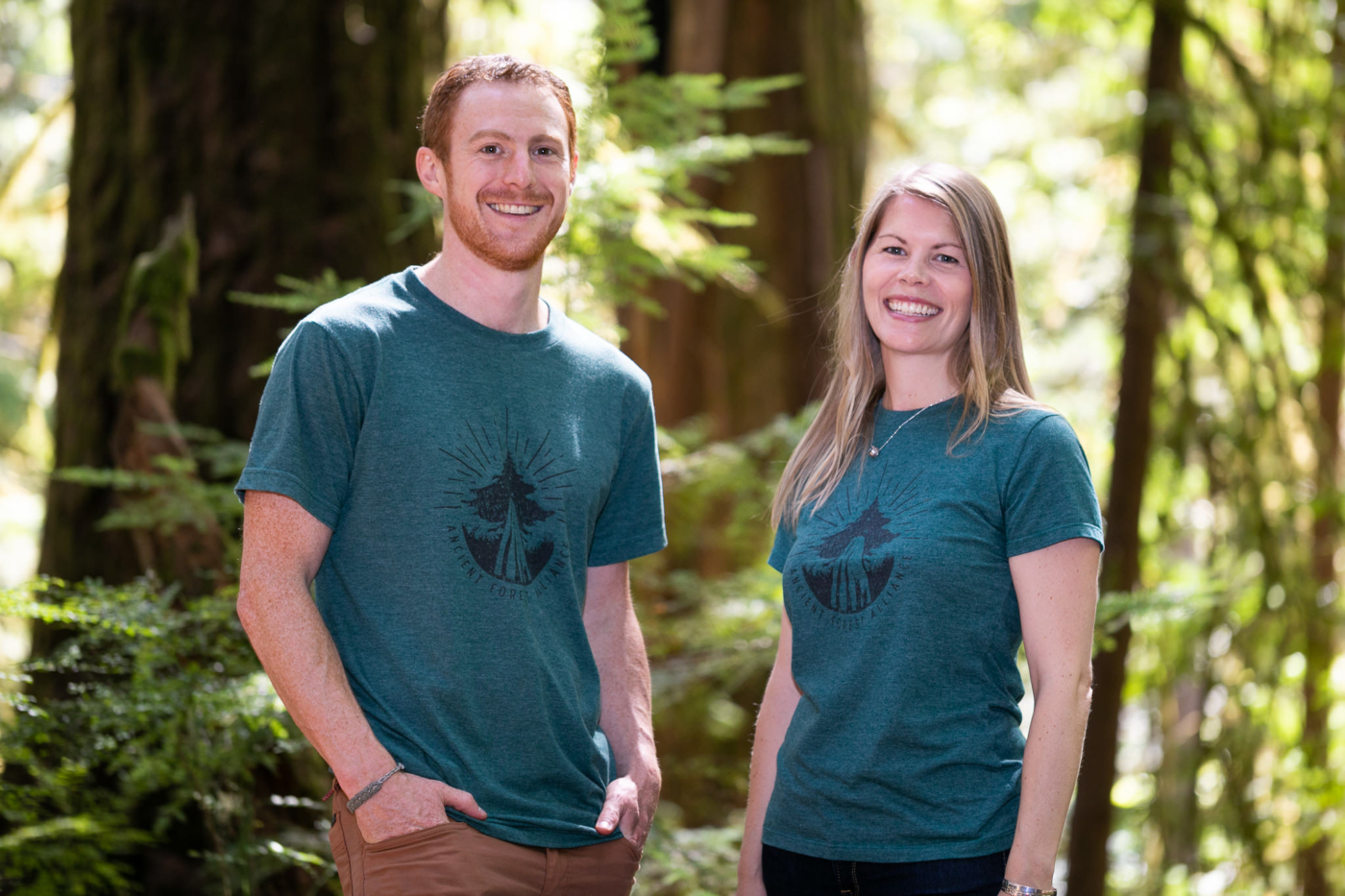
Design AFA’s Next T-Shirt and Help Protect Old-Growth Forests!
Calling all artists! For Earth Month, AFA is launching our first-ever Community T-Shirt Design Contest.
https://staging.ancientforestalliance.org/wp-content/uploads/2026/04/AFA-T-Shirt-Green-Mens-Womens.jpg
1365
2048
TJ Watt
https://staging.ancientforestalliance.org/wp-content/uploads/2026/05/Ancient-Forest-Alliance-logo.svg
TJ Watt2026-05-15 08:13:232026-05-19 09:33:44Design AFA’s Next T-Shirt and Help Protect Old-Growth Forests! Donate
 Send a Message
Nothing has changed in BC forestry practices under the NDP government.
/in News CoverageFocus On Victoria: IF YOU GO INTO THE WOODS TODAY you’re in for no surprises. Nothing has changed since the BC Liberals left in their wake vast clearcuts, gutted rural communities, and species on the edge of extinction in our deregulated, corporate-controlled public forests. It doesn’t matter who you talk to: unions, First Nations, rural politicians, enviros or insider scientists, the prognosis is that nothing has changed with the rate of mowing down what’s left of our ancient forests since the NDP picked up the reigns in May 2017.
The Chief Forester, Diane Nicholls, is the same; the latest unsustainable Annual Allowable Cut (AAC) that she is setting remains the same. The empty Ministry of Forests offices and lack of anybody on the ground monitoring the forests is the same. The legislation (or lack thereof) is the same. The silent renewal of Tree Farm Licences over vast areas of public forest with no public consultation is the same. The number of raw logs leaving our shores is the same.
Even the guidance letters that Nicholls uses in her determinations of AAC haven’t changed: in two recent timber allocations for Arrow and Arrowsmith regions, Nicholls refers to guidance letters from the former BC Liberal minister who appointed her—not even a touching-of-the-hat to current Forest Minister Doug Donaldson. Was it just a faux pas or the failure of Minister Donaldson to lead British Columbians, including his top staffer, in a new direction for the sake of our decimated forests?
According to Gary Fiege, president of the PPWC (Public and Private Workers of Canada, formerly the Pulp and Paper Workers Union), the minister seems to be paralyzed. Despite a platform to bring in the much-needed forest management reform, the NDP seem to have been unable to implement a single change. “Nothing has happened,” states Fiege. His union will take their frustration public in the new year.
Certainly the calls for change haven’t changed, particularly around the exporting of raw logs and the continuing “fall down effect”—i.e. the decline in timber production as old growth is depleted and the industry logs smaller and smaller second growth. The last two years have been record years for exporting raw logs: 8 million cubic metres per year, equivalent to full logging trucks lined up bumper to bumper from here to Montreal. Exporting 8 million cubic metres also means exporting jobs—six of them a day. As Fiege states, “Instead of dealing with the loss of jobs, the minister is in Asia selling our logs. We weren’t even invited on the tour.”
The PPWC are one of the signatories for a resolution to end the logging of Vancouver Island’s ancient rainforest. Many would assume the NDP would be listening to their union base, so why has nothing happened?
One clue is that every one of the 36 existing Tree Farm Licences has recently been renewed, guaranteeing under the existing Forest and Range Practices Act a dedicated supply of fibre; so there is no wiggle room. The BC Liberals tied up 31 of those leases in the last nine years, even though half of them weren’t coming up for renewal until 2019. The kicker is that another five TFLs were renewed by Minister Donaldson in the last 15 months (TFL 8, 41, 43, 48 and 53) with virtually no public consultation. The question is why?
According to a ministry insider who cannot be named for fear of reprisal, a structural cause is that top staffers remain the same, especially the Chief Forester, whose job it is to determine how much timber is to be cut down. When it comes to public interest issues, whether it is the protection of ancient forests, wildlife, water, indigenous rights, carbon storage or recreational values, all ultimately depend on reducing the cut—but that cut remains the same. For Fort St John, the largest timber supply area in BC, Nicholls has set the AAC for the next 10 years at the same levels set by the BC Liberals a decade ago. And this is despite all the fires, the insect predations, the warnings on climate change, the smaller trees, the threats to endangered caribou and inland rainforests. It also appears blind to the recommendations in the government-commissioned June report of Mark Haddock concerning the failure of the “professional reliance” system to adequately monitor our forests.
Nicholls’ career flourished in the era of professional reliance where deregulation and demise of public oversight created the conditions for advancement to those who helped their employers do well. Focus is still getting whistleblower reports on the failure of her leadership. A letter from one states that Nicholls hasn’t even called a staff meeting to discuss the recommendations of the Haddock report, many of which she could implement. “Instead,” the letter continues, “she seems to spend all of her time in meetings with the companies she knows well. Who is working for the public interest?” According to the Lobbyist Registry, 98 percent of the lobbyists registered under Forestry visiting the minister and staff were from industry. Dealing with corporations like Canfor and Interfor, whose TFLs were renewed, obviously constituted a great proportion of the Minister’s time. When asked about his own lobby success, PPWC’s President Fiege stated that they had had limited access but no action, “so what is the point?”
These sentiments are echoed in the ENGO sector. According to Jens Wieting of the Sierra Club, after collecting 200,000 signatures from around the world asking for a moratorium on British Columbia’s ancient rainforests, there was no response from the Minister, certainly no meeting with him. “It is symbolic that Minister Donaldson has made it his priority to go out to the world to sell our old growth logs, but it is the world that is calling him to save it—and he didn’t have even a word to say about it.” When the petition was submitted, an assistant came out and received the names, but there was no comment from the Ministry. “That lack of response,” states Wieting, “was very telling.”
The original hope for policy on ancient forests stems from a vague promise in the NDP’s environment platform to use “the ecosystem-based management approach of the Great Bear Rainforest as a model to sustainably manage BC’s old-growth.” This would require revisiting licences and reforming the Forest and Range Practices Act which currently puts timber ahead of all other public interest values. As Wieting points out, there hasn’t even been a public conversation around what the public interest is. The Union of BC Municipalities passed a resolution to end old-growth logging, and even the mayor of the resource-dependent town of Prince George is asking for reform in forest management, but their calls go unheeded. Calls from many First Nations for reform continue to go unanswered. This past November, the Nuu-chah-nulth asked the Province to do more to protect old growth, because logging it is threatening their culture with the disappearance of ancient Western red cedars that root their material, artistic and spiritual lives.
Fiege suggests that after 17 years of sitting in opposition, the NDP were “woefully unprepared on the forestry file.” It defies logic when you have so many sectors calling for forestry reforms, especially with protecting something as valuable to our biggest industry, tourism, as the last bit of old growth. A big tree protection law even made it onto the BC Liberal agenda back in 2011 because of their value to tourism, though was never implemented.
Now the big trees are falling faster than ever. Wieting notes: “This government risks becoming the government of extinction for many of the species that are dependent on old-growth forests.” The percentage of large-enough, intact ancient forests to support marbled murrelets, caribou, and other old-growth-dependent species is diminishing so fast that it looks like some extinctions might occur on this government’s watch. Some high-profile cutting of ancient trees through BC Timber Sales has also highlighted the failure of this agency that sells 20 percent of our AAC.
Where is the Green Party on this? They have been pursuing improvement in forest management through the narrow window they have under the Supply and Confidence Agreement to review the professional reliance system that puts the public interest in professional hands. In November, Bill 49, the Professional Governance Act, was introduced to implement 2 of the 121 recommendations made under the Haddock report. However, professionals are only as good as the regulations they have to follow, so there still has to be leadership in reform of forest legislation. Even industry and professional foresters, like Christine Gelowitz of the Association of BC Forest Professionals, stress “the need for government to clearly define values, clarify desired results, set objectives and values and establish a hierarchy for objectives on the landscape. Without those tools, forest professionals are left trying to balance numerous competing and varied expectations by disparate groups with differing values and competing interests on the land.”
Meanwhile, the war in the woods continues. Climber/activists like Alex Smith have been scouring imminent cut blocks, flagging and measuring the last of the huge trees in the Nahmint, Klaskish, and Walbran watersheds, as well as Edinburgh Mountain and other places. Smith and others have built witness trails to some of the big giants, like those in the proposed cutblocks of the upper Walbran, which has been the site of blockades for decades. As Smith notes: “Everyone else in the world can see the value of these ancient rainforests, why doesn’t our current government?”
ACCORDING TO WIETING, 2019 is going to be a make-or-break year for rainforests and climate policy in BC. Our ancient rainforests are the biggest sequesters and storehouses of carbon on the planet, but government is barely counting their contribution or loss in the BC greenhouse gas emissions inventory. If they did, they would find the logging companies are a larger contributor to greenhouse gas emissions than the oil sector. The problem with not factoring in the role of the forest industry is that when you add up the carbon loss through logging and slash burning, the climate loses twice: once for the loss of a forest sink for future carbon sequestration, and again for the emissions released.
Many are lining up to get in front of Minister Donaldson in the new year to recommend the setting of targets related to actions like phasing out slashburning; the protection of carbon rich old-growth rainforests; and reforming forest management to achieve negative emissions in recovering second-growth forests managed for carbon and timber by careful selective forestry. After all, this was the basis for the NDP platform on ecosystem-based management. And, as with the Great Bear, there are carbon financing mechanisms to do this now, using a combination of incentive and regulation to reduce waste.
In response to Focus’ request for input, the minister’s office wrote, “Given the scope of the subject matter, we will not be able to meet your deadline. Minister Donaldson is also on a trade mission in Asia at the moment.” Selling BC’s logs, no doubt.
Briony Penn is currently working with Xenaksiala elder, Cecil Paul, Wa’xaid on Following the Good River, due out in 2019. She is also the author of the prize-winning The Real Thing: The Natural History of Ian McTaggart Cowan.
See article here: https://www.focusonvictoria.ca/janfeb2019/logging-madness-continues-r11/
Disturbing finding about destruction of old-growth rainforest in B.C.
/in News Coverage, VideoWatch this Global News piece featuring Sierra Club BC’s Jens Wieting about BC’s global responsibility to protect endangered old-growth forests and the need for urgent action by the NDP government.
With the election of Jair Bolsonaro, Brazil’s new pro-development president, resulting in anticipated increases in deforestation of the Amazon rainforest, it is even more important that BC’s temperate rainforests – which store more carbon per hectare than any other forest on Earth – be protected. Yet, the NDP has yet to move on its 2017 election platform commitment to manage old-growth forests sustainably, using the ecosystem-based management approach of the Great Bear Rainforest.
Photo Gallery: Old-Growth Logging on Edinburgh Mt. Near Port Renfrew
/in Photo GalleryNew logging has commenced on Edinburgh Mountain, an exceptional old-growth forest “hotspot” near Port Renfrew in Pacheedaht territory on Vancouver Island and the location of Big Lonely Doug (Canada’s second largest Douglas-fir tree) and the spectacular Eden Grove.
AFA campaigners visited the cutblock December 15th and were dismayed to find scores of giant trees cut down, including two-meter-wide cedars and an extremely rare, two-meter-wide, old-growth Douglas-fir. Over 15 hectares is being logged by Teal Jones, which adds to the over 75 ha of old-growth forest the company has logged on the mountain since 2016.
Just 50 meters away from the active cutblock stands a Douglas-fir tree that is the 6th widest Douglas-fir tree on record, according to the BC Big Tree Registry, and the 7th widest when including the Alberni Giant in the Nahmint Valley. While the near record-sized tree is located within a Wildlife Habitat Area, it remains vulnerable to future logging.
Old-growth hotspots of high conservation and recreational value, like Edinburgh Mountain, are disappearing before our eyes and will be reduced to tattered fragments if action isn’t taken soon. The BC government MUST place an immediate halt on logging in hotspots to ensure the largest and best stands of remaining ancient forests are kept intact and develop a science-based plan to protect endangered old-growth forests across BC!
TAKE ACTION NOW and send a message to the BC government, calling for an immediate halt to logging in old-growth ‘hotspots’ and sweeping new policies to protect BC’s endangered ancient forests! www.ancientforestalliance.org/send-a-message
Read our press release on the recent logging here
Photos: TJ Watt