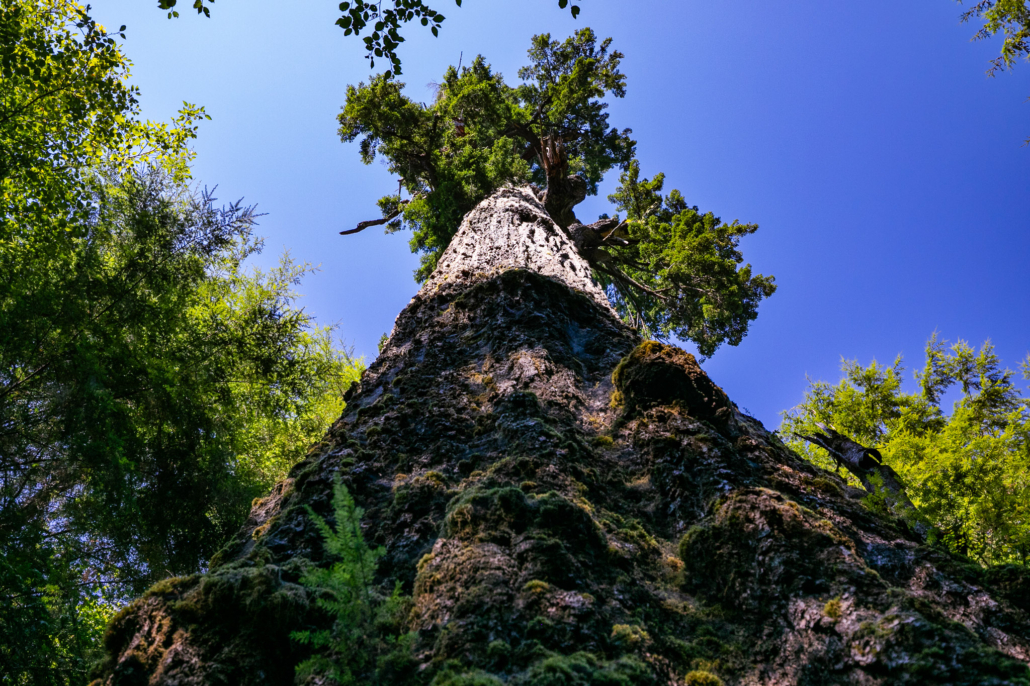
UPDATED: Port Renfrew Big Trees Map
Explore the updated Port Renfrew Big Trees Map with new directions, trails, and routes to iconic giants like Big Lonely Doug, Eden Grove, and more.
https://staging.ancientforestalliance.org/wp-content/uploads/2025/05/13-Red-Creek-Fir.jpg
1365
2048
TJ Watt
https://staging.ancientforestalliance.org/wp-content/uploads/2026/05/Ancient-Forest-Alliance-logo.svg
TJ Watt2026-05-29 15:39:342026-05-29 15:40:49UPDATED: Port Renfrew Big Trees Map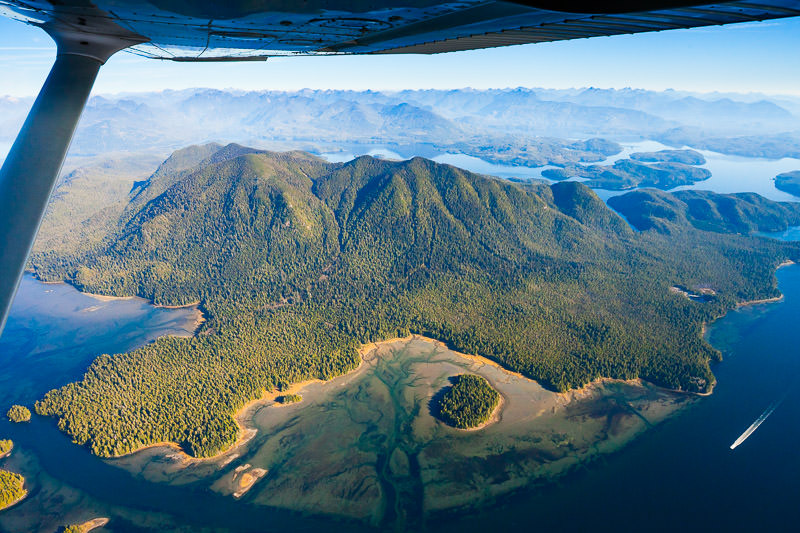
NEW! West Coast Old-Growth Hiking Guide
Explore AFA’s NEW West Coast old-growth hiking guide. From Clayoquot Sound to Port Alberni, there are trails for every skill level!
https://staging.ancientforestalliance.org/wp-content/uploads/2026/05/meares-island-big-tree-trail-tofino-1200px-338.jpg
533
800
TJ Watt
https://staging.ancientforestalliance.org/wp-content/uploads/2026/05/Ancient-Forest-Alliance-logo.svg
TJ Watt2026-05-29 12:06:002026-05-29 15:42:38NEW! West Coast Old-Growth Hiking Guide
Now Hiring: Contract Graphic Designer!
Ancient Forest Alliance is hiring a contract Graphic Designer to help bring our campaigns to life through print and digital materials.
https://staging.ancientforestalliance.org/wp-content/uploads/2026/05/flores-island-wildside-trail-1200px-430.jpg
800
1200
TJ Watt
https://staging.ancientforestalliance.org/wp-content/uploads/2026/05/Ancient-Forest-Alliance-logo.svg
TJ Watt2026-05-22 12:22:292026-05-22 12:22:29Now Hiring: Contract Graphic Designer!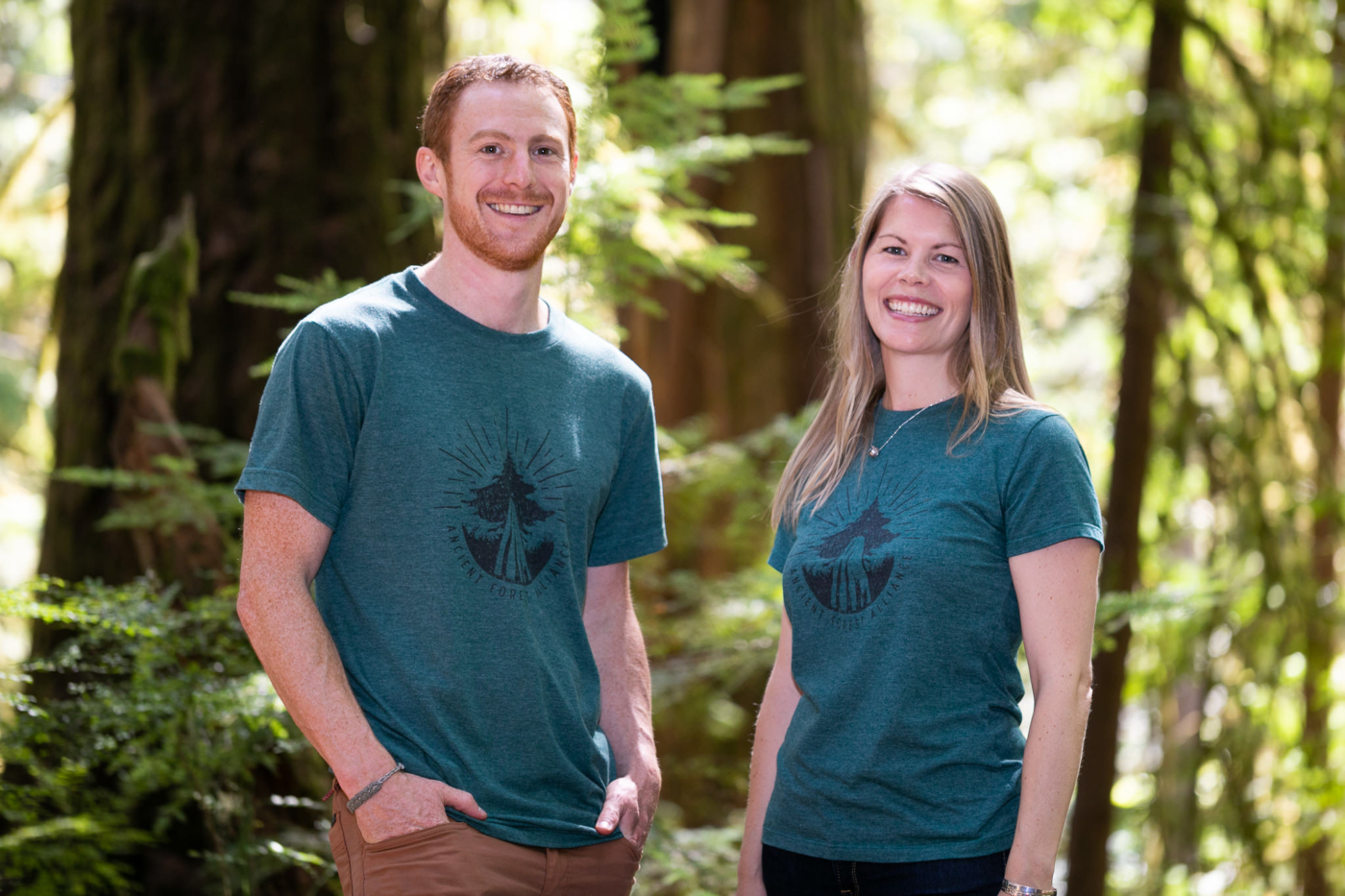
Design AFA’s Next T-Shirt and Help Protect Old-Growth Forests!
Calling all artists! For Earth Month, AFA is launching our first-ever Community T-Shirt Design Contest.
https://staging.ancientforestalliance.org/wp-content/uploads/2026/04/AFA-T-Shirt-Green-Mens-Womens.jpg
1365
2048
TJ Watt
https://staging.ancientforestalliance.org/wp-content/uploads/2026/05/Ancient-Forest-Alliance-logo.svg
TJ Watt2026-05-15 08:13:232026-05-19 09:33:44Design AFA’s Next T-Shirt and Help Protect Old-Growth Forests! Donate
 Send a Message
Mossome Grove: ‘One of the most beautiful’ forests on Earth
/in News CoverageNote: Mossome Grove is a 13 hectare grove, not 6 hectares, as stated in the article
Times Colonist, January 13, 2019
Ancient Forest Alliancee campaigner and photographer TJ Watt by the ninth-widest big-leaf maple in B.C., in the Mossome Grove near Port Renfrew.
A six-hectare parcel of old-growth forest in the San Juan River Valley, near Port Renfrew, has been dubbed Mossome Grove (a combination of “mossy” and “awesome”) by the conservationists who recently came across it.
It includes huge old-growth Sitka spruce and big-leaf maples adorned with hanging moss and ferns.
At present, most of the grove is unprotected. It is on Crown land.
Ken Wu, executive director of the Endangered Ecosystems Alliance, said the site is special.
“I think anybody who sees the photos and, at some point, gets a chance to visit the area will recognize it as one of the most beautiful and photogenic forests on Earth, literally. It would be hard for Hollywood to top this one.”
Wu said he marvels at the rare combination of “tall, straight, solid Sitka spruce” and ancient, mossy maples resembling “prehistoric, shaggy monsters.”
“They’re like the epitome of all the greatest qualities of ancient forests combined in one grove.”
TJ Watt of the Ancient Forest Alliance said the grove should be “the new poster child for B.C.’s endangered ancient forests.”
For now, those who found the grove are not saying exactly where it us, Wu said.
“At this point in time, we’re not going to disclose the location because there’s no trails there and it’s a fairly sensitive site,” he said. “First things first, we’ve got to get the area protected and the old growth protected.”
Included in the grove are the ninth-widest Sitka spruce and ninth-widest big-leaf maple in B.C., Wu said.
“The spruce is over 10 feet wide, the maple is almost eight feet wide.”
He said second-growth forest dominates much of the B.C. landscape, so it’s important to protect the major old growth that is left.
Wu said the provincial government is working to establish a new old-growth management policy.
“We don’t know what that consists of yet.”
See the original article here
Old-growth forest near Port Renfrew needs protection, group says
/in News Coverage, VideoWatch this CTV piece about Mossome Grove, located by conservationists from the Ancient Forest Alliance and Endangered Ecosystems Alliance in October
See the original news piece here
B.C. ancient tree lovers unveil ‘Mossome’ grove as part of bid for new protections
/in News CoverageCBC News
January 12, 2019
The most ‘stunningly beautiful old-growth forest I’ve ever seen,’ says conservationist
Ancient Forest Alliance campaigner TJ Watt poses with a bigleaf maple outside of Port Renfrew B.C. The group considers the tree the ninth largest of its kind in B.C. and has nicknamed it the Woolly Giant. (TJ Watt/Ancient Forest Alliance)
Conservationists on Vancouver Island have documented a unique grove of ancient trees which it wants protected from logging due to its ecological value.
“This is perhaps the most magnificent and stunningly beautiful old-growth forest I’ve ever seen,” said Ken Wu, executive director of the conservation group, Endangered Ecosystems Alliance.
Wu, 44, has been exploring forests on Vancouver Island to campaign for their protection for the past 28 years.
The latest find, a 13-hectare parcel on public land, is located near Port Renfrew along the San Juan River and within the traditional territory of the Pacheedaht First Nation.
Ancient Forest Alliance campaigner Andrea Inness poses with a series of giant Sitka spruce snags and bigleaf maples outside of Port Renfrew B.C. in December 2018. (Ken Wu/Endangered Ecosystems Alliance)
Wu and campaigners with the conservation group, Ancient Forest Alliance (AFA), have nicknamed the grove ‘Mossome Grove,’ a blending of the words “mossy” and “awesome.”
They first walked through the area in October 2018 and returned in December to document it.
Several of the grove’s trees are near record size. Based on B.C.’s Big Tree Registry, one Sitka spruce would rank in the top 10 in the province with a diameter at chest height of 3.1 metres.
Endangered Ecosystems Alliance executive director Ken Wu poses by a huge, old bigleaf maple outside Port Renfrew B.C. in December 2018. One of its branches is 23.1 metres in length. (Ken Wu/Endangered Ecosystems Alliance)
One of the bigleaf maples, which campaigners have named the “Woolly Giant,” has a horizontal branch 23.1 metres in length. Wu says it may be the longest branch in B.C.
“Of all of B.C.’s ancient forests, this one deserves protection not only due to the scarcity of its ecosystem type, but because of its sheer unique beauty,” said Wu.
No ‘imminent’ logging
The province says there are no imminent plans for logging in the area and it is reviewing a map of the area provided by the AFA to determine what protections may already be in place.
Wu says roughly four hectares of the area is in a Pacheedaht woodlot, which could be logged by the nation, but is unlikely. The nation has its own sawmill, but mostly processes cedar logs, which it harvests based on a conservation strategy.
Another four hectares has some provincial protection according to Wu, while the remaining four could be auctioned off for logging by the government’s timber agency.
Highlighting the area is the latest move by campaigners as they hope to push the province to improve protections for old-growth areas in the province.
B.C.’s Ministry of Forests says it is currently working with key stakeholders, including conservationists like Wu, to refine its old-growth strategy. It has not said when that process will be completed.
The province is also updating the makeup of forests on Vancouver Island and monitoring the effectiveness of a new policy to protect big trees.
That policy, if followed by loggers, would result in the preservation of the Sitka spruce in the Mossome Grove because it meets a threshold in size.
Ancient Forest Alliance campaigner and photographer, TJ Watt, poses by what the organization calls the the 9th widest Sitka spruce in B.C. outside Port Renfrew on Southern Vancouver Island. (TJ Watt/Ancient Forest Alliance)
Conservationists are concerned the policy will only end up protecting individual trees, not whole areas of trees and their ecosystems.
The ministry says it has taken steps since July 2017 to protect wildlife habitat areas for animals like marbled murrelets and northern goshawks, which nest in old-growth forests.
It also has protected around 1,000 hectares, or 10 square kilometres, of the unique coastal Douglas fir ecosystem.
See original article here