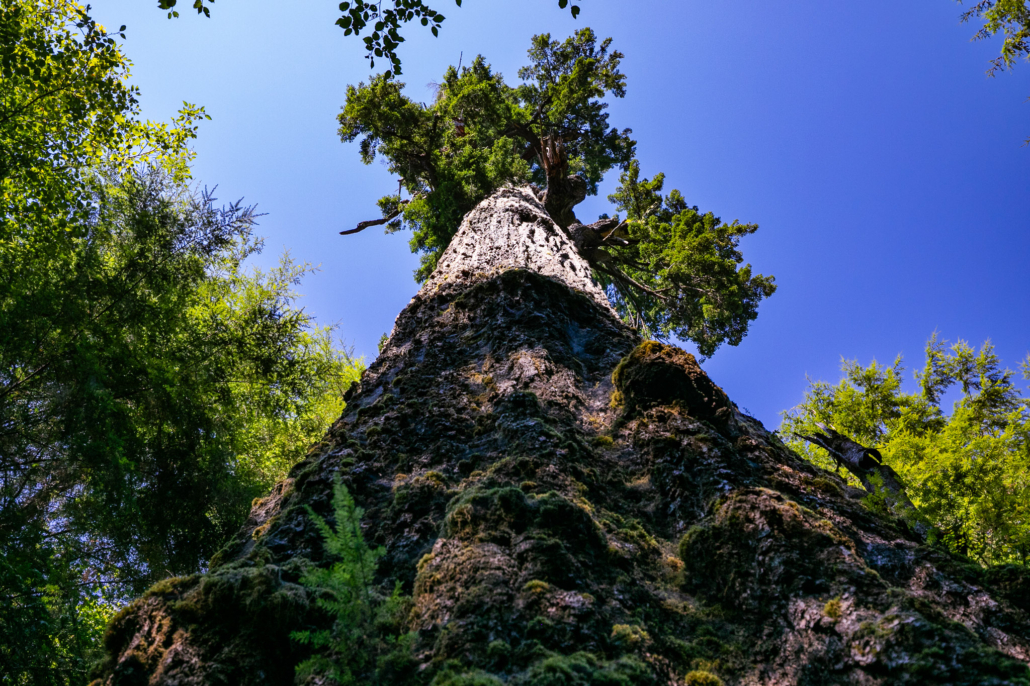
UPDATED: Port Renfrew Big Trees Map
Explore the updated Port Renfrew Big Trees Map with new directions, trails, and routes to iconic giants like Big Lonely Doug, Eden Grove, and more.
https://staging.ancientforestalliance.org/wp-content/uploads/2025/05/13-Red-Creek-Fir.jpg
1365
2048
TJ Watt
https://staging.ancientforestalliance.org/wp-content/uploads/2026/05/Ancient-Forest-Alliance-logo.svg
TJ Watt2026-05-29 15:39:342026-05-29 15:40:49UPDATED: Port Renfrew Big Trees Map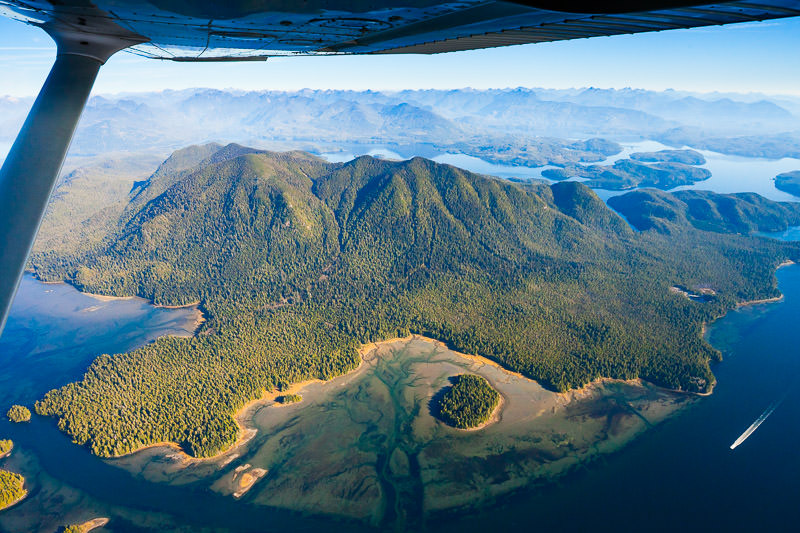
NEW! West Coast Old-Growth Hiking Guide
Explore AFA’s NEW West Coast old-growth hiking guide. From Clayoquot Sound to Port Alberni, there are trails for every skill level!
https://staging.ancientforestalliance.org/wp-content/uploads/2026/05/meares-island-big-tree-trail-tofino-1200px-338.jpg
533
800
TJ Watt
https://staging.ancientforestalliance.org/wp-content/uploads/2026/05/Ancient-Forest-Alliance-logo.svg
TJ Watt2026-05-29 12:06:002026-05-29 15:42:38NEW! West Coast Old-Growth Hiking Guide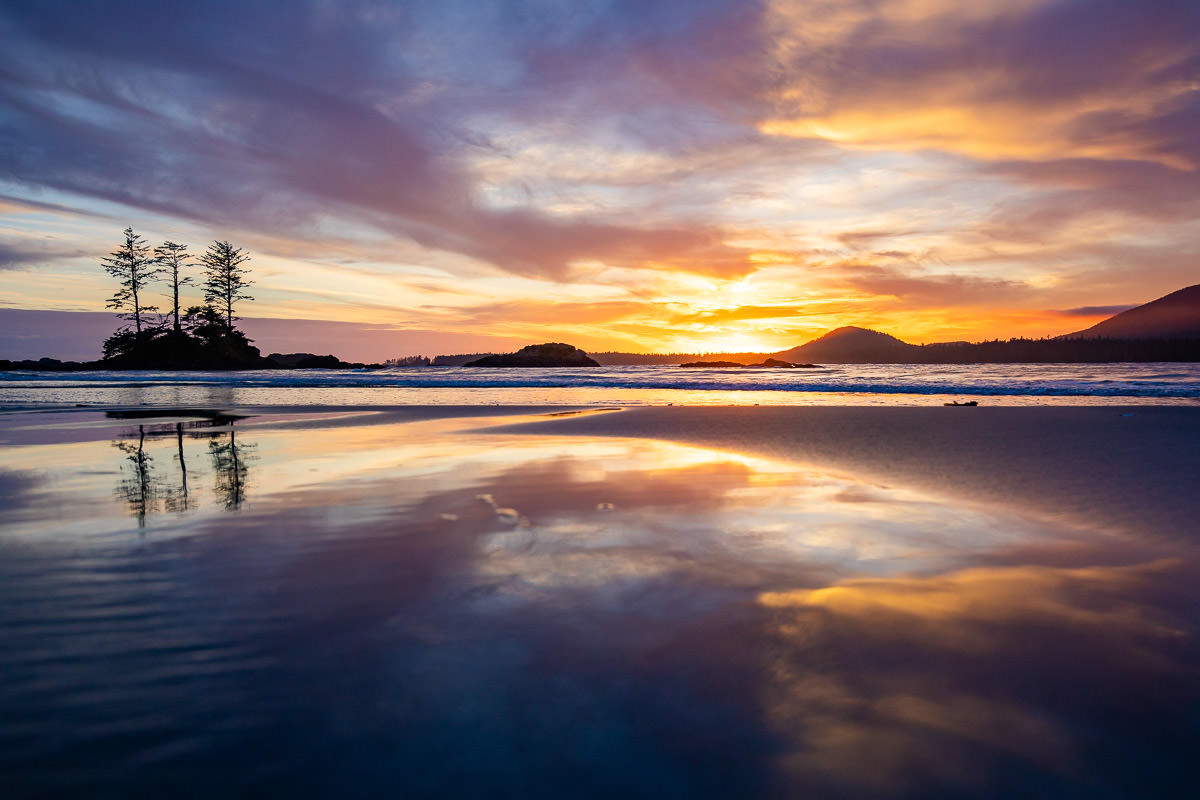
Now Hiring: Contract Graphic Designer!
Ancient Forest Alliance is hiring a contract Graphic Designer to help bring our campaigns to life through print and digital materials.
https://staging.ancientforestalliance.org/wp-content/uploads/2026/05/flores-island-wildside-trail-1200px-430.jpg
800
1200
TJ Watt
https://staging.ancientforestalliance.org/wp-content/uploads/2026/05/Ancient-Forest-Alliance-logo.svg
TJ Watt2026-05-22 12:22:292026-05-22 12:22:29Now Hiring: Contract Graphic Designer!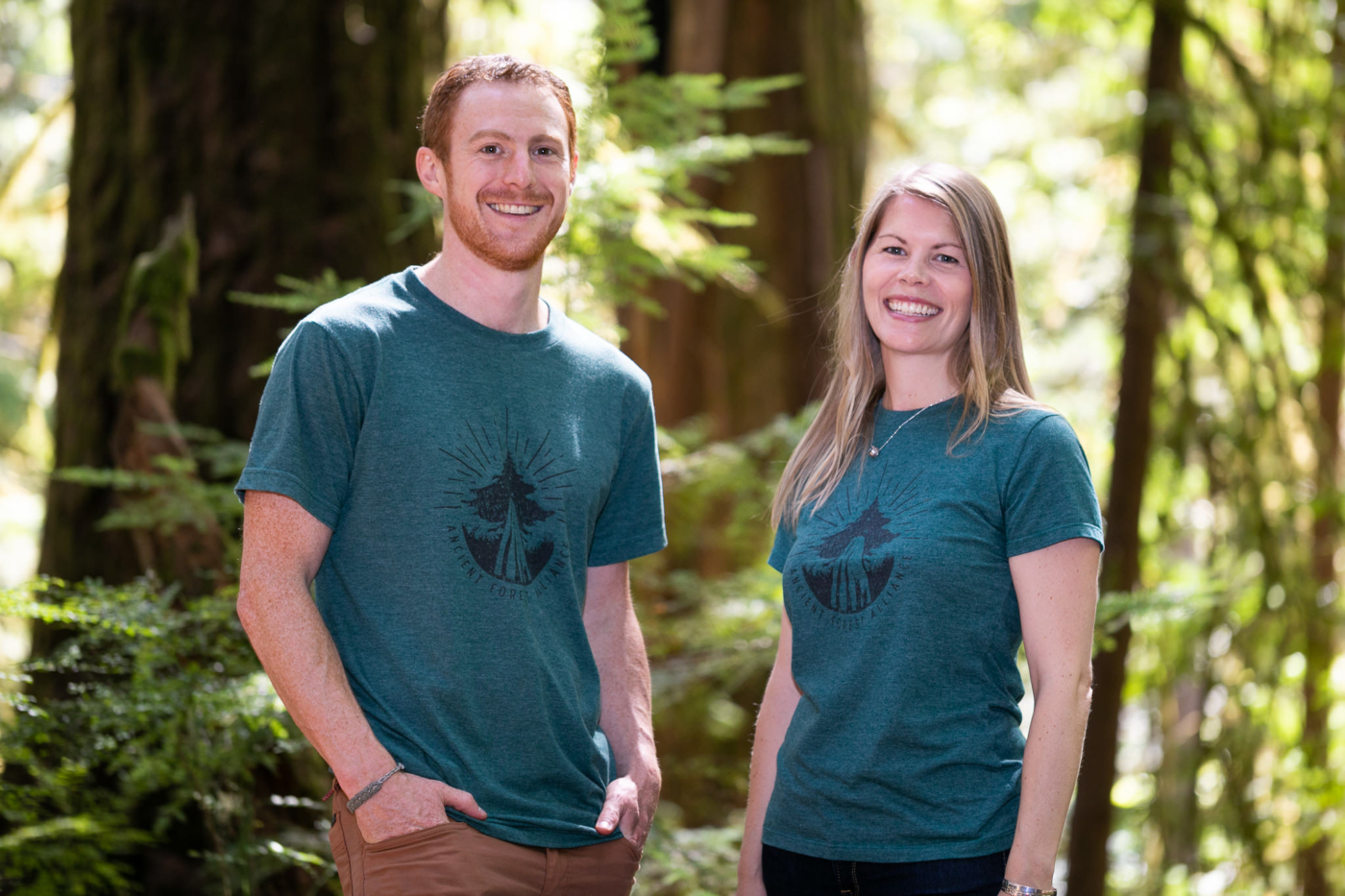
Design AFA’s Next T-Shirt and Help Protect Old-Growth Forests!
Calling all artists! For Earth Month, AFA is launching our first-ever Community T-Shirt Design Contest.
https://staging.ancientforestalliance.org/wp-content/uploads/2026/04/AFA-T-Shirt-Green-Mens-Womens.jpg
1365
2048
TJ Watt
https://staging.ancientforestalliance.org/wp-content/uploads/2026/05/Ancient-Forest-Alliance-logo.svg
TJ Watt2026-05-15 08:13:232026-05-19 09:33:44Design AFA’s Next T-Shirt and Help Protect Old-Growth Forests! Donate
 Send a Message
Victoria City Council unanimously adopts resolution calling for the protection of Vancouver Island’s old-growth forests
/in AnnouncementsVictoria City Council unanimously adopted a resolution on Thursday calling on the BC government to protect Vancouver Island’s endangered old-growth forests, starting with a moratoria on old-growth logging, and to work with First Nations, local communities, labour organizations, and industry to pursue a transition to a sustainable, second-growth forest industry! Council endorsed the resolution for consideration at this year’s annual convention of the Association of Vancouver Island and Coastal Communities (AVICC), representing 53 municipalities and regional districts along BC’s coast, which passed a similar resolution on old-growth forest protection in 2016.
The AFA commends Victoria Council for this decision, which adds to the growing list of municipalities, chambers of commerce, businesses, unions, and recreation and conservation groups across BC who have signed resolutions or statements, urging the BC government to increase protection for BC’s endangered old-growth forests.
Canada’s ‘most magnificent old-growth forest’ near Port Renfrew
/in News CoverageWatch video news coverage here
CHEK News: Conservationists are asking the provincial government to protect what they are calling Canada’s “most magnificent” old-growth forest near Port Renfrew. Ceilidh Millar reports.
It may remind some of a prehistoric-creature, but even Hollywood would be hard-pressed to re-create a sight as spectacular as “Mossome Grove.”
“It’s the most magnificent and beautiful forest in the country,” said Ken Wu with the Endangered Ecosystems Alliance.
Short for “mossy and awesome” Mossome Grove is a 13-hectare old-growth grove located along the San Juan River near Port Renfrew.
The conservation group recently identified the area, and say it is home to some of the top ten widest trees in the province including a Sitka spruce with a diameter of 3.1 metres.
There is also a giant Bigleaf maple, nicknamed the “Woolly Giant,” which has produced a branch measuring 76-feet in length.
Wu says it could the longest horizontal branch on any tree in B.C.
“They are also very old,” Wu explained. “I would estimate the spruce are as young as 300 or 400-years-old and maybe as old as 800-years-old.”
They aren’t revealing its exact location, for fear it will be logged as the grove is on mostly unprotected land.
The grove is situated on Crown land in the unceded territory of the Pacheedaht First Nation band.
“It’s a mishmash of different jurisdictions but most of it could be logged,” Wu said.
Conservationists say the province needs a more protective old-growth policy.
“They are logging about 10,000 hectares which is over 10,000 football fields of old-growth every year on Vancouver Island alone,” explained Wu.
The B.C. Ministry of Forests said in a statement that the grove is contained in a woodlot operated by Pacheedaht Forestry Ltd., and there is no imminent logging planned.
“The Ancient Forest Alliance supplied the ministry with an updated map of the grove area yesterday, so ministry staff are currently reviewing the map to determine what protections exist in the area,” it said.
Under the Vancouver Island Land Use Plan, more than 13 per cent of Vancouver Island will never be logged, including 520,000 hectares of old growth forests, the statement said.
However, a proper protection policy can’t come soon enough for those fighting to save our forests.
“Let’s leave these ancient trees,” explained Wu. “Especially these magnificent valley bottom giants like this for future generations of all creatures.”
Conservationists want protection on ‘Canada’s most magnificent’ old-growth forest
/in News CoverageThe Canadian Press
January 12, 2019
VANCOUVER — Conservationists in British Columbia are pushing for protections on an area of old-growth forests they describe as “Canada’s most magnificent.”
The grove is located on Crown land in the San Juan River Valley near Port Renfrew on southern Vancouver Island in the unceded territory of the Pacheedaht First Nation band.
The 13-hectare grove of immense old-growth Sitka spruce and big-leaf maples draped in hanging mosses and ferns was first located in October and explored again in late December, said Ken Wu, executive director of the Endangered Ecosystems Alliance.
“It is probably the most spectacular and beautiful old growth forest I’ve ever seen and I’ve explored a lot of old growth forests,” Wu said. “(The trees) look shaggy because they’ve got all this hanging mosses and ferns on their branches. So they look like ancient prehistoric creatures.”
Most of the grove is unprotected, with a small portion — about four hectares — off-limits to loggers through the provincial government’s old-growth management area, he said.
Some of the trees in this grove are near-record sized, including a Sitka spruce with a diameter of 3.1 metres that would rank among the top 10 in the province, Wu said.
A massive maple that conservationists have nicknamed the “Woolly Giant” may have the longest horizontal branch of any tree in British Columbia, measuring 23.1 metres, he said.
“It’s covered in thick mats of hanging mosses and ferns, resembling a prehistoric monster.”
Wu said conservationists are calling this area of old-growth forests, “The “Mossome” Grove,” which is short for mossy and awesome.
“It includes lots of the tall, straight Sitka spruce like Roman pillars and they’re very impressive giants along with ancient moss covered shaggy, big-leaf maples,” he said.
It’s hard to say how old these trees are, Wu said.
“These are great growing conditions,” he said. “The trees can be as young as 400 years old but I would estimate around the 800-year-old range for the big spruce.”
Ancient Forest Alliance and other conservation groups are asking the provincial government to save not just this newly found old-growth forest but others too, he said.
This forest can be saved from logging if the provincial government simply extends its existing old growth management area, which currently protects about two hectares of this grove, he said.
The B.C. Ministry of Forests said in a statement that the grove is contained in a woodlot operated by Pacheedaht Forestry Ltd., and there is no imminent logging planned.
“The Ancient Forest Alliance supplied the ministry with an updated map of the grove area yesterday, so ministry staff are currently reviewing the map to determine what protections exist in the area,” it said.
Under the Vancouver Island Land Use Plan, over 13 per cent of Vancouver Island will never be logged, including 520,000 hectares of old growth forests, the statement said.
The ministry is also updating the forest inventory for Vancouver Island and monitoring the effectiveness of best management practices related to protecting legacy, or big trees, it said.
Wu said conservation organizations want comprehensive science-based legislation to protect not just this grove but all old-growth forests.
Old-growth forests are vital to sustaining wildlife, including unique species that can’t live in the second-growth tree plantations that old growth forests are being replaced with, he said.
The Mossome Grove is home to not just some of the oldest and grandest trees but also animals and birds such as Roosevelt elk, black-tailed deer, black bears, wolves, cougars, marbled murrelet, northern goshawk, pygmy owl, screech owl, Vaux’s swift, and long-eared bats.
They are also vital for tourism, providing clean water for communities and wild salmon, for carbon storage, and for many First Nations cultures, Wu said.
“We’ve already lost well over 90 per cent of our grandest old-growth forests in the valley bottoms,” he said.
Read this Canadian Press article in the Globe and Mail, the National Post, or in the Toronto Star.