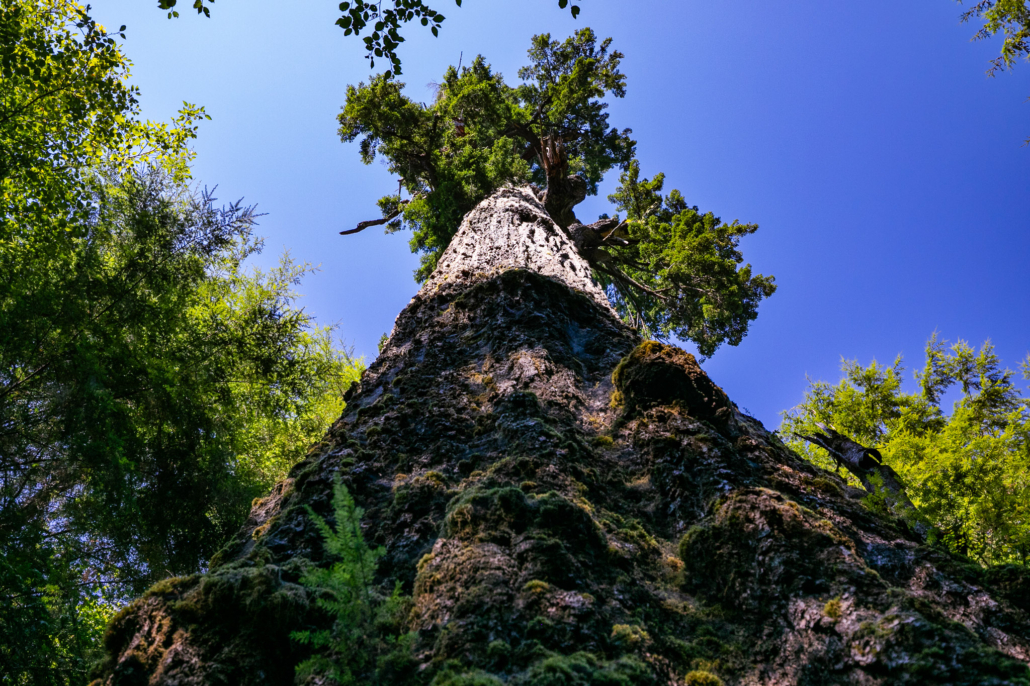
UPDATED: Port Renfrew Big Trees Map
Explore the updated Port Renfrew Big Trees Map with new directions, trails, and routes to iconic giants like Big Lonely Doug, Eden Grove, and more.
https://staging.ancientforestalliance.org/wp-content/uploads/2025/05/13-Red-Creek-Fir.jpg
1365
2048
TJ Watt
https://staging.ancientforestalliance.org/wp-content/uploads/2026/05/Ancient-Forest-Alliance-logo.svg
TJ Watt2026-05-29 15:39:342026-05-29 15:40:49UPDATED: Port Renfrew Big Trees Map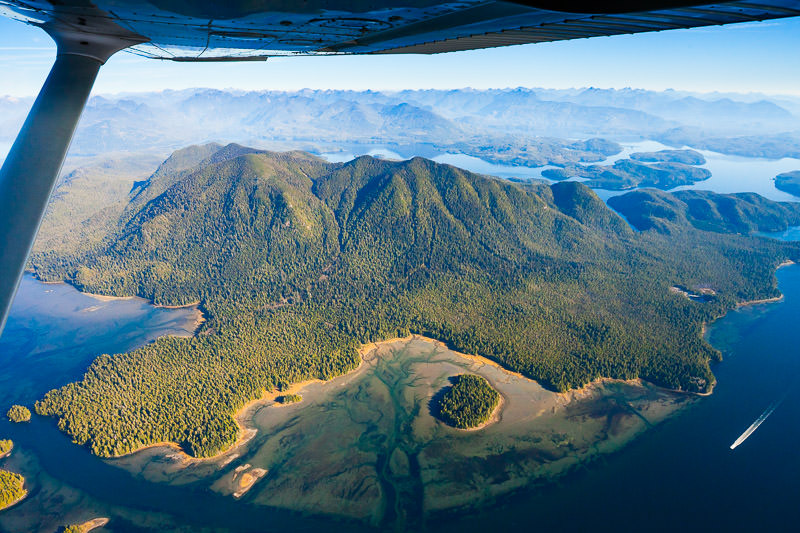
NEW! West Coast Old-Growth Hiking Guide
Explore AFA’s NEW West Coast old-growth hiking guide. From Clayoquot Sound to Port Alberni, there are trails for every skill level!
https://staging.ancientforestalliance.org/wp-content/uploads/2026/05/meares-island-big-tree-trail-tofino-1200px-338.jpg
533
800
TJ Watt
https://staging.ancientforestalliance.org/wp-content/uploads/2026/05/Ancient-Forest-Alliance-logo.svg
TJ Watt2026-05-29 12:06:002026-05-29 15:42:38NEW! West Coast Old-Growth Hiking Guide
Now Hiring: Contract Graphic Designer!
Ancient Forest Alliance is hiring a contract Graphic Designer to help bring our campaigns to life through print and digital materials.
https://staging.ancientforestalliance.org/wp-content/uploads/2026/05/flores-island-wildside-trail-1200px-430.jpg
800
1200
TJ Watt
https://staging.ancientforestalliance.org/wp-content/uploads/2026/05/Ancient-Forest-Alliance-logo.svg
TJ Watt2026-05-22 12:22:292026-05-22 12:22:29Now Hiring: Contract Graphic Designer!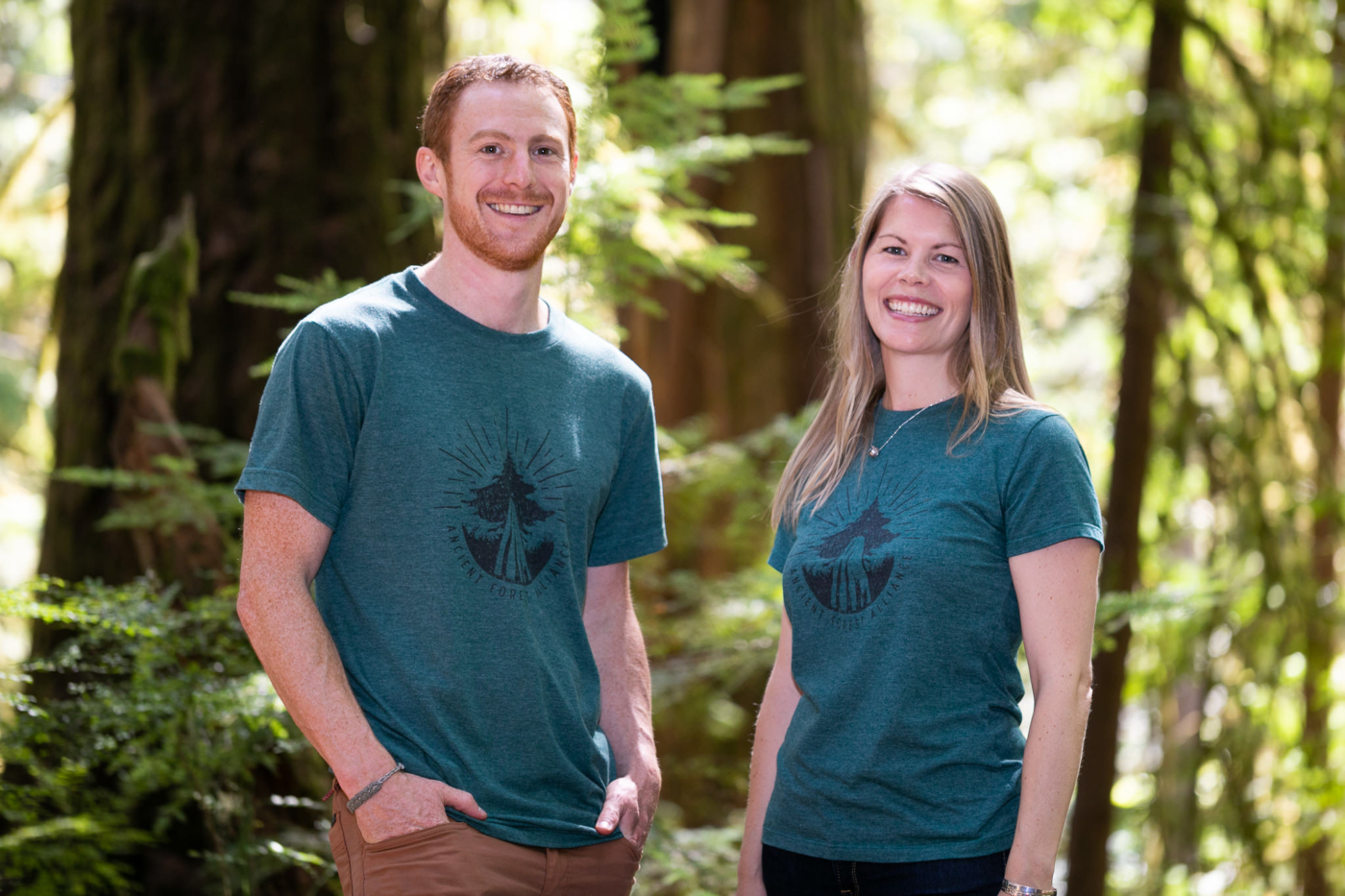
Design AFA’s Next T-Shirt and Help Protect Old-Growth Forests!
Calling all artists! For Earth Month, AFA is launching our first-ever Community T-Shirt Design Contest.
https://staging.ancientforestalliance.org/wp-content/uploads/2026/04/AFA-T-Shirt-Green-Mens-Womens.jpg
1365
2048
TJ Watt
https://staging.ancientforestalliance.org/wp-content/uploads/2026/05/Ancient-Forest-Alliance-logo.svg
TJ Watt2026-05-15 08:13:232026-05-19 09:33:44Design AFA’s Next T-Shirt and Help Protect Old-Growth Forests! Donate
 Send a Message
On International Day of Forests, conservation groups call on B.C. government to immediately halt logging of last intact old-growth areas
/in Media ReleaseVICTORIA, BC – Environmental organizations Ancient Forest Alliance, Sierra Club BC and the Wilderness Committee are calling on the B.C. government to stop issuing logging permits in B.C.’s last remaining intact old-growth forest “hotspots” and endangered old-growth ecosystems and to implement legislation to protect endangered ancient forests. The call coincides with the International Day of Forests (March 21), declared by the United Nations as a day on which to celebrate and raise awareness of the importance of Earth’s forests.
“The BC NDP government has stated that they’re working on a strategy to protect endangered old-growth forests and are making changes to forestry laws,” stated Ancient Forest Alliance campaigner Andrea Inness. “While we are looking forward to hearing about details and timelines, we’re extremely concerned that the business-as-usual liquidation of old-growth forests is continuing in the last remaining intact old-growth ‘hotspots’ with the greatest conservation, cultural, and recreational values.”
About two dozen hotspots have already been identified on Vancouver Island. These include the Nahmint Valley in Hupacasath and Tseshaht territories near Port Alberni, where the B.C. government has direct control over BC Timber Sales, the provincial agency responsible for planning and issuing logging permits. The Central Walbran Valley and Edinburgh Mountain in Pacheedaht territory close to Port Renfrew and East Creek rainforest in Quatsino territory on Vancouver Island’s northwest coast are also considered critical hotspots.
“After decades of destruction, ancient forests and the web of life that depends on them are close to the brink,” stated Sierra Club BC senior forest and climate campaigner Jens Wieting. “Business as usual will result in species loss and leave communities with ecologically, culturally, and economically degraded landscapes. We need a halt on logging in critical areas to allow options for land use planning and time to strengthen regulation before it’s too late.”
Recent research mapping by the Wilderness Committee revealed that, in just five months, the B.C. government approved 314 new logging cutblocks with a total area of 16,000 hectares in critical southern mountain caribou habitat in B.C.’s Interior. This is despite the Province simultaneously working on a conservation plan to protect the highly threatened species.
“A ‘talk-and-log’ scenario is unacceptable given the ecological emergency we’re currently facing in B.C. The B.C. government must stop issuing logging permits in critical old-growth areas before more species fall through the cracks,” said Wilderness Committee campaigner Torrance Coste. “The NDP government needs to quit dragging their heels and show they’re serious about mountain caribou and endangered old-growth forest protection. They need to come up with both immediate and long-term solutions while there are still intact ancient forests left to protect.”
Old-growth forests are integral for their cultural values for many Indigenous Nations, as habitat for endangered species, and for climate stability, tourism, clean water and wild salmon. B.C.’s temperate rainforests represent the largest remaining tracts of a globally rare ecosystem covering just half a per cent of the planet’s landmass. Outside the Great Bear Rainforest, the vast majority of provincial old-growth forests have been reduced to small percentages of their original extent. Logging continues with little legal safeguards to ensure a minimum protection based on science. Yet the current rate of old-growth logging on Vancouver Island alone is more than three square metres per second, or about thirty-four soccer fields per day.
The environmental organizations are calling on the B.C. government to implement a science-based plan to protect endangered old-growth forests, in line with the NDP’s 2017 election platform commitment to take “an evidence-based scientific approach and use the ecosystem-based management of the Great Bear Rainforest as a model,” support Indigenous Nations’ sustainable economic development and land use plans, and ensure long-term forestry jobs in improved second-growth forest management and value-added manufacturing.
Background information:
For detailed Vancouver Island old-growth mapping and statistics, see:
https://sierraclub.bc.ca/white-rhino-map-shows-vancouver-islands-most-endangered-old-growth-rainforests/
The B.C. government has often stated that “over 55% of Crown old-growth forests on B.C.’s coast are protected,” but fails to mention that the vast majority of coastal old-growth forests that are protected from logging are in the Great Bear Rainforest, not on Vancouver Island, where old-growth forests are highly endangered and old-growth logging continues at a scale of about 10,000 hectares a year.
The government also claims that “on Vancouver Island, over 40% of Crown forests are considered old-growth, with 520,000 hectares that will never be logged.” However, the government hides the fact that the majority of this total area is low-productivity forest (i.e. stunted, marginal forests that grow along the outer coast, in high elevation, or in bogs and are therefore not at risk of being logged).
These numbers also ignore heavily logged forests on private lands, which make up more than a quarter of Vancouver Island and which are largely managed under provincial authority.
Finally, the B.C. government fails to mention how much old-growth has previously been logged on Vancouver Island: almost 80% of the original productive old-growth forest and over 90% of the low elevation, high-productivity stands (e.g. the very rare, monumental old-growth stands currently being logged in the Nahmint Valley and other hotspot areas).
ACTION ALERT: Send a message and help protect spectacular Jurassic Grove!
/in Take ActionThank you to everyone who made a written submission in support of expanding protections for the Jurassic Grove! The comment period has now closed. We will keep you up to date with any future developments. Thanks!
Conservationists disappointed Budget 2019 fails to prioritize protection of endangered old-growth forests
/in Media ReleaseFor immediate release
February 20, 2019
Victoria, BC – The Ancient Forest Alliance is disappointed the NDP government’s provincial budget, released yesterday, fails to allocate urgently needed funding for the protection of endangered old-growth forests.
“Despite the ecological and climate crisis engulfing BC’s productive ancient forests, the NDP government’s 2019 budget is bereft of meaningful solutions,” stated Forest Campaigner Andrea Inness. “For example, the budget lacks even modest funding for a desperately-needed provincial land acquisition fund to protect endangered old-growth forests and other ecosystems on private lands.”
Many of BC’s most endangered and biologically rich ecosystems, including old-growth forests, drinking watersheds, and areas of high scenic and recreation value, are found on private lands, which make up only five percent of BC’s land base, including over 20 percent of Vancouver Island.
Without dedicated, annual provincial funding to acquire private lands and add them to the province’s protected area system, ancient temperate rainforests such as the mountainside above the world-famous Cathedral Grove, along with hundreds of other endangered forests, wetlands, and grasslands across the province, remain vulnerable to development.
“The NDP government has a unique opportunity right now to obtain matching funds from the federal government’s $1.3 billion investment in conservation partnerships and protected area expansion, announced last year,” stated Inness. “This money could go to purchasing private lands or expanding protected areas on Crown lands, but no additional funding is allocated for conservation in Budget 2019. The BC government is missing out on a first-rate opportunity.”
“We’re encouraged by the government’s commitment in last week’s throne speech to implementing the United Nations Declaration on the Rights of Indigenous Peoples and by their new, three-year $297 million revenue sharing agreement with BC First Nations, which includes support for environmental protection, although much of that funding will go to investments in infrastructure, health, and housing for First Nations communities.”
“A much greater funding commitment is needed to enable the sustainable development and diversification of First Nations economies while adequately supporting land-use planning processes and Indigenous protected areas that include old-growth forests.”
Background information
The Ancient Forest Alliance is proposing the BC government create a dedicated provincial land acquisition fund, starting with an initial $44 million annual commitment and rising to an annual $100 million through $10 million increases each year, to enable the timely purchase of significant tracts of endangered private lands of high conservation, scenic, and recreation value to add to BC’s parks and protected areas system. The group is asking the province to explore dedicated funding mechanisms, such as redirecting the province’s unredeemed bottle deposit funds (worth an estimated $5 to $15 million/year) toward private land acquisition.
The AFA is also calling on the BC government to implement a series of policy changes to protect endangered old-growth forests on Crown lands, including a comprehensive, science-based plan similar to the ecosystem-based management approach used in the Great Bear Rainforest; conservation financing support for First Nations communities in lieu of old-growth logging; and regulations and incentives to accelerate the transition to a sustainable, value-added, second-growth forest industry in BC.