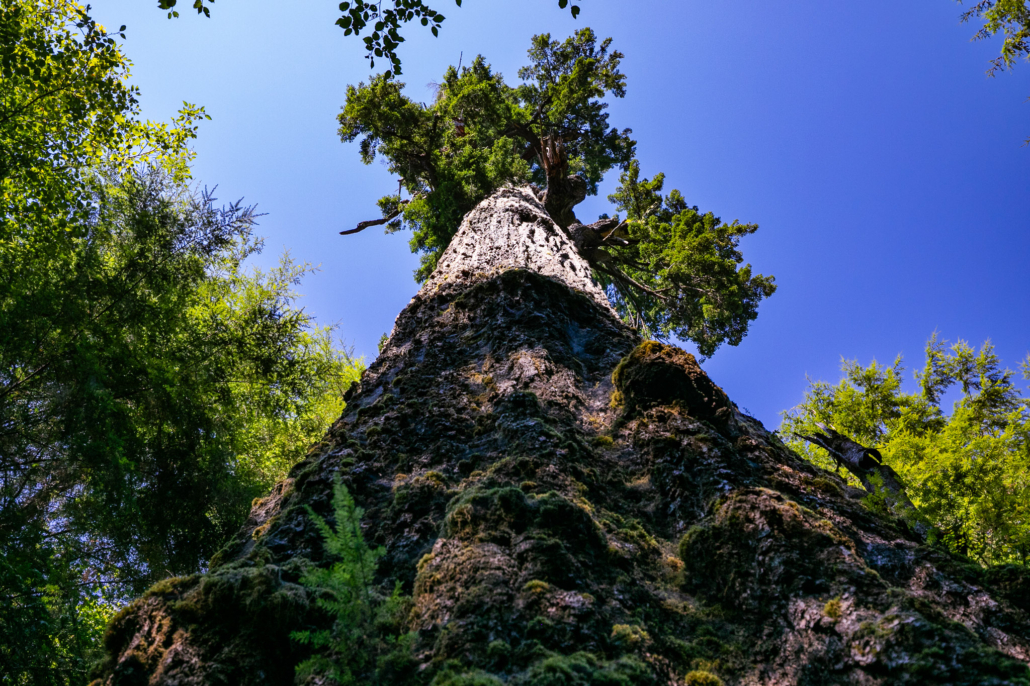
UPDATED: Port Renfrew Big Trees Map
Explore the updated Port Renfrew Big Trees Map with new directions, trails, and routes to iconic giants like Big Lonely Doug, Eden Grove, and more.
https://staging.ancientforestalliance.org/wp-content/uploads/2025/05/13-Red-Creek-Fir.jpg
1365
2048
TJ Watt
https://staging.ancientforestalliance.org/wp-content/uploads/2026/05/Ancient-Forest-Alliance-logo.svg
TJ Watt2026-05-29 15:39:342026-05-29 15:40:49UPDATED: Port Renfrew Big Trees Map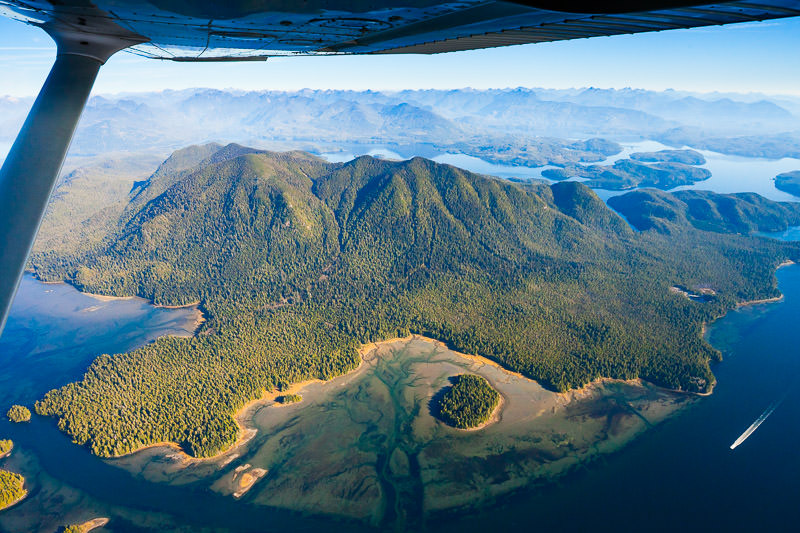
NEW! West Coast Old-Growth Hiking Guide
Explore AFA’s NEW West Coast old-growth hiking guide. From Clayoquot Sound to Port Alberni, there are trails for every skill level!
https://staging.ancientforestalliance.org/wp-content/uploads/2026/05/meares-island-big-tree-trail-tofino-1200px-338.jpg
533
800
TJ Watt
https://staging.ancientforestalliance.org/wp-content/uploads/2026/05/Ancient-Forest-Alliance-logo.svg
TJ Watt2026-05-29 12:06:002026-05-29 15:42:38NEW! West Coast Old-Growth Hiking Guide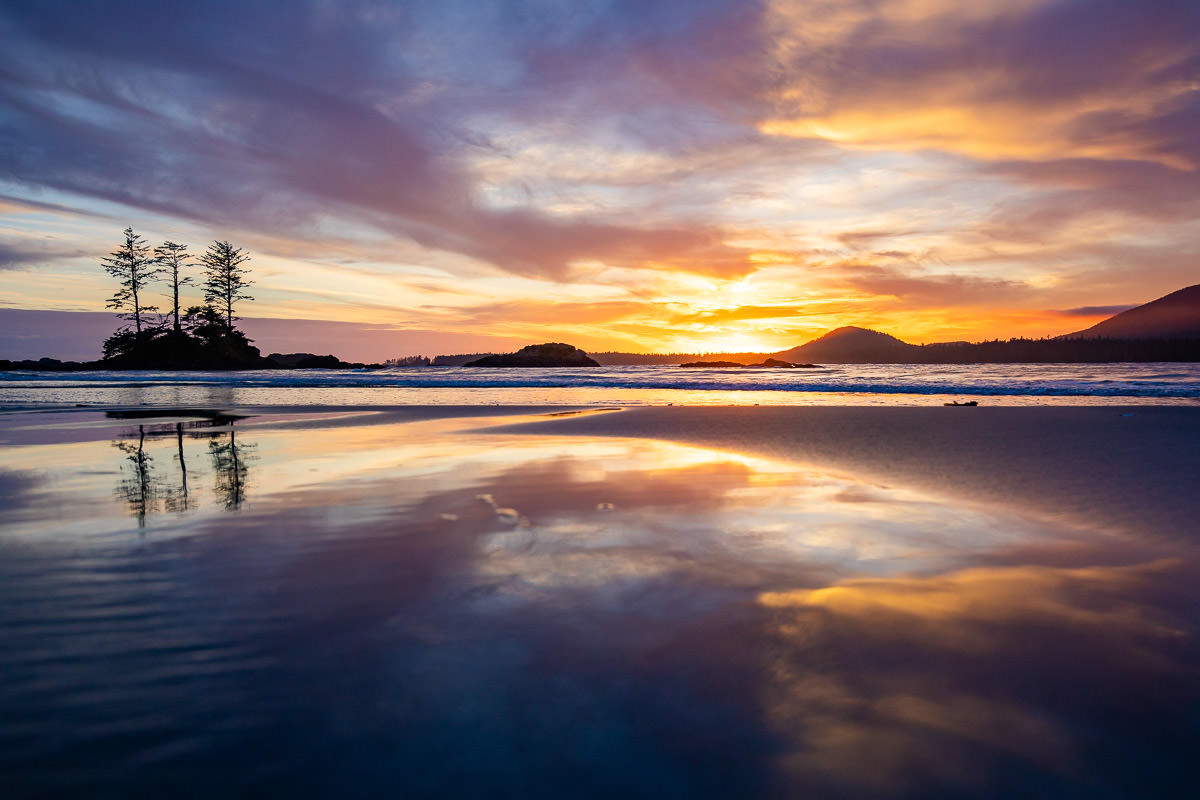
Now Hiring: Contract Graphic Designer!
Ancient Forest Alliance is hiring a contract Graphic Designer to help bring our campaigns to life through print and digital materials.
https://staging.ancientforestalliance.org/wp-content/uploads/2026/05/flores-island-wildside-trail-1200px-430.jpg
800
1200
TJ Watt
https://staging.ancientforestalliance.org/wp-content/uploads/2026/05/Ancient-Forest-Alliance-logo.svg
TJ Watt2026-05-22 12:22:292026-05-22 12:22:29Now Hiring: Contract Graphic Designer!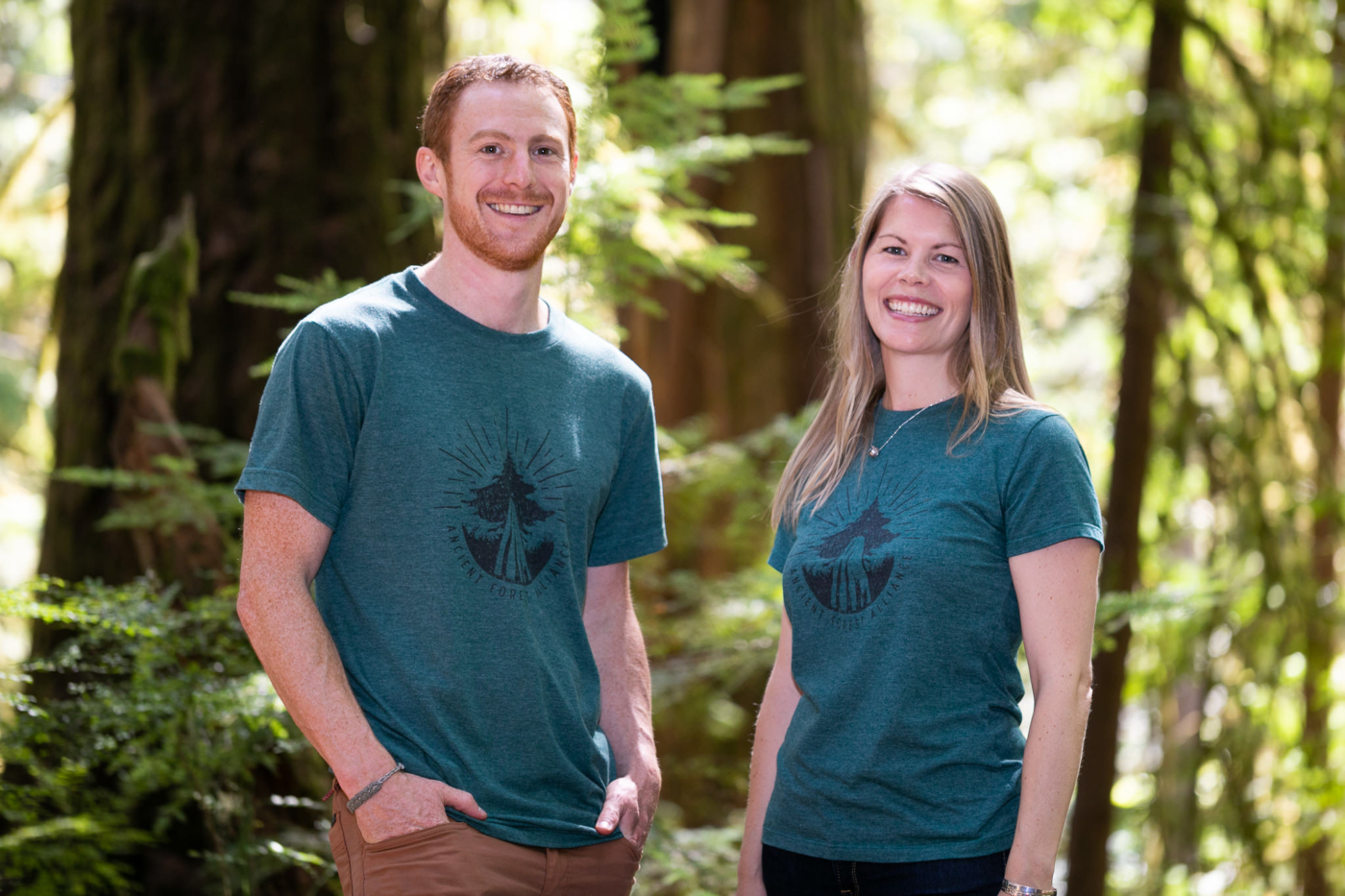
Design AFA’s Next T-Shirt and Help Protect Old-Growth Forests!
Calling all artists! For Earth Month, AFA is launching our first-ever Community T-Shirt Design Contest.
https://staging.ancientforestalliance.org/wp-content/uploads/2026/04/AFA-T-Shirt-Green-Mens-Womens.jpg
1365
2048
TJ Watt
https://staging.ancientforestalliance.org/wp-content/uploads/2026/05/Ancient-Forest-Alliance-logo.svg
TJ Watt2026-05-15 08:13:232026-05-19 09:33:44Design AFA’s Next T-Shirt and Help Protect Old-Growth Forests! Donate
 Send a Message
Today marks the 10-year anniversary of the AFA!
/in Announcements, Thank YouToday is the 10-year anniversary of the Ancient Forest Alliance and we’re celebrating a decade of accomplishments made possible by YOU, our supporters!
With your help over the past 10 years, we’ve secured the protection of Avatar Grove near Port Renfrew in Pacheedaht territory (2012) and 60% of Echo Lake near Mission in Sts’ailes territory (2013). We also built a boardwalk through Avatar Grove, which now attracts thousands of tourists from around the world each year, massively bolstering the local economy.
We defeated the BC government’s proposal to expand tree farm licenses (2013/2014) in BC and have averted logging so far in ancient forest hotspots like the Central Walbran Valley in Pacheedaht territory.
We’ve built alliances with non-traditional allies resulting in numerous resolutions being passed in support for old-growth forest protection, including by the BC Chamber of Commerce in 2016 and the Public and Private Workers of Canada millworkers’ union in 2017.
We’ve brought attention to BC’s ancient forests on local, national, and international levels and, most importantly, we pushed the current BC government to potentially undertake new provincial old-growth management policies, for the first time in decades, including convening a Old-Growth Strategic Review panel to gather public input on old-growth management and commencing the protection of some of BC’s biggest old-growth trees (limited in scope thus far).
There’s still much work to be done, but we know with your support, there’s hope for the future of BC’s magnificent old-growth forests. Your passion, dedication, and generosity is the engine that keeps us going and we won’t stop until the province’s ancient forests get the protection they deserve. Thank you for standing with us on this journey.
– The Ancient Forest Alliance Team
Conservationists disappointed Budget 2020 fails to prioritize environmental protection despite climate and biodiversity emergencies
/in Media ReleaseVictoria, BC – The Ancient Forest Alliance is disappointed the NDP government’s third provincial budget, released yesterday, once again fails to allocate even modest funding for the protection of endangered old-growth forests and other ecosystems.
“Despite the ecological and climate crisis engulfing BC’s ancient forests, the NDP government’s 2020 budget is bereft of meaningful solutions that would protect forest ecosystems while supporting communities,” stated forest campaigner Andrea Inness. “For example, there is still no funding for a desperately-needed provincial land acquisition fund to protect endangered ecosystems on private lands or to support new and existing (but unrecognized) Indigenous Protected and Conserved Areas in BC.”
“The province also failed to increase funding for land-use planning modernization (an inadequate $16 million over three years was committed in 2018), support the economic diversification of First Nations communities, and to read and align with the environmental concerns of the times.”
The Ancient Forest Alliance, other conservation groups, and approximately a hundred thousand concerned BC residents have called on the province to take swift and meaningful action to protect old-growth forests in recent years. In addition, a recent Sierra Club BC opinion poll shows that 92% of British Columbians support increased protection of old-growth forests.
With respect to private lands in BC, last year, 17 conservation and recreation groups and hundreds of British Columbians sent submissions to the BC government’s Select Standing Committee on Finance and Government Services, calling for dedicated funding for the purchase and protection of private lands of high conservation, scenic, and recreational value in Budget 2020.
“Apparently the wishes of the majority of British Columbians have fallen on deaf ears,” stated campaigner TJ Watt. “The NDP government is playing it safe in this budget and is catering to single-use special interest groups despite the urgent need for bold action on climate change, biodiversity protection, and truly sustainable economic development that upholds Indigenous rights and title.”
In its budget, the BC government allocates $13 million over three years for the revitalization of the forest sector, including new and better forest inventory activities, improving forest management planning and stewardship in collaboration with First Nations, investing in bioenergy, and expanding economic opportunities. It falls short of a commitment to support the expedited transition to a sustainable, value-added, second-growth forest industry in BC, which is urgently needed to maintain forestry jobs, support communities, and allow for the protection of old-growth forests.
It also states that the forests ministry will be improving forest practices while providing more predictability to industry and that the government’s focus is on planting more trees and utilizing more fibre. There is no mention in the budget of any intention to increase protected areas or invest in environmental conservation in BC.
“Making minor legislative adjustments and planting trees isn’t good enough,” stated Watt. “These measures equate to maintaining the status quo liquidation of old-growth forests and the continued loss of species and endangered ecosystems.”
“That the BC government failed to fund old-growth protection and sustainable economic development in Clayoquot Sound is particularly disappointing, especially after the federal government last year committed matching funds for the implementation of the Tla-o-qui-aht and Ahousaht land-use visions, which set the vast majority of those Nations’ territories in Clayoquot Sound aside from industrial development,” stated Inness.
“The NDP government has a unique opportunity right now to obtain matching funds from the federal government’s $1.3 billion investment in conservation partnerships and protected area expansion. They’re missing a golden opportunity to purchase and protect private lands and support Indigenous Protected and Conserved Areas.”
“The province is projecting a $227 million surplus this fiscal year. Why isn’t any of this money being used to protect natural lands while also diversifying First Nations economies?”
Background information
The Ancient Forest Alliance is calling on the BC government to implement a series of policy changes to protect endangered old-growth forests, including a comprehensive, science-based plan similar to the ecosystem-based management approach used in the Great Bear Rainforest; a dedicated provincial land acquisition fund to protect private lands of high conservation, scenic, and recreation value, including old-growth forests; conservation financing support for First Nations communities in lieu of old-growth logging; support for new and existing Indigenous Protected and Conserved Areas; and regulations and incentives to accelerate the transition to a sustainable, value-added, second-growth forest industry in BC.
Old Growth Forests Are Vital to Indigenous Cultures. We Need to Protect What’s Left
/in News CoverageThe BC government wants to hear from the public as it reviews old growth logging policies.
The Tyee, OPINION- Joe Martin
January 28, 2020
Joe Martin is a master canoe carver and artist from the Tla-o-qui-aht Nation, a tribe of the Nuu-Chah-Nulth First Nations, located in Clayoquot Sound on Vancouver Island.
The B.C. government is reviewing its policies to manage the province’s old growth forests and seeking public input.
This should be the opportunity for the government to start righting the mistakes of the past.
This new approach must obey the law of nature, under which we all live. This means we must understand Earth’s ecological limits and learn to respect them and live within them.
In Nuu-chah-nulth culture, the teachings of responsibility and respect for the land are passed down by our Elders as soon as our lives are conceived, and they continue until we die. These teachings are cornerstones of our culture, but they are foreign concepts to the provincial government and industry, who view our old growth forests as limitless resources to be plundered.
In my 12 years as a logger in Clayoquot Sound, I witnessed the destruction of some of the biggest trees and finest old growth forests I had ever seen. I witnessed the decimation of salmon streams, once teeming with steelhead, chum and coho, due to the clearcutting of entire valleys and landslides on the steep mountain slopes.
Although there have been significant conservation achievements in Clayoquot Sound through Tla-o-qui-aht Tribal Parks, the destruction of old growth forests continues throughout much of B.C., and the province has continually failed to acknowledge how much has already been lost.
I was eventually fired from my job as a logger for refusing to haul two big logs across a salmon-bearing stream, knowing the logs would destroy key salmon habitat. I felt as though a weight had been lifted. I had become increasingly bothered by how horrible it was, what was happening to the land, so I joined in the effort to save the forest ecosystems I had once been paid to log.
I also took up fishing with my father, who worked as a fisherman, hunter, trapper and canoe builder. Throughout my life he taught me those skills and about how to respect the land, how to avoid disturbing the creeks in the forest to protect the coho, and the protocol to follow when selecting a cedar to cut for our cultural items — spending time in the forest, observing the birds and wildlife and avoiding trees with eagle’s nests or bear or cougar dens close by.
Our people practised for abundance rather than “sustainability.” To me, sustainability means keeping our natural resources on a lifeline until they’re eventually gone or until industry has finally had enough and moved on. Practising for abundance is making sure that your grandchildren won’t have to work as hard as you did. It’s ensuring that when we leave this garden for them, they will have everything they need.
This abundance is what allowed the Nuu-chah-nulth peoples to develop such a rich culture, which depends heavily on the availability of old growth red cedar in particular. We use cedar bark and wood for many cultural items such as woven hats, dugout canoes, totems, bentwood boxes and regalia. Our relationship and respect for these trees, the land and wildlife is represented and reinforced when we create and use these items, and we continue to rely on healthy forest ecosystems to maintain our culture.
The destruction of old growth forests, for Nuu-chah-nulth peoples, equates to a loss of identity. The loss of connection to the land and of our languages threatens our survival and is the cause of many of the social problems in our communities.
Many communities, Indigenous and non-Indigenous, are struggling due to the destruction of forests caused by provincial government mismanagement. On Vancouver Island, about 80 per cent of big-tree forests have been cut and replaced with tree plantations. Much of what remains are bogs or scrub.
Yet companies are still clearcut logging across most of B.C., destroying rivers and streams and harming salmon and other wildlife. Jobs have been lost due to the failure of the province to stop industry from cleaning out the best old growth in the valleys and support slower, careful forestry and processing second-growth timber instead. With so little old growth forest remaining, now is the time for the province to act.
We must listen to what Indigenous wisdom and science tells us, which is that we need to protect more forests to ensure their integrity and our own survival. The B.C. government needs to heed this wisdom and science in its old growth strategy. That means deciding what must be protected before deciding what can or can’t be logged. It means prioritizing biodiversity, fisheries, monumental trees, carbon storage, Indigenous culture, recreation and clean water over timber.
This must be coupled with support for Indigenous communities and economies. Without economic alternatives, many nations do not have the option of refusing logging in their territories.
We must all make a living, and if there are few employment alternatives to destructive resource extraction, what choice is there? None. And so our lands and our culture are sacrificed. The government must provide funding for First Nations’ economic diversification to create jobs while allowing remaining old-growth forests and culturally important areas to be protected.
The Tla-o-qui-aht Tribal Parks in Clayoquot Sound are a good example. Tourism and recreation are big economic drivers here, and there is much work to be done in the tribal parks like building and maintaining infrastructure, which could lead a lot of our people away from jobs in logging and fish farming. I believe this would make the whole community much happier and it would be a great investment for future generations.
The province must recognize the cultural significance of the old growth forests that play such an important role in our lives. They must legally recognize and support Indigenous protected areas like tribal parks, starting in Clayoquot Sound, but also across B.C., and work with nations to support Indigenous-led land-use planning. It’s an important part of our peoples governing ourselves.
We have a responsibility to our future generations, and to uphold the teachings of our ancestors. We have to learn how to live together, how to listen to each other, and how to manage our remaining old-growth forests for abundance for the sake of our children and grandchildren.
The B.C. government is accepting public feedback on its proposed provincial Old Growth Strategy until Friday. For more details and to provide input, go here.
Original opinion piece here