UPDATED: Port Renfrew Big Trees Map
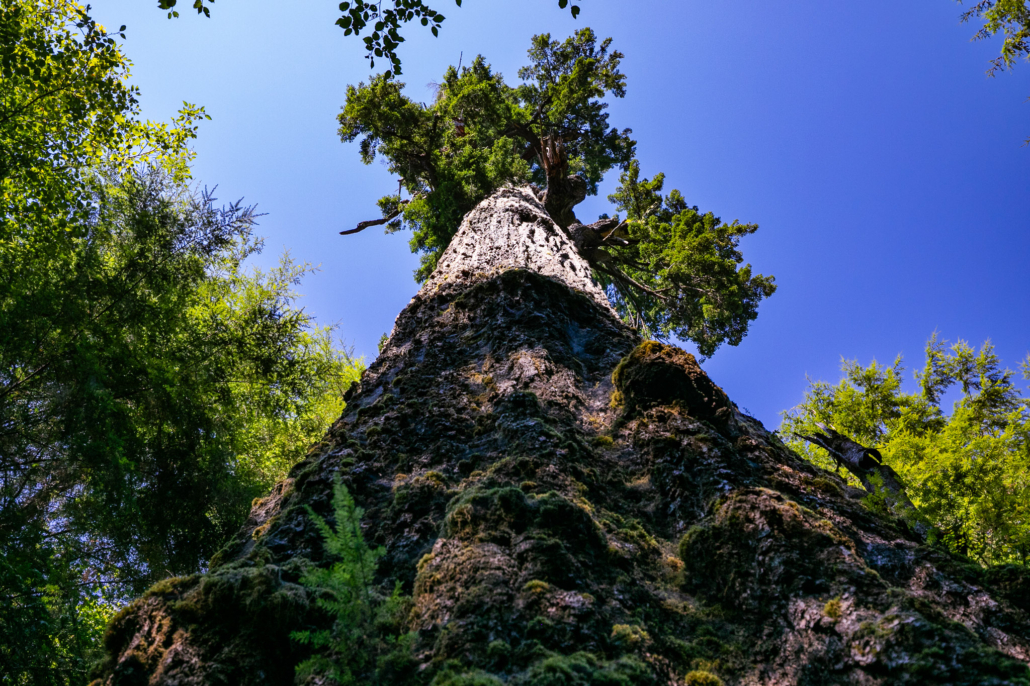
Explore the updated Port Renfrew Big Trees Map with new directions, trails, and routes to iconic giants like Big Lonely Doug, Eden Grove, and more.
https://staging.ancientforestalliance.org/wp-content/uploads/2025/05/13-Red-Creek-Fir.jpg
1365
2048
TJ Watt
https://staging.ancientforestalliance.org/wp-content/uploads/2026/05/Ancient-Forest-Alliance-logo.svg
TJ Watt2026-05-29 15:39:342026-05-29 15:40:49UPDATED: Port Renfrew Big Trees Map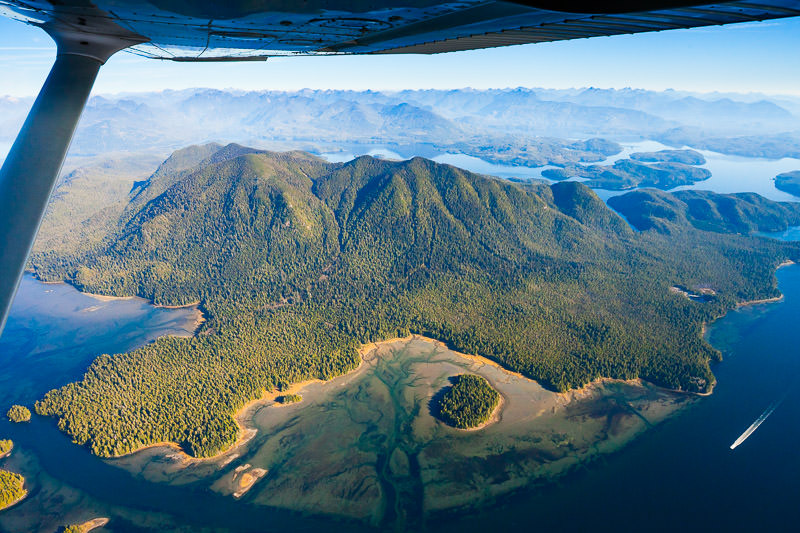
NEW! West Coast Old-Growth Hiking Guide
Explore AFA’s NEW West Coast old-growth hiking guide. From Clayoquot Sound to Port Alberni, there are trails for every skill level!
https://staging.ancientforestalliance.org/wp-content/uploads/2026/05/meares-island-big-tree-trail-tofino-1200px-338.jpg
533
800
TJ Watt
https://staging.ancientforestalliance.org/wp-content/uploads/2026/05/Ancient-Forest-Alliance-logo.svg
TJ Watt2026-05-29 12:06:002026-05-29 15:42:38NEW! West Coast Old-Growth Hiking Guide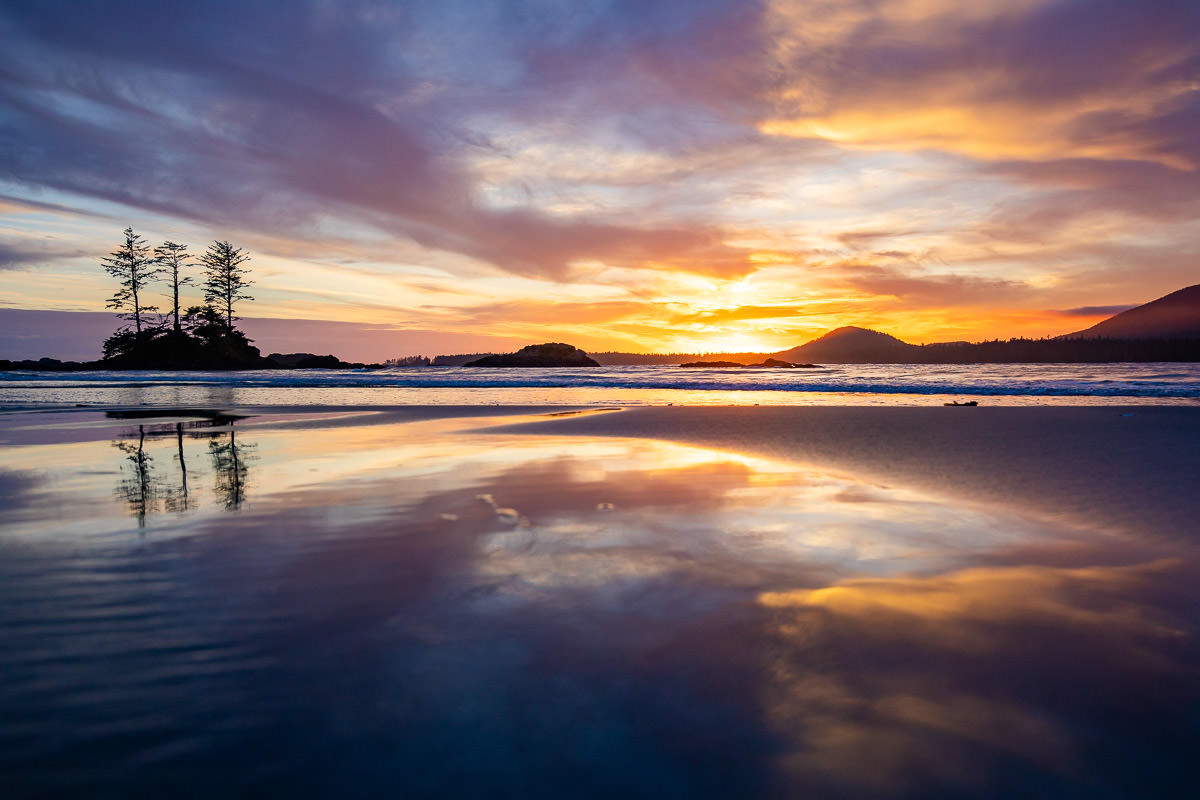
Now Hiring: Contract Graphic Designer!
Ancient Forest Alliance is hiring a contract Graphic Designer to help bring our campaigns to life through print and digital materials.
https://staging.ancientforestalliance.org/wp-content/uploads/2026/05/flores-island-wildside-trail-1200px-430.jpg
800
1200
TJ Watt
https://staging.ancientforestalliance.org/wp-content/uploads/2026/05/Ancient-Forest-Alliance-logo.svg
TJ Watt2026-05-22 12:22:292026-05-22 12:22:29Now Hiring: Contract Graphic Designer!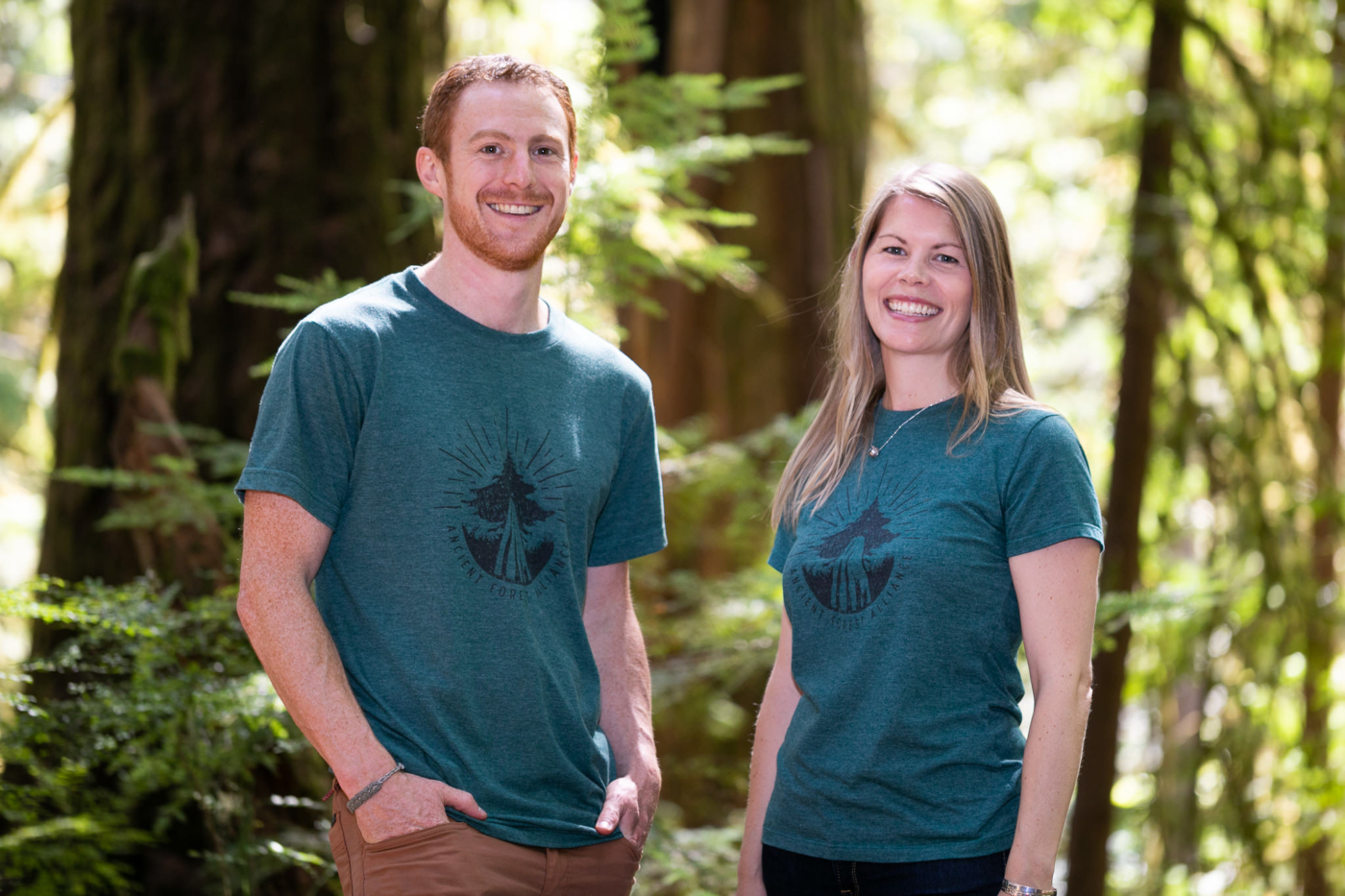
Design AFA’s Next T-Shirt and Help Protect Old-Growth Forests!
Calling all artists! For Earth Month, AFA is launching our first-ever Community T-Shirt Design Contest.
https://staging.ancientforestalliance.org/wp-content/uploads/2026/04/AFA-T-Shirt-Green-Mens-Womens.jpg
1365
2048
TJ Watt
https://staging.ancientforestalliance.org/wp-content/uploads/2026/05/Ancient-Forest-Alliance-logo.svg
TJ Watt2026-05-15 08:13:232026-05-19 09:33:44Design AFA’s Next T-Shirt and Help Protect Old-Growth Forests! Donate
 Send a Message
B.C. old-growth data ‘misleading’ public on remaining ancient forest: independent report
/in News CoverageGovernment touts 13 million hectares of province’s forests are old growth, but ecologists found only 35,000 hectares support the largest trees
The Narwhal
June 4th, 2020
The majority of British Columbia’s productive old-growth forests are gone, and the majority of the old growth remaining is slated to be logged, says an independent study released Thursday by B.C. ecologists who previously worked for the provincial government.
The findings of the report shed new light on provincial claims that, despite intensive logging, B.C. is still home to significant amounts of old growth.
According to the B.C. government, 23 per cent of forest in the province is old growth, about 13 million hectares.
Yet the new study found only three per cent of B.C. is capable of supporting large trees and within that small portion of the province, the ecologists found only 2.7 per cent of the trees are actually old as “old forests on these sites have dwindled considerably due to intense harvest.”
“We’re talking a tiny fraction of a fraction. We’ve basically logged it all,” said Rachel Holt, one of the authors of the study, entitled B.C.’s Old Growth Forest: A Last Stand for Biodiversity.
The research found most of the area the province considers old growth can’t support big trees, which store high amounts of carbon, support biodiversity and make forests resilient to wildfires. Instead, most of it is low-productivity forest, such as small trees at high elevations.
The study concludes there are only about 35,000 hectares of forest with the largest, most productive old-growth trees remaining in B.C., meaning areas where trees are expected to grow over 25 metres tall in 50 years.
A total of 415,000 hectares of forest contain trees that are expected to grow over 20 metres tall in 50 years.
Provincial framing of old-growth data ‘very misleading’
The province regularly publishes total old-growth data. But when the researchers analyzed that data according to ecosystem type, they found it painted a very different picture than what they were seeing in government disclosures.
“There’s very, very little of the stuff that you and I and everybody think of when they think of old growth,” said Holt. She called the government’s framing of the data “very misleading.”
Karen Price, lead author of the study, said, because government policy doesn’t differentiate between productive and non-productive old-growth forests, companies can harvest big trees and leave small, unproductive trees and still meet their old-growth retention targets.
The researchers — Price, Holt and Dave Daust — are calling on the province to implement an immediate moratorium on harvesting old and mature forest in ecosystems with less than 10 per cent of old forest remaining, even if they fall within existing cutblock permits. They are also asking the government to increase old-growth retention targets and improve old-growth management areas to “include larger areas rather than fragmented patches.”
In an emailed response, a spokesperson from the Ministry of Forests, Lands, Natural Resource Operations and Rural Development said it could not comment on the researchers’ findings until it reviews a report from the old-growth strategic review panel, which was submitted in May.
In January two members of the government-appointed old-growth review panel told The Narwhal they found a surprising level of consensus among British Columbians when it comes to the importance of protecting the province’s intact ancient forests.
Scientists break silence, push for more transparent data
Holt, Price and Daust have all worked with the province before. Price said she was tired of doing reports on climate change for the government and never seeing the recommendations made public. She wants to increase awareness around old growth.
“I’m tired of speaking carefully,” she said.
The researchers presented their report to the old-growth strategic review panel in March. The province appointed the independent panel to engage with the public on old growth and report back with recommendations to the Ministry of Forests, Lands, Natural Resource Operations and Rural Development.
The panel began public engagement in 2019 and submitted its report in early May. But, to the dismay of Holt and Price, the province may not make the report public for six months.
“The government needs to review the [old-growth strategic review panel’s report] thoroughly before commenting on it or speculating on how the report’s findings may affect British Columbia’s old growth strategy,” a ministry spokesperson said via email.
Price said she wants to see more government transparency, which is part of the reason they are publishing their findings now.
“This is the time to be brave,” she said. “If we want to have resilient human populations, we need to have resilient ecosystems. And right now, our policy is trashing resilience.”
Old forests are ‘irreplaceable’
Holt said old-growth forests are integral to adapting to climate change and maintaining biodiversity.
Large old-growth trees sequester and store carbon, acting as carbon sinks. But carbon is released when old-growth trees are cut down and left to rot or burned in slash piles.
Old-growth forests are more resilient to wildfires and absorb water from annual snow-melt. Consequently, clearcuts can lead to floods.
But old-growth forests are also valuable timber. BC Timber Sales generated $221 million net revenue in the 2018-19 fiscal year despite financial losses due to intense wildfires in 2018. According to Sierra Club BC, old growth is cut down across the province at the rate of more than 500 soccer fields per day.
Jim Pojar, a seasoned ecologist who used to work for the province, said new forests are unlikely to grow back in the same way due to the impacts of climate change.
He said it takes at least 250 years for “true old growth” to develop, but the climate will have changed so drastically in 200 years that forests will “inevitably” be made up of different plant species and soils.
“The answer is not simple, but pretending that the problem doesn’t exist is not the answer.”
“It will not return to the primary condition, even given several centuries,” Pojar told The Narwhal.
“I consider these really big, productive old-growth forests to be an irreplaceable, essentially non-renewable resource.”
Pojar said experts have known for a long time that the province’s data doesn’t reflect the extent of logging productive trees, but this recent report shows in new detail just how little old-growth forest is left.
“It alarms me, but it doesn’t surprise me,” he said.
Pojar said overlogging is largely rooted in industry deregulation under Gordon Campbell’s Liberal government, which was in power from 2001 to 2011, and other threats to forests include the mountain pine beetle and increasing wildfires. He said the current NDP government has not taken substantive measures to transition the industry to more sustainable practices. Instead, he said, the administration has left things unchanged because it is “desperate for ways to keep people working.”
Holt agrees the government is torn between the “short-term” need for jobs and “long-term” environmental sustainability but said chasing a limited amount of old growth doesn’t support either goal.
“The answer is not simple, but pretending that the problem doesn’t exist is not the answer,” said Holt. “We do not have a sustainable industry from a jobs or an environment perspective.”
Update June 4, 2020 at 5:35 p.m. PST: A previous version of this story described a study as saying that only 35,000 hectares of forest with large old-growth trees are remaining in B.C. In fact, the study concluded that there are 415,000 hectares of forest that are home to large trees, but only 35,000 hectares with the largest, most productive old-growth trees.
Read the original article
Government touts 13 million hectares of province’s forests are old growth, but ecologists found only 35,000 hectares support the largest trees
The Narwhal
June 4th, 2020
The majority of British Columbia’s productive old-growth forests are gone, and the majority of the old growth remaining is slated to be logged, says an independent study released Thursday by B.C. ecologists who previously worked for the provincial government.
The findings of the report shed new light on provincial claims that, despite intensive logging, B.C. is still home to significant amounts of old growth.
According to the B.C. government, 23 per cent of forest in the province is old growth, about 13 million hectares.
Yet the new study found only three per cent of B.C. is capable of supporting large trees and within that small portion of the province, the ecologists found only 2.7 per cent of the trees are actually old as “old forests on these sites have dwindled considerably due to intense harvest.”
“We’re talking a tiny fraction of a fraction. We’ve basically logged it all,” said Rachel Holt, one of the authors of the study, entitled B.C.’s Old Growth Forest: A Last Stand for Biodiversity.
The research found most of the area the province considers old growth can’t support big trees, which store high amounts of carbon, support biodiversity and make forests resilient to wildfires. Instead, most of it is low-productivity forest, such as small trees at high elevations.
The study concludes there are only about 35,000 hectares of forest with the largest, most productive old-growth trees remaining in B.C., meaning areas where trees are expected to grow over 25 metres tall in 50 years.
A total of 415,000 hectares of forest contain trees that are expected to grow over 20 metres tall in 50 years.
Provincial framing of old-growth data ‘very misleading’
The province regularly publishes total old-growth data. But when the researchers analyzed that data according to ecosystem type, they found it painted a very different picture than what they were seeing in government disclosures.
“There’s very, very little of the stuff that you and I and everybody think of when they think of old growth,” said Holt. She called the government’s framing of the data “very misleading.”
Karen Price, lead author of the study, said, because government policy doesn’t differentiate between productive and non-productive old-growth forests, companies can harvest big trees and leave small, unproductive trees and still meet their old-growth retention targets.
The researchers — Price, Holt and Dave Daust — are calling on the province to implement an immediate moratorium on harvesting old and mature forest in ecosystems with less than 10 per cent of old forest remaining, even if they fall within existing cutblock permits. They are also asking the government to increase old-growth retention targets and improve old-growth management areas to “include larger areas rather than fragmented patches.”
In an emailed response, a spokesperson from the Ministry of Forests, Lands, Natural Resource Operations and Rural Development said it could not comment on the researchers’ findings until it reviews a report from the old-growth strategic review panel, which was submitted in May.
In January two members of the government-appointed old-growth review panel told The Narwhal they found a surprising level of consensus among British Columbians when it comes to the importance of protecting the province’s intact ancient forests.
Scientists break silence, push for more transparent data
Holt, Price and Daust have all worked with the province before. Price said she was tired of doing reports on climate change for the government and never seeing the recommendations made public. She wants to increase awareness around old growth.
“I’m tired of speaking carefully,” she said.
The researchers presented their report to the old-growth strategic review panel in March. The province appointed the independent panel to engage with the public on old growth and report back with recommendations to the Ministry of Forests, Lands, Natural Resource Operations and Rural Development.
The panel began public engagement in 2019 and submitted its report in early May. But, to the dismay of Holt and Price, the province may not make the report public for six months.
“The government needs to review the [old-growth strategic review panel’s report] thoroughly before commenting on it or speculating on how the report’s findings may affect British Columbia’s old growth strategy,” a ministry spokesperson said via email.
Price said she wants to see more government transparency, which is part of the reason they are publishing their findings now.
“This is the time to be brave,” she said. “If we want to have resilient human populations, we need to have resilient ecosystems. And right now, our policy is trashing resilience.”
Old forests are ‘irreplaceable’
Holt said old-growth forests are integral to adapting to climate change and maintaining biodiversity.
Large old-growth trees sequester and store carbon, acting as carbon sinks. But carbon is released when old-growth trees are cut down and left to rot or burned in slash piles.
Old-growth forests are more resilient to wildfires and absorb water from annual snow-melt. Consequently, clearcuts can lead to floods.
But old-growth forests are also valuable timber. BC Timber Sales generated $221 million net revenue in the 2018-19 fiscal year despite financial losses due to intense wildfires in 2018. According to Sierra Club BC, old growth is cut down across the province at the rate of more than 500 soccer fields per day.
Jim Pojar, a seasoned ecologist who used to work for the province, said new forests are unlikely to grow back in the same way due to the impacts of climate change.
He said it takes at least 250 years for “true old growth” to develop, but the climate will have changed so drastically in 200 years that forests will “inevitably” be made up of different plant species and soils.
“The answer is not simple, but pretending that the problem doesn’t exist is not the answer.”
“It will not return to the primary condition, even given several centuries,” Pojar told The Narwhal.
“I consider these really big, productive old-growth forests to be an irreplaceable, essentially non-renewable resource.”
Pojar said experts have known for a long time that the province’s data doesn’t reflect the extent of logging productive trees, but this recent report shows in new detail just how little old-growth forest is left.
“It alarms me, but it doesn’t surprise me,” he said.
Pojar said overlogging is largely rooted in industry deregulation under Gordon Campbell’s Liberal government, which was in power from 2001 to 2011, and other threats to forests include the mountain pine beetle and increasing wildfires. He said the current NDP government has not taken substantive measures to transition the industry to more sustainable practices. Instead, he said, the administration has left things unchanged because it is “desperate for ways to keep people working.”
Holt agrees the government is torn between the “short-term” need for jobs and “long-term” environmental sustainability but said chasing a limited amount of old growth doesn’t support either goal.
“The answer is not simple, but pretending that the problem doesn’t exist is not the answer,” said Holt. “We do not have a sustainable industry from a jobs or an environment perspective.”
Update June 4, 2020 at 5:35 p.m. PST: A previous version of this story described a study as saying that only 35,000 hectares of forest with large old-growth trees are remaining in B.C. In fact, the study concluded that there are 415,000 hectares of forest that are home to large trees, but only 35,000 hectares with the largest, most productive old-growth trees.
Read the original article
Conservationists demand immediate logging moratoria in light of new research detailing dire state of BC’s old-growth forests
/in Media ReleaseTake action for ancient forests! Send an instant message to the BC government today.
Victoria, BC – Conservationists with the Ancient Forest Alliance (AFA) are renewing their calls for the BC government to immediately halt logging in endangered old-growth forest ecosystems and intact ‘hotspots’ in the wake of an alarming new report depicting the critical state of BC’s ancient temperate forests.
The report, entitled BC’s Old Growth Forest: A Last Stand for Biodiversity, was prepared by a group of independent scientists for the BC government’s Old Growth Strategic Review panel in order to counter the NDP government’s highly misleading claim that there are 13.2 million hectares of old-growth in BC, comprising about 23% of forested areas.
By analyzing provincial forestry data, the authors found the vast majority (80 percent) of BC’s remaining 13.2 million hectares of old-growth consists of small trees, including bog and subalpine forests, while only about 3 percent (about 400,000 hectares) are comprised of forests capable of growing the big trees that, in most people’s minds, typify old-growth forests. The research also reveals that these remaining, higher productivity forests have been reduced to such an extent from their natural amount that most now face high risks to biodiversity and ecological integrity, yet the majority of them are still slated for logging.
Haddon Creek – Vancouver Island. TFL 46 – Teal-Jones
In light of these significant findings, the researchers, Ancient Forest Alliance, and other conservation groups are calling on the BC provincial government to enact immediate logging moratoria in all endangered forest types with less than 10 percent old-growth remaining; all high productivity old and mature forests; landscape units (i.e. clusters of watersheds) with less than 10 percent old-growth remaining; very old, irreplaceable forests; and remaining intact areas or old-growth ‘hotspots’ and to develop a legislated, science-based plan for the permanent protection for all endangered ancient forests.
“This research echoes what we have been witnessing first-hand here on Vancouver Island and the southern mainland for many years: that high productivity old-growth forests are critically endangered and that the BC government’s old-growth protection levels are grossly inadequate,” stated Ancient Forest Alliance campaigner TJ Watt.
“It also contradicts the Province’s highly misleading PR spin that old-growth forests are plentiful, that sufficient amounts are protected, and that it’s therefore ‘sustainable’ to continue logging them.”
“The BC government’s old-growth accounting system is problematic for several reasons,” stated Watt. “They fail to distinguish dissimilar geographic regions (e.g. the Great Bear Rainforest vs. the South Coast); they lump all forest types and productivity levels together, meaning small, stunted old-growth trees and grouped in with ancient giants; they exclude vast areas of largely cut-over private lands; and they fail to account for how much old-growth forest has already been logged since European colonization. For example, on Vancouver Island, almost 80% of original productive old-growth forests have been logged, including well over 90% of the low elevation, high-productivity stands where the largest trees grow.”
“At best, the government’s stats are unhelpful. At worst, they’re a deliberate attempt to mislead British Columbians in order to justify the continued liquidation of remaining, endangered ancient forests.”
BC’s productive old-growth forests are highly complex ecosystems that have evolved over centuries and millennia. They are integral for ensuring the protection of endangered species, climate stability, tourism, clean water, wild salmon, and the cultures of many First Nations. They have unique characteristics that are not replicated by the second-growth forests they’re replaced with and are a non-renewable resource under BC’s forest system, where forests are logged every 50-80 years, never to become old-growth again.
“It’s well past time decision-makers faced the facts: old-growth forests are in crisis. Unless things change immediately, entire ecosystems and the species they support are at risk of being lost forever,” stated Ancient Forest Alliance campaigner Andrea Inness.
“The BC government must acknowledge and accept these research findings and make bold commitments to address the escalating ecological and climate crises we’re facing in BC by protecting endangered old-growth.”
“While the Province works to develop its proposed Old Growth Strategy, it must immediately halt logging in the rarest ancient forest ecosystems as well as old-growth ‘hotspots’ of particularly high conservation and recreational value like the Central Walbran Valley near Lake Cowichan, the Nahmint Valley near Port Alberni, and Nootka Island near Tahsis.”
“It’s then critical that the BC government use its Old Growth Strategy to develop and implement new, science-based protection targets for old-growth forests to protect biodiversity, ecosystem integrity, and climate resiliency now and well into the future.”
“The BC government must also finance First Nations’ sustainable economic development as an alternative to old-growth logging and formally recognize and support Indigenous-led land use plans and protected areas to maintain the significant cultural values of ancient forests while supporting First Nations’ communities and wellbeing.”
Announcing Celina Starnes as AFA’s New Board Chair
/in AnnouncementsThe AFA is pleased to announce Celina Starnes has been appointed as the new Chair of the AFA Board of Directors.
After joining the board in 2019, Celina assumed the role of Chair in April, taking over from AFA co-founder and former executive director, Ken Wu, who will remain as a board member at large as he dedicates more time to his new organization, the Endangered Ecosystems Alliance.
With a life-long dedication to protecting diverse ecosystems, a passion for coaching and capacity building, and her experience as Special Events Coordinator at Metro Vancouver and previously as Public Education & Manager at the Stanley Park Ecology Society, Celina brings a wealth of knowledge and enthusiasm to the board.
We’re hugely grateful to Celina for her dedication to protecting ancient forests and are looking forward to working with her in her new role as Chair!