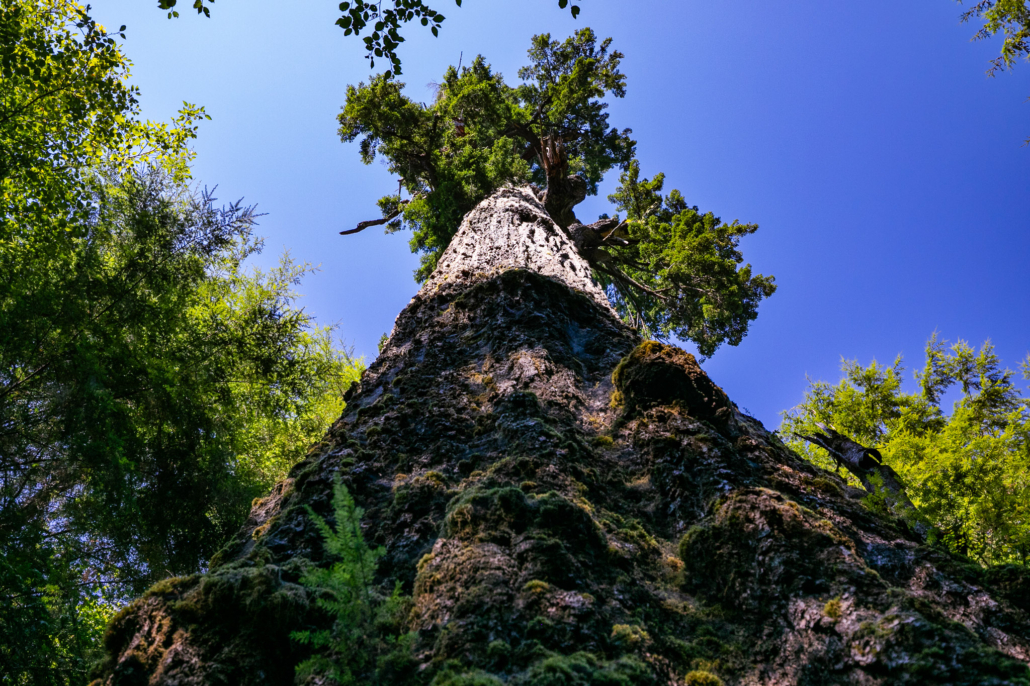
UPDATED: Port Renfrew Big Trees Map
Explore the updated Port Renfrew Big Trees Map with new directions, trails, and routes to iconic giants like Big Lonely Doug, Eden Grove, and more.
https://staging.ancientforestalliance.org/wp-content/uploads/2025/05/13-Red-Creek-Fir.jpg
1365
2048
TJ Watt
https://staging.ancientforestalliance.org/wp-content/uploads/2026/05/Ancient-Forest-Alliance-logo.svg
TJ Watt2026-05-29 15:39:342026-05-29 15:40:49UPDATED: Port Renfrew Big Trees Map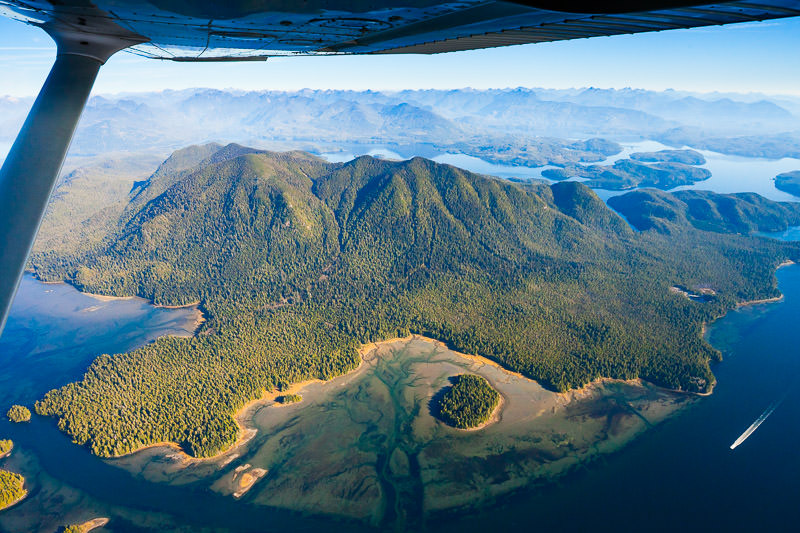
NEW! West Coast Old-Growth Hiking Guide
Explore AFA’s NEW West Coast old-growth hiking guide. From Clayoquot Sound to Port Alberni, there are trails for every skill level!
https://staging.ancientforestalliance.org/wp-content/uploads/2026/05/meares-island-big-tree-trail-tofino-1200px-338.jpg
533
800
TJ Watt
https://staging.ancientforestalliance.org/wp-content/uploads/2026/05/Ancient-Forest-Alliance-logo.svg
TJ Watt2026-05-29 12:06:002026-05-29 15:42:38NEW! West Coast Old-Growth Hiking Guide
Now Hiring: Contract Graphic Designer!
Ancient Forest Alliance is hiring a contract Graphic Designer to help bring our campaigns to life through print and digital materials.
https://staging.ancientforestalliance.org/wp-content/uploads/2026/05/flores-island-wildside-trail-1200px-430.jpg
800
1200
TJ Watt
https://staging.ancientforestalliance.org/wp-content/uploads/2026/05/Ancient-Forest-Alliance-logo.svg
TJ Watt2026-05-22 12:22:292026-05-22 12:22:29Now Hiring: Contract Graphic Designer!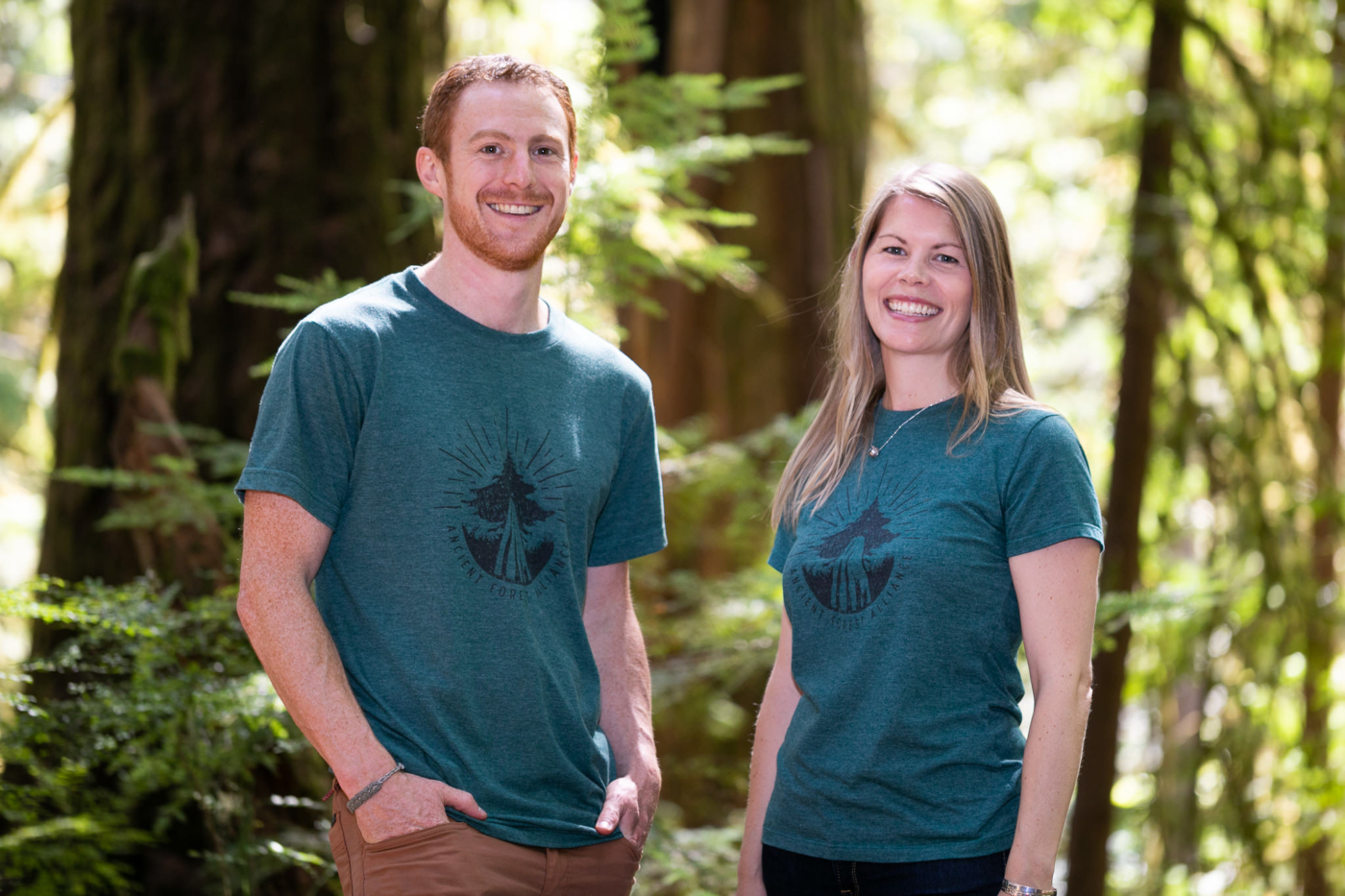
Design AFA’s Next T-Shirt and Help Protect Old-Growth Forests!
Calling all artists! For Earth Month, AFA is launching our first-ever Community T-Shirt Design Contest.
https://staging.ancientforestalliance.org/wp-content/uploads/2026/04/AFA-T-Shirt-Green-Mens-Womens.jpg
1365
2048
TJ Watt
https://staging.ancientforestalliance.org/wp-content/uploads/2026/05/Ancient-Forest-Alliance-logo.svg
TJ Watt2026-05-15 08:13:232026-05-19 09:33:44Design AFA’s Next T-Shirt and Help Protect Old-Growth Forests! Donate
 Send a Message
Conservationists welcome old-growth panel report and positive first steps by BC government to address old-growth crisis
/in Media ReleaseVictoria BC – The Ancient Forest Alliance (AFA) is celebrating the BC government’s announcement today that it will defer logging in nine areas, including world-famous Clayoquot Sound, and protect some of BC’s biggest trees while it works to develop a new provincial approach to old-growth management. But they say much more work urgently needs to be done to protect BC’s at-risk old-growth forests while supporting BC forestry workers and First Nations communities.
The announcement coincides with the long-awaited release of a report, entitled A New Future for Old Forests, by an independent Old Growth Strategic Review panel, comprised of professional foresters Garry Merkel and Al Gorely, which contains 14 recommendations on how BC can better manage its endangered old-growth forests based on feedback gathered from thousands of British Columbians last fall and winter.
In addition to accepting and implementing the panel’s first recommendation to increase First Nations’ involvement in old-growth management, the BC government announced it will immediately defer logging in nine areas totaling almost 353,000 ha of forest across BC – 200,000 ha of which is old-growth.
The temporary deferrals include the entire unlogged McKelvie Valley near Tahsis in Mowachaht/Muchalaht territory on Vancouver Island, the Incomappleux Valley in Ktunaxa territory in BC’s Inland Temperate Rainforest, and over 250,000 ha in Clayoquot Sound, the largest intact area of old-growth forest on Vancouver Island, located in Tla-o-qui-aht, Ahousaht, and Hesquiaht territories.
“This is a positive first step, especially for Clayoquot Sound, which is home to some of BC’s most spectacular ancient forests,” stated Ancient Forest Alliance campaigner Andrea Inness. “Now, the province needs to uphold its commitment to work with First Nations in the region to further the implementation of their visions towards securing a future for their people and the old-growth forests in their territories.”
The province also announced a Special Tree Protection Regulation would be introduced to protect 1,000 to 1,500 of BC’s exceptionally large trees with one-hectare buffer zones around them.
“We welcome the BC government’s decision to protect more of BC’s biggest trees,” stated AFA campaigner and photographer TJ Watt. “We hope to see the Special Tree Protection Regulation expanded to capture additional trees as well as the province’s grandest groves.”
“More importantly, the BC government has signaled that it recognizes that fundamental changes are needed in the way old-growth forests are managed in BC. The panel’s report is a blueprint for a complete paradigm shift. The province now needs to commit to starting a process, based on science, to implement the Old-Growth Strategic Review panel’s recommendations over the three-year timeframe they suggest.”
“The immediate steps announced today are an encouraging start. However, they still leave out the vast majority of BC’s most endangered ecosystem types and highest productivity old-growth stands, which are of the greatest value to industry and species at risk. While the province has committed to working with First Nations leaders to identify and implement additional deferrals, they need to ensure these are located in BC’s highest risk ecosystems.”
According to a recent analysis by independent scientists, referenced in the panel’s report, only 2.7% of BC’s high productivity, big tree old-growth forests remain today and many of BC’s forest ecosystem types have very little old-growth remaining, leading to a high risk of permanent loss of biodiversity across much of BC. One of the panel’s recommendations to the province is to place logging deferrals in ecosystems and landscapes with very little old-growth forest remaining while a new strategy is implemented.
“We need to hear the BC government embrace both reports’ findings, make a strong commitment to put ecosystem health and biodiversity ahead of timber values, and set higher, science-based, legislated targets to protect old-growth forests, which the panel also recommends.”
“We also support the province’s commitment to work with First Nations leaders, governments, and organizations on old-growth management solutions – something the NDP government promised it would do in its 2017 election platform, but has only just begun,” stated Inness. “However, without funding for Indigenous-led land-use planning and sustainable economic alternatives for First Nations communities tied to old-growth protection, the main economic option being provided by the province for First Nations is old-growth logging.”
“A core part of the province’s strategy must include funding for the creation and stewardship of Indigenous Protected and Conserved Areas (IPCAs), First Nations’ sustainable economic development based on things like cultural and ecotourism, clean energy, and value-added wood manufacturing, and the purchase and protection of endangered old-growth forests on private lands.”
The BC government has stated that more work needs to be done to study the socio-economic impacts of the panel’s recommendations. To that end, the province has committed to undertaking an engagement process with conservation groups, stakeholders, labour unions, industry, and communities.
“Where there are socio-economic impacts, there needs to be economic support for First Nations, workers, and forest-dependent communities,” stated Inness. “This includes funding to support the transition to sustainable, second-growth forestry and away from logging old-growth, as recommended by the BC government’s own Select Standing Committee on Finance and Government Services in their Budget 2021 consultation report released last month. Without funding for these critical pieces, comprehensive old-growth protection cannot be achieved.”
“Today’s announcement could signal the start of a positive, new, science-based approach to old-growth management in BC. But it could just as easily signal the start of further delays and long, drawn-out consultation processes with few meaningful results. BC’s endangered ancient forests, communities, and at-risk species can’t afford to wait while the province decides which of the panel’s recommendations to implement and when. They need and expect action now.”
Facts about old-growth in BC:
Source: https://veridianecological.files.wordpress.com/2020/05/bcs-old-growth-forest-report-web.pdf
BC Says Preserving Biodiversity Now Guides Logging Policies
/in News CoverageThe Tyee
September 11, 2020
The province matches its much-anticipated report with new protections. But some ancient forests are still at risk.
B.C. Forests Minister Doug Donaldson today announced the deferral of old-growth logging within more than 350,000 hectares as well as the protection of up to 1,500 giant trees. The move came in response to a highly anticipated report also released today on the management of old-growth forests in the province.
Environmentalists, workers and First Nations representatives applauded the steps but say they leave out some of the most at-risk ancient forests as well as funding for implementation.
The report, titled A New Future for Old Forests, calls for a paradigm shift that prioritizes ecosystem health over the timber supply and acknowledges the many intrinsic values of mature old forests, including biodiversity, clean water, cultural resources, recreation, climate regulation and carbon storage. With the passage of the Declaration on the Rights of Indigenous Peoples Act last fall, Indigenous involvement was listed as the first recommendation.
“Not a single stick of old growth should have left Kwakiutl territory in the last 10 years,” said Kwakiutl Chief Walas Numgwis (David Knox) in a Sierra Club press release responding to the report. “Yet we’ve seen heavy industrial exploitation of the ancient forests and [been] given only crumbs in return. My hope is that we come together to create a better relationship with the forest. The work starts now and we’re ready.”
Donaldson said that the province recognizes the need for a new approach to managing B.C.’s ancient forests. “We know that the status quo is not sustainable,” he said. “Obviously, it’s no good for industry to cut it all down with no plan for transition. And we know that unchecked logging in old growth threatens crucial biodiversity.”
“Over time our understanding of forests and societal values have evolved,” Donaldson added. “We need an approach that brings together western and Indigenous knowledge and science, and one that considers perspectives from across all sectors and stakeholders.”
Nearly three-quarters of the forested land where logging will be paused is in Clayoquot Sound, which has already been phasing out logging since the famous demonstrations of the 1980s and ’90s. The second-largest swath is in the Incomappleux Valley outside Revelstoke.
About 200,000 hectares of the deferral area is believed to be old growth, according to Torrance Coste, national campaign director with the Wilderness Committee. That means less than half of the province’s most valuable old growth — estimated at about 420,000 hectares — is protected.
Old-growth forests are generally defined as those containing trees more than 250 years old on the coast and in the inland temperate rainforest, and more than 140 years old in the Interior.
But not all old-growth forests hold the same biodiversity value, Coste said, and exact boundaries of deferral areas have not been released.
“We need to see that the old growth that they’re deferring actually matters and we need more details around the plan to shift the deferrals to permanent protection,” Coste said. “We need more immediate action. The reality is, even with these deferrals, hundreds of hectares of old growth were logged today. Hundreds of hectares of old growth are going to be logged on Monday.”
Not included in the moratorium are the Central Walbran Valley or the Fairy Creek area of southern Vancouver Island, where blockades have been preventing logging of the intact watersheds and big-tree cedar-hemlock forests.
“The Walbran is one of the most important areas ecologically on the South Island,” Coste said. “The only way they can really show they’re serious is if [the government] keeps expanding, if they keep building on this, and they defer more key areas, so they won’t be lost in the meantime.”
When asked about contentious areas like the Central Walbran and Fairy Creek at a briefing Friday afternoon, Donaldson said managing old-growth forests while maintaining jobs is a challenge that won’t be solved overnight. “An immediate moratorium would be devastating to workers and forest-dependent communities,” he said.
Other areas of concern include the boreal rainforest and inland rainforest near Prince George. The latter is being targeted by the wood pellet industry, said Michelle Connolly, director of the volunteer-run community group Conservation North. A scientific study released in June found that only one per cent of provincial forests still support the largest trees today. The interior wet belt is one area where very little productive forest remains.
“The deferral map inadvertently shows where industrial forest corporations hold the power,” Connolly said. “Every type of old-growth forest in the central interior is at risk. This place is in trouble.”
Leaving the most at-risk areas available for logging in the name of First Nations consultation is disingenuous and removes economic opportunities for all communities, including Indigenous communities, Connolly added.
“Deferring logging of the most at-risk places now keeps options open, while logging those areas removes the options permanently because those forests are never coming back,” she said. “Old-growth forests are not a renewable resource.”
A commitment to work with Indigenous communities was emphasized in Friday’s announcement, but there was no clear answer on how long that will take. Coste points out that First Nations consultation should happen prior to logging, not just when suspending it.
“If you can’t set aside old growth without First Nations’ consent, then you shouldn’t be able to log it without their consent,” he said. “Every forest plan and logging plan in B.C. was set up without Indigenous consent and that doesn’t get delayed.”
One thing missing from today’s announcement was how the province intends to support workers who could be out of a job because of declining old-growth supply. This is especially important on the coast and Vancouver Island, where half of the annual harvest is from old-growth forest, said Gary Fiege, president of the Public and Private Workers of Canada.
The report also lacks clear steps to transition the industry to second growth and added-value processing through actions like retooling mills and halting raw-log exports.
But Fiege commends the government for its commitment to First Nations and its phased approach to implementing the report’s recommendations, which will roll out over 36 months.
“The government is standing on the edge of a knife with competing interests on both sides,” Fiege said. “We have 30 years of old growth left, maybe less with biodiversity needs and the needs of the planet. This is really only a step in a long journey.”
Donaldson said the province will provide a progress report next spring.![[Tyee]](https://thetyee.ca/ui/img/ico_fishie.png)
Read the original article
B.C. moves to end divisive old growth forest policies, protects nine areas
/in News CoverageThe Canadian Press
September 11, 2020
The British Columbia government says it’s taking a new and more all-encompassing approach to protecting the province’s old-growth forests.
Forests Minister Doug Donaldson says the government wants to break from the past _ when forestry decisions led to confrontations _ and fully involve environmental groups, Indigenous leaders, forest companies, labour organizations and communities while working together to protect forests and support jobs.
He says B.C. must do a better job of finding ways to protect forests while saving jobs.Donaldson says the province will immediately defer timber harvesting in nine old-growth areas, totalling almost 3,530 square kilometres.
In July 2019, B.C. announced a panel to conduct an independent strategic review of old-growth forests, which resulted in a report containing 14 recommendations.B.C.’s Wilderness Committee says in a statement the government’s announcement represents a significant opportunity to protect the province’s remaining old-growth forests.
For a link to a map of old–growth areas for immediate development deferral, visit: https://news.gov.bc.ca/files/Old_Growth_No1.pdf
List of old–growth areas for immediate development deferral:
1. Clayoquot Sound: 260,578 hectares. Renowned for its beauty and range of resource values, typical forests of the very wet Coastal Western Hemlock zone, with western hemlock, western red cedar, yellow cedar, balsam, berries, ferns and moss.
2. Crystalline Creek: 9,595 hectares. A tributary of the south fork of the Spillimacheen River, an intact watershed with wetland complexes and old and mature forests.
3. H’Kusam: 1,050 hectares. Prounounced kew-sum, this easily accessible area contains outstanding examples of culturally modified trees and intact stands of old–growth cedar.
4. Incomappleux Valley: 40,194 hectares. Inland rainforest with intact riparian habitats, more than 250 lichen species, lowland forests and old–growth forests estimated to be between 800 and 1,500 years old.
5. McKelvie Creek: 2,231 hectares. Intact valley of old–growth temperate rainforest and intact watershed providing rich wildlife and salmon habitat.
6. Seven Sisters: 4,510 hectares. A complete elevation sequence of forested ecosystems, with a blend of coastal, interior and northern features, habitat for many red- and blue-listed wildlife species.
7. Skagit-Silver Daisy: 5,745 hectares. Largely intact transition forest between coastal and interior types, with species representative of both, including sub-alpine fir, western and mountain hemlock, western red and yellow cedar and Douglas fir, home to wildlife including spotted owls.
8. Stockdale Creek: 11,515 hectares. Old and mature forests in an intact watershed, an important wildlife corridor with high-value grizzly bear habitat.
9. Upper Southgate River: 17,321 hectares. Coastal rainforest providing a rich habitat for wildlife and multiple species of salmon.
This report by The Canadian Press was first published Sept. 11, 2020.
Read the original article