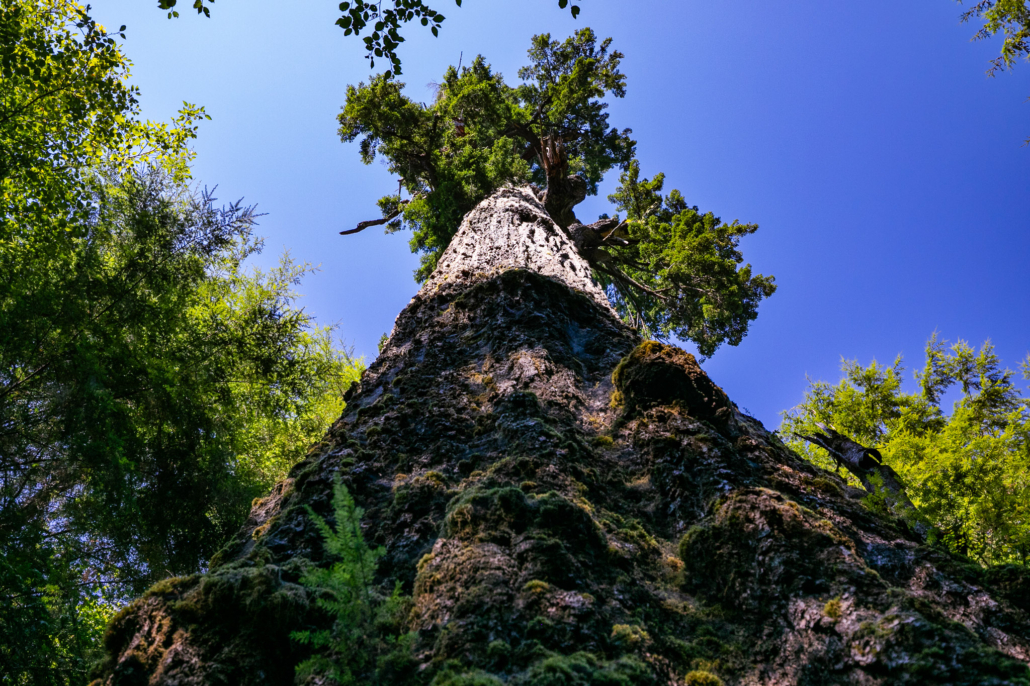
UPDATED: Port Renfrew Big Trees Map
Explore the updated Port Renfrew Big Trees Map with new directions, trails, and routes to iconic giants like Big Lonely Doug, Eden Grove, and more.
https://staging.ancientforestalliance.org/wp-content/uploads/2025/05/13-Red-Creek-Fir.jpg
1365
2048
TJ Watt
https://staging.ancientforestalliance.org/wp-content/uploads/2026/05/Ancient-Forest-Alliance-logo.svg
TJ Watt2026-05-29 15:39:342026-05-29 15:40:49UPDATED: Port Renfrew Big Trees Map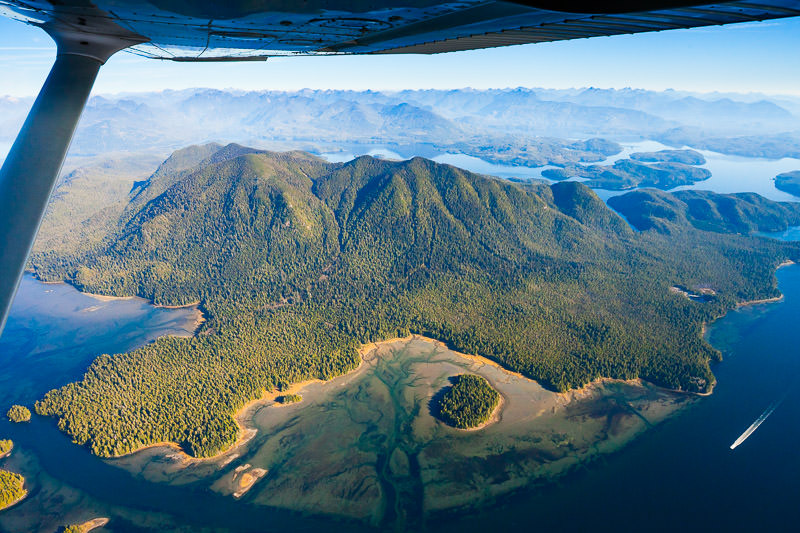
NEW! West Coast Old-Growth Hiking Guide
Explore AFA’s NEW West Coast old-growth hiking guide. From Clayoquot Sound to Port Alberni, there are trails for every skill level!
https://staging.ancientforestalliance.org/wp-content/uploads/2026/05/meares-island-big-tree-trail-tofino-1200px-338.jpg
533
800
TJ Watt
https://staging.ancientforestalliance.org/wp-content/uploads/2026/05/Ancient-Forest-Alliance-logo.svg
TJ Watt2026-05-29 12:06:002026-05-29 15:42:38NEW! West Coast Old-Growth Hiking Guide
Now Hiring: Contract Graphic Designer!
Ancient Forest Alliance is hiring a contract Graphic Designer to help bring our campaigns to life through print and digital materials.
https://staging.ancientforestalliance.org/wp-content/uploads/2026/05/flores-island-wildside-trail-1200px-430.jpg
800
1200
TJ Watt
https://staging.ancientforestalliance.org/wp-content/uploads/2026/05/Ancient-Forest-Alliance-logo.svg
TJ Watt2026-05-22 12:22:292026-05-22 12:22:29Now Hiring: Contract Graphic Designer!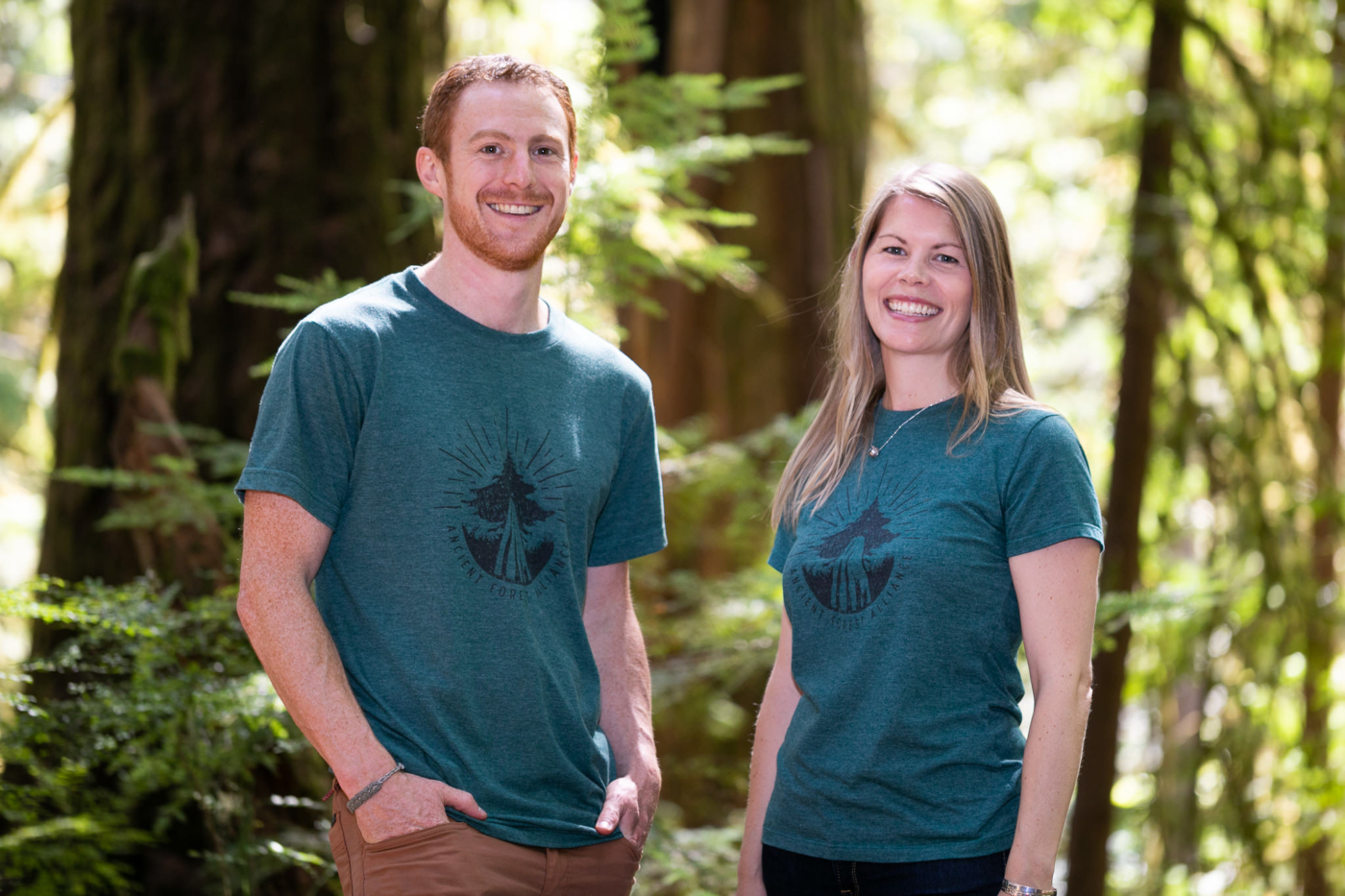
Design AFA’s Next T-Shirt and Help Protect Old-Growth Forests!
Calling all artists! For Earth Month, AFA is launching our first-ever Community T-Shirt Design Contest.
https://staging.ancientforestalliance.org/wp-content/uploads/2026/04/AFA-T-Shirt-Green-Mens-Womens.jpg
1365
2048
TJ Watt
https://staging.ancientforestalliance.org/wp-content/uploads/2026/05/Ancient-Forest-Alliance-logo.svg
TJ Watt2026-05-15 08:13:232026-05-19 09:33:44Design AFA’s Next T-Shirt and Help Protect Old-Growth Forests! Donate
 Send a Message
‘A Garage Sale for the Last Old Growth’
/in News CoverageThe Tyee
May 14, 2021
Two summers ago, Brenda Sayers knelt atop what was left of British Columbia’s likely ninth widest Douglas fir tree. Sayers, a member of the Hupačasath First Nation, has long fought to protect old growth in her territory on the west coast of Vancouver Island.
“The old growth holds a lot of our history,” she said. “That tree must have been 800 years old.”
It had been felled in the Nahmint Valley by companies given the go-ahead by BC Timber Sales, the province’s own logging agency, and the largest tenure holder in the province.
On Wednesday, B.C.’s forestry watchdog found that BC Timber Sales erred when it allowed that tree and the forests surrounding it to be clearcut.
Three years after it was launched, the investigation found that the province wrongly greenlit a plan from BC Timber Sales that failed to protect land-use objectives for biodiversity and old growth protection in the Nahmint River Watershed as set out by the Vancouver Island Land Use Plan.
According to the BC Forest Practices Board report, “gaps” in BC Timber Sales’ planning “occurred over a long period of time and are creating real risks to ecosystems.” It also found that although BC Timber Sales knew about those gaps, it didn’t adequately address them.
The investigation was triggered by a complaint filed by the Ancient Forest Alliance in 2018 after its campaigners and members visited BC Timber Sales cutblocks in the Nahmint along with the Port Alberni Watershed Alliance.
“We witnessed just horrendous logging of some of the finest remaining old growth on Vancouver Island,” said Andrea Inness, forest campaigner for the alliance.
Behind the scenes, the province responded by commissioning two internal investigations on what happened in the Nahmint.
Their conclusions — made visible through a freedom of information request filed by the Ancient Forest Alliance — found that logging in the Nahmint should be halted until the issues were addressed.
Now the board is calling on the province to create a new plan for the Nahmint region with clear targets to protect rare, old growth ecosystems. That includes halting any current or future auctions until that happens.
“We would say you probably shouldn’t be investing in developing those kind of timber sales until this plan is figured out,” says BC Forest Practices Board chair Kevin Kriese.
BC Timber Sales and the province have until Sept. 15 to respond to the recommendations.
Meanwhile, BC Timber Sales continues to auction off cutblocks across the province. On the Island, over 50 per cent of that is considered old growth.
This year, BC Timber Sales plans to auction off over 1,100 hectares of old growth on Vancouver Island. That’s more than half of the land mass of the City of Victoria.
Since 2018, BC Timber Sales’ old growth cutblocks on the Island have been four times as large — over 4,000 hectares.
Last September, the province promised a “paradigm shift” in its approach to managing old growth, agreeing to implement all 14 recommendations from the province’s Old Growth Strategic Review Panel report released last year. It committed to doing that through government-to-government consultation with First Nations.
In an emailed statement to The Tyee, the province acknowledged issues around old growth. “We know, and we’ve said clearly, that the status quo on old growth isn’t acceptable.”
When questioned about BC Timber Sales’ own old growth logging activity on the Island, the province said that the Old Growth Strategic Review Panel “did not say there needs to be a complete halt to old growth logging,” adding that, “it’s important to understand that B.C. forests are among the most well-regulated and sustainably managed in the world.”
Who is BC Timber Sales?
BC Timber Sales was founded by the province in 2003 in an attempt to address a longstanding softwood lumber dispute with the U.S.
Before BC Timber Sales, major companies did most of the logging in the province. They also enjoy financial benefits flowing from their long-term tenures. “They’re essentially rent-controlled,” says Torrance Coste, national campaign director with the Wilderness Committee.
As a result, the U.S. claimed those companies had an unfair advantage. The province responded by taking back one-fifth of their allowable cut and giving it to the newly founded BC Timber Sales, which would operate as a “semi-autonomous” Crown corporation.
Because of its open-bid system, the lumber sold through BC Timber Sales-owned cutblocks are said to reflect the fair market price, which in turn helps the province set the rates for other forest licenses in the province.
BC Timber Sales suggests that the open market system distributes employment to rural communities. In a promotional video, the agency says that “by providing a reliable supply of timber through open and competitive auctions to loggers, wood processors and other forestry businesses, BCTS supports workers in rural communities across B.C.”
As of 2018, its operations supported 8,000 jobs in B.C, providing over $50 million in net revenue per year to the province, and it awarded $140 million in contracts per year to the private sector.
Calls by The Tyee to the Truck Loggers Association and the BC Council of Forest Industries were not answered by press time.
BC Timber Sales blocks come almost ready-made: they do the timber cruising, build the main roads, and make sure their blocks comply with forest policies and regulations. According to the province, “a number of biodiversity, wildlife, cultural and social values correlate to old growth stands and are specifically considered during the planning and development phases.”
But in the Nahmint, the BC Forest Practice Board’s report put that process in question.
The board found that throughout its history, BC Timber Sales sold cutblocks without an adequate forest stewardship plan to tell them how to translate the old growth and biodiversity requirements in the Vancouver Island Land Use Plan to their cutblock planning in the Nahmint. That’s because of a lack of checks and balances within the agency, said Kriese.
“Checking in on land use plans and how they’re being implemented is a weak spot,” he said, adding that oversight is largely “complaint driven.”
“Unless someone raises the issue, there actually isn’t a lot of investigation to see whether that’s being followed or not.”
Even if the agency was following the rules correctly, that would still pose problems for old growth, says Inness. “We can only hold BC Timber Sales and any other logging company accountable to the laws that exist,” she said. “Those laws are extremely outdated, and clearly put timber values well ahead of any other values — like biodiversity.”
That puts the onus on government, says Inness, to legislate rules that put old growth protection front and centre. “That’s why we need those old growth recommendations from the independent panel implemented.”
Ross Muirhead, forest campaigner with Elphinstone Logging Focus, agrees. “They’re part of the hidden levers of government,” says Muirhead, “they’re going to keep going until they’re told — until there’s actual new legislation around how much old growth can be logged or how much old growth should be protected. It’s just business as usual.”
Then there’s the issue of accountability from companies buying BC Timber Sales blocks.
The best way to find out what companies are actually doing on the ground, said Mark Worthing, coastal projects lead for the Sierra Club of BC, is to visit the site itself. That’s also the only way to know which company is actually logging the block.
Companies that buy BC Timber Sales tenures tend to contract logging out to smaller operations. Sometimes those operators re-contract the job out again.
Worthing points to a picture of a BC Timber Sales cutblock with a sign nailed to a tree. The logging company’s name and phone number is written down in black Sharpie.
“They’re wholesale auctioning out stuff off to contractors who have very limited liability,” says Worthing. “They’re basically like a garage sale for the last old growth.”
Rare ecosystems on the cutting block
The Tsitika and Nahmint valleys are home to some of the island’s largest remaining tracts of unprotected, old growth forest on the island — they’re also hotspots for BC Timber Sales cutblocks.
These forests are extremely rare, according to a recent study by Karen Price, Dave Daust and Rachel Holt, who found that only one per cent consists of the big tree ecosystems that often come to mind when we hear about old growth.
“When it comes to BC Timber Sales, they are often located in the last remaining highest productivity, high biodiversity sites,” said Andrea Inness, campaigner with the Ancient Forest Alliance.
The Nahmint is a prime example. After Clayoquot Sound, the Nahmint is one of the largest tracts of old growth remaining on Vancouver Island. It’s home to endangered species like the marbled murrelet, whose habitat depends on old growth.
“It’s very devastating to see the amount of trees being taken down,” said Brenda Sayers. “There is no regard for wildlife.”
BC Timber Sales is planning to auction off 212.6 hectares in the Nahmint region this year — a marked increase from its rolling average of 56 hectares per year in the region since the agency began. In the coming years, the agency has over 600 hectares of old growth in the Nahmint mapped out for logging.
According to the BC Forest Practices Board report, those sales and planning processes should be halted immediately until a new plan is in place.
BC Timber Sales’ operations in the Nahmint throws its operations across the province into question, says TJ Watt, campaigner for the Ancient Forest Alliance.
“If we caught that there, what’s going on in other places as well?”
This year, BC Timber Sales is auctioning off four old growth blocks consisting of over 190 hectares in the Tsitika valley.
The Tsitika, located between Ma’a̱mtagila and Tlowitsis territories, was once the lesser-known site of old growth blockades in the 1990s. The province established the Lower Tsitika River provincial park in response, protecting about 10 per cent of the area adjacent to the coast and Robson Bight.
“The big, gut-wrenching trade-off was that it meant that they weren’t able to protect the upper Tsitika,” said Worthing. “So what we’re seeing now is the consequences of that.”
“They’re taking out the guts and feathers of the valley,” says Muirhead, who has been tracking BC Timber Sales activities on Vancouver Island. “They’re just taking everything. The valley bottom is gone, it looks like 50 per cent of the mid elevation is gone, and now they’re going higher up the slopes.”
The region is home to all five species of Pacific salmon whose spawning beds require consistent water flows and temperatures — both of which are impacted by logging. “We’re seeing less and less return and that’s a direct impact of logging — all the runoff goes into the creek,” said Seneca Ambers, spokesperson for the Ma’a̱mtagila First Nation.
“We’re the salmon people. We live off the salmon year-round — or we used to,” says Ambers, whose family now receives only one or two salmon for the year.
Among the proposed blocks in the region, Tsitika Main, a 35-hectare clearcut to be auctioned off this July, nudges up against a stream that flows into the Tsitika River.
The Tsitika and the surrounding forests are also rich in culturally modified cedars. These trees are landmarks for traditional territory, says artist and hereditary Ma’a̱mtagila Chief Rande Cook (Makwala), but he’s seen BC Timber Sales cutblocks where these trees were felled. “To wipe these trees out, and to cut us down in the process, officially removes the Indigenous people from those territories for good.”
Consultation versus consent
BC Timber Sales consults with Indigenous Nations before logging occurs in their territories. “A primary objective is to work towards reconciliation with Indigenous peoples,” said the province in an emailed statement, adding that BC Timber Sales integrates the Declaration on the Rights of Indigenous Peoples Act into its planning decisions.
But Sayers said those commitments are falling short.
In 2018, the Hupačasath band council released an open letter calling for the B.C. government to extinguish all approved old growth cutblocks in the Nahmint Valley. The province committed to entering into talks with the Nation, but BC Timber Sales’ cutblocks continued to be sold in the territory.
The same year, the BC Assembly of First Nations passed a motion calling for BC Timber Sales to be dissolved, and its tenure lands redistributed to First Nations.
“I’ve always said that reconciliation begins on the land,” said Sayers. “Until companies like BC Timber Sales and federal and provincial policy support First Nations and their right to protect the land, they can call it whatever they want on these websites. To me, it’s just talking out of both sides of their mouth.”
The Hupačasath First Nation were not available to respond to The Tyee’s request for comment at press time, and the Tseshaht First Nation did not respond to our request.
BC Timber Sales does not consult with the The Ma’a̱mtagila hereditary chiefs whose territory that includes the Tsitika, Naka Creek and Schmidt Creek regions. That’s because government accepted a resolution proposed by the Tlowitsis band administration that functionally erased the Ma’a̱mtagila claim to their territories in the eyes of the province, said Ambers. “We ended up not having any voice in any of the decisions being made.”
The Ma’a̱mtagila Nation is currently working to reassert their title through the courts.
Instead, the province confirmed that BC Timber Sales consults with the Tlowitsis First Nation through the Nanwakolas Council, which represents five Nations in the region and does not include the hereditary chiefs of the Ma’a̱mtagila.
Ambers says BC Timber Sales is shirking its responsibility to consult with the Nation. “It’s just a blatant disregard for that complexity and a disregard for the Ma’a̱mtagila people” she said.
Cook said BC Timber Sales should put old growth logging in the Tsitika region on hold until title issues are resolved.
“Industry never stops,” he said. “It’s like, okay, let us spend a year figuring this out and taking it into court. But in a year, you could have areas completely wiped out from logging.”
Dallas Smith, board president of the Nanwakolas Council, oversees BC Timber Sales referrals for the Tsitika region.
Smith said he is concerned about old growth in the region, but revenue from old growth logging continues to be an important source of funding for the council’s member Nations.
“We still need to keep harvesting in these areas,” he said. “BC Timber Sales is a vehicle that does that because they’re the biggest tenure holder in the area.
“But there has to be room in there to find that balance,” said Smith, referencing the need to protect some of the region’s old growth forests.
Amidst government’s promises of a new era of growth protection, Smith said he’s noticed industry ramping up its logging activity in the region.
The council has a 30 to 60-day window to provide feedback on referrals from BC Timber Sales, and they’re struggling to keep up. “We can make sure we’re putting as much lipstick on the pig as we can on their bad plans. But now we’re seeing these bad plans come a little quicker and sooner.”
“Our message to the province is going to be you know what, no more of these bad plans. You need to sit down with us. And we need to figure this out. We can’t keep kicking the can down the road on this issue.”
For Smith, that also means slowing down or stopping the rate of cut until a plan can be established. “We can’t let that talk-and-log happen anymore.”
For Ambers, the problem with BC Timber Sales’ approach with Indigenous Nations lies in the difference between consultation and consent.
“Consultation just means that you’ve asked for their opinions,” said Ambers. “Consent implies that you’re asking for permission and that you’re honouring it if somebody says no.”
If BC Timber Sales began to use a consent-based model, Ambers thinks the practices of BC Timber Sales would need to change. “A lot of our Nations don’t consent to the total wipeout of our forests.”
‘This is the low-hanging fruit’
Torrance Coste thinks that as a crown corporation, BC Timber Sales could model the paradigm shift on old growth the province has committed to.
“It’s like — this is the low-hanging fruit, you guys,” said Coste. “You could write a directive that says, hey, however much old growth you laid out this year, lay out half next year, and then half the year after that.”
Inness agrees. “They’ve promised big, big, big things,” she said, pointing to the province’s commitments to halt logging in at-risk areas within six months and to develop a strategy to transition to the second growth sector in a year.
With those deadlines looming, Inness says the province is shirking its opportunity to use BC Timber Sales as a vehicle for change.
“Instead of championing conservation and forestry solutions that support communities, they’re using BC Timber Sales to continue to destroy rare ecosystems,” she said. “It’s more than a missed opportunity. It’s willful ignorance on the B.C. government’s part.”![[Tyee]](safari-reader://thetyee.ca/ui/img/ico_fishie.png)
Read more: Labour + Industry, BC Politics, EnvironmentIf you made it this far, you’re either engaged or skipping to the comments…
… either way, you’re the kind of Tyee community member we want to engage in return.
You see, The Tyee is a reader-supported publication, meaning we rely on regular monthly contributions from supporters that we call Tyee Builders to pay our writers fairly while at the same time keeping our articles free and open for everyone to read.
This is not your typical newspaper subscription. In fact, it’s not a subscription at all. Tyee Builders have the same access to our articles as anyone else. We’re not asking you to buy anything, we’re asking you to invest in a growing independent news source that is publishing in-depth, original articles every single weekday.
In return, we seek your opinion in supporter surveys so we can understand what you want to read about. We give you a behind-the-scenes view of the team that makes The Tyee. And you get our unending gratitude and love for helping us continue to grow.
If you want to help The Tyee grow our independent newsroom and do even more impactful journalism, please join Tyee Builders today. You choose the amount you give, and you can cancel at any time.
Read the original article here.
Systemic errors in managing Nahmint’s old growth, says B.C. watchdog
/in News CoverageHa-Shilth-Sa
May 13, 2021
B.C.’s forestry watchdog has released a report critical of logging practices in the Nahmint valley, pointing to inconsistencies in protecting the area’s old growth forest.
On Wednesday, May 12 the Forest Practices Board released its findings, nearly three years after a complaint from the Ancient Forest Alliance sparked the investigation into old-growth logging in the valley. The independent watchdog found that forestry management standards set by the government were not met in how the Nahmint was handled by BC Timber Sales, a provincial agency responsible for auctioning off Crown land for harvesting.
Covering nearly 20,000 hectares south of Sproat Lake, the Nahmint Valley lies within Nuu-chah-nulth territory, containing old growth forest that includes some of the largest Western red cedar and Douglas fir trees in British Columbia. According to the Vancouver Island Land Use Plan Higher Level Plan Order, the Nahmint is designated as a special Management Zone. The valley is also considered one of the five “high biodiversity landscape units” in the Vancouver Island plan, a designation that sets particularly high levels of conservation for an unprotected forest.
But the forest stewardship plan that BC Timber Sales has been operating under does not adequately protect the Nahmint according to this designation, said Kevin Kriese, chair of the Forest Practices Board.
“BCTS’s FSP did not meet the legal objective, and it should not have been approved,” he said. “We looked at the remaining forest in the watershed and found there are some ecosystems that could be at risk if more logging takes place in them.”
After a 2019 field trip to the Nahmint with the Ancient Forest Alliance, plus dozens of interviews with regional experts and government staff, the Forest Practices Board uncovered a series of systemic errors in how the valley was managed by B.C. Timber Sales.
“What we found was that the district manager made an error in approving this forest stewardship plan, even though it was not consistent with the government objectives,” said Kriese.
He noted that the necessary level of site-specific planning was never done, even though the Vancouver Island Land Use Plan prioritized the Nahmint for such a detailed assessment.
“More detailed landscape unit planning was supposed to provide clear direction on how much and where to conserve old and mature forest, but that planning was never completed,” said Kriese. “BCTS was left with a complicated set of legal objectives to interpret, and we found it missed important details that are required to manage for biodiversity in the Nahmint.”
The investigation began when the Ancient Forest Alliance discovered enormous trees that were recently cut in the valley, including a few with dimensions comparable to stands listed on the BC Big Tree Registry, a public archive of the province’s largest examples of different species. A disturbed bear den was also discovered inside one of the logged old growth trees, raising concern that forestry practices in the Nahmint were below provincial standards for the area.
“With the Forest Practices Board’s investigation now complete, the evidence is irrefutable: BC Timber Sales are failing to adequately protect old-growth in the Nahmint Valley,” stated Ancient Forest Alliance campaigner Andrea Inness. “This failure exposes the gross inadequacies and lack of accountability that are inherent in BC’s forest system and the need for immediate, systemic change.”
But while the watchdog found that provincial standards weren’t met in Nahmint, logging can continue in the valley with no legal ramifications. This is due to gaps in the Forest and Range Practices Act, a legislative issue that made actions to protect the old growth forest by the Compliance and Enforcement Branch futile.
“It later asked BCTS to bring itself into compliance by amending the forest stewardship plan. BCTS stated at the time it was not required to comply with the higher-level plan order because it had an approved FSP,” explained Kriese of the failure in enforcement. “It closed the file and referred to the file to the Forest Practices Board.”
The FPB has recommended that the province conduct landscape unit planning, and to not sell any more timber in Nahmint’s “high risk ecosystems” until a more specific assessment of the area is conducted. An answer from the Ministry of Forests is expected by Sept. 15.
In an emailed response to Ha-Shilth-Sa, the ministry did not say logging will cease in the Nahmint’s high risk areas. But some measures are being taken.
“[T]he ministry if updating the Nahmint Landscape Unit Plan, adjusting Old Growth Management Areas to better capture rare and underrepresented ecosystems and biodiversity targets at the landscape level,” wrote a ministry spokesperson. “The updated Landscape Unit Plan will come into effect soon, ensuring biodiversity protection across the range of ecosystems in the Nahmint.”
Meanwhile, softwood lumber prices have reached records highs, with some species tripling in value since the beginning of the pandemic. These economic factors with undoubtably put demands on the old-growth trees within the Nahmint valley, where an average of 56 hectares have been harvested a year by BCTS since 2003, while another 22 hectares is typically cut annually by the Tseshaht First Nation under its current five-year license.
Read the original article
B.C. forestry watchdog finds lack of compliance in Nahmint logging
/in News CoverageAlberni Valley News
May 13, 2021
Forest Practices Board says old growth and biodiversity near Port Alberni are at risk
Ancient Forest Alliance campaigner Andrea Inness walks beside an enormous western red cedar stump in a BCTS-issued cutblock in the Nahmint Valley. (PHOTO COURTESY TJ WATT)
A British Columbia forestry watchdog has found that old growth and biodiversity near Port Alberni are at risk.
The report comes three years after the Ancient Forest Alliance submitted a complaint to the Forest Practices Board about timber harvesting in the Nahmint River Watershed. The board has determined that BC Timber Sales failed to comply with land-use objectives for biodiversity protection in the Nahmint Valley.
Now, the board says the Ministry of Forests, Lands, Natural Resource Operations and Rural Development needs to find a way to make sure this lack of compliance doesn’t happen again.
The Nahmint, located about 20 kilometres southwest of Port Alberni, is designated as a special management zone for its high biodiversity and wildlife, with some of the largest tracts of remaining old-growth forests on Vancouver Island outside of Clayoquot Sound.
The Ancient Forest Alliance was concerned in 2018 that BC Timber Sales was harvesting large, old-growth trees, overriding its own protective order and the area’s special status.
Kevin Kriese, chair of the Forest Practices Board, said that the board took a look at BC Timber Sales’ forest stewardship plan and determined that its management of old forest was not compliant with government objectives.
“The harvesting and the issues around old forest have been going on for a while,” he said in a media presentation on Wednesday, May 12.
In addition, board staff examined the remaining forest in the watershed and found that there was not adequate old forest remaining in some ecosystems. BC Timber Sales’ forest stewardship plan does not have a strategy to protect these ecosystems—meaning that there are some ecosystems that could be at risk if more logging takes place in them.
“There is a risk…that these actually could be harvested,” said Kriese.
After a complaint from the Ancient Forest Alliance in 2018, the ministry’s compliance and enforcement branch started an investigation that ultimately determined BC Timber Sales was not compliant with government objectives. However, the compliance and enforcement branch also determined that it was not able to take enforcement action under the current legal framework, so it closed the file and referred it to the Forest Practices Board.
“That’s an oversight and that’s a gap,” said Kriese. “The current legal framework does not permit government to ensure that forest stewardship plans approved in error can be amended, and this does not give the public confidence in government’s compliance and enforcement. We are recommending government fix this gap in the legislation.”
The report ultimately found “a number of issues” with government objectives for B.C.’s forests, including the Nahmint River Watershed.
“The Board is concerned that actions are needed now to ensure biodiversity, and old forests in particular, are being adequately protected as forestry activities proceed in this watershed,” the report states. “Ultimately, the responsibility for the gaps in the planning and approval processes rests with the Ministry of Forests, Lands, Natural Resource Operations and Rural Development.”
The report recommends that the ministry complete landscape unit planning for Nahmint and that BC Timber Sales amend its forest stewardship plan to achieve the legal objectives. It also recommends that BC Timber Sales ensures it does not sell any timber sales in these high-risk ecosystems until a landscape unit plan is completed.
The final recommendation from the report asks the ministry to identify a mechanism that will allow forest stewardship plans to be corrected if they are out of compliance.
In light of the board’s findings, the Ancient Forest Alliance is calling on the B.C. government to direct BC Timber Sales to immediately stop auctioning off cutblocks in old-growth forests and instead champion conservation solutions and sustainable second-growth harvesting practices.
“With the Forest Practices Board’s investigation now complete, the evidence is irrefutable,” said Ancient Forest Alliance campaigner Andrea Inness in a press release. “BC Timber Sales are failing to adequately protect old-growth in the Nahmint Valley. This failure exposes the gross inadequacies and lack of accountability that are inherent in B.C.’s forest system and the need for immediate, systemic change.”
The full report can be found on the Forest Practices Board’s website at www.bcfpb.ca. The board is requesting a response from BC Timber Sales and the ministry by Sept. 15, 2021.
A spokesperson for the Ministry of Forests, Lands, Natural Resource Operations and Rural Development says that BC Timber Sales is addressing the board’s recommendations in its operations, and that the ministry is updating Nahmint’s landscape unit plan.
“The board’s independent reports are an important check on forest practices in B.C. and highlight areas where we can improve. We take seriously the board’s recommendations and observations.”
Read the original article