UPDATED: Port Renfrew Big Trees Map
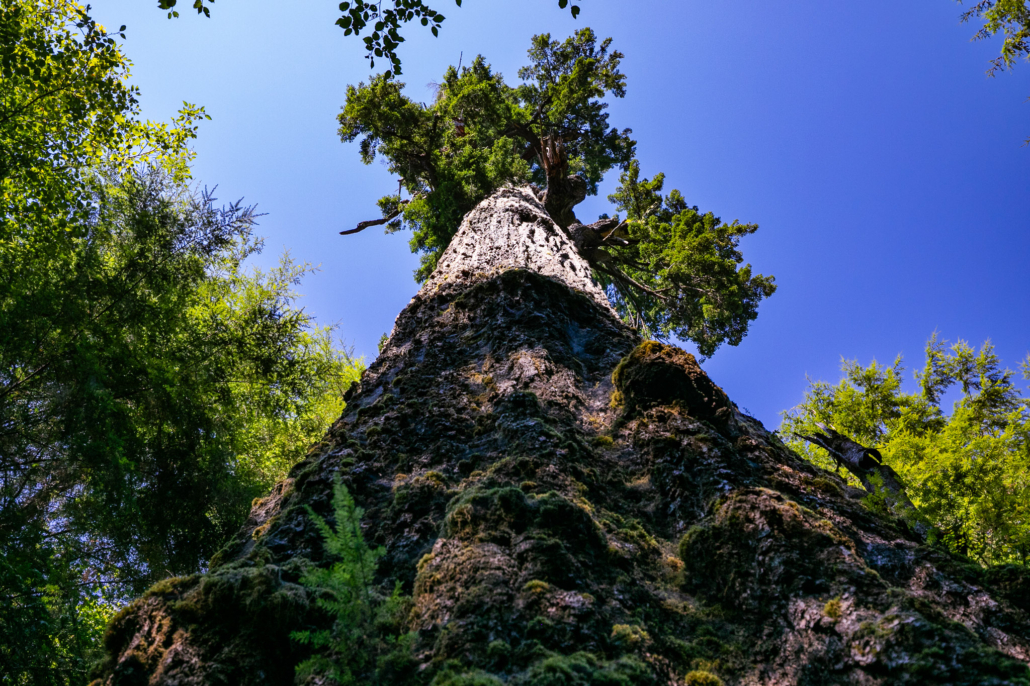
Explore the updated Port Renfrew Big Trees Map with new directions, trails, and routes to iconic giants like Big Lonely Doug, Eden Grove, and more.
https://staging.ancientforestalliance.org/wp-content/uploads/2025/05/13-Red-Creek-Fir.jpg
1365
2048
TJ Watt
https://staging.ancientforestalliance.org/wp-content/uploads/2026/05/Ancient-Forest-Alliance-logo.svg
TJ Watt2026-05-29 15:39:342026-05-29 15:40:49UPDATED: Port Renfrew Big Trees Map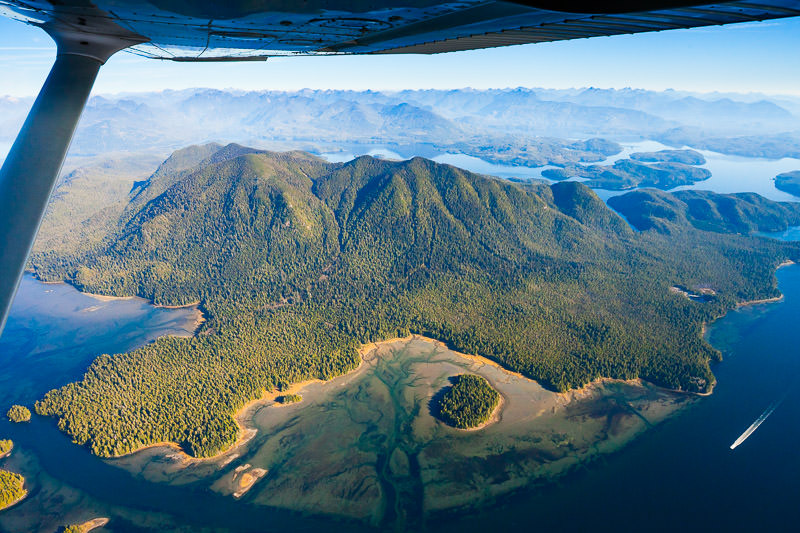
NEW! West Coast Old-Growth Hiking Guide
Explore AFA’s NEW West Coast old-growth hiking guide. From Clayoquot Sound to Port Alberni, there are trails for every skill level!
https://staging.ancientforestalliance.org/wp-content/uploads/2026/05/meares-island-big-tree-trail-tofino-1200px-338.jpg
533
800
TJ Watt
https://staging.ancientforestalliance.org/wp-content/uploads/2026/05/Ancient-Forest-Alliance-logo.svg
TJ Watt2026-05-29 12:06:002026-05-29 15:42:38NEW! West Coast Old-Growth Hiking Guide
Now Hiring: Contract Graphic Designer!
Ancient Forest Alliance is hiring a contract Graphic Designer to help bring our campaigns to life through print and digital materials.
https://staging.ancientforestalliance.org/wp-content/uploads/2026/05/flores-island-wildside-trail-1200px-430.jpg
800
1200
TJ Watt
https://staging.ancientforestalliance.org/wp-content/uploads/2026/05/Ancient-Forest-Alliance-logo.svg
TJ Watt2026-05-22 12:22:292026-05-22 12:22:29Now Hiring: Contract Graphic Designer!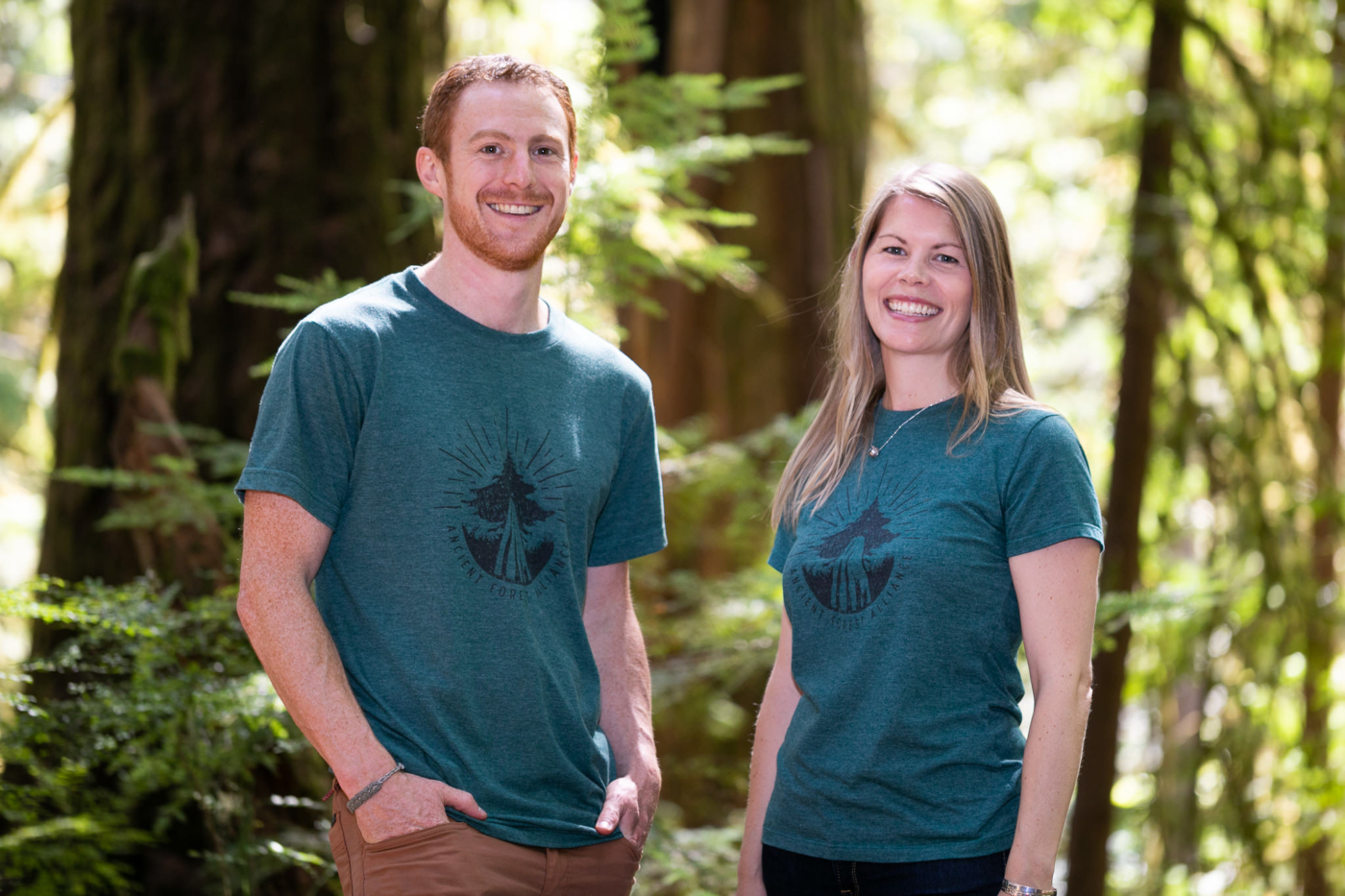
Design AFA’s Next T-Shirt and Help Protect Old-Growth Forests!
Calling all artists! For Earth Month, AFA is launching our first-ever Community T-Shirt Design Contest.
https://staging.ancientforestalliance.org/wp-content/uploads/2026/04/AFA-T-Shirt-Green-Mens-Womens.jpg
1365
2048
TJ Watt
https://staging.ancientforestalliance.org/wp-content/uploads/2026/05/Ancient-Forest-Alliance-logo.svg
TJ Watt2026-05-15 08:13:232026-05-19 09:33:44Design AFA’s Next T-Shirt and Help Protect Old-Growth Forests! Donate
 Send a Message
Comment: B.C. NDP must keep its old-growth promises
/in News CoverageTimes Colonist
May 28, 2021
A commentary by a retired forest ecologist and retired professional forester and professional biologist.
When a province’s motto is invoked ironically, it may be time to reconsider that motto.
British Columbia’s provincial motto is Splendor sine occasu, a Latin phrase usually translated as “Splendour without diminishment.” Narrowly defined, it was intended to refer to the sun on the provincial shield that “although setting, never decreases.”
But the “splendour” applies equally well to the entire province. B.C. has more topography than any other province or territory — more mountain ranges, more coastlines. It has more climatic zones, more ecosystems and species than anywhere else in Canada. Or perhaps anywhere else in the world at temperate latitudes.
And that “splendour” — B.C.’s natural heritage — has been greatly diminished by our activities. This applies to our oceans and our freshwater as well, but today I’d like to focus on B.C.’s old-growth forests.about:blank
More than 80 per cent of B.C. is covered with forest — we are truly a forested province. There are more types of forest in B.C. than anywhere else in Canada, from our northern boreal forests to our coastal rainforests. For thousands of years, these forests have provided the essentials of life for B.C.’s First Nations. And they’ve provided habitat for our province’s plants, animals and fungi.
But today, we find our rich forest endowment greatly diminished. B.C. logs considerably more forest each year than any other province.
Except where we’ve built large cities, however, we haven’t deforested our province. We’ve simply clearcut our original (old-growth) forests, and regenerated second-growth forests.
But these second-growth forests are profoundly different from the forests that were logged, in just about any way you can imagine. They are different structurally and functionally, and they provide little in the way of habitat for the many species that have adapted over millennia to life in old-growth forests.
And so perhaps it’s not surprising that B.C. leads Canada in another category — we have more threatened and endangered species than any other province or territory.
One area that B.C. doesn’t lead Canada is in protecting old-growth forests and species at risk. We remain one of the few provinces without endangered species legislation.
For old-growth forests with very big old trees, only about three per cent (about 35,000 hectares) remains today outside of protected areas. That’s certainly splendour diminished.
The NDP government’s Old Growth Panel called for a deferral on logging on the most at-risk old-growth forests within six months of publication of its report.
It has been more than a year now, a year during which the rate of old-growth logging has accelerated considerably. The NDP government promised endangered species legislation for our province, but has subsequently changed their mind.
While independent scientists (using provincial government inventory data) have clearly documented and mapped how little high-productivity old-growth forest remains, the provincial government and industry continue to assure us that there is lots left, and they’re developing a plan.
Talk and log. There’s an urgency to this issue — every week fewer of these iconic forests remain.
Fortunately, more and more people are rejecting the “relax, we’re on it” message of the provincial government and industry.
Instead, they’re listening to what independent scientists are saying, or they’re paying attention to what air photos and satellite images are making abundantly clear. Or perhaps they simply appreciate what they see when they drive the backroads of our province.
For old-growth forests and species at risk, there is no objective on-the-ground difference between Christy Clark’s B.C. Liberals and John Horgan’s NDP. They share the same legislation and policies.
Perhaps the biggest difference is that the NDP promised to be a champion for forests and species, and the Liberals never did. That certainly makes the inaction of the NDP seem all the more appallingly cynical.
Activists frustrated at the inaction of our provincial government are beginning to take direct nonviolent action at roadblocks in Fairy Creek and elsewhere.
B.C.’s natural splendour is certainly diminished. But there are clear opportunities for our governments to protect some of what’s left.
For old-growth forests, the recommendations of the government’s own Old Growth Panel report provide an excellent path forward.
The NDP have promised to implement these recommendations. Now, all that’s required is the political will to keep their promises.
Read the original article
Ottawa dollars can save B.C.’s old-growth forests
/in News CoverageNational Observer
May 27, 2021
Conservationists want B.C. to wield federal dollars to save the province’s ancient temperate rainforests. Photo courtesy of the Endangered Ecosystem Alliance
A coalition of conservationists is urging the B.C. government to use federal funds to end the province’s new war in the woods on Vancouver Island, protect old-growth forest and establish targets for endangered ecosystems.
Ken Wu, executive director of the Endangered Ecosystems Alliance, said Premier John Horgan should capitalize on federal funding and align with national and international initiatives to set targets to protect vital land and marine areas.
“It’s a game-changing plan,” Wu told the National Observer.
“Because the province can employ federal money to save these areas if Horgan chooses to do it.”
The B.C. government should adopt Canada’s protected areas targets, and preserve at least 25 per cent of its vital land and marine ecosystems by 2025, and 30 per cent by 2030, said Wu.
Currently, 15 per cent of B.C.’s land area is falls into legislated protected areas, compared to 13 per cent nationally, the alliance said.
The rest of the world is working aggressively to expand protected at-risk ecosystems, and B.C. should follow suit and protect its most valuable ancient forests at the same time, Wu said, particularly as the province boasts the greatest ecological diversity in the country.
B.C.’s participation is critical for Canada to meet its own national and international protected areas commitments, he added.
“Will B.C. join the North American leadership movement to solve the intertwined climate and biodiversity crisis or get left behind as an anti-environmental conservation laggard?” Wu asked.
A total of $3.3 billion to protect land and seas has been set aside by Ottawa in the latest budget, Wu said, adding $2.3 billion is dedicated to terrestrial areas.
B.C.’s part of the funding pie would likely range between $200 and $300 million, which would go a long way to protecting the province’s most valuable ancient forests.
The federal funding comes at a critical time for B.C., conservationist Vicky Husband, renowned B.C. conservationist awarded both the Order of Canada and the Order of B.C. for her work to protect old-growth over 40 years.
“Right now the B.C. government is being pressured by deeply concerned citizens across (the province) and beyond for an immediate moratorium on old growth logging of the last remaining most bio-diverse forests,” Husband said in a press statement.
“This pressure for change also includes support for First Nations who want to protect critical old growth forests in their territory.”
It’s vital B.C. dedicate a significant chunk of the funding to Indigenous Protected Areas, First Nations land use plans, and the acquisition of private lands for protection, the Alliance said.
Also, the province should support B.C. communities dependent on forestry revenue by providing financing for First Nations sustainable economic development linked to newly protected areas, incentives and regulations to grow a value-added, second-growth forest industry, and provide a just transition for B.C. old-growth forestry workers.
While federal funding won’t save all of B.C.’s old-growth, it could protect areas of concern and help end blockades and protests such as those currently underway on southern Vancouver Island and the Fairy Creek watershed, said TJ Watt, a campaigner with the Ancient Forest Alliance.
“The B.C. NDP government has just been handed the keys to ensure much of the grandest, most endangered old-growth forests in B.C. get protected,” said Watt in a press statement.
“Will they keep the door shut or let the solution in?”
Rochelle Baker / Local Journalism Initiative / Canada’s National Observer
Read the original article
‘We don’t have time’: scientists urge B.C. to immediately defer logging in key old-growth forests amid arrests
/in News CoverageThe Narwhal
May 19, 2021
One year after an independent panel recommended the province immediately halt logging in B.C’s rarest forests, no meaningful deferrals have been implemented
B.C.’s rarest forest ecosystems are rapidly disappearing and if the province doesn’t act immediately to defer logging in key areas, as recommended by the 2020 Old Growth Strategic Review, they will be lost forever, according to a report released Wednesday by a team of independent scientists.
The analysis of B.C.’s remaining old growth forests and mapping tools aims to help the province meet the recommendations of the old-growth panel.
While the map was designed to flag forests that meet the criteria for deferral rather than note specific at-risk locations, the authors noted it includes places like the Nahmint River watershed and Fairy Creek on Vancouver Island, currently a hot spot of protest and near where the RCMP began making arrests on Tuesday as part of its enforcement of an injunction. The map also identifies unharvested old-growth in the Babine watershed near Smithers and rare cedar hemlock old-growth near Nelson as top-priority areas for logging deferrals.
The new analysis takes its lead from the independent strategic review commissioned by the province, which outlined criteria to determine which forests are of the highest value and most at-risk, and clarifies which areas should be immediately protected. The review recommended the province defer development in old forests with a high risk of irreversible biodiversity loss.
“It’s been a year since that report went to the government and there have been no meaningful deferrals since that time,” Rachel Holt, forest ecologist and one of the authors of the report, told The Narwhal in an interview. “We waited for the government to map what the panel recommended and there’s been no action — so we decided to just do it.”
While the province implemented deferrals last year that ostensibly protected 353,000 hectares of forest, closer inspection revealed how the numbers were skewed to include already protected areas and 157,000 hectares of second-growth forests open to logging. The province subsequently adjusted its numbers to reflect the inclusion of second-growth.
The new analysis identifies about 1.3 million hectares of at-risk forests across the province, which is about 2.6 per cent of B.C.’s timber supply. According to the analysis, the actual area that requires logging deferrals will be much smaller and the province has the tools to put any planned cutblocks and road building on hold while it works with First Nations and other stakeholders to develop land use plans.
“Following the old-growth strategic review panel’s direction, [the province] should take that map and overlay it with planned cut blocks and defer harvest in those areas until the planning is done,” Holt said.
Old-growth review recommended a ‘paradigm shift’ in how B.C. manages its forests
The strategic review highlighted the urgent need to stop looking at B.C.’s forests as timber supply and start prioritizing Indigenous Rights and ecological and cultural values. It acknowledged this transition won’t happen overnight but noted the urgent need to put the brakes on logging the rarest trees while creating a new strategy.
The first step is to figure out which forests need to be saved, which is where Holt and her colleagues come in.
“Our map represents the key criteria that the old-growth panel outlined for immediate logging deferrals, including the tallest, largest forests, plus rare and ancient forest,” Dave Daust, forester, modeler and project lead, said in a press release.
“With this blueprint, the province can act immediately to ensure any existing or planned logging in these areas is put on hold while it pursues a government-to-government approach for forest management that puts Indigenous rights and interests, ecological values and community resilience ahead of timber volume.”
Holt explained that the data and maps were created based on current provincial information, but said there are gaps that will need to be addressed.
“There will be places on the ground that aren’t on the map. They should be added, like known cultural areas or known high-value areas that for some reason don’t show up,” she said, adding that there may also be areas that have already been logged.
Scientists say there is no time to ‘talk and log’
In his 2020 election campaign, Premier John Horgan committed to implementing the panel’s recommendations.
“We will act on all 14 recommendations and work with Indigenous leaders and organizations, industry, labour and environmental organizations on the steps that will take us there,” he wrote.
But Holt said the province isn’t acting fast enough.
“There isn’t time to talk and log and try to create perfect maps,” she said. “Nothing is perfect, but we need to move forward.”
As The Narwhal recently reported, very little remains of B.C.’s old-growth forests. Holt, Daust and ecologist Karen Price calculated that just 415,000 hectares of productive old-growth forest remains in the province. Productive old-growth supports numerous endangered and threatened species, including caribou and northern goshawk.
As to whether the province will use the map to implement meaningful deferrals, the Ministry of Forests, Lands, Natural Resource Operations and Rural Development told The Narwhal in an emailed statement it is committed to protecting B.C.’s ancient forests for future generations.
“We know there is a lot more work to do. That’s why this government commissioned an independent panel to advise us on how we could do better when it comes to protecting old forests. Now, our government is working on next steps — which includes important engagement with Indigenous peoples, environmental advocates and forest-dependent communities around identifying additional deferral areas.”
Holt emphasized that the stakes couldn’t be higher.
“We are losing biodiversity and we’re losing carbon storage,” she said. “Old large tree ecosystems hold a phenomenal carbon store. We don’t have time to plant trees and wait 100 years.”
Read the original article