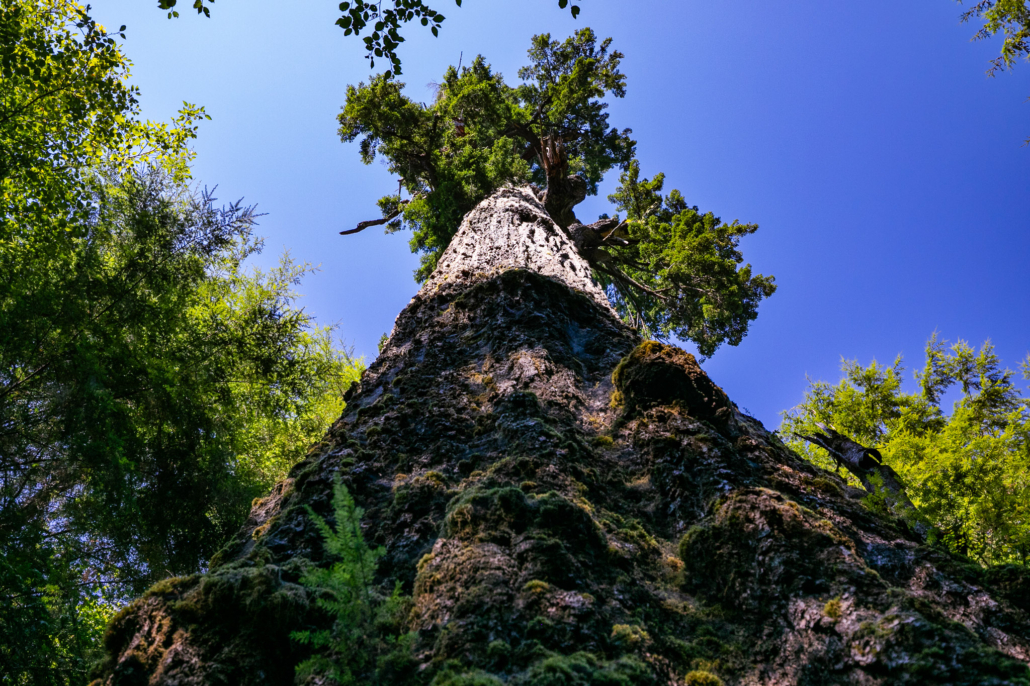
UPDATED: Port Renfrew Big Trees Map
Explore the updated Port Renfrew Big Trees Map with new directions, trails, and routes to iconic giants like Big Lonely Doug, Eden Grove, and more.
https://staging.ancientforestalliance.org/wp-content/uploads/2025/05/13-Red-Creek-Fir.jpg
1365
2048
TJ Watt
https://staging.ancientforestalliance.org/wp-content/uploads/2026/05/Ancient-Forest-Alliance-logo.svg
TJ Watt2026-05-29 15:39:342026-05-29 15:40:49UPDATED: Port Renfrew Big Trees Map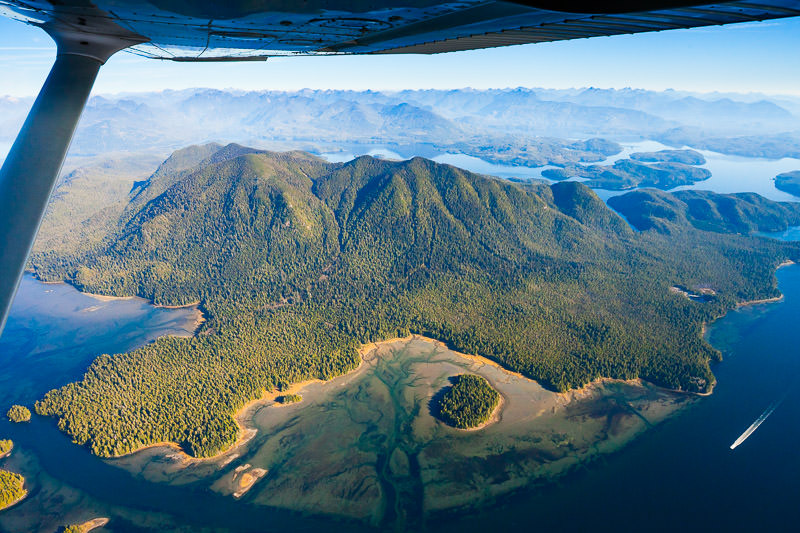
NEW! West Coast Old-Growth Hiking Guide
Explore AFA’s NEW West Coast old-growth hiking guide. From Clayoquot Sound to Port Alberni, there are trails for every skill level!
https://staging.ancientforestalliance.org/wp-content/uploads/2026/05/meares-island-big-tree-trail-tofino-1200px-338.jpg
533
800
TJ Watt
https://staging.ancientforestalliance.org/wp-content/uploads/2026/05/Ancient-Forest-Alliance-logo.svg
TJ Watt2026-05-29 12:06:002026-05-29 15:42:38NEW! West Coast Old-Growth Hiking Guide
Now Hiring: Contract Graphic Designer!
Ancient Forest Alliance is hiring a contract Graphic Designer to help bring our campaigns to life through print and digital materials.
https://staging.ancientforestalliance.org/wp-content/uploads/2026/05/flores-island-wildside-trail-1200px-430.jpg
800
1200
TJ Watt
https://staging.ancientforestalliance.org/wp-content/uploads/2026/05/Ancient-Forest-Alliance-logo.svg
TJ Watt2026-05-22 12:22:292026-05-22 12:22:29Now Hiring: Contract Graphic Designer!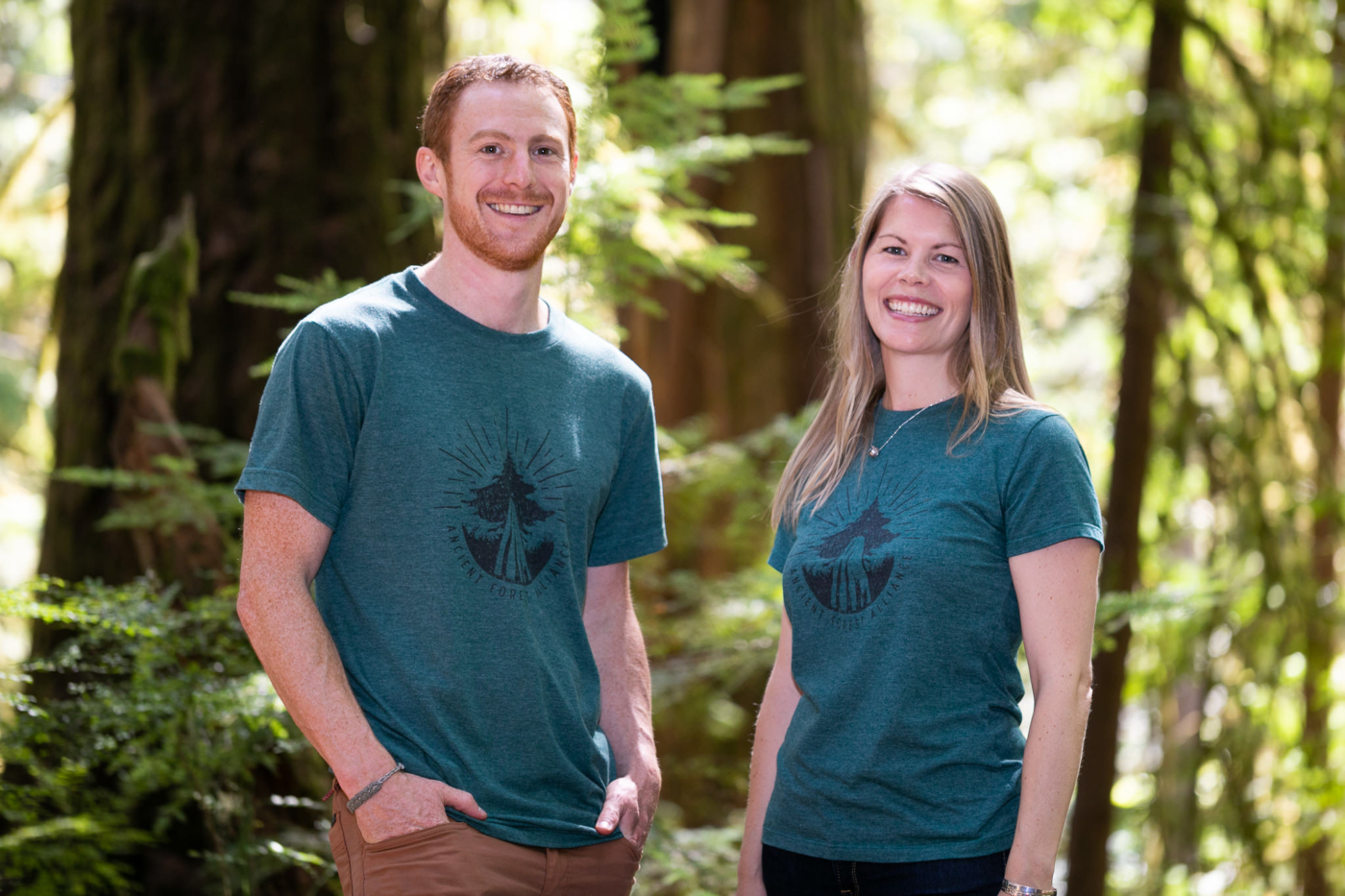
Design AFA’s Next T-Shirt and Help Protect Old-Growth Forests!
Calling all artists! For Earth Month, AFA is launching our first-ever Community T-Shirt Design Contest.
https://staging.ancientforestalliance.org/wp-content/uploads/2026/04/AFA-T-Shirt-Green-Mens-Womens.jpg
1365
2048
TJ Watt
https://staging.ancientforestalliance.org/wp-content/uploads/2026/05/Ancient-Forest-Alliance-logo.svg
TJ Watt2026-05-15 08:13:232026-05-19 09:33:44Design AFA’s Next T-Shirt and Help Protect Old-Growth Forests! Donate
 Send a Message
NOW HIRING: Victoria Canvassers!
/in EmploymentAncient Forest Alliance is hiring enthusiastic and self-motivated Door Canvassers to support our campaign through outreach and fundraising in Victoria, BC.
Apply via our application form here, or email Victoria Canvass Director, Nadia at canvass@ancientforestalliance.org.
Our door-to-door canvassers are a daily driver behind our campaign. Utilizing their exceptional people skills and passion for old-growth forests, canvassers are essential to growing our campaign by educating and engaging diverse communities and raising funds and awareness to protect these precious old-growth ecosystems and ensure a transition to a sustainable, second-growth forest industry. You will gain valuable career-building experience while honing your grassroots communications, outreach, and fundraising skills.
Details
This position is great for those seeking a flexible schedule, such as post-secondary students, as canvassing hours are typically Monday–Thursday, 4–8:30 pm, with optional weekends.
Earn a competitive, living wage with performance-based incentives while working with fun, supportive, like-minded environmentalists.
No experience necessary, but people skills are a plus!
Apply now: Application form here. Or email Nadia in Victoria: canvass@ancientforestalliance.org.
About Ancient Forest Alliance:
The Ancient Forest Alliance (AFA) is a registered non-profit organization focused on old-growth forest protection and ensuring a transition to a sustainable, value-added second-growth industry. Founded in 2010, AFA has quickly become BC’s main organization working toward province-wide legislation to end the logging of endangered old-growth forests.
Built on grassroots outreach and fundraising, we rely on stellar fundraisers to sustain our campaigns, and have a strong track record of success. Face-to-face connections with thousands of people are essential for strengthening the old-growth protection movement. Door-to-door canvassing has played an integral role in building our support base and continues to be an important source of donations.
Ancient Forest Alliance provides equal opportunities to all employees and applicants and welcomes diverse, conservation-minded members of our community to apply.
Apply directly through our application form, or contact Nadia at canvass@ancientforestalliance.org.
In Photos: AFA & EEA Field Day at Mossome Grove
/in Photo GalleryThe enchanting Mossome Grove (short for “mossy and awesome”) continues to live up to its name! ??
Located near Port Renfrew in Pacheedaht territory, this lowland old-growth forest is home to an array of wildlife, including Roosevelt elk, black-tailed deer, black bears, wolves, and cougars — yet remains largely unprotected today.
At this time of year, the grove offers a vibrant contrast to the often grey scenes of winter, with ancient Sitka spruce and bigleaf maples draped in lush green moss and ferns!
These cool, rain-soaked months create ideal conditions for moss and ferns to flourish, especially in the moist shade of intact old-growth forests.
Here on the BC coast, bigleaf maples in particular can harbour enormous amounts of moss on their branches thanks to their calcium-rich bark — one of five key minerals that moss needs to grow.
Check out the gallery below for photos from a recent field day with AFA and EEA!
? To help protect magnificent old-growth forests like this across BC, send an instant message to the BC government today!
Thank You to our Incredible Business Supporters!
/in Thank YouOur community never ceases to inspire us! Supporters are finding all kinds of creative ways to help protect endangered old-growth forests in BC — from contributing art-sale proceeds, participating in our matching fundraiser, offering foundation support, and everything in between! Every effort makes a difference!
Thank you to:
Your contributions are instrumental in keeping this work moving forward! If you’re part of a business or foundation that shares our vision and would like to get involved, we’d love to hear from you. All business donations are tax-deductible. Contact us at info@ancientforestalliance.org or (250) 896-4007 to learn how you can support our efforts.