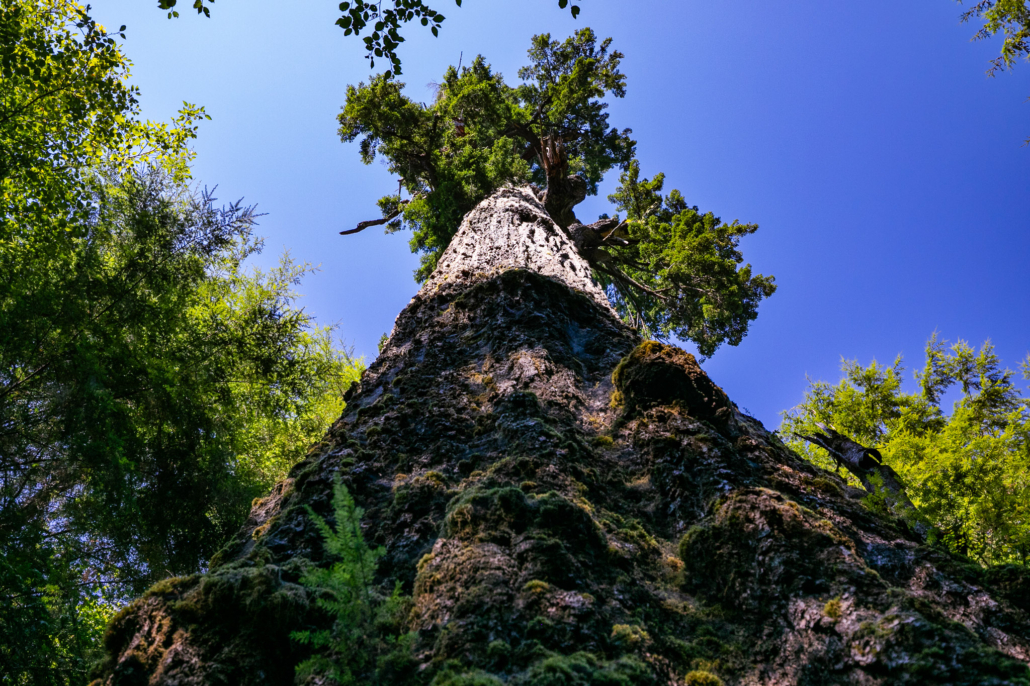
UPDATED: Port Renfrew Big Trees Map
Explore the updated Port Renfrew Big Trees Map with new directions, trails, and routes to iconic giants like Big Lonely Doug, Eden Grove, and more.
https://staging.ancientforestalliance.org/wp-content/uploads/2025/05/13-Red-Creek-Fir.jpg
1365
2048
TJ Watt
https://staging.ancientforestalliance.org/wp-content/uploads/2026/05/Ancient-Forest-Alliance-logo.svg
TJ Watt2026-05-29 15:39:342026-05-29 15:40:49UPDATED: Port Renfrew Big Trees Map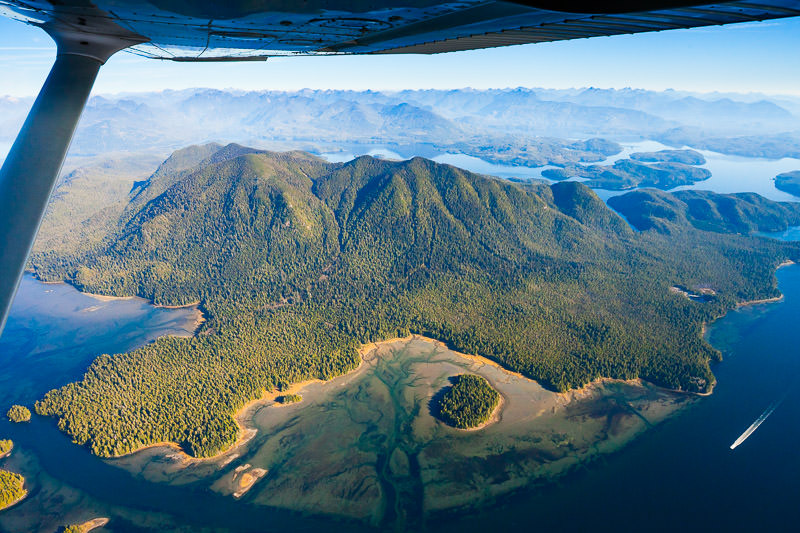
NEW! West Coast Old-Growth Hiking Guide
Explore AFA’s NEW West Coast old-growth hiking guide. From Clayoquot Sound to Port Alberni, there are trails for every skill level!
https://staging.ancientforestalliance.org/wp-content/uploads/2026/05/meares-island-big-tree-trail-tofino-1200px-338.jpg
533
800
TJ Watt
https://staging.ancientforestalliance.org/wp-content/uploads/2026/05/Ancient-Forest-Alliance-logo.svg
TJ Watt2026-05-29 12:06:002026-05-29 15:42:38NEW! West Coast Old-Growth Hiking Guide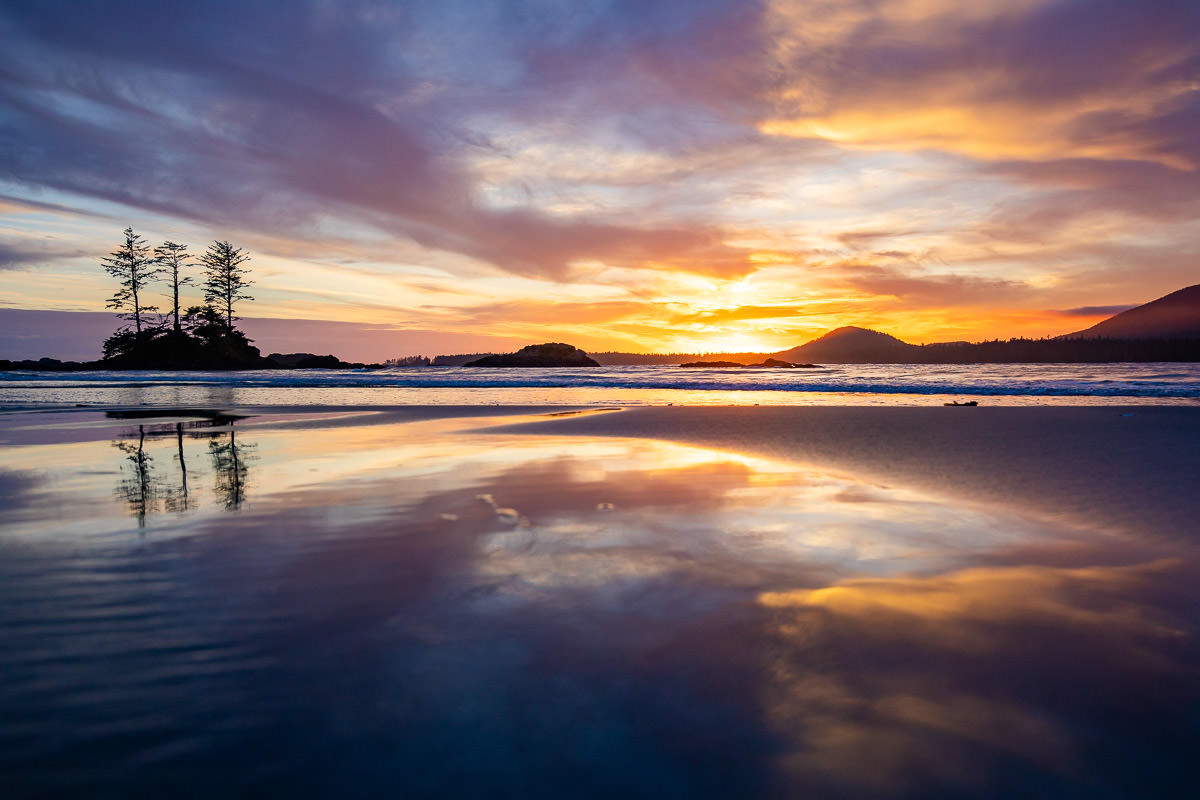
Now Hiring: Contract Graphic Designer!
Ancient Forest Alliance is hiring a contract Graphic Designer to help bring our campaigns to life through print and digital materials.
https://staging.ancientforestalliance.org/wp-content/uploads/2026/05/flores-island-wildside-trail-1200px-430.jpg
800
1200
TJ Watt
https://staging.ancientforestalliance.org/wp-content/uploads/2026/05/Ancient-Forest-Alliance-logo.svg
TJ Watt2026-05-22 12:22:292026-05-22 12:22:29Now Hiring: Contract Graphic Designer!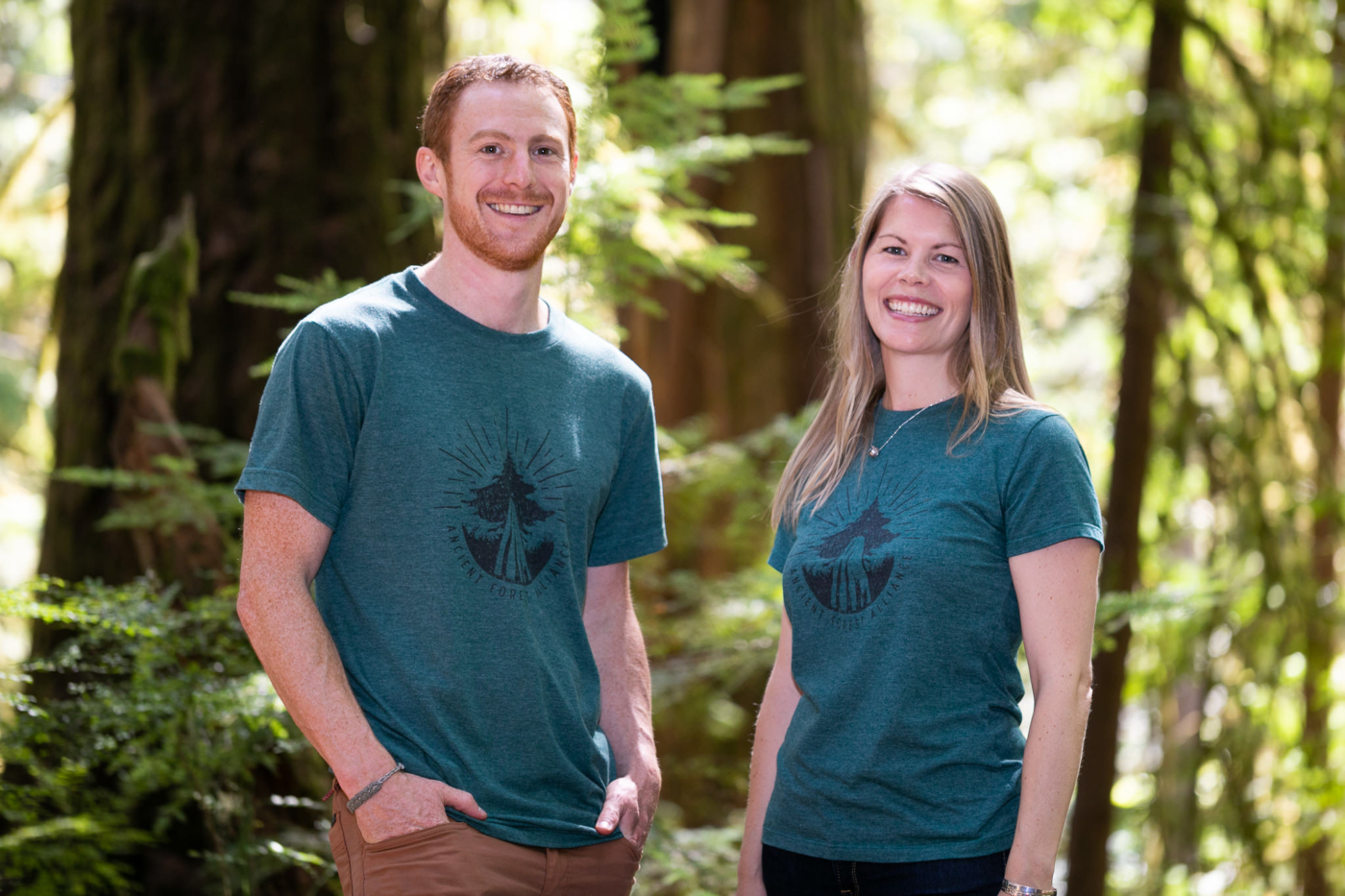
Design AFA’s Next T-Shirt and Help Protect Old-Growth Forests!
Calling all artists! For Earth Month, AFA is launching our first-ever Community T-Shirt Design Contest.
https://staging.ancientforestalliance.org/wp-content/uploads/2026/04/AFA-T-Shirt-Green-Mens-Womens.jpg
1365
2048
TJ Watt
https://staging.ancientforestalliance.org/wp-content/uploads/2026/05/Ancient-Forest-Alliance-logo.svg
TJ Watt2026-05-15 08:13:232026-05-19 09:33:44Design AFA’s Next T-Shirt and Help Protect Old-Growth Forests! Donate
 Send a Message
Federal Liberals and NDP make election promises to help fund protection of old-growth forests
/in AnnouncementsOn August 21st, 2021, the federal Liberal Party made an election commitment to establish a $50 million BC Old Growth Nature Fund and develop a nature agreement with the province of British Columbia to protect more of BC’s old-growth forests and expand protected areas.
The Liberals’ $50 million pledge is part of the $2.3 billion allocated in this year’s federal budget to expand protected areas across Canada over the next five years, which, among other programs, includes $340 million for Indigenous Protected Areas and Guardians Programs and $377 million for the protection of endangered species habitats.
Two days later, while on the campaign trail, federal NDP leader Jagmeet Singh pledged $500 million toward Indigenous-led stewardship programs to protect Canada’s lands, waters, and forests – including old-growth.
These funding commitments come at a critical time, as the last remnants of at-risk ancient forest continue to be liquidated across BC, British Columbians grow increasingly outraged by the lack of government action to protect at-risk forest ecosystems, and as police enforcement of Teal Jones’s injunction at the Fairy Creek blockades in Pacheedaht territory on Vancouver Island becomes increasingly violent.
For years, the AFA, the environmental community, scientists, First Nations leaders including the Union of BC Indian Chiefs, and the BC and federal Green Parties have been calling for significant funding to support First Nations-led old-growth conservation in BC, help communities and workers transition away from destructive old-growth logging, and create sustainable, conservation-based economies.
While it’s unknown at this stage how much of the NDP’s promised $500 million will go to protecting old-growth forests in BC, the Liberals’ $50 million commitment doesn’t go far enough.
But these funding pledges represent a start, which must be leveraged to access more federal funding from the incoming Canadian government, and must be matched – and exceeded – by the BC government, philanthropists, and the private sector to create approximately $600 million for old-growth protection.
Specifically, this funding must go to supporting:
The Ancient Forest Alliance is calling on the BC NDP to commit significant provincial funds in order to deliver on their promise to implement the Old Growth Panel’s 14 recommendations before it’s too late for remaining at-risk old-growth.
All eyes are on BC Premier John Horgan – especially now that the federal NDP is stepping up to the plate with potential funding – to see whether he’ll keep his old-growth promises or condemn BC’s remaining ancient forest ecosystems to the chainsaw.
Photos: Lower Caycuse River
/in Photo GalleryThese ‘before’ photos were captured last week in the Lower Caycuse River in Ditidaht territory. Teal-Jones has plans to log 31 hectares of mature and old forest, virtually the last remaining unlogged remnants along the river.
Scattered throughout this forest are ancient, giant western redcedar and Sitka spruce trees slated for destruction if the pending cutblock applications are approved by the BC NDP. Despite promising a paradigm shift to protect endangered old-growth forests, the BC government is still delaying action, defending the status quo, and have failed to commit any substantial funding to support First Nations-led old-growth conservation.
Send a message to BC government decision-makers now to demand swift action to save these forests before it’s too late.
The Ancient Tree Hunter
/in News CoveragePatagonia
July 23, 2021
As the old-growth logging crisis heats up in Canada, a photographer goes searching for trees to save them.
TJ Watt stands on a 12-foot-wide stump, a former old-growth Western red cedar, overlooking a recent clear cut in the Caycuse watershed on southern Vancouver Island. Photo: Jeremy Koreski
There are no trails in the old-growth coastal temperate rainforests of Canada’s southern Vancouver Island. As I follow TJ Watt through another grabby thicket of stink currant, I offer silent thanks that I’m not the one lugging the camera equipment. We plough through underbrush, wade across streams, climb over moss-covered boulders and fallen logs, and circumvent the trunks of massive trees. It takes us an hour to gain a single kilometer.
Watt moves with the dogged determination of a hunter. He doesn’t seem to tire. His purpose is to locate groves of old-growth trees—giants the size of grain silos that are hundreds or even thousands of years old—and photograph them in order to rally people to their defense through his nonprofit, Ancient Forest Alliance (AFA). He’s been building conservation campaigns this way for over a decade, nearly one-third of his life, but the stakes have suddenly gone up.
The latest science shows that old-growth coastal temperate rainforests are among the world’s best natural defenses against global warming, absorbing and storing even more carbon from the atmosphere than the Amazon tropical rainforest in South America. Yet logging companies in British Columbia continue to harvest old-growth trees, with no signs of stopping. Depending on the species, trees from this region will be turned into a variety of building materials ranging from airplane-frame components to roof shingles. Others will be made into furniture, cabinets and interior woodwork. Some will be sent to specialty mills to create components for musical instruments, like guitar soundboards. On southern Vancouver Island where Watt lives and works, 96 percent of the productive old-growth forests along the valley bottoms—where the largest trees grow—have already been logged. “Big trees are big money for the logging industry, but at a high cost to the environment,” Watt says.
In some ways, Watt is a relative newcomer to old-growth conservation efforts in British Columbia. In the ’90s, Vancouver Island was famously the epicenter of the “War in the Woods,” where mass civil disobedience arrests eventually led to the protection of Clayoquot Sound on the island’s west coast. In the last few months, hundreds of protestors have amassed at Fairy Creek in what is quickly becoming the biggest act of civil disobedience over logging in decades. Watt is taking a different approach to save these last groves: building support among diverse demographics and creating a clear, photogenic message that can ripple through the media. His vision is for the British Columbia government to implement science-based legislation that protects endangered old-growth forests across the province.
“You can’t win this one grove at a time” he says. “It has to be bigger.”
Watt didn’t know what an old-growth forest was until the age of 20. His father was among the first cold-water surfers on southern Vancouver Island, and Watt spent his youth watching waves and entering local skateboarding competitions. “I’m sure I’d seen old growth by that point in my life but just didn’t understand what I was looking at,” Watt says.
In 2005, he signed up for a public outing to the Walbran Valley, home to Canada’s most majestic red cedar forests, that was organized by the Wilderness Committee’s Victoria office. The trip opened his eyes to the grandeur of trees and their plight. “There were all these rivers and beautiful waterfalls and trees probably 16 feet in diameter, 4 or 5 meters wide,” Watt recalls, switching between metric and Imperial measurements in typical Canadian fashion. “To learn that they were at risk of being cut down just totally shocked me.”
Watt’s interest in photography started in high school when he began borrowing his mom’s camera. After graduation, he spent three months backpacking and photographing his way through Southeast Asia but wasn’t sure how to make a career out of it. He ended up back in his hometown working for his dad building houses. Once Watt started taking photos for the Wilderness Committee, he was inspired to enroll at the Western Academy of Photography. He completed the program in 2007.
Ken Wu, then the executive director of the Wilderness Committee’s Victoria office, remembers the day Watt walked into his office and volunteered to take photos. “He was this skateboarding hippie with dreadlocks down to his waist,” Wu recalls. “I looked through his photos and thought, yeah these are pretty good.” Wu initially sent Watt to photograph environmental demonstrations in the city, but it was soon clear that Watt’s skills and interests were stronger in the wild. “He has a tremendous sense of balance, which is really important out there—old-growth forests are among the most rugged landscapes in the world,” Wu says. Wu hired Watt on contract to explore old-growth groves and take photos for marketing materials and press releases. The two men would go on, in 2010, to cofound a new environmental nonprofit, Ancient Forest Alliance, devoted to protecting Vancouver Island’s old-growth forests.
“It just was a perfect fit,” says Watt. “I loved adventure, and I loved the outdoors. And maybe because I came from a skateboarding background the jumping around through the forest part felt like a fun game.”
“That’s a nurse log,” Watt says, pointing out a fallen tree with new saplings starting to grow out of it. I stop, marveling at how much old-growth trees give back to the ecosystem even in death. We’re traipsing through Avatar Grove, a stand of highly photogenic red cedar and Douglas fir that Watt first came across while tree hunting in Pacheedaht territory, in the Gordon River Valley not far from the hamlet of Port Renfrew. In 2012, he worked with the Port Renfrew Chamber of Commerce to save these 50 hectares (about 124 acres) from being logged. AFA rallied volunteers to build boardwalks and viewing platforms for the trees, and in a stroke of marketing genius, they nicknamed the site Avatar Grove after the blockbuster film. Soon after, in the same region, Watt encountered a 230-foot-tall Douglas fir with a 39-foot circumference—the second-largest Douglas fir tree in Canada—standing alone in a recent clear-cut. Watt’s photos of “Big Lonely Doug” were heartbreaking and effective. Following countless news stories, Canadian journalist Harley Rustad wrote a book, Big Lonely Doug: The Story of One of Canada’s Last Great Trees, in 2018. The BC Ministry of Forests, Lands, Natural Resource Operations and Rural Development enacted permanent protection for the tree and 53 others identified by the University of British Columbia’s BC Big Tree Registry.
Port Renfrew, a former logging town, rebranded itself as Canada’s Tall Tree Capital. The results are encouraging. In non-pandemic years, local hotels and B and Bs reported a surge in demand between 75 and 100 percent each year since 2012. New businesses are opening and thriving, like Wild Renfrew, an ecotourism resort and outfitter, and Pacheedaht Pit Stop, the town’s first gas station in two decades. In a place where clear-cutting was once the only means of economic growth, residents now recognize that old-growth trees can provide just as much, if not more, value as part of a tourism-based economy. “When you cut down an old-growth tree, it’s a one-time payout,” Watt says as we climb stairs built into a fern-covered slope to reach the viewing platform for what’s called Canada’s gnarliest tree. “But this,” he says, gesturing toward the whimsical tree, a nearly 200-foot-tall cedar with big knotty burls covering its trunk, “this can provide a sustainable economy for the town indefinitely.”
As affirming as AFA’s early success with Avatar Grove was for Watt, it was also sobering. The feat took two years of nonstop effort for Watt and Wu, who led dozens of hikes to the site and generated hundereds of news articles calling for its protection—plus what Watt calls “a heroic effort” by the Port Renfrew Chamber of Commerce and local business leaders. “It would be impossible to replicate this for every place,” Watt says as we walk back to his van. “This is one grove out of thousands that are being cut across the province at any given time. It just happened to be one we were able to showcase.”
On a sunny summer day in 2020, Watt sits at his computer at the AFA office, a modest window-lined room in the Central Building in downtown Victoria. Through iMapBC, the government’s free web-mapping application, Watt can access publicly available geographic data like pending cut blocks, active cut blocks and protected Old Growth Management Areas (places such as Avatar Grove). The application enables him to overlay the data onto satellite images, providing Watt the same bird’s-eye view as the logging industry.
We’re looking at a zoomed-in section of southern Vancouver Island’s Nahmint Valley, near the small town of Port Alberni. Watt’s been analyzing satellite images for so long that he can tell the type of forest by the shape and contour of the treetops. Second growth has a lighter green coloring and appears uniform, almost like a lawn. Old growth is darker green, scruffy and rough, with conical shapes and dark shadows that Watt says indicate the tops of very tall, very old trees. “Anything outlined in green is a planned BC Timber Sales cut block,” he says as he scrolls around on the map so I can see the two dozen or so planned cut blocks marring the valley. “If you put them all together, we’re talking more than 600 football fields of old-growth trees that are intended to be logged.”
Watt first visited the cut blocks of Nahmint Valley in 2018, to photograph the old-growth logging in progress. His photos went viral. One of them, of his colleague Andrea standing on a patio-sized cedar stump with its massive trunk lying on the ground behind her, appeared in Reddit’s World News section. The photo, with the headline, “Canada’s Largest Trees Cut Down in Nahmint Valley,” ran alongside stories on Brexit and President Trump.
The public outcry was fierce, a crescendo to the momentum the AFA had been building for years. Around the same time, the BC Chamber of Commerce (representing 36,000 businesses) called on the provincial government to improve old-growth protection for the purpose of tourism, using Port Renfrew as an example. In response, the government of British Columbia appointed an independent panel to undertake public engagement on old growth and provide a report to the Minister of Forests, Lands, Natural Resource Operations and Rural Development. The report was expected to drastically alter the way British Columbia manages old-growth trees.
Watt pulls up a link to the 72-page report, “A New Future for Old Forests,” published on April 30, 2020. One of the panel’s 14 recommendations is to immediately defer development (translation: logging) in old-growth forests until the province can improve the way it manages them. Watt hopes the report will end the logging of endangered old growth in British Columbia once and for all—the top-down protection he’s been fighting for. “It’s no longer just environmentalists calling for this change,” he says. “It includes all kinds of non-traditional allies. It’s businesses and unions and scientists and faith groups and outdoor recreationalists.”
But a year later, Watt, Wu and all those who’d hoped for positive change are still waiting. The BC government, despite claiming full commitment to implementing all 14 of the report’s recommendations, is moving at what Watt calls “a snail’s pace.” Meanwhile, industrial logging continues to clear-cut old growth on Vancouver Island and beyond. Which means Watt is still out there with his camera.
Watt knows that Canada will lose many of the groves he photographed—no matter how ancient or charismatic the trees. Logging is just too profitable for the forestry industry, and without a new business model or government support, there’s little incentive for them to change. Ten years in, Watt says it doesn’t get any easier. He recently returned to a favorite find in the Caycuse River watershed—a monumental stand of red cedars likely 1,000-years-old—to find the entire forest clear-cut. The experience was devastating. “Once they’re gone, they’re gone,” Watt says. “Second-growth forests are logged every 50 to 80 years, never to become old growth again.” Intellectually, he knows his role isn’t to save every tree—it’s to give voice to the trees and use his photography to motivate people to get and pressure elected officials to enact greater protection for old-growth forests. That’s ultimately Watt’s (and AFA’s) goal: science-based legislation that protects old growth from the top down and a shift to a sustainable, value added second-growth forest industry instead. But emotionally, it’s tough. “I think for somebody whose greatest love is old-growth trees and forests, I have the best job in the world and the worst job in the world,” Watt says.
When we last spoke, on June 2, 2021, he was fresh off an ancient tree hunt in Fairy Creek Valley, which is adjacent to Avatar Grove near Port Renfrew. Fairy Creek is the last unprotected old-growth valley in southern Vancouver Island that’s still intact. But it’s hanging by a string. At this very minute, logging giant Teal-Jones is bulldozing the roads to access the 12.8 hectares (almost 32 acres) of mostly old growth that it plans to harvest within the Fairy Creek watershed. Environmental activists are on-site, chaining themselves to anything they can, occupying trees and staging road blockades. As of early June 2021, the RCMP (Royal Canadian Mounted Police) has arrested 185 activists. Watt is trying a new technique—aerial photography. He took his photos of Fairy Creek by helicopter. He hopes to convey the grandeur of this singular river valley by showing it in its entirety, much the way a bald eagle sees it.
Watt’s dreadlocks may be gone, and his heart has been broken by this fight too many times, but he still jumps at the chance to document the lives of the world’s most awe-inspiring trees.
Join us and the AFA to demand that the BC government:
1. Work with Indigenous governments to immediately halt logging in BC’s most at-risk old-growth forests, as recommended by the independent panel.
2. Implement all of the Old Growth Strategic Review panel’s recommendations within the proposed three-year timeline.
3. Allocate funding to support Indigenous-led protected areas, land-use planning, and economic alternatives to old-growth logging.
4. Create a provincial land acquisition fund to purchase and protect endangered ecosystems on private lands.
5. Develop a strategy to support the transition to a sustainable, value-added, second-growth forest sector.
6. Enact legislation that places ecosystem integrity, biodiversity, and ecosystem services over timber values.
Act Now
Read the original article