
 Mar 17 2026
Western Toad
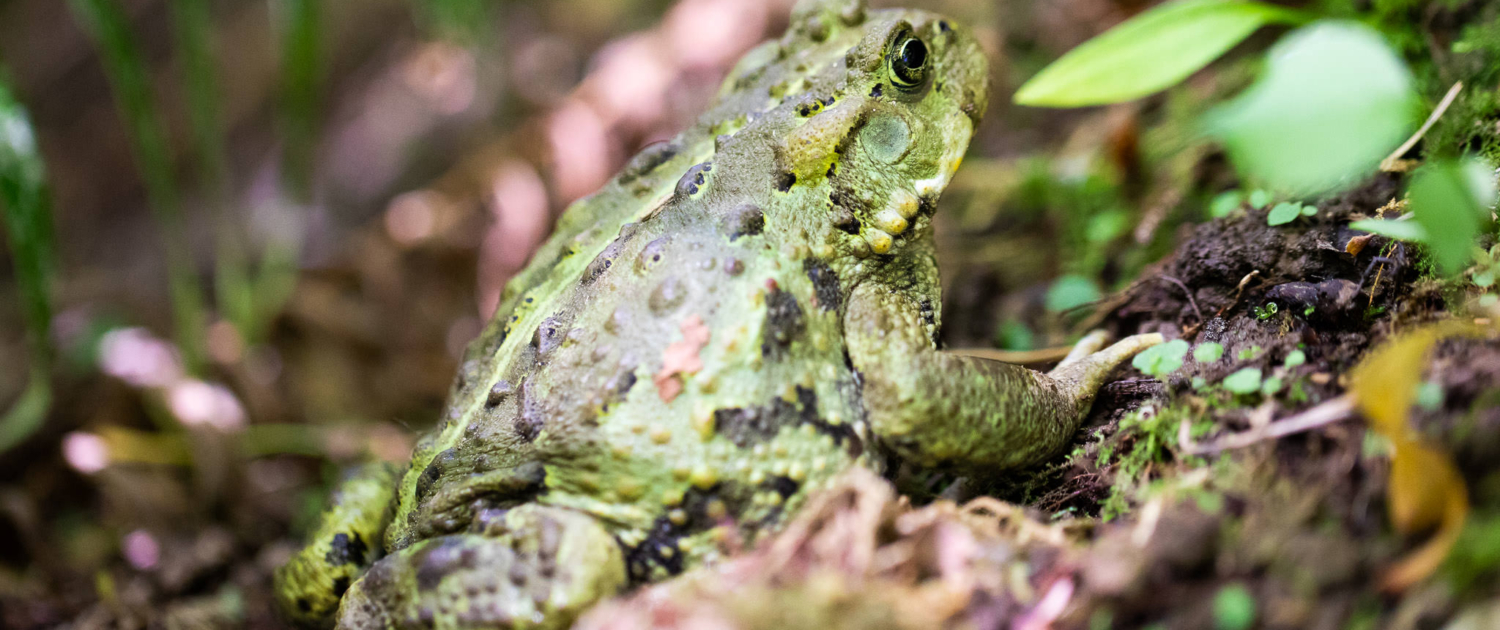
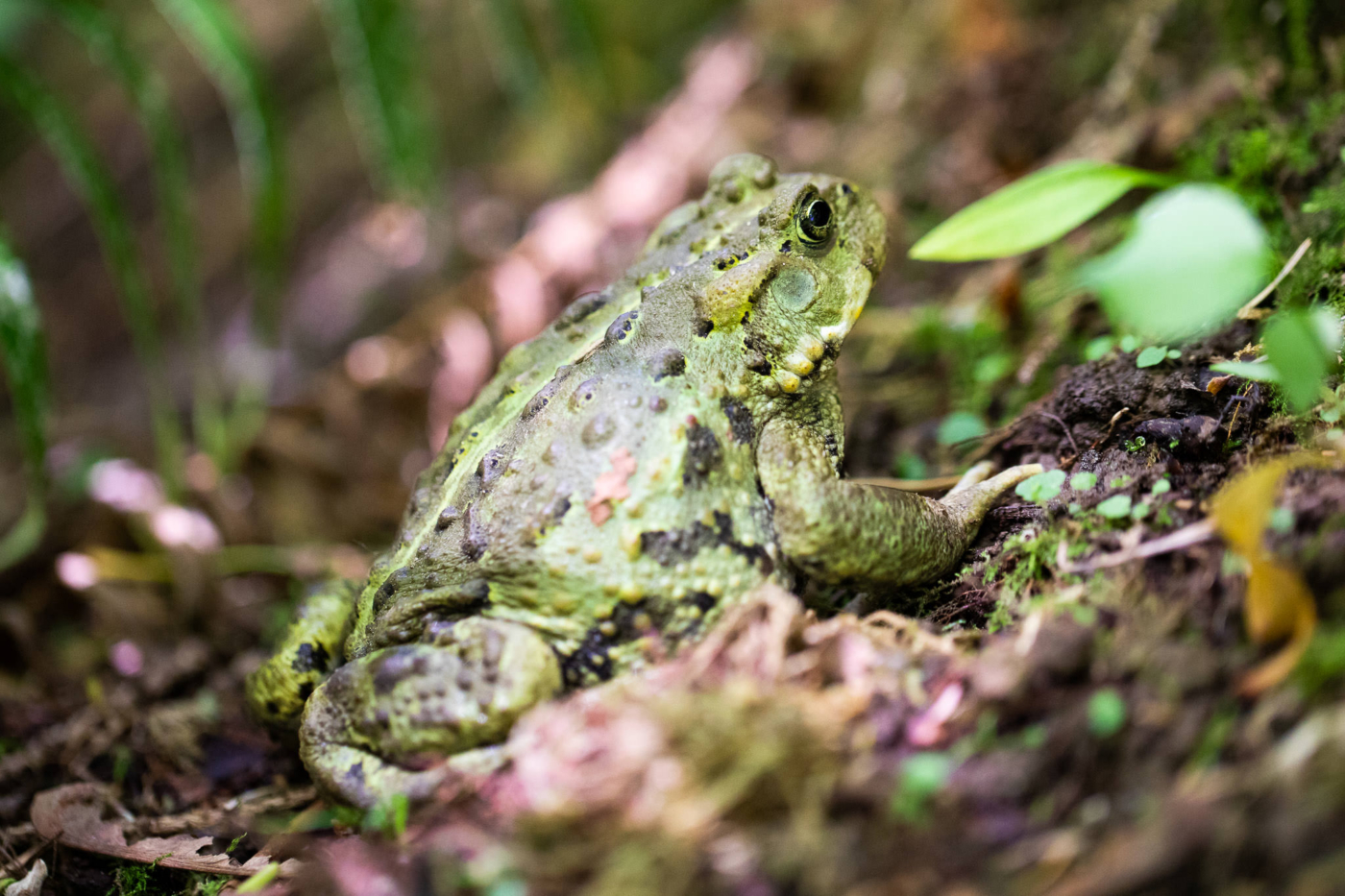
The western toad is a widespread and adaptable inhabitant of diverse ecosystems across British Columbia, including the coastal rainforests. Remarkably, it’s the only amphibian native to the islands of Haida Gwaii. Western toads are easily recognizable by their waddling gait (unlike the dramatic leaps of frogs), their mottled, warty skin, and the two large “warts” behind each eye, which are actually poison-producing parotid glands.
Although they spend much of the year solitary and secretive, for just a week or two in spring, western toads turn sociable, gathering en masse to breed along lakeshores and ponds. They are astonishingly prolific — a single female can lay up to 16,000 eggs. Males can be identified by dark pads on their “thumbs” that help them grip females during mating. If an eager male mistakenly clasps another male in the confusion of the breeding frenzy, the captured male gives a distinctive “release call” that quickly corrects the error.
Later in summer, when the tadpoles transform into tiny toadlets, they begin their overland migration in massive numbers. In the community of Nakusp, an annual Toadfest celebrates this natural wonder and helps thousands of toadlets safely cross roads on their way to the forest. Like Mr. Toad from The Wind in the Willows, these small travellers need protection from motorcars! Once safely in their forest habitat, western toads may live for 10–12 years, though females usually don’t reach breeding age until around six.
Protecting the places they breed, migrate, and shelter is key to ensuring western toads remain part of BC’s ecosystems for generations to come.



 Donate
 Send a Message