Old-growth deferrals are one of the best tools to keep endangered forests standing, but progress has stalled. Learn how short-term funding can help First Nations pause logging, advance conservation, and build more sustainable local economies.

Old-Growth Deferrals & Solutions Space Funding

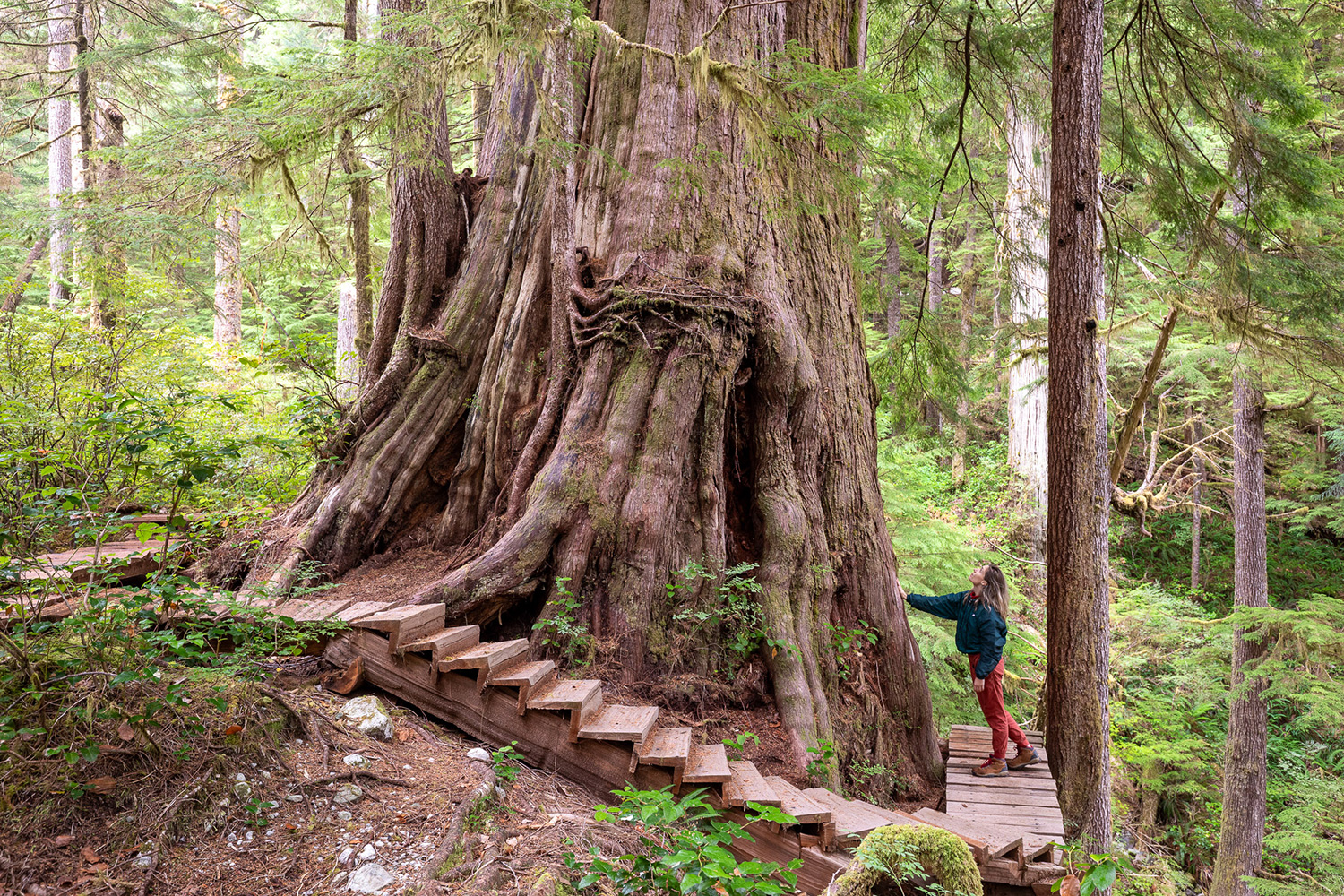
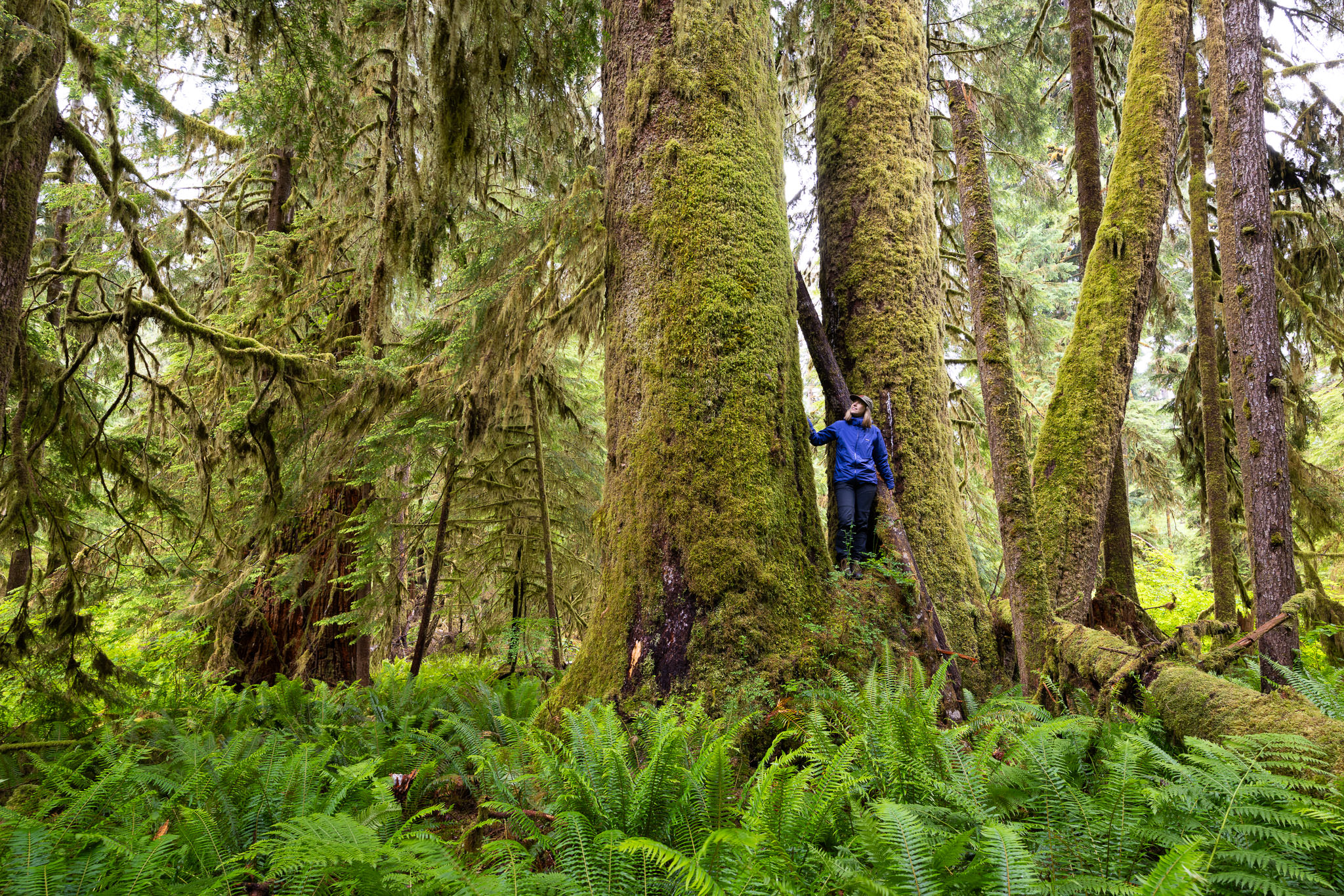
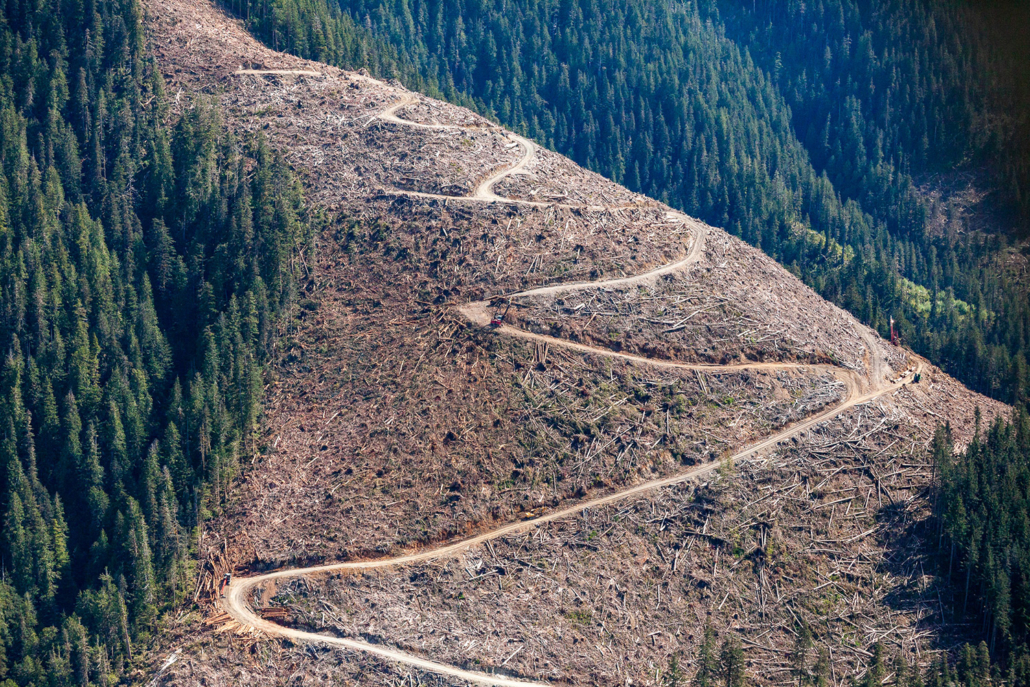
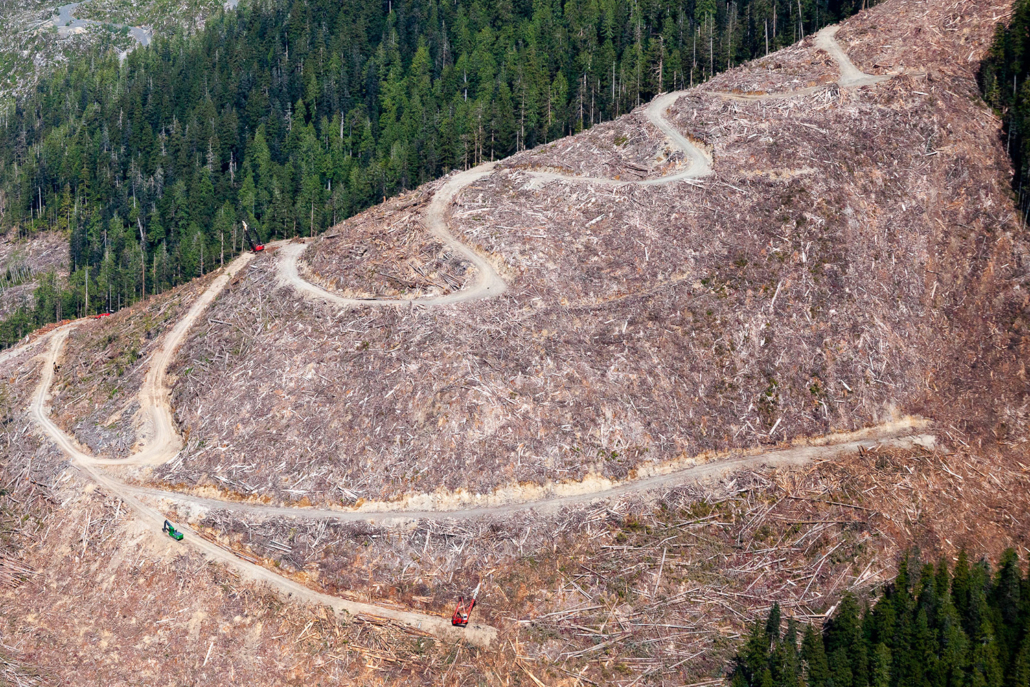
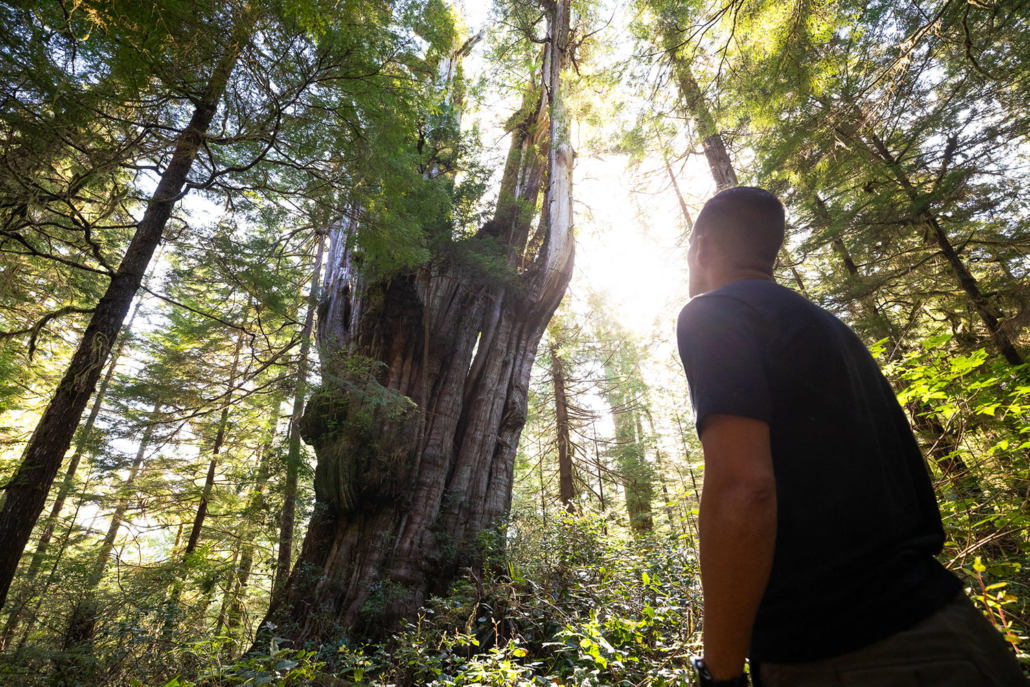
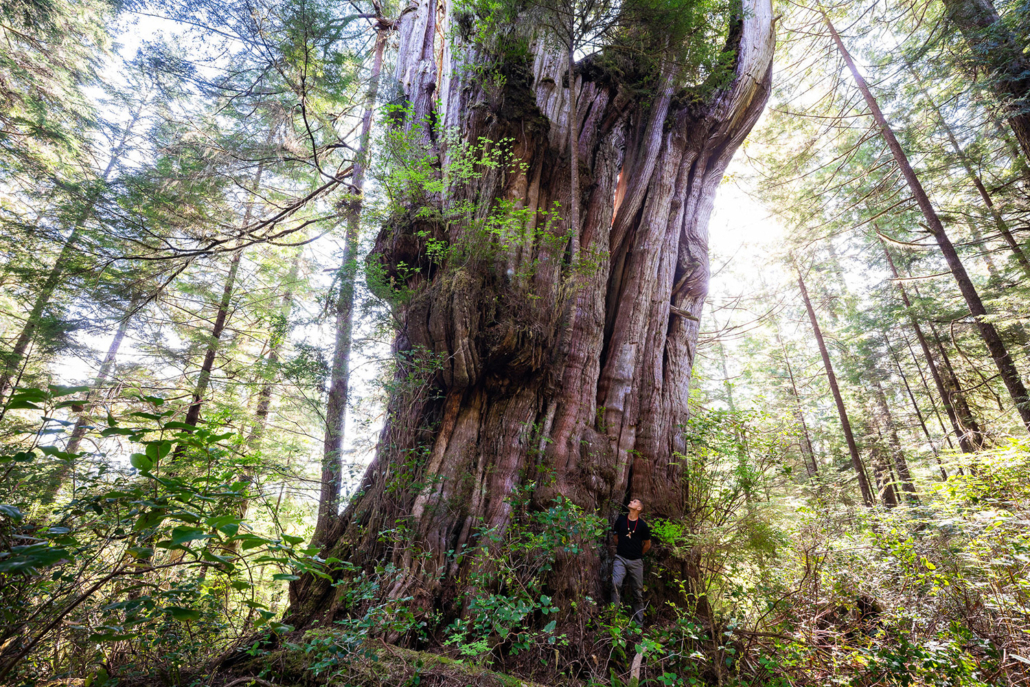
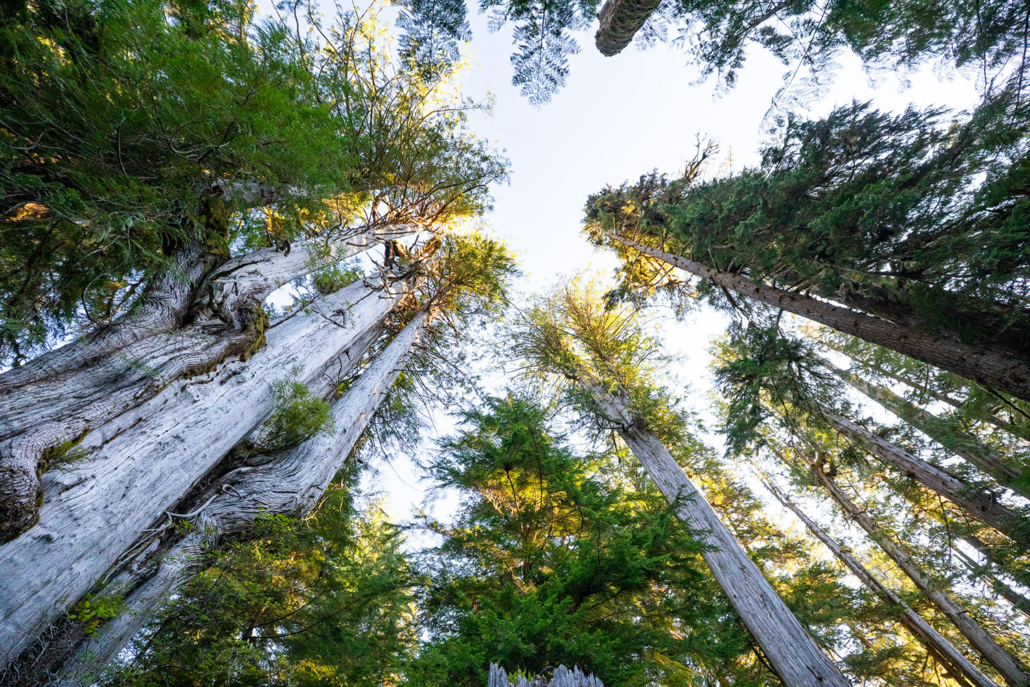
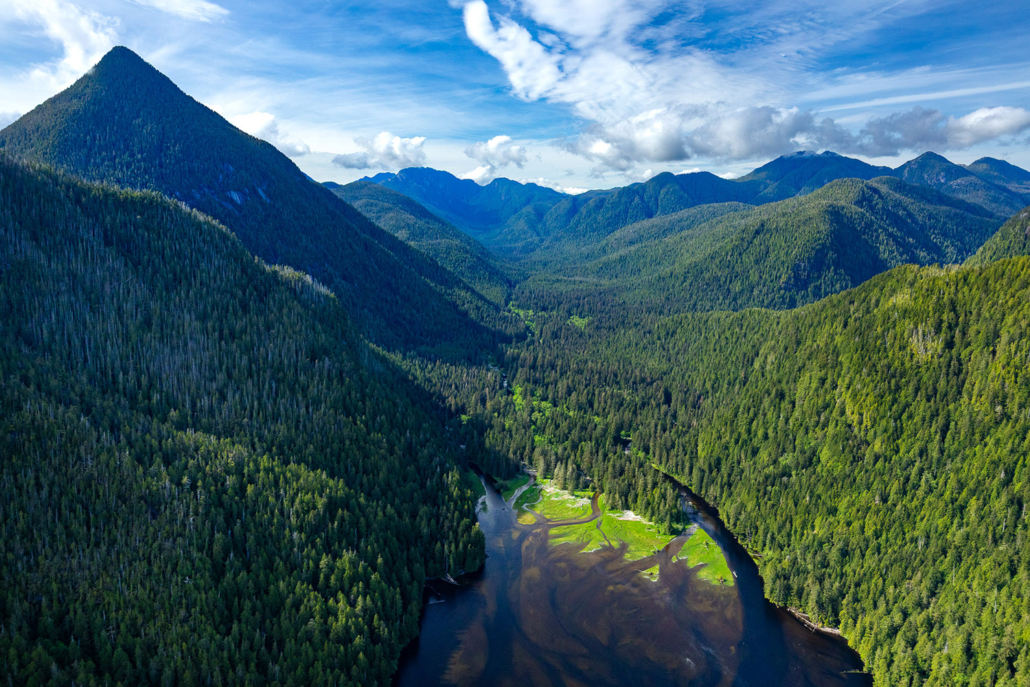
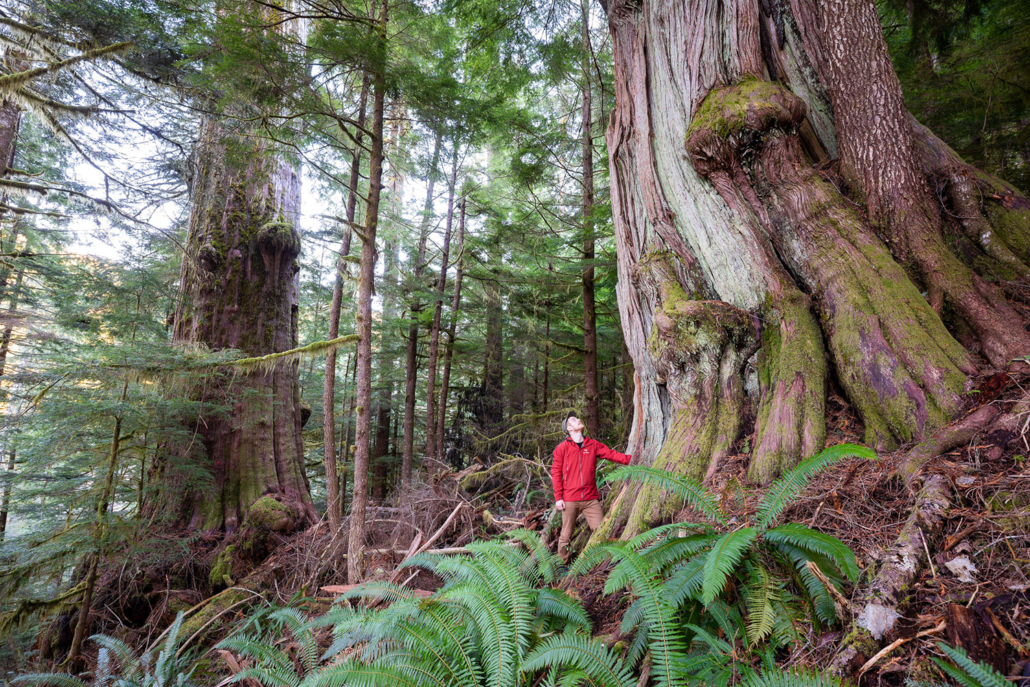
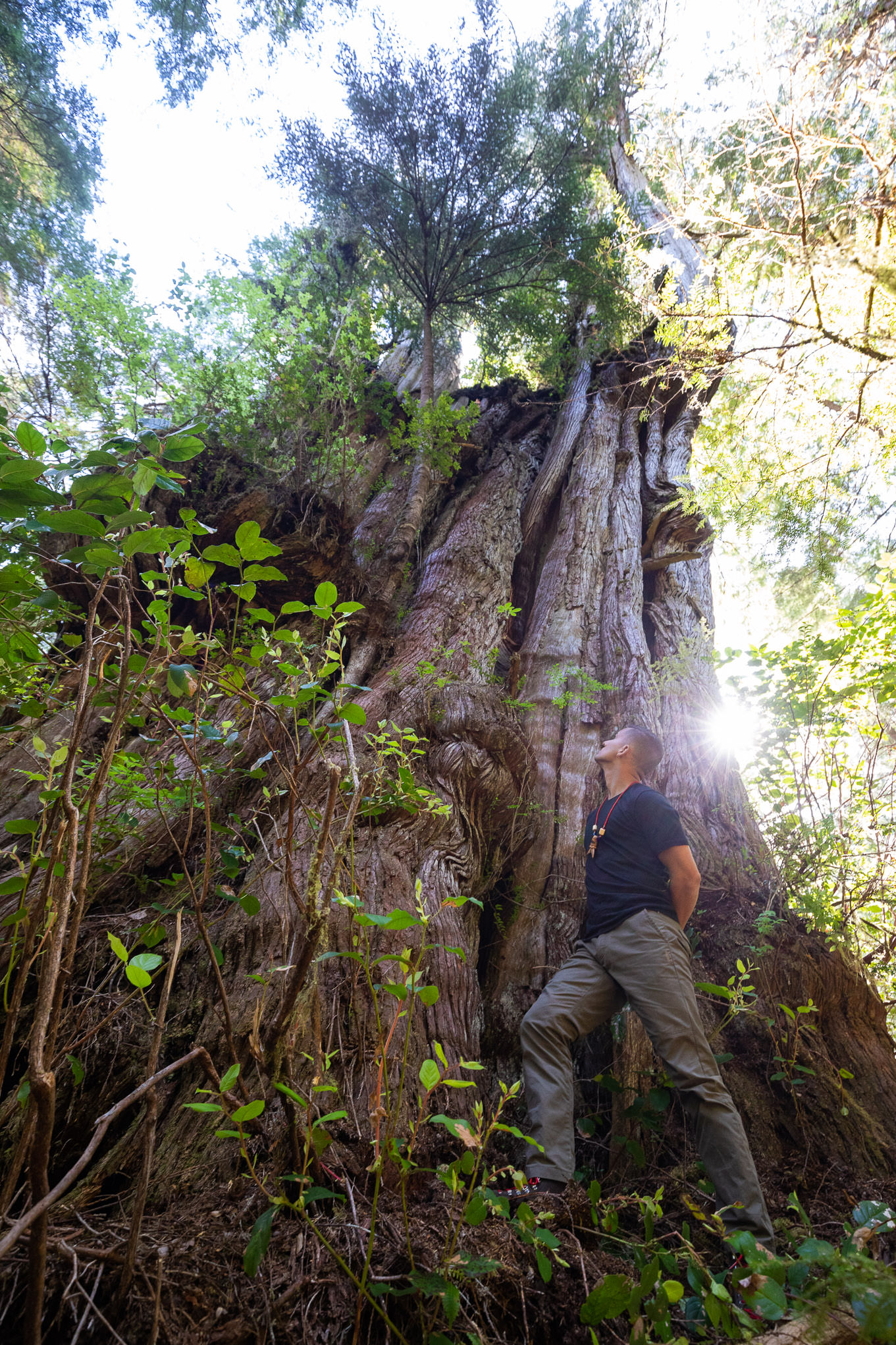
Old-growth forests in British Columbia are among the most irreplaceable ecosystems on Earth—home to towering trees, endangered species, cultural values, and immense climate benefits. Yet despite years of public pressure, much of the province’s most at-risk old-growth forests remain open to logging today.

One of the best tools available to keep these forests standing in the short term is logging deferrals: temporary pauses on logging that give First Nations and the province time to develop long-term conservation plans.

After early progress, however, implementation of old-growth deferrals has stalled at 1.2 million hectares, leaving at least another 1.4 million hectares of the rarest and most threatened old-growth forests without protection.

The main reason? Many First Nations, whose consent and support are necessary for any new deferrals or protected areas, cannot afford to pause old-growth logging without losing a major source of revenue for their communities. The province recognizes this barrier, but has yet to provide the funding needed to overcome it.

This page explains what logging deferrals are, why progress is stuck, and how “solutions space” funding can keep ancient forests standing while long-term protection plans are developed.
What Are Logging Deferrals?

Logging deferrals are temporary pauses on logging in areas of high ecological or cultural importance. They help ensure that irreplaceable old-growth forests are not logged before long-term decisions about their future can be made.

Deferrals are used to:

  • Avoid irreversible biodiversity loss
  • Prevent “talk and log” outcomes during lengthy planning processes
  • Create time and space for First Nations and the province to develop land-use plans
  • Keep options open for permanent protection

While not a long-term solution, deferrals are one of the only tools that can keep old-growth standing right now while more durable conservation measures are being designed.

Old-growth deferrals at a glance:

  • 2.6 million hectares of the oldest, rarest, and most at-risk old-growth forests were identified for immediate logging deferrals by an independent science panel
  • 1.2 million hectares of priority, at-risk old-growth deferred so far
  • 1.4 million hectares of priority, at-risk old-growth not deferred and still open to logging
  • The barrier: Many First Nations cannot afford to pause old-growth logging without financial support
  • The solution: Provincial “solutions space” funding of at least $120 million to offset lost revenues while long-term conservation plans are developed

Why Has Progress Stalled on Old-Growth Deferrals?

The implementation of deferrals requires the consent and shared decision-making of First Nations, who have legal authority on land-use decisions in their unceded territories.

Today, many First Nations communities rely on old-growth logging for jobs and revenue, a dependency shaped by government policies over the course of decades. Pausing old-growth logging often means absorbing significant short-term financial losses. Without interim support from the province, many Nations cannot afford to approve the remaining recommended deferrals, even when they support conservation in principle.

Despite this being a known barrier, the province has not yet provided the funding needed to help secure the remaining 1.4 million hectares of priority old-growth deferrals. As a result, progress has stalled across the province since 2013, and many of the best forests continue to be logged.

What is Solutions Space Funding?

Deferral or “solutions space” funding refers to short-term financial support designed to help First Nations pause old-growth logging without incurring economic harm. By offsetting revenue that would otherwise come from logging, this funding would provide Nations the time and flexibility to develop long-term land-use plans, pursue new conservation opportunities, and explore sustainable economic alternatives.

This bridge funding also strengthens partnership and trust between First Nations and the province – an essential foundation for creating future protected areas and stewardship initiatives. Without it, many Nations are left with an impossible choice: continue logging irreplaceable old-growth forests or face immediate financial hardship.

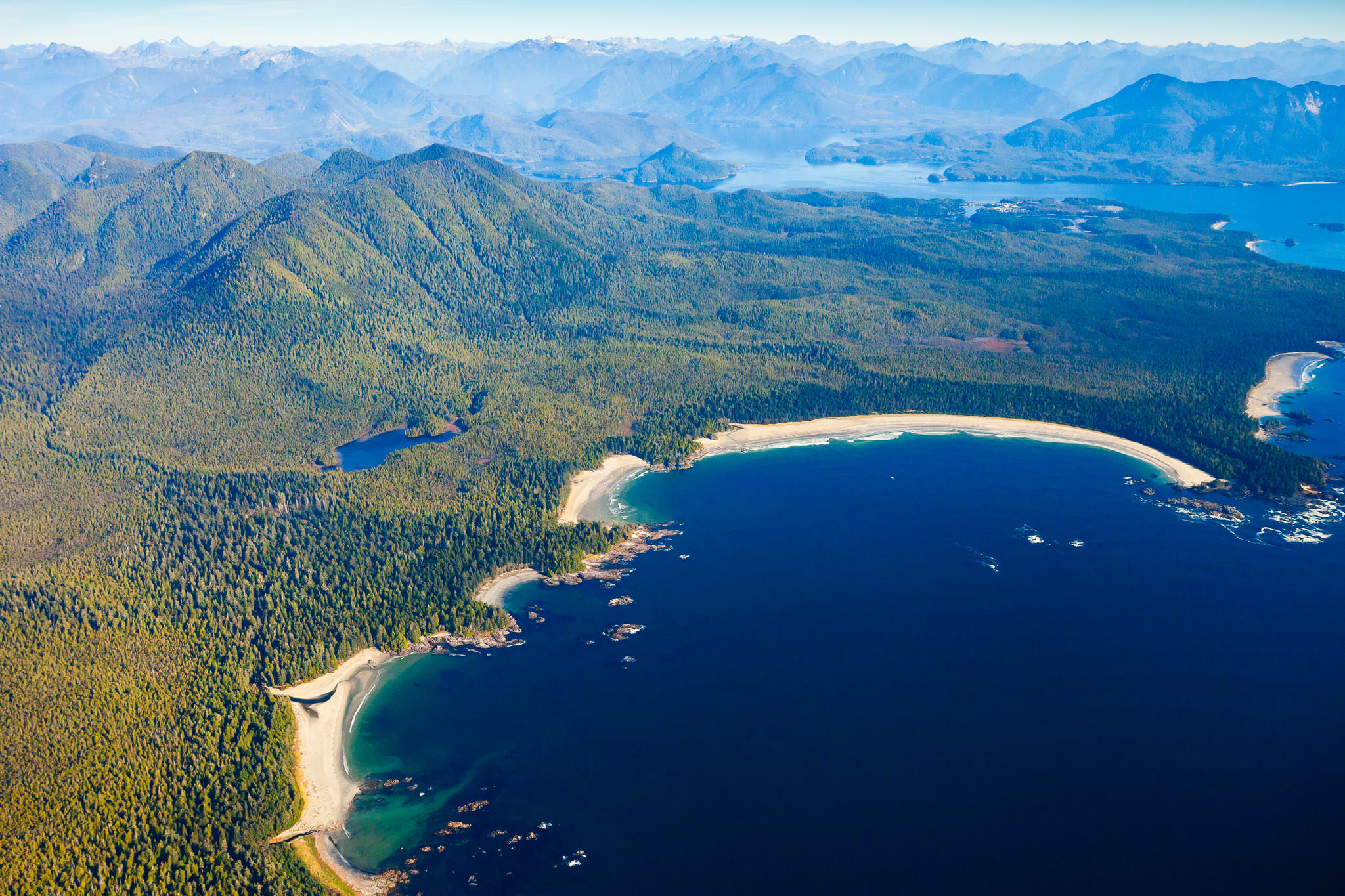
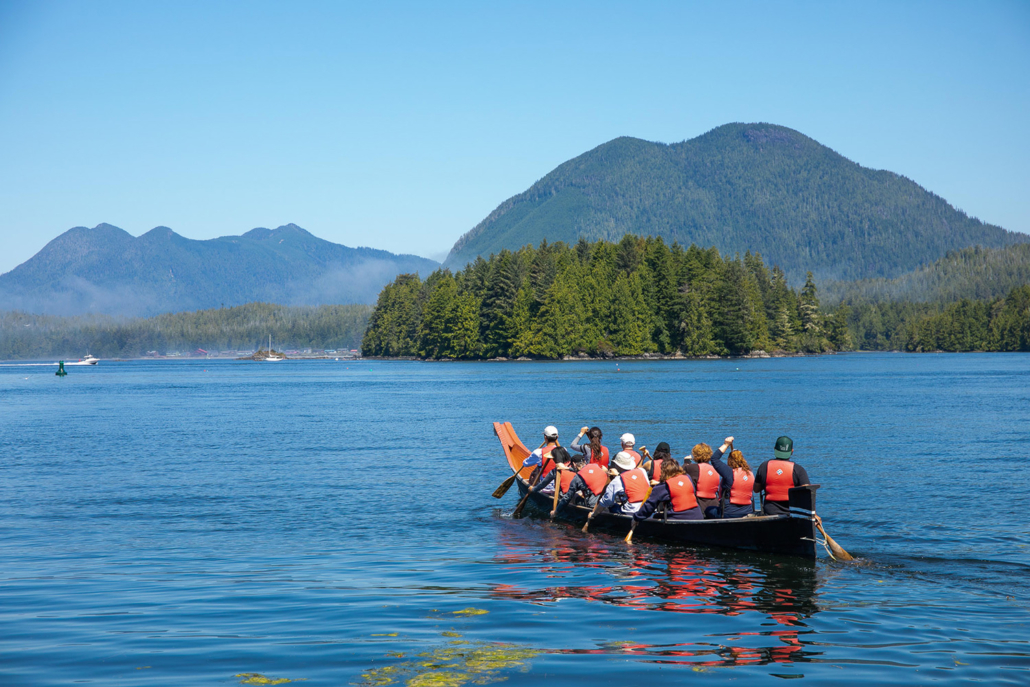
This approach worked successfully in Clayoquot Sound, where short-term funding helped keep trees standing while permanent conservation plans took shape.

We estimate that at least $120 million in solutions space funding is required to secure the remaining 1.4 million hectares of at-risk old-growth deferrals identified by the science panel and to extend those deferrals currently in place. The province now has a major opportunity to provide this support by apportioning funds from the $1.1 billion BC Nature Agreement.

A Brief History of Old-Growth Deferrals in B.C.

  • 2020

    Flag Flag

    In 2020, following the release of the Old Growth Strategic Review, the province announced a first round of logging deferrals in areas such as Clayoquot Sound and the Incomappleux Valley. While these were important steps, conservation groups noted that the province’s public figures overstated the significance of the area deferred by counting large areas of second-growth forests and lands that were already protected.

  • In June 2021, at the request of the Pacheedaht, Ditidaht, and Huu-ay-aht First Nations, deferrals were approved for parts of the Fairy Creek watershed and the Central Walbran Valley. These measures helped safeguard ecologically significant areas, although large portions of the surrounding old-growth ecosystems remain unprotected and are being logged. Existing deferrals in Fairy Creek have since been extended until at least 2026.

    Flag Flag

    June 2021

  • Sept. 2021

    Flag Flag

    In September 2021, after years of pressure, the province convened an independent old-growth science panel, the Technical Advisory Panel (TAP), which identified 2.6 million hectares of the rarest, oldest, and most at-risk old-growth forests in BC that should be immediately deferred from logging. This represented a landmark moment: for the first time, BC had a science-based, province-wide map of the ancient forests most urgently in need of protection.

How Much Priority, At-Risk Old-Growth Is Still Unprotected?

As of 2025, of the 2.6 million hectares of priority old growth identified as needing immediate deferrals, only about 1.2 million hectares have been deferred. That leaves 1.4 million hectares—more than half—still open to logging. Recent reports indicate that logging is 4 times more likely in forests recommended for deferral than in other areas.

Thousands of hectares of incredible old-growth forests were also omitted from deferral recommendations due to errors in government forest inventories, leaving them open to logging even though they contain monumental ancient trees.

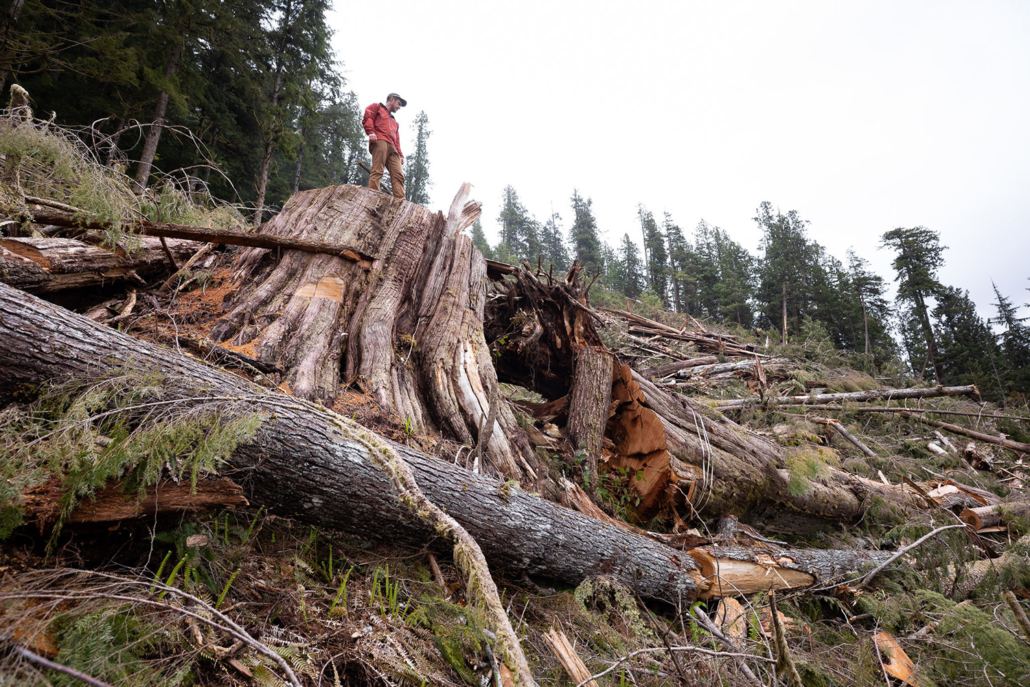
In recent years alone, over 10,000 hectares of rare and irreplaceable ancient forests have been logged in BC. Without immediate action, additional critical stands will continue to be lost before long-term conservation decisions can be made.

What Happens After Deferrals?

Logging deferrals are not the final goal; they are the starting point. Once old-growth logging is paused, First Nations and the province can work together to secure permanent protection of old-growth forests by creating new Indigenous Protected and Conserved Areas (IPCAs).

At the same time, the province must support Nations through longer-term conservation financing to build sustainable, diversified local economies. Opportunities such as eco-tourism, small-scale renewable energy, sustainable aquaculture, non-timber forest products, and value-added second-growth forestry can all provide lasting prosperity without relying on old-growth logging.

With solutions space funding in place, communities can pause logging long enough to pursue these pathways and ensure that the most endangered old-growth forests remain standing for future generations.

Take Action

Reach out to the BC government using our instant send-a-message tool and call for solutions space funding, and the protection of endangered old-growth forests in BC. Share this page to help raise awareness. And consider contributing to Ancient Forest Alliance to strengthen our work!